Is Strasbourg in France or Germany? 8 Essential Facts
Is Strasbourg in France or Germany? Discover the fascinating history, unique culture, and top sights of this Alsatian gem in our 8-point guide.
On this page
Is Strasbourg in France or Germany? 8 Essential Facts
Many travelers often wonder, is strasbourg in france or germany when planning their European adventures. This beautiful city sits right on the border between two powerful nations. Its identity has been shaped by centuries of shifting borders and shared traditions.
Walking through its streets feels like stepping into two different worlds at once. You might hear French greetings while looking at German-style timbered houses. This unique mix makes the city one of the most fascinating places to visit in Europe.
Understanding the city's background helps you appreciate its current charm much more. From its food to its buildings, every corner tells a story of survival and peace. Let's dive into the facts that define this cross-border treasure.
Free guide: France's Hidden Gems
12 under-the-radar places across Provence, Alsace & Occitanie — with the best season to visit each and a local tip you won't find in the guidebooks.
The Short Answer: Is Strasbourg in France or Germany Today?
To answer the big question simply, Strasbourg is currently a city in France. It serves as the official capital of the Grand Est region. The city sits along the western bank of the Rhine River.
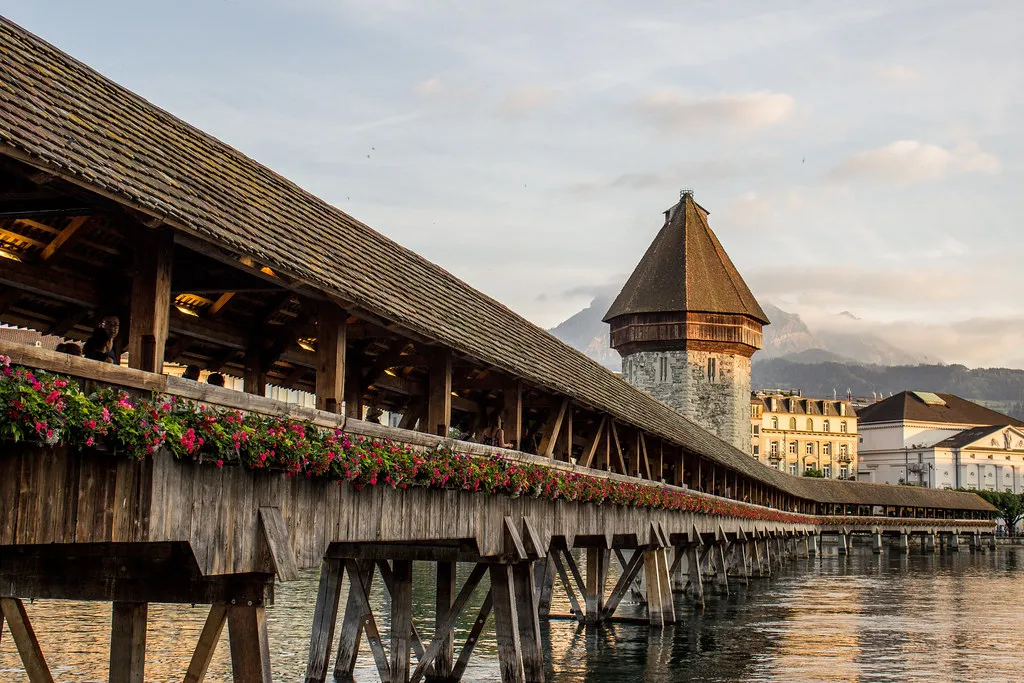
Germany is located just across the water from the city center. You can actually cross a bridge and enter Germany in just a few minutes. This close proximity explains why Strasbourg is famous for its dual heritage.
The city has been a part of France since the end of World War II in 1945. Before that, the nationality of the city changed several times. Today, it stands as a proud symbol of French culture with a strong local twist.
Local people consider themselves Alsatian first and French second. They take great pride in their unique history and regional customs. This pride is visible in everything from their festivals to their daily language.
The Spelling Trap: Strasbourg (France) vs. Strasburg (Germany)
Confusion often arises because there is a town called Strasburg in Germany. This smaller town is located in the Uckermark region near the Polish border. It is much smaller and less famous than its French counterpart.
Travelers sometimes book hotels or trains to the wrong destination by mistake. Always check the spelling and the country code when making your reservations. The French version ends with an "o-u-r-g" while the German one ends in "u-r-g."
The French city is a major metropolitan hub with a high-speed train station. It is a world-class destination known for its massive cathedral and European institutions. Make sure your GPS is set to the Alsace region of France.
Using a Travel guide to Strasbourg can help you stay on the right track. Most international flights and major tours will always refer to the French city. Double-checking your destination saves time and stress during your trip.
A Turbulent History: Why the City Changed Hands 4 Times
The city's history is a tug-of-war between two great European powers. In 1871, Germany took control of the city following the Franco-Prussian War. It remained a German territory for nearly fifty years until the end of World War I.
France regained control in 1918, but this peace did not last forever. Nazi Germany occupied the city again during World War II in 1940. This was a difficult time for locals who were forced to change their language and laws.
Finally, French forces liberated the city in late 1944. Since then, it has remained a permanent part of the French Republic. This complex timeline is exactly why Strasbourg is worth visiting for history buffs.
The city now acts as a bridge between the two nations instead of a battlefield. It represents the successful reconciliation of Europe after centuries of conflict. You can see monuments dedicated to this peaceful transition throughout the city.
Architecture: Half-Timbered Houses and German Influence
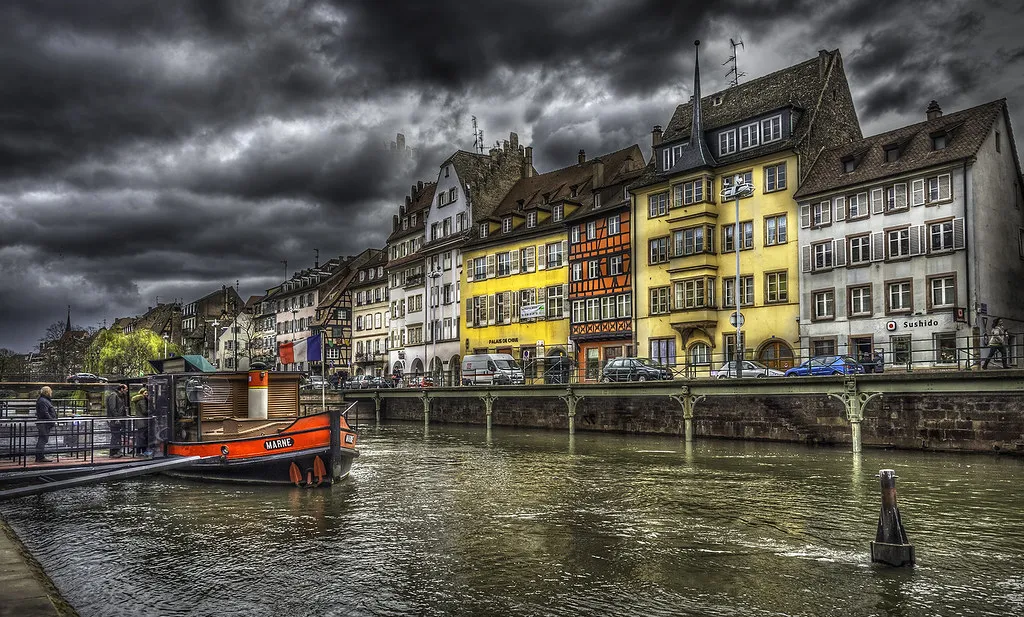
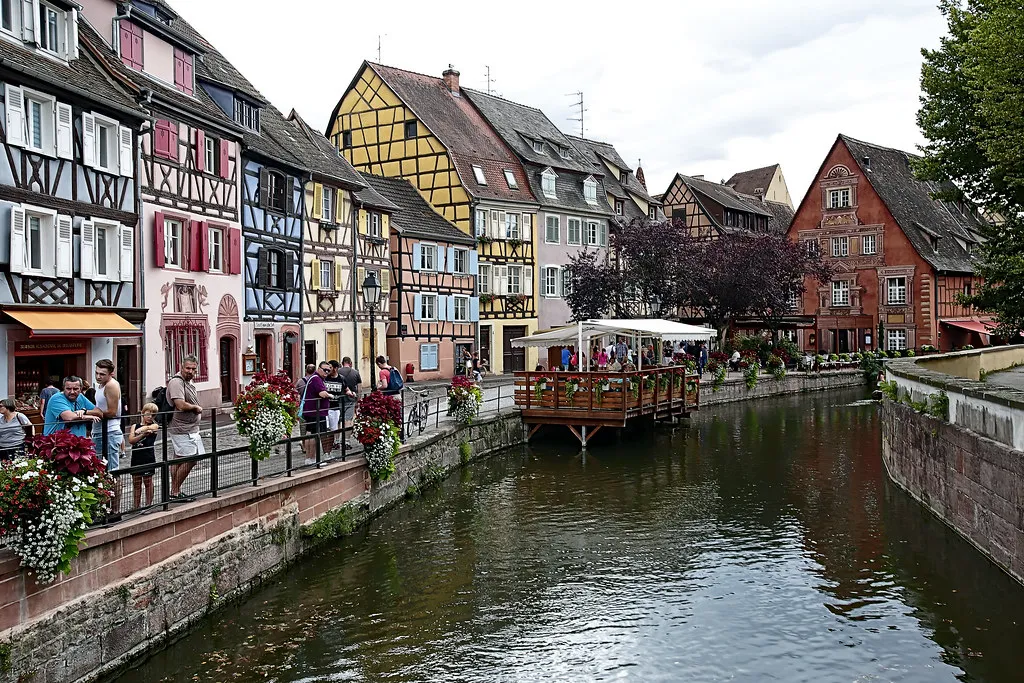
The buildings in the city reflect its mixed past perfectly. In the Petite France district, you will find medieval half-timbered houses. These structures look like they belong in a German fairy tale.
These houses were originally built for tanners, millers, and fishermen. Their steep roofs and wooden frames are classic examples of Germanic architecture. Many of these buildings have survived for hundreds of years.
On the other hand, the Neustadt district shows a different side of history. This area was built by the Germans in the late 19th century. It features wide boulevards and grand stone buildings that feel very imperial.
You will also see many classic French townhouses with elegant balconies. This architectural variety is one of the top Strasbourg attractions for visitors. Walking between these districts feels like traveling through different eras.
Language and Culture: The Unique Alsatian Identity
French is the official language spoken in the city today. However, many older residents still speak Alsatian, a Germanic dialect. You will often see street signs written in both French and Alsatian.
The local food is perhaps the best example of cultural fusion. You can enjoy traditional Alsatian food that combines French techniques with German ingredients. It is common to find sauerkraut and sausages served alongside fine French wines.
Local bakeries sell pretzels right next to delicate French pastries. This blend creates a culinary scene that you cannot find anywhere else in France. It makes every meal a unique exploration of the city's dual personality.
Festivals also showcase this mix of traditions throughout the year. The famous Christmas markets have a very strong German influence. Meanwhile, the summer festivals celebrate French music and modern arts.
- Cultural Comparison Guide
- Food: Choucroute vs Quiche
- Language: French and Alsatian
- Architecture: Timbered and Imperial
- Vibe: Cozy yet Grand
Must-See Sights: From the Cathedral to Petite France
The massive cathedral is the heart of the city's historic center. It was once the world's tallest building for over two hundred years. You should book Strasbourg Cathedral tickets in advance to climb the tower.
Inside the cathedral, you can find a stunning astronomical clock. This 16th-century masterpiece still performs a show for visitors every day. Its complex gears and moving figures are a marvel of early engineering.
The Palais Rohan is another essential stop for any traveler. This former royal residence now houses three of the city's most important museums. It showcases the luxury of French aristocratic life from the 18th century.
Taking a walk along the canals is the best way to end your day. The water reflects the colorful houses and blooming flowers in the summer. It provides a peaceful escape from the busy city streets.
The European Quarter: A Symbol of Modern Reconciliation
The city is often called the "Capital of Europe" for a good reason. It is one of the few cities in the world that hosts international organizations without being a national capital. This role highlights its importance in modern diplomacy.
The European Parliament meets here for several days every month. Its modern glass building stands in sharp contrast to the old timbered houses. This area represents the future of a united and peaceful Europe.
You can take a boat tour on the Ill River to see these buildings. The glass and steel structures look impressive from the water. Many tours offer audio guides that explain the work done inside these walls.
The Council of Europe and the European Court of Human Rights are also located here. These institutions work to protect the rights of millions of people across the continent. Their presence makes the city a global center for justice and law.
Travel Logistics: How to Visit This Cross-Border Gem
Reaching the city is very easy thanks to excellent transport links. You can take a Paris to Strasbourg train in less than two hours. The high-speed TGV line makes it a perfect day trip or weekend getaway.
Frankfurt is also close by, with direct trains taking about the same amount of time. This makes the city a great middle point for travelers visiting both France and Germany. The central train station is a short walk from the historic district.
Once you arrive, the city is very easy to navigate on foot. Most major sights are located on the Grand Île, which is a UNESCO World Heritage site. You can also use the efficient tram system to reach further districts.
The city is a year-round destination with different charms in every season. Winter is famous for the Christmas markets, while spring brings beautiful garden displays. Plan your visit according to your favorite activities and weather preferences.
Good to know
Strasbourg is firmly in France — capital of the Grand Est region and Bas-Rhin department — but it sits on the German border and changed hands four times between 1681 and 1945, which is why its food, architecture, and dialect feel distinctly Germanic.
The euro is the currency, French is the official language, and the German city of Kehl is a 15-minute tram ride across the Rhine.
For more on Strasbourg, see our guides to what Strasbourg is famous for and whether it's worth visiting.
Frequently Asked Questions
What language is spoken in Strasbourg?
French is the official language used in schools, government, and daily business. Many locals also speak Alsatian, which is a Germanic dialect. You will find that most people in the tourism industry speak excellent English to help international visitors.
Is Strasbourg worth a day trip?
Yes, the city is perfect for a day trip due to its compact historic center. You can see the cathedral, explore Petite France, and enjoy a local meal in just a few hours. However, staying overnight allows you to experience the magical evening atmosphere.
Why is Strasbourg the capital of Europe?
The city was chosen as a symbol of peace between France and Germany after World War II. It hosts the European Parliament and the Council of Europe. Its location on the border makes it a natural meeting point for different cultures.
What is the best time to visit Strasbourg?
The best time to visit Strasbourg is during December for the world-famous Christmas markets. Late spring and early autumn also offer mild weather and fewer crowds. Summer is beautiful but can be quite busy with tourists.
Strasbourg is a city that proves how history can turn conflict into a beautiful partnership. While it is firmly a part of France today, its German roots remain a vital part of its identity. This blend of cultures creates a destination that is truly unlike any other in Europe.
Whether you are visiting for the Gothic architecture or the delicious food, you will find something to love. The city's role as a European capital adds a layer of modern importance to its ancient streets. It stands as a shining example of unity and shared heritage.
Now that you know the facts, you can plan your visit with confidence and curiosity. The city is waiting to share its stories and its unique Alsatian charm with you. Pack your bags and get ready to explore this incredible cross-border gem.
Pair this with our broader guide to the best things to do in Strasbourg for the full city overview.
Free guide: France's Hidden Gems
12 under-the-radar places across Provence, Alsace & Occitanie — with the best season to visit each and a local tip you won't find in the guidebooks.
You might also like


Continue reading
More guides you'll find useful