
15 Best Things to Do in Marseille (2026)
Plan things to do in marseille 2026 with top picks, neighborhood context, timing tips, and practical booking advice for a smoother trip.
On this page
15 Best Things to Do in Marseille (2026)
As a travel editor who has visited Marseille three times over the last decade, I have watched this gritty port city transform. The city now balances its ancient maritime history with a bold, modern cultural scene that rivals any European capital. Whether you are here for the seafood or the street art, the energy of the Mediterranean is undeniable in every neighborhood. I personally found that the early morning light at the Old Port offers the best introduction to the local rhythm.
This guide was last refreshed in March 2026 to ensure all pricing and festival dates are accurate for your upcoming trip. We have reviewed the most popular 18 Best Marseille Attractions & Travel Tips to help you prioritize your limited vacation time effectively. Marseille is famous for its rough-around-the-edges charm, but 2026 brings new exhibitions and refined public spaces to explore. You will find that the city feels more accessible than ever, provided you know which traps to avoid.
Attraction Guides
Free guide: France's Hidden Gems
12 under-the-radar places across Provence, Alsace & Occitanie — with the best season to visit each and a local tip you won't find in the guidebooks.
Key Takeaways
- Quick Pick (Best Overall): MuCEM for its world-class architecture and Mediterranean history.
- Quick Pick (Best for Nature): A boat tour of the Calanques National Park for stunning coastal views.
- Quick Pick (Best Free): Exploring the street art and historic alleys of the Le Panier neighborhood.
- Practical Tip: Use the number 60 bus to reach Notre Dame de la Garde instead of walking the steep hill.
- Booking Reminder: Secure your tickets for the 2026 festivals like Flamenco Azul at least a month in advance.
15 Best Things to Do in Marseille (2026)
The following list represents a mix of iconic landmarks, nature escapes, and temporary 2026 festivals that define the city. I have grouped these items to help you see the diversity of experiences available from the historic center to the coast. Each selection includes practical data on costs and timing to make your daily planning much easier. Check the official tourism site for any last-minute schedule changes before you head out for the day.
First-time visitors should focus on the central hub around the Vieux Port before venturing into the rugged Calanques. If you are looking for culture, the museums in the northern docks area provide a sharp contrast to the old town. Many of these spots require advance booking, especially during the peak summer months when crowds are at their highest. Keep in mind that some smaller sites may close on Tuesdays, which is a common practice across French public museums.
- MuCEM Museum of European and Mediterranean Civilizations
- This architectural masterpiece connects the historic Fort Saint-Jean to a modern latticed cube via a stunning suspension bridge.
- Expect to pay approximately €11 per adult, with the museum open daily from 10am to 7pm except on Tuesdays.
- You should allow at least three hours to explore the diverse exhibits and the sprawling outdoor walkways.
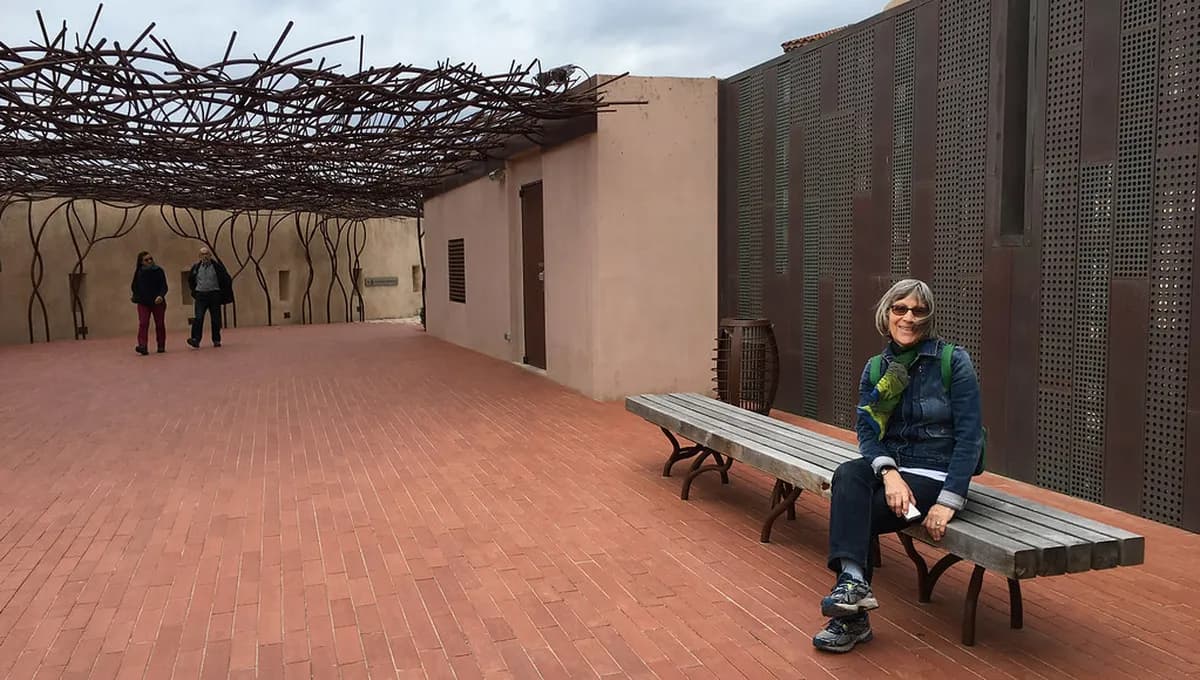
- A local tip is to visit the rooftop terrace for free even if you do not buy a museum ticket.
- Notre Dame de la Garde Basilica
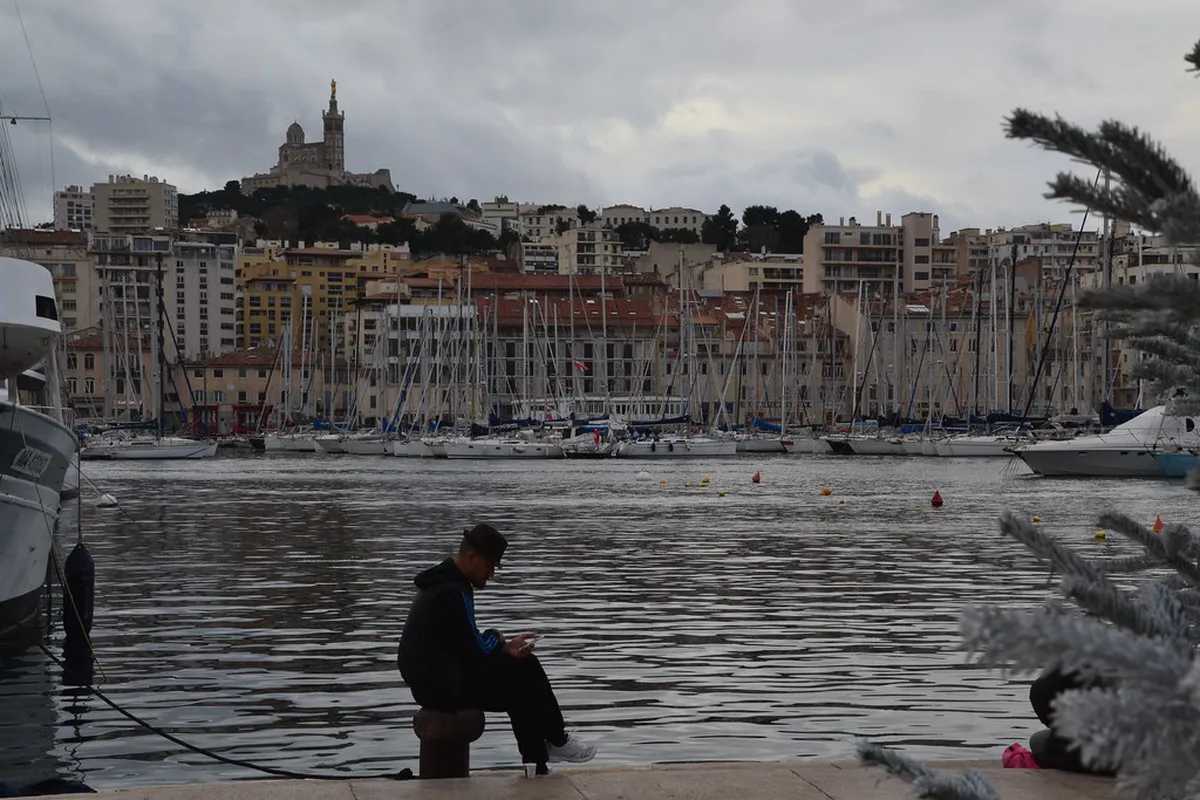
- Perched on the city's highest point, this Romano-Byzantine church offers the most famous 360-degree views of the coastline.
- Entry to the basilica is free, and it typically opens from 7am to 6pm throughout the year.
- The steep climb is challenging, so consider taking the number 60 bus from the Vieux Port for a few euros.
- Inside, look up at the ceiling to see the intricate gold mosaics and hanging votive boats from sailors.
- The Historic Vieux Port Harbor
- The beating heart of the city is where you will find the daily fish market and sleek white yachts.
- Walking around the harbor is entirely free, and the area remains active from sunrise until late into the night.
- Plan to spend an hour watching the fishermen or standing under the giant mirrored sun canopy by Norman Foster.
- The ferry boat crossing the port is a fun, two-minute ride that costs only a symbolic small change fee.
- Le Panier Old Town Quarter
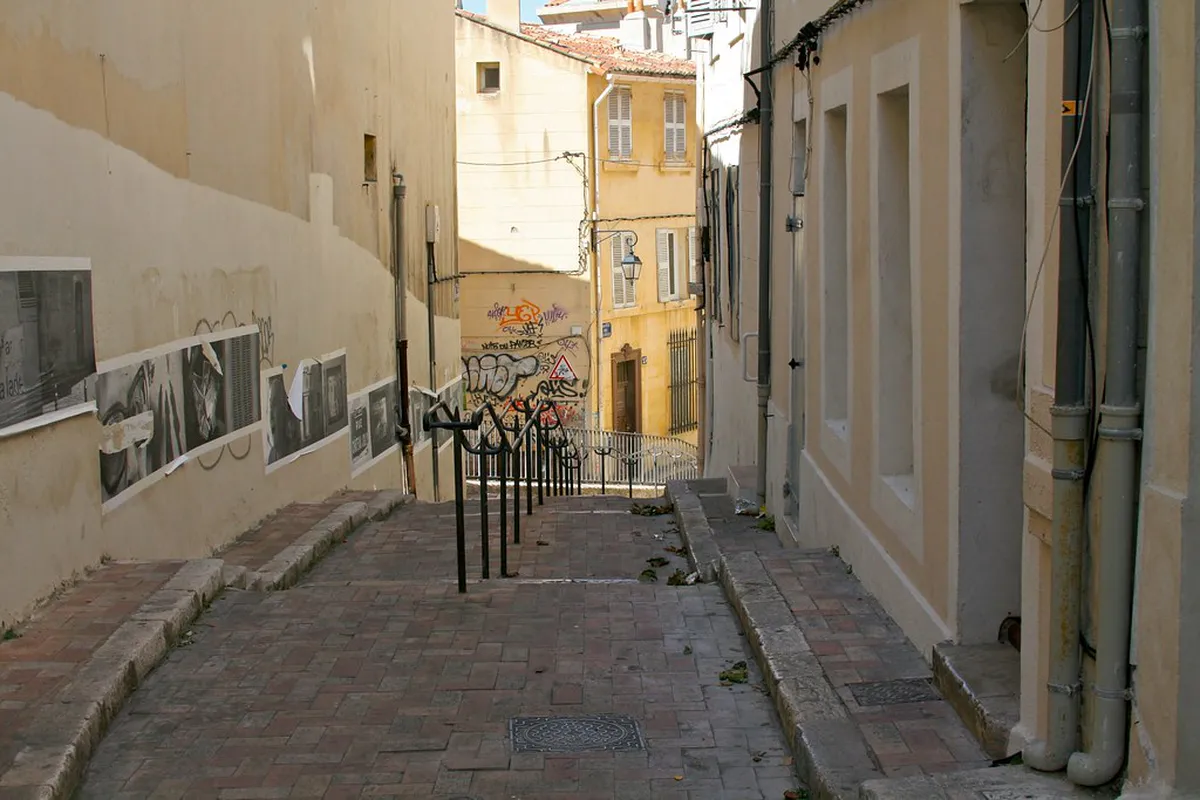
- Marseille's oldest neighborhood is a labyrinth of pastel-colored buildings, narrow stairs, and vibrant street art galleries.
- Exploring these streets is free, though you will likely want to stop for a coffee in a quiet square.
- Spend two hours getting lost in the alleys between the Vieille Charité and the harbor front.
- Wear comfortable shoes because the cobblestones are uneven and the hills can be quite taxing in the heat.
- Calanques National Park Boat Tour
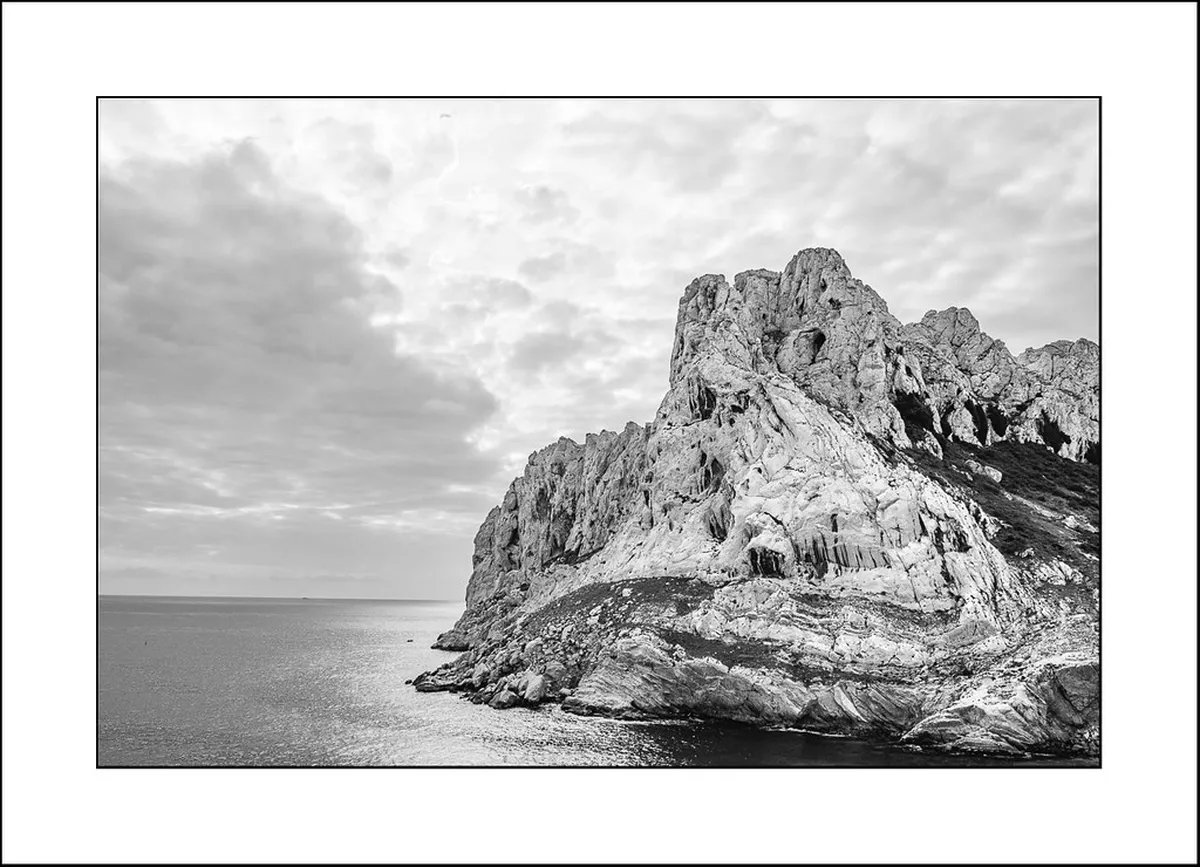
- These dramatic limestone cliffs and turquoise inlets are best seen from the water on a guided excursion.
- Boat tours usually cost between €35 and €65 depending on the duration and the number of stops included.
- A standard tour takes about three to five hours and departs regularly from the Quai des Belges.
- Book your tickets several days in advance if you plan to visit during the busy summer weekends.
- Saint-Victor Abbey and Crypts
- This fortified abbey dates back to the 5th century and holds some of the city's oldest religious artifacts.
- Entry to the main church is free, but the fascinating underground crypts cost about €5 to enter.
- The abbey is open daily from 9am to 7pm and is located near the entrance of the port.
- Visit the nearby Navettes des Accoules bakery afterward for a traditional orange blossom biscuit.
- Cathédrale de la Major
- This massive cathedral features striking green and white striped limestone that mimics the styles of Italian architecture.
- Admission is free for all visitors, and the doors are generally open from 10am to 7pm daily.
- It takes about 45 minutes to walk through the interior and admire the scale of the domes.
- The plaza outside is a perfect spot for photos, especially when the sun begins to set over the Mediterranean.
- Palais Longchamp and Gardens
- Built to celebrate the arrival of water in the city, this monument features a spectacular fountain and colonnade.
- The surrounding park is free to enter, though the fine arts museum inside the wings has a small fee.
- The gardens are open from 8am to 7pm, providing a lush escape from the city's concrete center.
- Look for the old zoo cages in the back of the park which have been converted into art installations.
- Les Docks Village Artistic Break
- This converted warehouse space now houses trendy boutiques, art installations, and unique dining concepts near the waterfront.
- Walking through the themed courtyards is free, and the complex is open daily from 10am to 7pm.
- Spend an hour admiring the architecture which uses blue tiles and wooden elements to represent the sea.
- This is an excellent rainy-day option as the entire shopping and dining area is covered and climate-controlled.
- Day Trip to Aix-en-Provence
- Only 30 minutes away, this elegant town offers a sophisticated contrast to the gritty energy of Marseille.
- A round-trip bus ticket costs about €10, with buses departing every 15 minutes from the Saint-Charles station.
- You should dedicate a full day to wandering the Cours Mirabeau and visiting the local produce markets.
- Check the market schedule before going, as the largest and best markets usually happen on Tuesdays and Saturdays.
- Flamenco Azul Festival 2026
- This annual festival brings world-class dancers and musicians to various venues across the city for two weeks.
- Ticket prices vary by performance but typically range from €15 to €40 for major evening shows.
- Most events take place in April, so check the official 2026 schedule for specific dates and workshop locations.
- Even if you do not dance, the free outdoor demonstrations in the public squares are worth a look.
- Avec le temps Music Festival
- Celebrate contemporary French-language music at this multi-day event featuring both established stars and emerging indie talent.
- Concert tickets generally cost between €20 and €50 depending on the venue and the artist performing.
- The festival usually occurs in March, making it a great reason to visit during the quieter spring season.
- Venues range from intimate clubs to large theaters, giving you a chance to see different parts of the city.
- Candlelight Concerts in Marseille
- Experience classical music in stunning historic locations illuminated entirely by thousands of flickering candles.
- Tickets for these atmospheric performances usually start around €25 and go up based on seating zones.
- You can Add some magic to your evenings with Candlelight concerts by booking through their official platform.
- Arrive at least 30 minutes early because seating is often first-come, first-served within your purchased section.
- Geev Shop Tour Pop-up
- This unique pop-up experience allows you to shop for free items as part of a sustainable circular economy initiative.
- There is no cost to enter or take items, but you are encouraged to bring something to donate.
- Dates for the 2026 tour are specific, so you must follow their social media for the Marseille stop.
- It is a fantastic way to meet locals and find a one-of-a-kind souvenir without spending any money.
- Pastis Tasting at a Local Bar
- No visit to Marseille is complete without trying the iconic anise-flavored liqueur that defines local social life.
- A glass of pastis at a neighborhood bar typically costs between €3 and €6 per serving.
- Most bars serve this daily, but the best time to join the locals is during the late afternoon aperitif.
- Remember to add the chilled water slowly until the clear liquid turns a beautiful cloudy yellow color.
Most of Marseille's headline sights — the Old Port, Le Panier, MuCEM and Notre-Dame de la Garde — sit within a 30-minute walk or one metro ride of each other, so a central base near the Vieux-Port saves the most time.
Is Marseille Worth Visiting in 2026?
Many travelers wonder Is Marseille Worth Visiting? 10 Honest Pros and Cons given its reputation for being a bit rougher than the Riviera. In 2026, the answer is a resounding yes for those who appreciate authentic culture and Mediterranean history. The city has invested heavily in its infrastructure, making it cleaner and safer for international tourists than in previous decades. I have found that the mix of North African influence and French tradition creates a unique atmosphere you won't find elsewhere.
If you are looking for a polished, manicured resort experience, you might prefer Cannes or Nice instead. Marseille is a working port city that prides itself on its diversity and its rebellious, independent spirit. The culinary scene is currently exploding, with young chefs reinventing classic dishes like bouillabaisse in exciting new ways. It remains one of the more affordable major cities in France, offering great value for budget-conscious travelers.
The proximity to the Calanques National Park also makes it a top choice for outdoor enthusiasts and hikers. You can spend the morning in a world-class museum and the afternoon swimming in a secluded limestone cove. This contrast between urban grit and natural beauty is exactly what makes the city so compelling in 2026. Most visitors leave with a deep appreciation for the city's resilience and its sun-drenched, laid-back lifestyle.
What to Skip: Marseille Attractions to Reconsider
While the 'Petit Train' is a common sight, it can often feel cramped and overpriced for the distance covered. You might find more value in walking the Le Panier streets yourself to discover hidden street art at your own pace. The train is helpful for the steep hill to the basilica, but the local bus is much cheaper. I suggest skipping the train if you are physically able to walk or use the efficient public transit.
Be cautious of the restaurants directly on the Vieux Port that display large, laminated picture menus in multiple languages. These spots often serve overpriced, mass-produced food that lacks the quality of true Provencal cooking. You will find better value and more authentic flavors by walking just two blocks inland to the side streets. Local foodies generally avoid the main tourist strip when they want a high-quality meal or fresh seafood.
The main shopping street, Rue Saint-Ferréol, has many of the same global chains you can find in any city. Unless you need a specific big-brand item, your time is better spent in the independent boutiques of the Cours Julien. The Cours Julien area offers a more unique shopping experience with local designers and quirky bookstores. Focusing on local markets will give you a better sense of the city's true character and craftsmanship.
How Many Days in Marseille is Enough?
Deciding How Many Days in Marseille 2026: 3-Day Itinerary Guide depends heavily on whether you plan to use it as a base. A three-day stay is generally the sweet spot for most visitors to see the main sights and the coast. This allows one day for the historic center, one for the museums, and one for the Calanques. I recommend adding an extra day if you want to take a train to nearby towns like Arles or Cassis.
If you are on a tight schedule, you can see the highlights of the Vieux Port and Le Panier in a single day. You will need to start early and use the metro to maximize your time between the distant landmarks. For those with a week or more, the city serves as an excellent gateway to the wider Provence region. Slow down your pace to match the locals, as the midday heat often encourages a long, leisurely lunch.
Consider your interests in art versus nature when planning your specific daily itinerary and travel route. History buffs could easily spend two days just exploring the forts, the abbey, and the archaeological museums. Nature lovers should prioritize the boat tours and hiking trails which require more physical energy and time. Always leave a little room in your schedule for spontaneous discoveries in the city's many vibrant squares.
Practical Tips for Planning Your Marseille Trip
Navigating the city is relatively simple thanks to an integrated system of buses, trams, and two metro lines. I highly recommend downloading the local transport app to check real-time schedules and buy digital tickets. The Marseille City Pass is a great investment if you plan to visit multiple museums and use public transit. Consult our getting around marseille guide for more detailed information on fares and routes.
Safety is a common concern, but most tourist areas are perfectly fine if you exercise standard urban common sense. Keep an eye on your belongings in crowded areas like the Saint-Charles train station and the busy metro stations. Avoid walking alone in poorly lit residential areas late at night, just as you would in any large city. The northern districts are generally not where the main attractions are located, so you likely won't venture there.
English is widely spoken in hotels and major restaurants, but learning a few French phrases will go a long way. A simple 'Bonjour' when entering a shop is considered essential etiquette and will result in much better service. Most shops close on Sundays, so plan your souvenir shopping for earlier in the week to avoid disappointment. In 2026, many attractions still prefer contactless payments, but carrying a small amount of cash is useful for markets.
Frequently Asked Questions
Is Marseille safe for tourists in 2026?
Marseille is generally safe for tourists who stay in the central and coastal districts. Use common sense, keep valuables secure in crowds, and avoid the northern neighborhoods at night. For more details, see our safety guide.
When is the best time to visit Marseille?
The best time to visit is during the shoulder seasons of May-June or September-October. You will enjoy pleasant temperatures and fewer crowds than the sweltering July and August months. Spring is also ideal for attending the local music and dance festivals.
Do I need to book the Calanques in advance?
Yes, you should book boat tours and even some hiking access in advance during the summer. Environmental protections often limit the number of visitors allowed in certain inlets to prevent overcrowding. Checking the official National Park website is essential for 2026 regulations.
Marseille in 2026 is a city that rewards the curious traveler with its deep history and vibrant, modern energy. From the heights of the basilica to the depths of the Calanques, there is a sense of discovery around every corner. I hope this list helps you navigate the best of what this Mediterranean gem has to offer during your visit. Pack your walking shoes, bring your appetite for seafood, and prepare to fall in love with France's oldest city.
Explore More Marseille Guides
Deep-dive guides for every part of a Marseille trip — from where to eat and stay, to museums, markets, the Calanques, and day trips into Provence.
Food & Drink
- Restaurants In Marseille Travel Guide
- Marseille Food And What To Eat Travel Guide
- Places for Bouillabaisse in Marseille
- Tips for a Marseille Food Tour
Markets & Shopping
Sightseeing & Attractions
- Marseille Attractions & Travel Tips
- 13 Unique Things to Do in Marseille
- 12 Things Marseille is Famous For
- Insights
- Marseille Boat Tour and Calanques: 6 Essential Planning Tips
- Château d'If
- Notre-Dame de la Garde
- Calanques National Park (Hiking)
- Marseille Beaches
- Free Things to Do
- Marseille with Kids
Neighborhoods & Where to Stay
Itineraries & Planning
- Is Marseille Worth Visiting? 10 Honest Pros and Cons
- Marseille Cruise Port Things To Do Travel Guide
- How Many Days in Marseille 2026
- Things to See in Marseille in One Day
- Best Time to Visit Marseille in 2026
- Marseille 3 Day Itinerary 2026
- Marseille 2-Day Itinerary
Practical & Getting Around
- Getting Around Marseille
- Bars and Marseille Nightlife Guide
- Is Marseille Safe? 8 Essential Crime and Safety Tips for Travelers
- Marseille Airport Guide
Day Trips
Free guide: France's Hidden Gems
12 under-the-radar places across Provence, Alsace & Occitanie — with the best season to visit each and a local tip you won't find in the guidebooks.
You might also like


Continue reading
More guides you'll find useful


