6 Best Neighborhoods: Where To Stay In Marseille (2026)
Discover where to stay in Marseille with our guide to the 6 best neighborhoods. Includes top hotel picks, local vibes, and practical tips for a perfect stay.
On this page
6 Best Neighborhoods: Where To Stay In Marseille
After my third visit to the Mediterranean coast, I realized that deciding where to stay in Marseille best neighborhoods depends entirely on your pace. The city is a complex puzzle of hilly streets, salty sea air, and vibrant North African influences that can feel overwhelming at first. Last refreshed October 2025 for your 2026 adventures, this guide simplifies the search by highlighting areas that offer safety, charm, and convenience.
Marseille is no longer the gritty port city of the past, but it still maintains a raw and authentic edge that travelers love. Whether you want the luxury of a harbor view or the quiet of a hidden fishing village, each district has a distinct personality. Understanding the layout of the city will help you avoid common mistakes, like booking a remote hotel that requires long bus rides.
Finding the right base is the first step toward deciding Is Marseille Worth Visiting? 10 Honest Pros and Cons for your specific travel style. I have personally walked these streets to find the best spots for families, couples, and solo explorers alike. Let's dive into the six neighborhoods that offer the best balance of atmosphere and accessibility for your next French getaway.
Free guide: France's Hidden Gems
12 under-the-radar places across Provence, Alsace & Occitanie — with the best season to visit each and a local tip you won't find in the guidebooks.
6 Best Neighborhoods: Where to Stay in Marseille
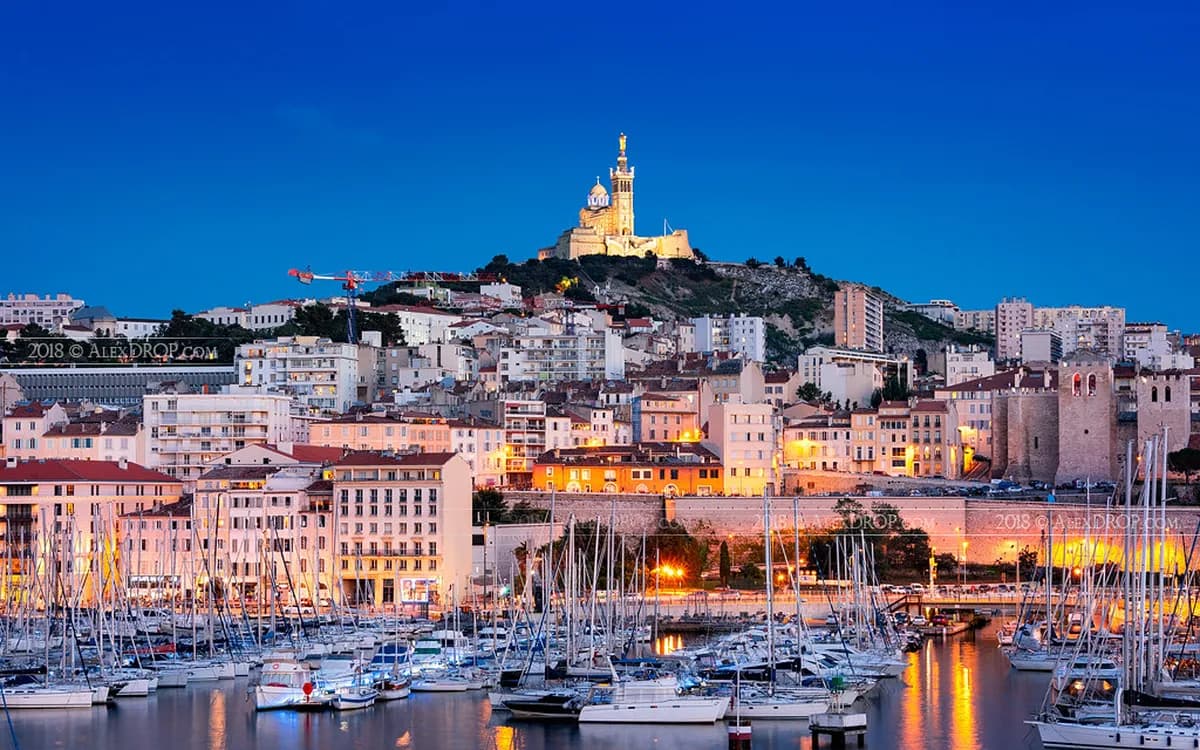
The geographic heart of the city remains the harbor, where the daily fish market sets the tone for local life. Centuries of maritime history have shaped these districts, making them the most popular choices for first-time visitors. Choosing a central location allows you to easily reach top things to do without relying heavily on taxis.
Staying in the right area also impacts how much of the city you can realistically see in a short trip. Marseille is quite spread out, so proximity to the metro or the ferry terminal is a significant advantage for most travelers. Each of the following six areas offers a unique perspective on the city's diverse culture and stunning coastal scenery.
While the city has improved its infrastructure, some neighborhoods remain more walkable than others due to the steep limestone hills. I recommend prioritizing areas with good lighting and active street life if you plan to explore late into the evening. The following list breaks down the best zones based on my local observations and frequent return trips to the region.
- Vieux Port de Marseille
- This central harbor offers the most iconic views and immediate access to the city's best boat tours.
- Expect to pay $120 to $250 per night for a mid-range room with a harbor view.
- Most hotels here are open year-round with peak pricing during the summer months of July and August.
- Walk five minutes from the metro to reach the main hotel strip along the northern quay.
- Book a room on a higher floor to minimize noise from the lively bars below.
- Le Panier District
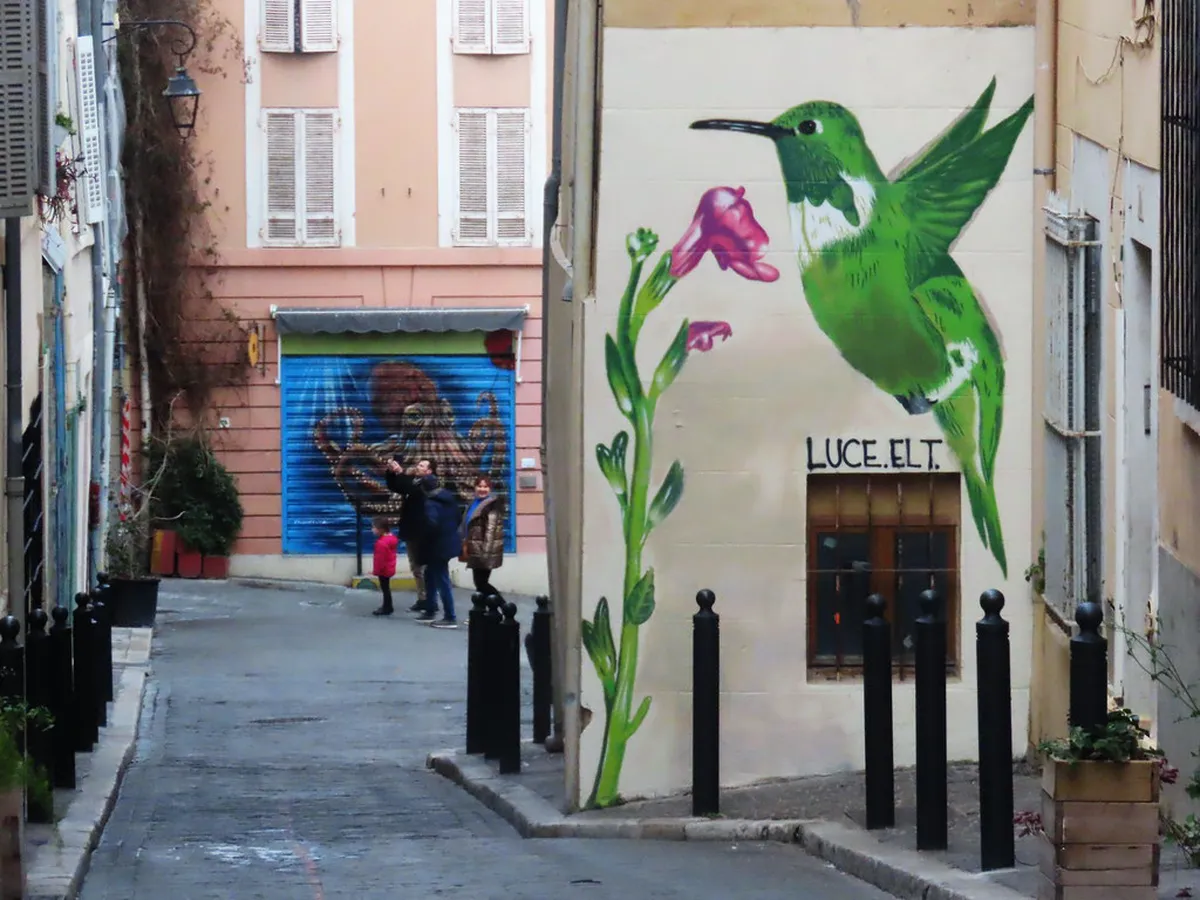
- The oldest quarter of the city features narrow alleys, colorful murals, and a village-like atmosphere perfect for photography.
- Boutique rentals and small guesthouses typically range from $90 to $180 per night in this historic zone.
- Artisan shops and small cafes generally operate from 10am to 7pm, though restaurants stay open later.
- Reach this area by walking uphill from the Vieux Port or taking the tramway to Sadi Carnot.
- Wear comfortable shoes because the cobblestone streets are steep and can be slippery when it rains.
- La Corniche Kennedy
- This scenic coastal road provides stunning Mediterranean vistas and access to upscale seaside villas and beach clubs.
- Luxury stays and high-end hotels here often cost between $250 and $600 per night during the high season.
- Many hotels offer private pool access and are open from April through October for the summer crowds.
- The number 83 bus runs frequently along the coast, connecting these seaside retreats to the city center.
- Be aware that the Mistral wind can make balconies quite chilly even on sunny afternoons.
- Cours Julien Arts District
- Known as the creative soul of the city, this hilltop neighborhood is famous for street art and independent boutiques.
- Budget-friendly hostels and trendy apartments cost between $70 and $140 per night for most travelers.
- The central square comes alive in the evenings with bars and music venues open until 2am.
- Take the metro line 2 to Notre-Dame-du-Mont for the easiest access to the main plaza.
- Visit on a Wednesday morning to experience the local organic market and vibrant community spirit.
- Les Réformés and La Canebière
- This bustling area offers a mix of grand 19th-century architecture and very affordable accommodation options.
- Standard hotel rooms usually range from $65 to $110, making it ideal for budget-conscious travelers.
- Most businesses here stay open daily, though some smaller shops close on Sunday afternoons.
- The neighborhood is perfectly situated within walking distance of the Saint-Charles main train station.
- Look for hotels near the top of the boulevard to enjoy quieter nights away from the main traffic.
- Vallon des Auffes
- This traditional fishing port feels like a separate village tucked away under a massive stone bridge.
- Exclusive rentals and small hotels in this tiny cove cost between $180 and $350 per night.
- The few restaurants here are world-famous and often require reservations several weeks in advance.
- Access this hidden gem by taking bus 83 or walking twenty minutes south from the Pharo Palace.
- Arrive just before sunset to see the local fishermen returning with their daily catch.
The Vieux-Port and Le Panier put you within walking distance of most sights; budget travellers often prefer the area around Saint-Charles station for cheaper rooms and direct transport.
Museums, Art, and Culture in Le Panier
Walking through the narrow streets of Le Panier feels like stepping back into a different century. This district serves as the cultural anchor of the city, housing several significant art galleries and historical landmarks. Using a guide to Le Panier will help you find the hidden squares that most tourists miss.
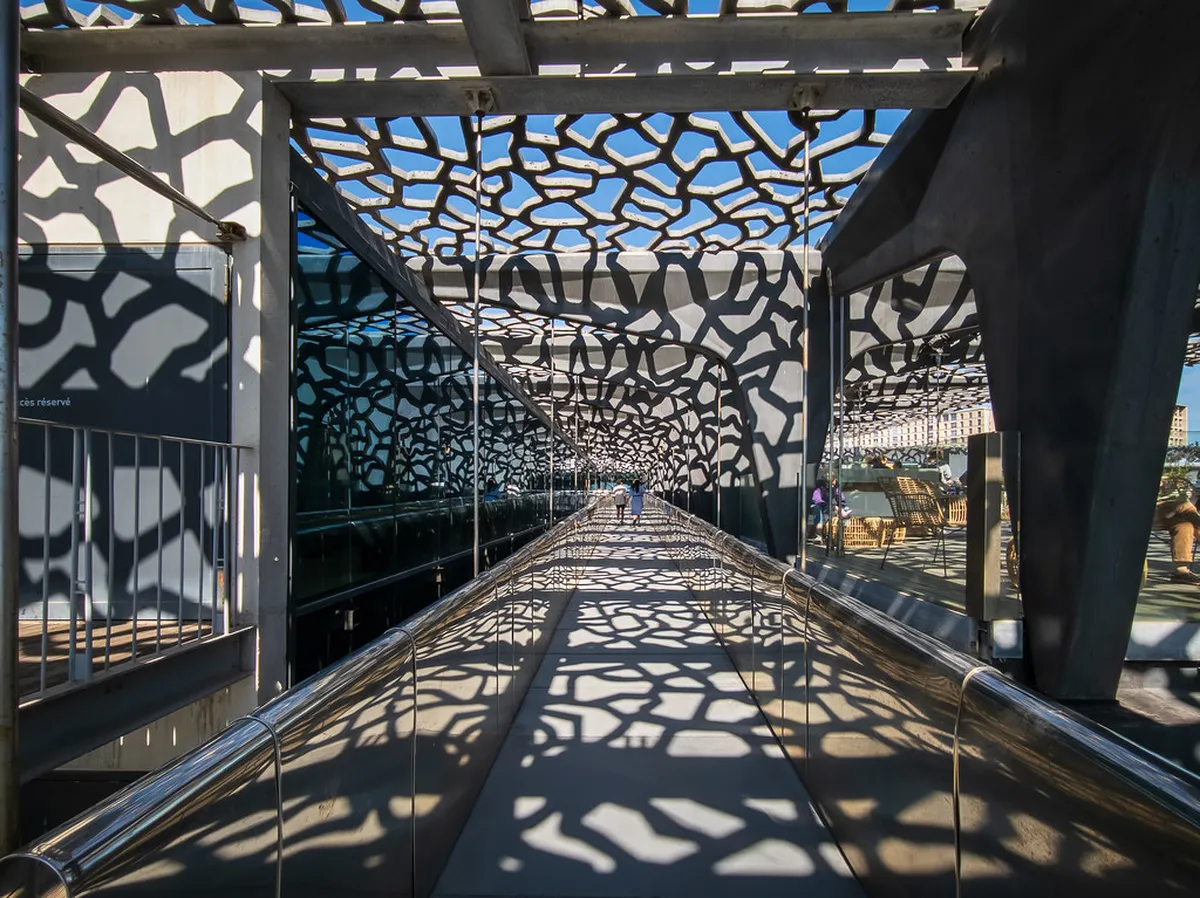
The neighborhood is conveniently located next to the modern Mucem museum and the historic Fort Saint-Jean. Visitors can spend an entire day hopping between outdoor art installations and quiet terrace cafes. I found that the best time to explore is early morning before the cruise ship crowds arrive at the port.
For those staying here, the proximity to the water provides a constant cooling breeze during the hot summer months. Many of the local buildings have been restored, offering a blend of ancient stone walls and modern interior comforts. Local shops often sell traditional Marseille soap, which makes for an excellent and authentic souvenir.
Parks, Gardens, and Outdoor Spots in La Corniche
The La Corniche district is the best choice for travelers who prioritize nature and sea views over urban grit. Stretching along the coast, this area features some of the Best Beaches in France tucked into rocky inlets. Staying here allows you to start your morning with a jog along the Mediterranean before the city wakes up.
One major factor to consider when booking here is the impact of the Mistral wind on your daily plans. These powerful gusts can make outdoor dining difficult, but they also clear the air for incredibly sharp, blue horizons. The Parc Valmer offers a lush green escape with panoramic views that are free for the public to enjoy.
If you choose a hotel like the Tuba Club, keep in mind that it is stunning but quite remote from the center. You will likely need to rely on the local bus system or private cars to reach the main shopping districts. The trade-off is a level of tranquility and beauty that you simply cannot find in the busier port areas.
Family-Friendly and Budget-Friendly Options in Les Réformés
Families often find that the area around Les Réformés provides the best value for larger groups and longer stays. The streets are wider here, and the proximity to the Longchamp Palace gardens offers plenty of space for children to run. You can find many apartment-style rentals that include kitchens, helping to save money on daily dining costs.
Architecture enthusiasts should consider a stay near the famous Hôtel Le Corbusier, which is a masterpiece of modernist design. While it is a bit further from the harbor, the building itself is a destination that offers a unique living experience. The surrounding neighborhood is residential and quiet, providing a glimpse into the everyday life of local families.
Safety is a common concern, so I recommend checking a safety and local crime guide before picking a specific street. Generally, the area near the top of La Canebière is well-lit and feels secure for evening walks to nearby brasseries. Prices here remain stable throughout the year, offering a reliable option for those traveling outside of the peak summer season.
How to Plan a Smooth Marseille Neighborhood Stay
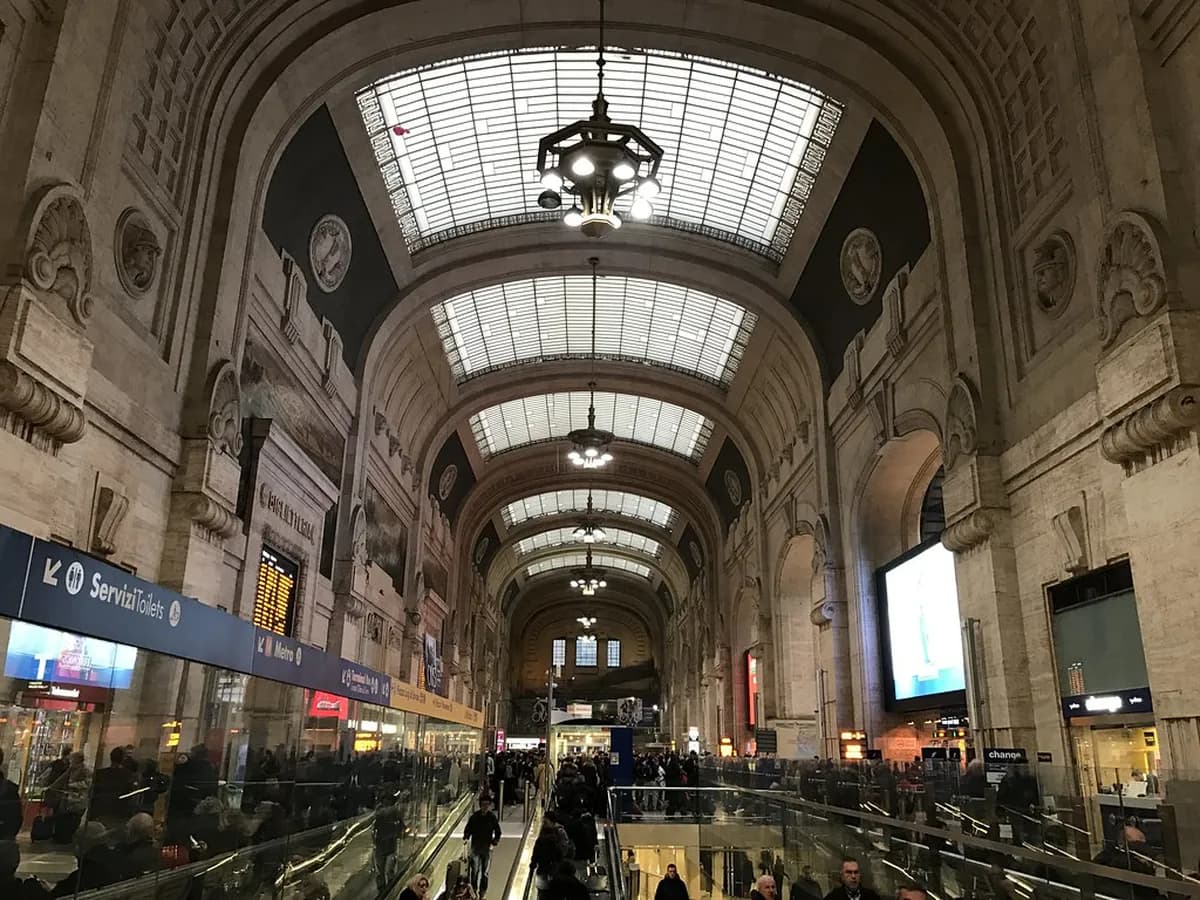
Navigating the city requires a bit of strategy, especially when moving between the train station and your chosen hotel. The Saint-Charles station is the main arrival point, but I suggest taking a short taxi or metro ride to the port immediately. Staying directly next to the station can be convenient for early trains, but the area often feels underwhelming and lacks charm.
The local topography is surprisingly steep, so always check the elevation of your hotel on a map before booking. Using the metro and public transport is the most efficient way to bypass the hilly terrain. I recommend purchasing a multi-day transport pass at the station to save time and money during your stay.
When deciding on the ideal time to visit, consider that spring and autumn offer the best walking weather. Summer heat can make the uphill climbs in Le Panier quite exhausting for those not used to the Mediterranean climate. Always carry a reusable water bottle, as the city has many public fountains with clean, drinkable water.
The Marseille Address Book: Curated Hotel Picks
For a classic experience, the New Hotel Le Quai offers a perfect balance of comfort and location. It sits directly on the harbor, making it easy to follow a three-day Marseille itinerary without wasting time on transit. The rooms are modern, though the street-facing balconies can be noisy during the lively weekend nights.
If you prefer a local vibe, look for small guesthouses near the Café de l'Abbaye for sunset views and cold drinks. Dining at Trattoria Monticelli provides a wonderful break from the tourist traps found along the main quay. These spots are favorites among locals and offer a more authentic taste of the city's culinary scene.
Remember that Marseille is famous for its diversity, so don't be afraid to try different areas on repeat visits. Learning 12 Things Marseille is Famous For: A Local’s Guide will help you appreciate the unique quirks of each neighborhood you visit. Regardless of where you stay, the city's energy and Mediterranean light are sure to leave a lasting impression.
Frequently Asked Questions
Which Marseille neighborhood is best for first-time visitors?
The Vieux Port is the best area for first-time visitors because it is central and highly walkable. You will have immediate access to major sights, boat tours, and the main metro lines. Most hotels here offer stunning harbor views and a lively atmosphere.
Is Marseille safe for tourists to stay in?
Marseille is generally safe for tourists, especially in central areas like the Vieux Port and Le Panier. Visitors should exercise standard urban caution and avoid poorly lit streets near the train station at night. Staying in active, well-populated neighborhoods ensures a secure experience.
What is the most walkable area in Marseille?
Le Panier and the Vieux Port are the most walkable districts due to their density and pedestrian-friendly zones. While Le Panier has steep hills, the distances between attractions are very short. Most major landmarks are within a twenty-minute walk of the central harbor.
Choosing where to stay in Marseille best neighborhoods is the foundation of a successful trip to this vibrant port city. From the historic charm of Le Panier to the coastal beauty of La Corniche, there is a perfect spot for every type of traveler. By considering factors like walkability, budget, and local vibes, you can ensure your stay is both comfortable and memorable.
I encourage you to step outside the typical tourist zones and explore the creative energy of neighborhoods like Cours Julien. Marseille is a city that rewards the curious explorer with hidden coves, stunning street art, and world-class seafood. Pack your walking shoes and prepare to fall in love with the raw, authentic spirit of France's oldest city.
Free guide: France's Hidden Gems
12 under-the-radar places across Provence, Alsace & Occitanie — with the best season to visit each and a local tip you won't find in the guidebooks.
You might also like


Continue reading
More guides you'll find useful