
Getting Around Marseille: Complete Metro and Transport Guide
Complete guide to getting around Marseille: metro, tram, and bus routes, ticket prices, airport transfers, and practical travel tips for 2026.
On this page
Getting Around Marseille: Complete Metro and Transport Guide
Marseille offers a complex but rewarding transport system that connects the historic port to the modern outskirts of the city. Navigating this Mediterranean hub requires a basic understanding of the metro, tram, and extensive bus networks. Visitors often find that a well-planned transport strategy saves both time and money during their stay.
The city's transit is managed by the RTM and provides reliable access to major landmarks and scenic coastal spots. Whether you are arriving by train or plane, knowing the best routes will help you settle into the local rhythm. Using this getting around marseille metro and transport guide ensures you avoid common pitfalls like missing the last train.
This guide covers everything from ticket prices to the seasonal maritime shuttles that cruise along the stunning shoreline. Planning your daily movements ahead of time allows you to focus more on the vibrant culture and history. Having the right information makes exploring the diverse neighborhoods of this ancient port city a seamless experience.
Free guide: France's Hidden Gems
12 under-the-radar places across Provence, Alsace & Occitanie — with the best season to visit each and a local tip you won't find in the guidebooks.
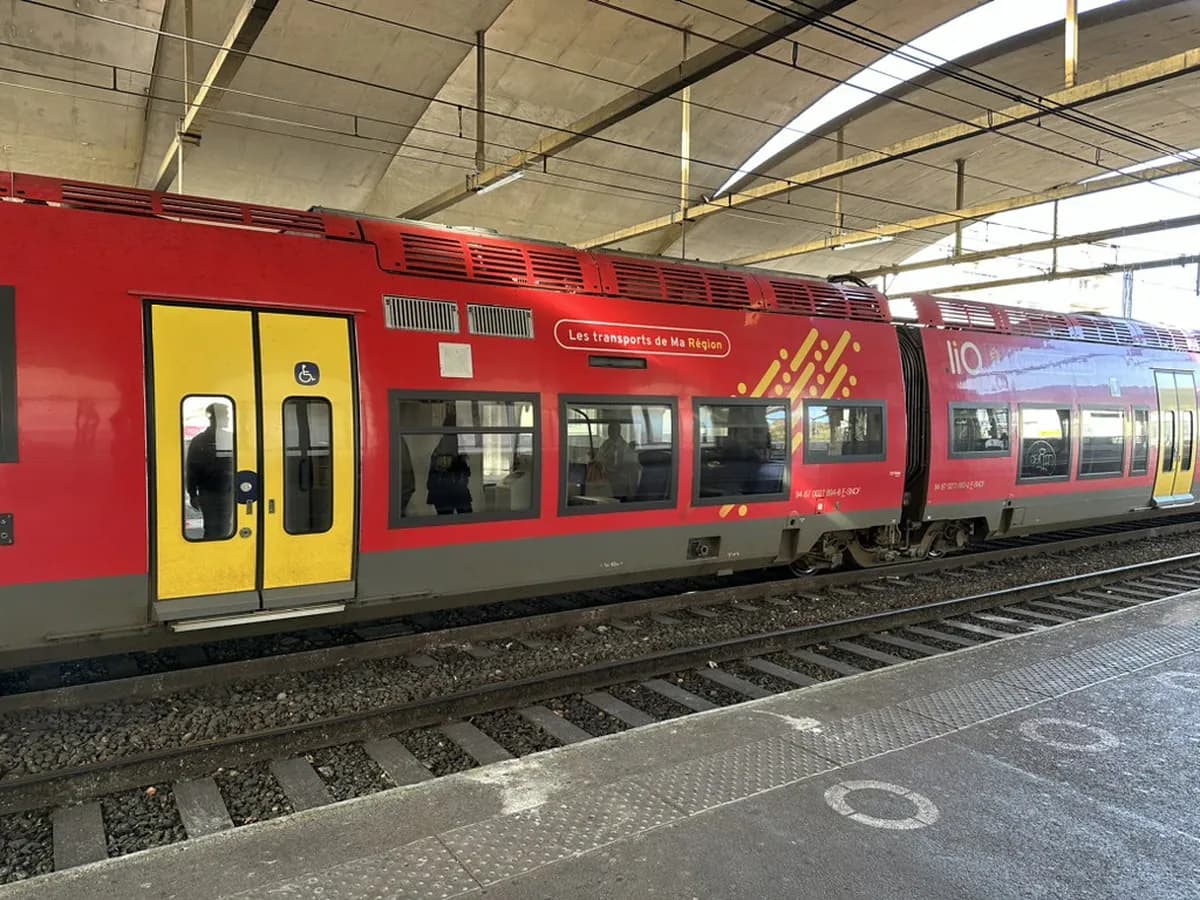
Arriving in Marseille: Airport and Train Station Transfers
Most travelers begin their journey at either the Marseille Provence Airport or the central Saint-Charles train station. The airport sits about 27 kilometers from the city center and offers a dedicated shuttle bus service. Buses depart every 10 to 15 minutes and deliver passengers directly to the heart of the transit network.
The Saint-Charles station serves as the primary hub for those arriving via SNCF Connect high-speed trains. You will find the luggage storage facility, known as the 'Consigne', located conveniently near the Starbucks inside the station. Many visitors choose where to stay in Marseille based on proximity to this vital transportation junction.
Taxis and ride-sharing services are readily available outside the main station exits throughout the day and night. Be prepared for an energetic driving style that is characteristic of the local Mediterranean traffic culture. Walking from the station to the Old Port takes about 15 minutes but involves several steep stairs.
Confirming your arrival logistics before landing helps reduce stress and ensures you reach your hotel without unnecessary delays. Check the latest shuttle schedules online to account for any seasonal changes in frequency or operating hours. Reliable transport links make the transition from the airport to the city streets both quick and affordable.
- Quick Transport Summary
- Metro: Fastest for long distances
- Tram: Best for central sightseeing
- Bus: Widest neighborhood coverage
- Shuttle: Direct airport connection
A single RTM ticket covers metro, tram and bus for 60 minutes of transfers; if you plan three or more rides in a day, the day pass quickly pays for itself.
The Marseille Metro (M1 & M2): Fast and Efficient
The Marseille metro system consists of two main lines, M1 and M2, which intersect at two major stations. Line M1, colored blue, runs from the eastern suburbs through the center toward the northern districts. Line M2, colored red, connects the northern areas to the southern residential and business zones.
Metro stations are generally clean and easy to navigate with clear signage in both French and English. Trains run frequently during peak hours, usually arriving every four to six minutes at most central stops. You can use the M1 line to reach the 9 Essential Insights: Marseille Museums and MuCEM Guide locations near the waterfront.
Service typically starts around 5:00 AM and concludes at approximately 1:00 AM every night of the week. Safety is generally good, but travelers should remain aware of their belongings in crowded carriages during rush hour. Most stations now feature automated gates that require a valid ticket or pass for entry and exit.
The metro remains the most efficient way to cross large sections of the city without facing surface traffic. It serves as the backbone of the transit network and connects perfectly with the tram and bus lines. Consulting a metro map at the station entrance helps you identify the correct direction for your destination.
Marseille Tramway: Connecting Central Districts
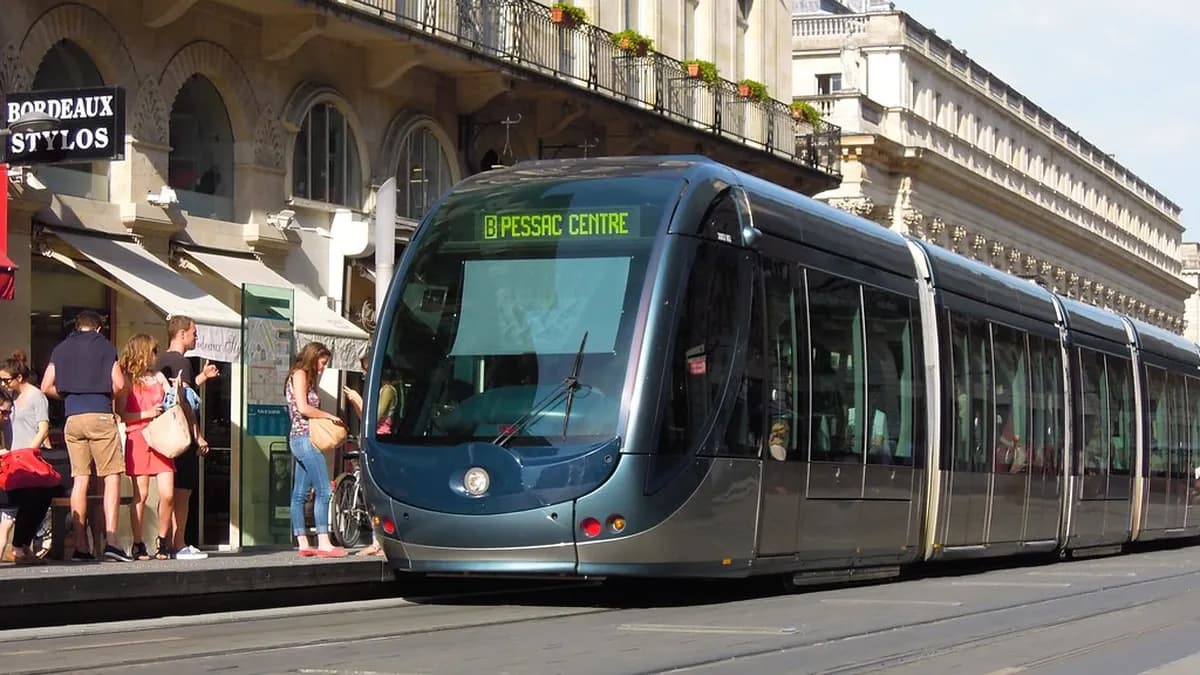
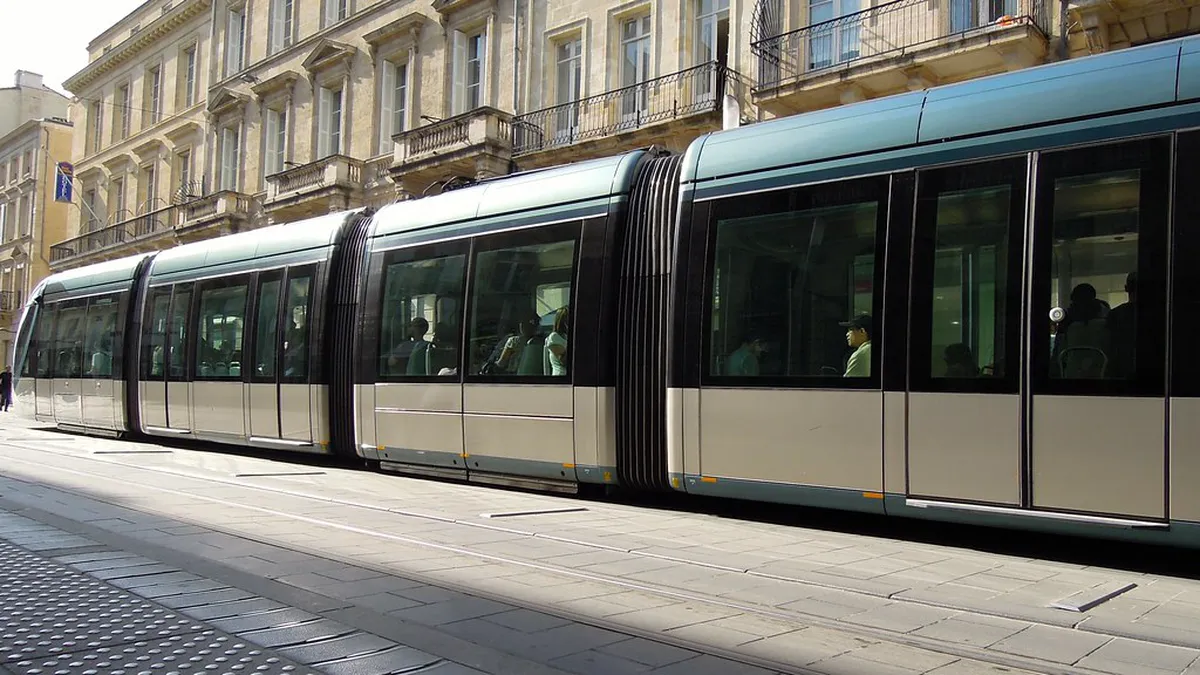
The tramway network offers a scenic and modern way to traverse the bustling streets of the city center. Three lines, T1, T2, and T3, provide smooth transit through major shopping areas and historic neighborhoods. Trams are especially useful for reaching destinations that are slightly too far to walk but too close for the metro.
The T2 and T3 lines converge at the Canebière, which is the most famous boulevard in the city. Riding the tram allows you to see the architecture and local life through large, panoramic windows. Vehicles are air-conditioned and offer level boarding, making them highly accessible for travelers with limited mobility.
Frequency is high during the day, with trams appearing every five to ten minutes at most central platforms. Always remember to validate your ticket at the yellow machines located on the platforms before boarding the vehicle. The tram system integrates perfectly with the metro at hubs like Saint-Charles and Castellane for easy transfers.
Using the tram is often faster than the bus because the tracks are separated from regular car traffic. It provides a reliable alternative for getting around the dense urban core during busy afternoon hours. Many locals prefer the tram for its punctuality and the pleasant atmosphere within the modern carriages.
The RTM Bus Network: The Most Extensive Coverage
Marseille's bus network is vast, covering neighborhoods that the metro and tram lines cannot reach. Over 80 different lines weave through the city, reaching high into the hills and along the coast. Taking the bus is often necessary for those visiting the Marseille Cruise Port Things To Do Travel Guide or the southern beaches.
Buses can be subject to traffic delays, so it is wise to leave extra time for your journey. The Fluobus service operates after the metro closes, providing essential night transport on key urban routes. You should download the RTM mobile app to access real-time arrival data and plan your connections accurately.
Drivers do not always sell tickets on board, so purchasing your fare at a station machine is recommended. Signal clearly to the driver when you see your bus approaching to ensure the vehicle stops for you. Press the red 'Stop' buttons inside the bus well in advance of your desired destination to alert the driver.
The bus system offers a unique perspective on the city's diverse residential areas and local markets. While it may feel chaotic at times, it remains the only way to access certain scenic viewpoints. Be aware that bus frequency can drop significantly on Sundays and during public holidays.
Maritime Shuttles and Ferry Boats: Coastal Travel
The maritime shuttles, or 'Navettes', offer one of the most beautiful transport experiences in the Mediterranean. These boats operate seasonally from March to September, connecting the Old Port to Estaque and Pointe Rouge. Taking a boat allows you to skip the heavy coastal traffic while enjoying stunning views of the sea.
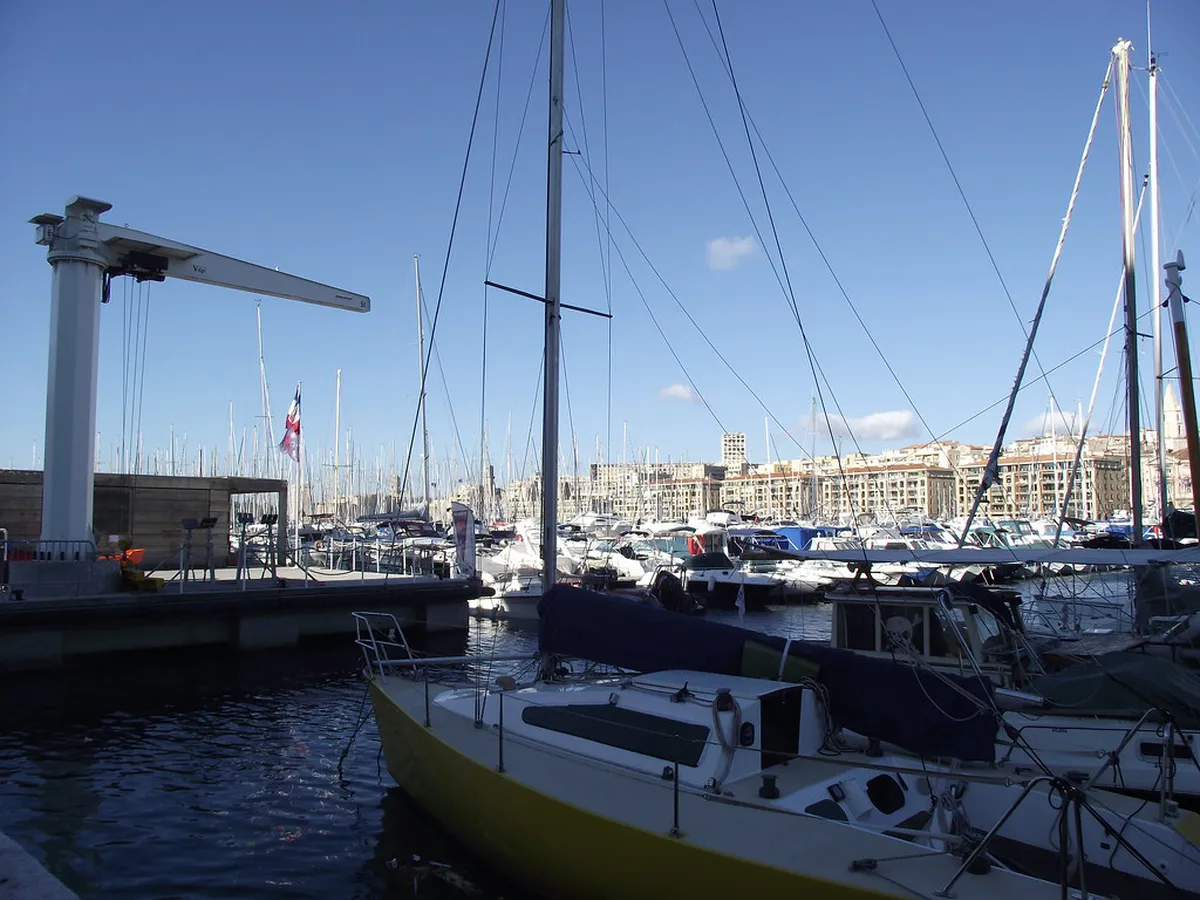
The legendary Ferry Boat also crosses the Old Port every few minutes throughout the day. This short crossing is a historic tradition and provides a quick link between the two sides of the harbor. You can also find connections for a Marseille Boat Tour and Calanques: 6 Essential Planning Tips nearby for further exploration.
Tickets for the maritime shuttles can be purchased directly at the docks or used with certain RTM passes. Schedules are highly dependent on weather conditions and may be canceled during periods of high winds. Check the daily status on the official RTM website before heading to the port to avoid disappointment.
The sea breeze and the perspective from the water make these shuttles a favorite for tourists and locals alike. Arriving at the Pointe Rouge beach by boat feels like a mini-vacation within your city trip. Always carry a light jacket as the temperature on the water can be cooler than on land.
RTM Tickets, Fares, and the Marseille City Pass
Understanding the ticketing system is essential for a smooth experience on all RTM transport modes. A single journey ticket costs 1.70€ and is valid for one hour of unlimited transfers across the network. Consult the RTM Official Site for the most current pricing and special group fare options.
First-time users should note the 0.10€ fee for the reloadable 'Transpass' card at the vending machines. Keep this card and top it up with additional trips to avoid paying the fee multiple times. The 24-hour and 72-hour XL passes offer excellent value for those planning frequent daily travel.
The Marseille City Pass is another popular option that includes transport and entry to several top attractions. It covers the metro, tram, and bus, making it a convenient 'all-in-one' solution for active sightseers. You can buy these passes at the Tourist Office or at major transport hubs throughout the city.
Machines at the stations accept both cash and credit cards for your convenience. Always ensure your ticket is properly validated to avoid the risk of heavy fines from transit inspectors. Children under the age of six can usually travel for free when accompanied by a paying adult.
Practical Transport Tips for Marseille Tourists
Validation is the most important rule to remember when using any form of public transport in Marseille. You must scan your ticket every time you board a new vehicle, even if your hour is not up. Inspectors frequently check for valid tickets and they rarely show leniency toward confused tourists.
While the city is generally safe, it is helpful to read an Is Marseille Safe? 8 Essential Crime and Safety Tips for Travelers for peace of mind. Keep a close eye on your phone and wallet in crowded metro cars or busy bus stops. Avoid using the metro very late at night if you are traveling alone in unfamiliar areas.
Strikes can occasionally disrupt the transport network, so checking local news is a smart habit. The RTM app provides alerts regarding delays or temporary station closures that might affect your plans. Most central stations offer free Wi-Fi, which can be useful for checking maps while on the move.
Local commuters often move quickly, so try to stand to the right on escalators to let others pass. Being polite and aware of your surroundings helps you blend in with the local population. Prepare your route in advance to minimize the time spent looking at your phone in busy public spaces.
Alternative Ways of Getting Around Marseille
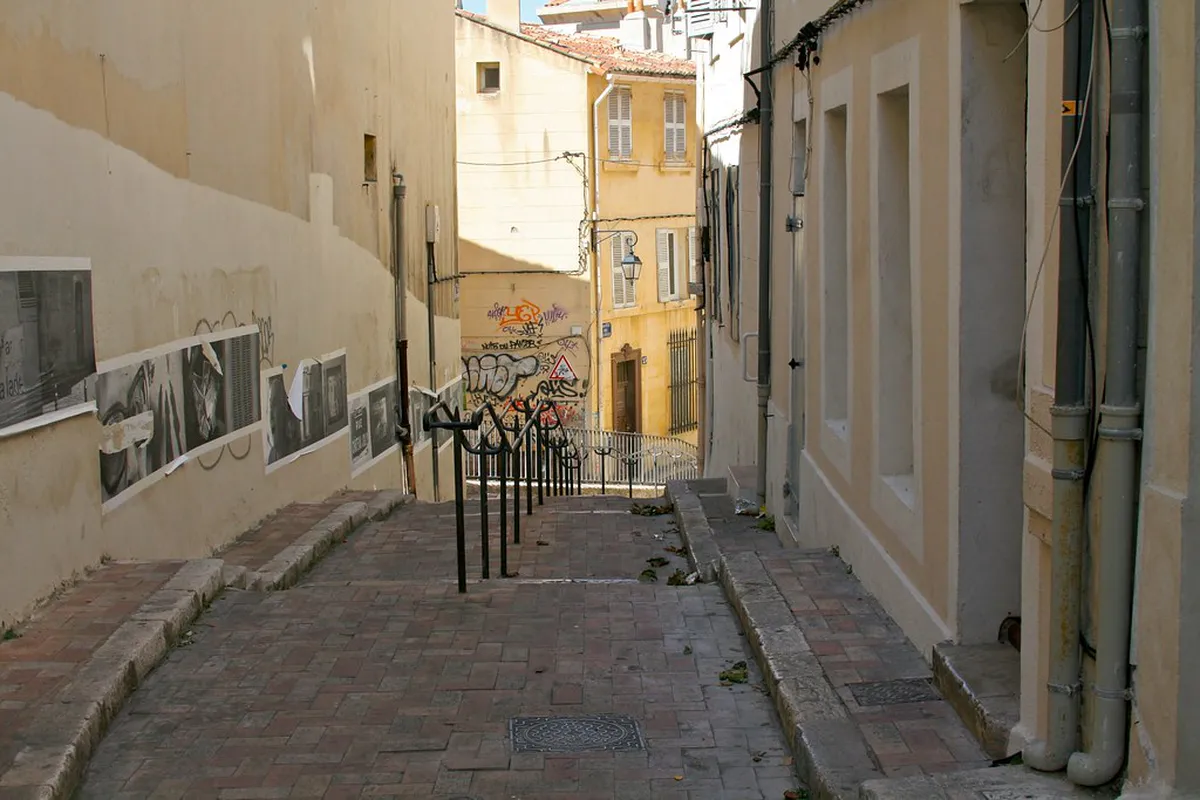
Walking is often the best way to explore the narrow, historic streets of the Le Panier district. The city center is relatively compact, allowing you to reach many major sites on foot within 20 minutes. Wear comfortable shoes as the limestone pavement can be uneven and slippery in some older areas.
For those who prefer cycling, the 'Le Vélo' bike-sharing system offers hundreds of stations across the city. You can rent a bike for a small fee and enjoy the dedicated lanes along the scenic Corniche Kennedy. Biking provides a healthy and eco-friendly way to see the coastline at your own relaxed pace.
Taxis are a reliable option for late-night travel or when you have heavy luggage to transport. You can find official ranks at major squares or use the DataSud Taxi Stations map to locate one. Ride-sharing apps also operate in the city and can be a convenient alternative to traditional taxi services.
The hop-on hop-off tourist bus is ideal for those with limited time who want to see everything quickly. It follows a set route that stops at all the major landmarks and provides helpful audio commentary. Choosing the right transport method depends on your personal schedule, budget, and desired level of comfort.
Frequently Asked Questions
Is the Marseille metro safe for tourists at night?
The metro is generally safe until it closes at 1:00 AM, but you should stay alert in quiet stations. Stick to well-lit areas and keep your valuables secure. For more details on city safety, see our 15 Best Things to Do in Marseille guide. Using the Fluobus is a safe alternative after hours.
How do I get from Marseille Airport to the city center?
The most efficient way is the Lebus+ 91 shuttle, which runs every 10-15 minutes to Saint-Charles station. The journey takes about 30 minutes depending on traffic. Tickets can be bought at the airport desk or online. Taxis and ride-shares are also available but cost significantly more than the bus.
Does the Marseille City Pass include all public transport?
Yes, the Marseille City Pass includes unlimited access to the metro, tram, and bus networks for its duration. It also covers the ferry boat crossing and the seasonal maritime shuttles. This pass is an excellent value for tourists planning to visit museums and use transit daily. It simplifies the ticketing process for visitors.
Can I buy RTM tickets on the bus?
You can sometimes buy a single ticket from the driver, but it is more expensive and requires exact change. It is much better to purchase tickets at metro or tram station machines beforehand. These machines accept cards and provide reloadable options. This approach ensures you always have a valid fare before boarding.
How much does a 24-hour transport pass cost in Marseille?
A 24-hour XL pass currently costs around 5.20€ and offers unlimited travel on all RTM modes. This is a very cost-effective choice if you plan to take more than three trips in one day. Remember that you still need to pay the small 0.10€ fee for the reloadable card. It is valid from the first validation.
Mastering the Marseille transport system is the key to a successful and stress-free Mediterranean holiday. From the efficient metro lines to the scenic maritime shuttles, the city offers diverse ways to explore its many wonders. Using this getting around marseille metro and transport guide will help you navigate like a confident local.
Always remember to validate your tickets and keep an eye on the seasonal schedules for the best experience. With a little planning, you can easily reach every corner of this historic and vibrant French port. Enjoy your journey through the sun-drenched streets and beautiful coastal paths of Marseille.
Pair this with our broader things to do in Marseille guide for the full city overview.
Free guide: France's Hidden Gems
12 under-the-radar places across Provence, Alsace & Occitanie — with the best season to visit each and a local tip you won't find in the guidebooks.
You might also like


Continue reading
More guides you'll find useful


