13 Unique Things to Do in Marseille: A Local’s Guide (2026)
Discover the best unique things to do in Marseille, from the street art of Cours Julien to the hidden Calanques. Includes 2026 safety tips and food picks.
On this page
13 Unique Things to Do in Marseille
I have returned to Marseille three times over the last five years, and each visit reveals a new layer of its rebellious soul. France's second-largest city often gets a bad reputation, but those who look closer find a vibrant, salty, and deeply authentic Mediterranean hub. Whether you are here for the grit of the street art or the turquoise waters of the coast, this city never fails to surprise.
This guide was last refreshed in February 2026 to reflect the latest reservation rules for the national park and new culinary hotspots. Marseille is currently undergoing a massive cultural shift, blending its ancient maritime history with a modern, creative energy that feels entirely unique. You will find that the city rewards the curious traveler who is willing to step away from the polished boulevards of Paris.
Many first-time visitors wonder Is Marseille Worth Visiting? 10 Honest Pros and Cons given its rough-around-the-edges character. The answer is a resounding yes, provided you know which neighborhoods to explore and which tourist traps to avoid. From the historic heights of Le Panier to the hidden fishing huts of Vallon des Auffes, here are the most essential experiences.
Free guide: France's Hidden Gems
12 under-the-radar places across Provence, Alsace & Occitanie — with the best season to visit each and a local tip you won't find in the guidebooks.
13 Unique Things to Do in Marseille (2026)
The following list captures the essential spirit of Marseille, balancing iconic landmarks with the quiet corners locals love. I have grouped these by their character, moving from the historic center out toward the rugged Mediterranean coastline. Expect a mix of salty sea air, aromatic spices, and some of the most striking architecture in southern Europe.
Planning your route is vital because Marseille is surprisingly spread out and quite hilly in the older districts. Most of these sites are accessible via public transit, but a few coastal gems require a bit more effort or a boat ride. Keep in mind that many museums offer free entry on the first Sunday of every month, though crowds will be significantly higher.
Before you set out, remember that Marseille operates at its own pace, especially during the hot summer afternoons. Many smaller boutiques and local shops in Le Panier close for a few hours mid-day. Embrace the slow rhythm, grab a pastis at a sidewalk cafe, and let the city's chaotic charm wash over you.
- MUCEM and Fort Saint Jean
- This stunning museum of Mediterranean cultures connects a modern latticed cube to a historic 17th-century fort via a high pedestrian bridge.
- Expect to pay around €11 for exhibitions, though the exterior walkways and the fort grounds are free to explore daily.
- The museum typically opens from 10am to 6pm, but it is closed on Tuesdays throughout the year.
- Walk across the bridge at sunset for a panoramic view of the harbor that most tourists miss while inside.
- Le Panier Historic District
- Marseille’s oldest neighborhood is a labyrinth of narrow alleys, pastel-colored houses, and vibrant flowering plants hanging from balconies.
- It is entirely free to wander this area, which sits just north of the Old Port and feels like a village.
- Local artisans sell handmade crafts and olive oil soaps here throughout the day, usually starting around 10am.
- Look for the hidden Place des Pistoles for a quiet coffee away from the main tourist thoroughfares.
- Cours Julien Street Art Hub
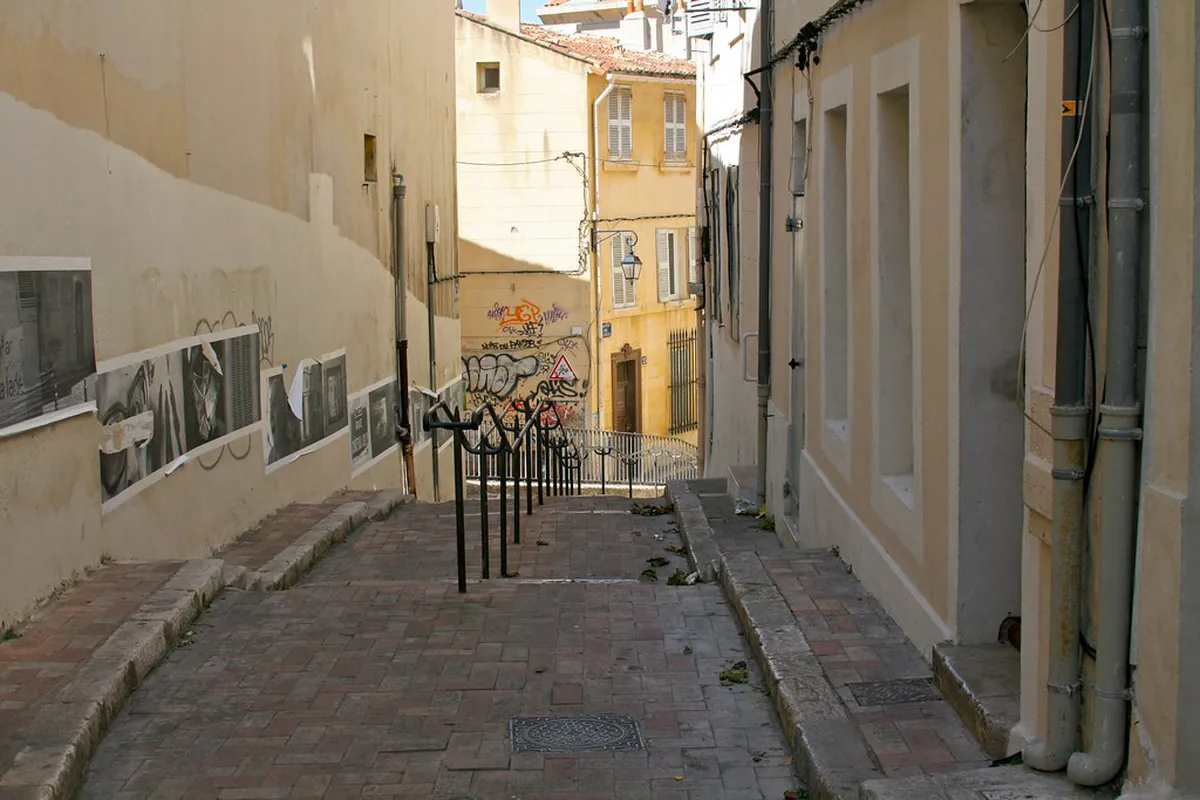
- This creative hilltop district is the heart of the city's alternative scene, covered in world-class graffiti and independent murals.
- The area is free to visit and comes alive in the late afternoon when the terraces fill with locals.
- Dozens of vintage shops and comic book stores line the streets, generally opening after 11am daily.
- Check the staircases leading down to the metro for the most intricate and frequently changing street art pieces.
- The Regenerated Vieux-Port (Old Port)
- The beating heart of the city features a daily fish market and a massive mirrored sunshade designed by Norman Foster.
- Walking the docks is free, and the fish market usually wraps up by 1pm every morning.
- This area is the primary hub for ferries and the famous 'ferry boat' that crosses the harbor for a small fee.
- Stand under the mirrored pavilion for a disorienting and fun photo of the harbor reflected above your head.
- Basilica of Notre-Dame de la Garde
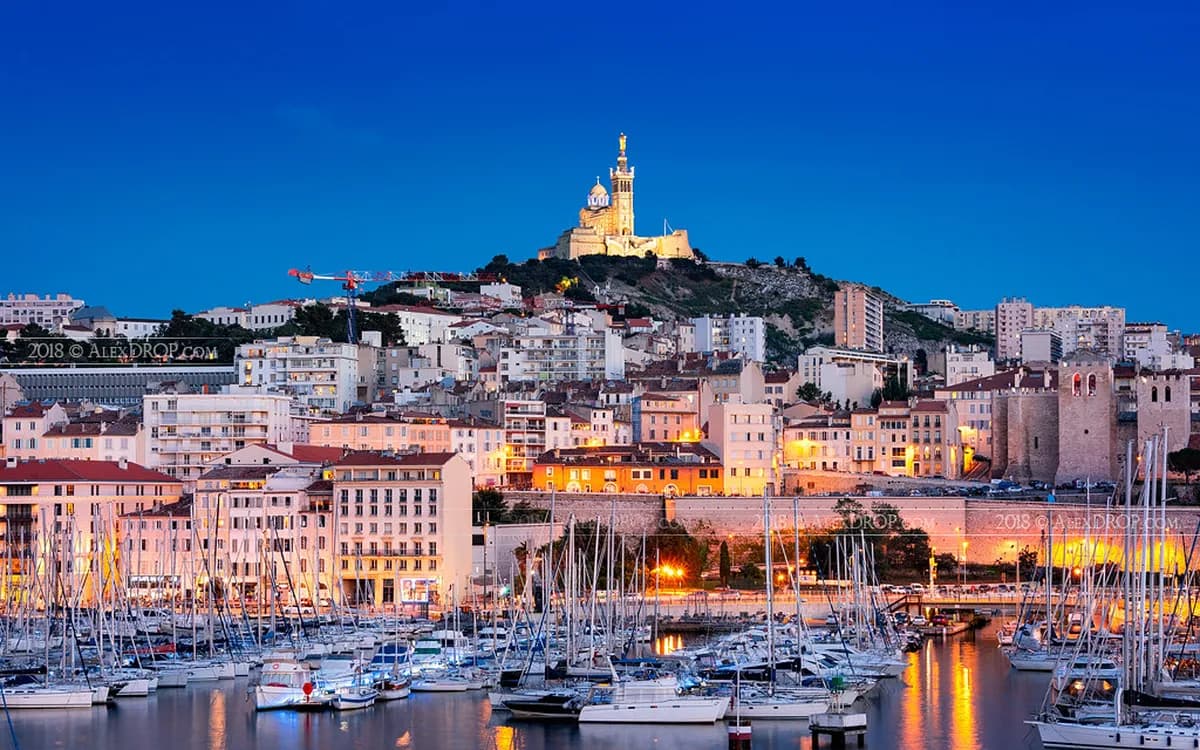
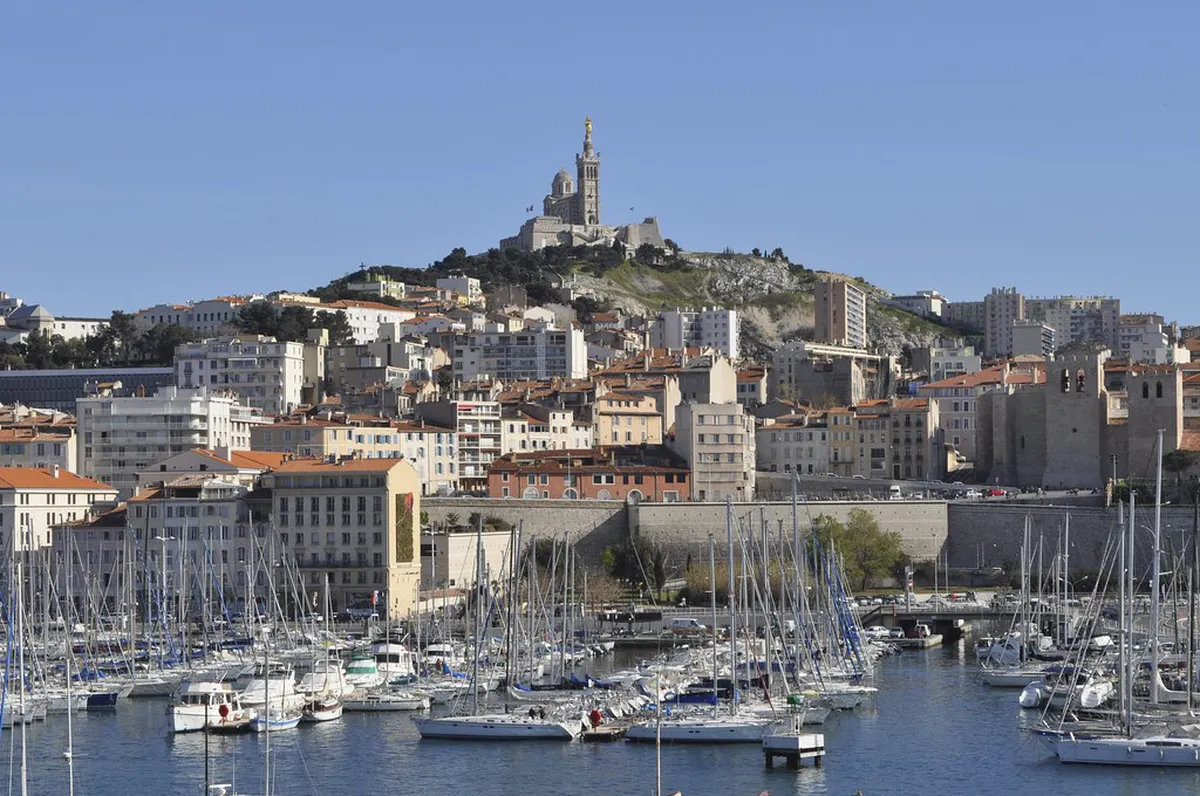
- Known as 'The Good Mother,' this Romano-Byzantine basilica sits on the highest point in Marseille and offers 360-degree views.
- Entry to the church is free, and it is typically open from 7am to 6pm for visitors and worshippers.
- Take the number 60 bus from the Old Port to avoid the grueling uphill hike in the summer heat.
- Look at the ceiling inside to see the many ex-voto model ships hanging as thanks for safe maritime voyages.
- Calanques National Park at Sugiton
- These dramatic limestone cliffs and turquoise inlets offer the best hiking and swimming in the entire Provence region.
- Access is free, but you must book a reservation online during peak summer months to prevent environmental overcrowding.
- The hike from the Luminy university gates takes about 45 minutes and requires sturdy shoes and plenty of water.
- Visit on a weekday morning to avoid the local crowds that flock to the water on Saturdays and Sundays.
- Vallon des Auffes Fishing Village
- This tiny, picturesque fishing harbor is tucked under a bridge along the Corniche Kennedy and feels frozen in time.
- It is free to visit and is located about a 20-minute walk or a short bus ride from the center.
- Several high-end seafood restaurants operate here, with lunch service typically running from 12pm to 2:30pm.
- Arrive an hour before sunset to watch the sky turn orange over the traditional brightly colored wooden boats.
- Corniche Kennedy Coastal Walk
- This long seaside boulevard features the world's longest bench and offers incredible views of the Mediterranean islands.
- The walk is free and public, stretching for several kilometers along the rugged southern coast of the city.
- It is a popular spot for local joggers and sunset watchers throughout the year, regardless of the weather.
- Stop at the 'Prophet's Beach' along the way for a quick dip in the shallow, family-friendly waters.
- Maison Empereur Hardware Store
- Established in 1827, this is France’s oldest hardware store and a treasure trove of traditional Provencal household goods.
- Entry is free, and the shop is open from 10am to 7pm every day except Sunday.
- You can find authentic Savon de Marseille here, complete with the official 72% oil stamp of quality.
- Head to the back of the store to find a small, hidden museum of historical kitchen and garden tools.
- The Historic Château d’If
- This former island prison was made famous by Alexander Dumas’ novel, The Count of Monte Cristo, and sits offshore.
- The ferry costs about €11 round-trip, while entry to the fortress is roughly €7 per adult.
- Boats depart from the Old Port every hour, but service is often cancelled during high winds or rough seas.
- Check the weather forecast before buying tickets, as the island can be very exposed and windy.
- Cathédrale de la Major
- This massive striped cathedral sits near the port and is one of the largest churches built in the 19th century.
- Entry is free for all visitors, with standard opening hours from 10am to 6pm daily.
- The architecture is a striking mix of Romanesque and Byzantine styles that reflects the city's diverse cultural influences.
- Walk the renovated vaults underneath the cathedral for modern boutiques and trendy restaurants overlooking the sea.
- Palais Longchamp and Gardens
- This grand monument was built to celebrate the arrival of water to the city and houses two major museums.
- The park and fountains are free to enter, while the museums cost around €6 for permanent collections.
- It is open daily from 8am to 7pm, making it a great spot for a morning stroll or picnic.
- Don't miss the old zoo structures in the back of the park, which now house colorful fiberglass animal statues.
- Les Goudes (The End of the World)
- Located at the very edge of the city, this small fishing port feels like a remote island far from the urban chaos.
- It is free to visit, though getting there requires a long bus ride or a seasonal water taxi from the port.
- The area is famous for its rocky landscape and tiny bars that serve fresh sea urchins during the winter.
- Stay for dinner at one of the local shacks, but ensure you have a return transport plan as buses are infrequent.
The street-art galleries of Cours Julien change constantly, so the murals you photograph this year may be painted over by the next — treat each visit as a one-off.
Experience the Booming Food Scene
The city is currently undergoing a Marseille Culinary Revolution that has caught the attention of foodies worldwide. Chefs from Paris and beyond are moving here to take advantage of the incredible local produce and lower rents. You will find a mix of high-end Michelin stars and humble street food stalls selling chickpea pancakes known as panisse.
No visit is complete without trying authentic Marseille food, particularly the legendary bouillabaisse fish stew. Be wary of cheap versions near the harbor, as a real bouillabaisse uses at least four types of local rockfish. Expect to pay between €60 and €100 for a legitimate version at a reputable establishment like Chez Fonfon.
For a more casual and modern experience, I highly recommend visiting Un Mexicain a Marseille for a fusion of local ingredients and bold flavors. The Noailles district is also essential for its North African markets where you can find the best couscous and spicy harissa in France. Grab a box of oriental pastries and a mint tea at the legendary Maison Empereur cafe to rest your feet.
Is Marseille Safe for Travelers?
Safety is the most common question I get about this city, and the answer requires a bit of local context. Most tourist areas are perfectly fine during the day, provided you keep a close eye on your belongings in crowded spots. Our is Marseille safe guide notes that pickpocketing is the most frequent issue for visitors.
The northern districts of the city are generally where the high crime rates reported in the news actually occur. Travelers rarely have a reason to visit these industrial outskirts, so your experience in the center will feel quite different. Stick to well-lit streets in the evening, especially around the Cours Julien and the Old Port areas.
If you are traveling solo, you should feel comfortable in most central neighborhoods like Le Panier or the 7th arrondissement. The vibe is generally loud and chaotic but friendly, with locals often willing to help if you look lost. Just use the same common sense you would apply in any large Mediterranean port city like Naples or Barcelona.
How To Get Around Marseille
Navigating the city is relatively straightforward once you understand the getting around Marseille public transit network. The RTM system includes two metro lines, three tram lines, and an extensive network of buses that cover most attractions. I recommend buying a 24-hour or 72-hour pass if you plan on visiting the Basilica and the museums in one go.
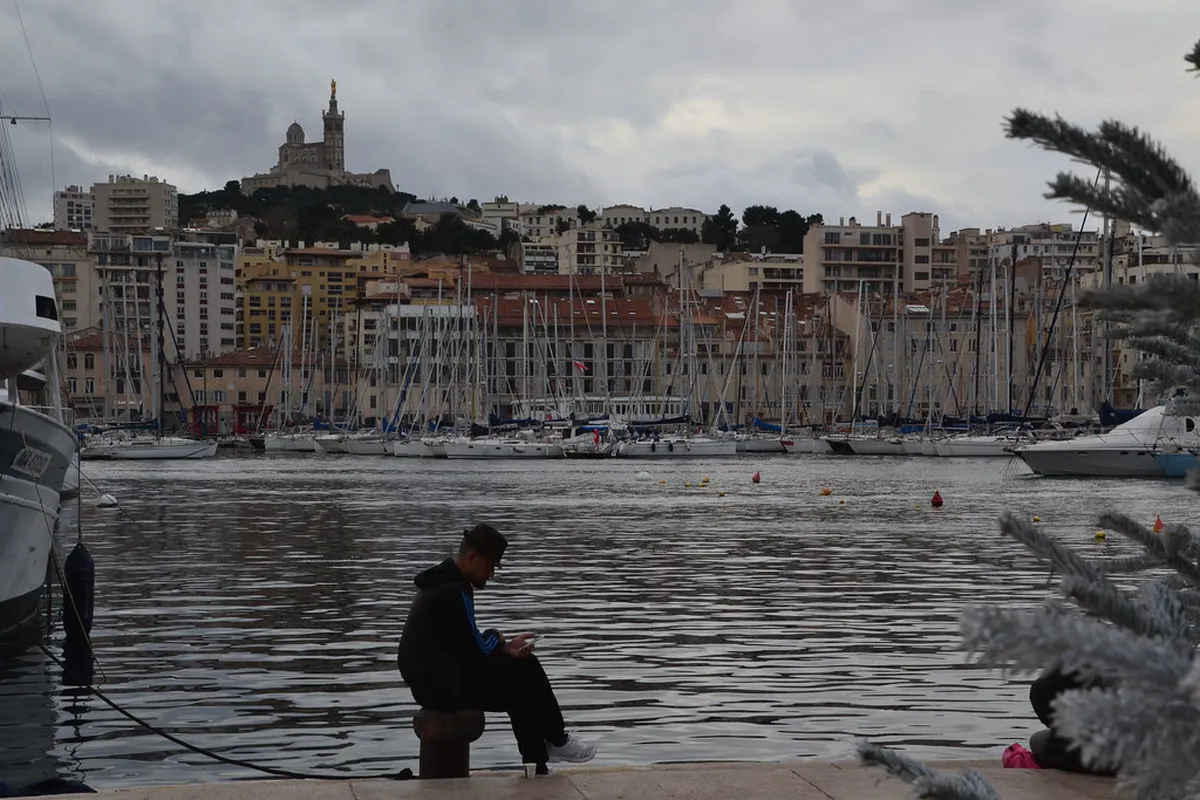
During the summer months, the 'Batobus' water taxi is the most scenic way to travel between the Old Port and the beaches. It costs only a few euros and offers a refreshing breeze that you won't find on the crowded city buses. Be aware that the metro closes relatively early on weeknights, so check the schedule if you are staying out late.
Walking is the best way to experience the charm of the historic center, but the hills can be quite steep. Wear comfortable shoes with good grip, as the limestone streets in Le Panier can become very slippery when wet. If you are heading to the Calanques, remember that the bus to Luminy is the primary gateway for hikers.
What to Skip in Marseille
While it is tempting to sit at the first restaurant you see on the Quai du Port, I suggest you keep walking. Most of these establishments offer overpriced 'tourist menus' with frozen fish and mediocre service. You will find much better quality and value by walking just two blocks inland into the side streets of the 1st arrondissement.
The Petit Train that runs up to Notre-Dame de la Garde is often packed and can feel a bit like a theme park ride. If you are reasonably fit, the walk up through the backstreets of Vauban is much more rewarding and atmospheric. You will see local life, hidden gardens, and small chapels that the train simply bypasses on its way to the top.
Avoid visiting the main city beaches like Les Catalans on a Sunday afternoon in July if you value personal space. They become incredibly crowded and noisy, making it difficult to find even a small patch of sand for your towel. Instead, take the boat to the Frioul Islands for much cleaner water and a more peaceful coastal experience.
See our attraction guides to Cours Julien, the Vallon des Auffes and the Abbaye Saint-Victor.
Frequently Asked Questions
Is Marseille safe for solo travelers?
Marseille is generally safe for solo travelers who stick to central, well-populated neighborhoods. Like any large port city, you should stay alert for pickpockets in crowded areas like the Old Port. Avoid walking alone in the northern districts or poorly lit industrial zones late at night.
What is the most unique souvenir to buy in Marseille?
Authentic Savon de Marseille is the most iconic souvenir you can purchase. Look for the '72% olive oil' stamp and buy from traditional shops like Maison Empereur or the MuCEM boutique. These soaps are natural, biodegradable, and have been made in the region for centuries.
How many days do you need in Marseille?
Three days is the ideal amount of time to see the major sights and the Calanques. This allows one day for the historic center, one day for the coast, and a final day for museums or islands. If you want to include day trips to Provence, plan for five days.
Marseille is a city that demands you meet it on its own terms, but the reward is an experience you won't find anywhere else in France. From the high-tech galleries of the MUCEM to the ancient, salty docks of the Old Port, it is a place of constant and beautiful contrasts. I hope this guide helps you navigate the grit and the glamour of this Mediterranean powerhouse during your 2026 trip.
Whether you are hiking the limestone cliffs or eating your way through the Noailles markets, the city's energy is infectious. Don't be afraid to get a little lost in the alleys of Le Panier or stay for that extra glass of pastis at sunset. Marseille is not just a stop on a tour; it is a destination that will stay with you long after the sea salt has washed off.
Free guide: France's Hidden Gems
12 under-the-radar places across Provence, Alsace & Occitanie — with the best season to visit each and a local tip you won't find in the guidebooks.
You might also like


Continue reading
More guides you'll find useful