Strasbourg in Winter and December Guide: 10 Essential Tips
Plan your trip with our Strasbourg in winter and December guide. Discover the best Christmas markets, Alsatian food, and essential winter travel tips.
On this page
Strasbourg in Winter and December Guide: 10 Essential Tips
Late spring (May to early June) and early fall (September to October) are the sweet spots for visiting Strasbourg. However, the most magical experience occurs from December 1st to December 24th during the holiday markets. Updated October 2024 from my December 2023 visit, this guide covers everything you need for winter. I visited Strasbourg last year and found the festive atmosphere truly unmatched in Europe.
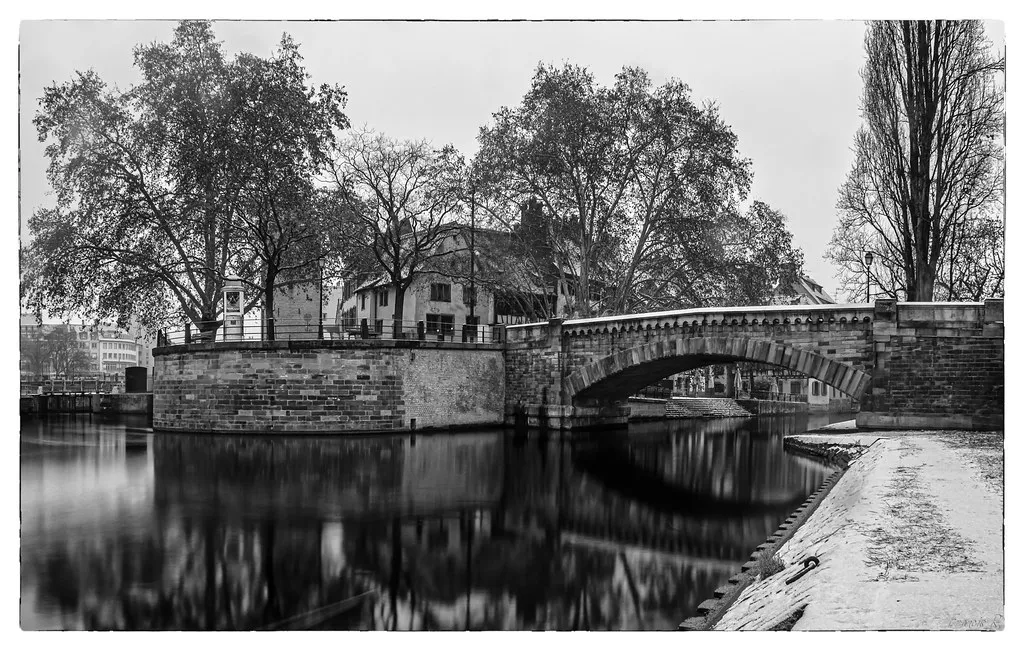
Strasbourg transforms into the Capital of Christmas as soon as the first lights flicker on. The city sits in the Rhine Valley where winter temperatures often hover between 0–5°C / 32–41°F. During my trip, the damp air from the Ill river felt colder than the thermometer suggested. You should prepare for a mix of festive cheer and biting continental winds.
Finding the best time to visit Strasbourg depends on your love for holiday crowds. December brings millions of visitors to the narrow cobblestone streets of the Grande Île. This guide provides the logistical help needed to navigate the busy markets and cold weather. Learn about the history, food, and packing essentials for an unforgettable Alsatian winter.
Essential Tips for Visiting Strasbourg in December
Strasbourg is officially known as the Capital of Christmas for its historic and massive holiday celebrations. The tradition dates back to 1570 when the first Christkindelsmärik was held near the cathedral. Walking through the city in December feels like stepping into a life-sized holiday greeting card. Check our Strasbourg Christmas market guide to plan your route through the stalls.
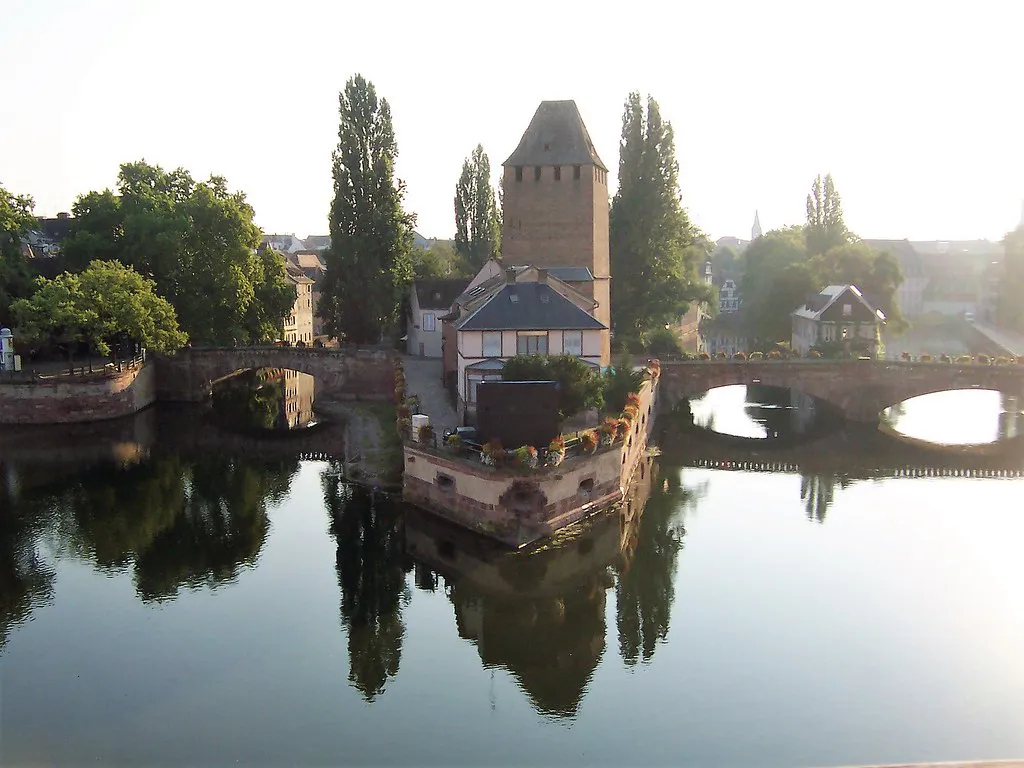
Crowds are heaviest on weekends when regional travelers arrive for the festive atmosphere. I recommend visiting on a Tuesday or Wednesday to enjoy shorter lines for mulled wine. The lights usually turn on around 4:00 PM as the winter sun begins to set. This blue hour provides the perfect lighting for photography in the Petite France district.
Security is very tight during the December market season with checkpoints at every bridge. Allow extra time to cross onto the Grande Île as guards inspect bags and coats. Read our Strasbourg practical tips for more information on local safety measures. Keep your belongings secure in crowded areas like Place Kléber and the main train station.
The city uses a massive amount of electricity to power the millions of festive lights. Local authorities have recently implemented more sustainable LED lighting to reduce the environmental impact. Most lights remain on until 11:00 PM, giving you plenty of time for evening strolls. The atmosphere remains vibrant even after the market stalls close for the night.
- Book accommodation early
- Six months in advance is best
- Use the tram system
- Avoid driving in the city center
- Visit the cathedral early
- Lines are shorter before 10:00 AM
- Carry some cash
- Small vendors prefer euros for snacks
Season Comparison
Strasbourg experiences distinct seasonal shifts that change the character of the city entirely. Winter is the peak tourist season due to the markets, despite the freezing temperatures. Spring brings blooming flowers to the parks and much more manageable visitor numbers. Summer is warm and lively, though it can sometimes feel humid in the valley.
Typical climate data shows that January is usually the coldest month of the year. Snow is possible but often turns into slush on the busy city streets. Fall offers a beautiful backdrop of changing leaves along the banks of the Ill river. The wine harvest in the surrounding countryside makes autumn a favorite for foodies.
| Season | Weather | Crowds | Prices | Events | Best for |
|---|---|---|---|---|---|
| Spring (March–May) | 10–18°C / 50–64°F | Moderate | Mid-range | Carnivals | Sightseeing |
| Summer (June–August) | 20–26°C / 68–79°F | High | Peak | Music festivals | Outdoors |
| Fall (Sept–Nov) | 8–17°C / 46–63°F | Low | Lower | Wine harvest | Wine tasting |
| Winter (Dec–Feb) | 0–6°C / 32–43°F | Very High | Peak (Dec) | Christmas markets | Festive vibes |
Pick X If
Choosing the right time to visit depends on your personal travel style and goals. If you want the full holiday experience, December is the only choice for your trip. Budget travelers will find much better deals during the quiet weeks of January. The city feels very different when the wooden chalets are finally packed away.
I suggest visiting in late November if you want to see the market setup. This period allows you to enjoy the festive spirit before the heaviest crowds arrive. The grand tree in Place Kléber is usually lit by the last week of November. It is a great time to find unique gifts before the best items sell out.
- Pick December if you want
- The world-famous Christmas market atmosphere
- Pick January if you want
- Quiet streets and discounted hotel rates
- Pick February if you want
- Cozy dining and romantic winter views
- Pick late November if you want
- Holiday spirit with slightly fewer crowds
A Guide to the Best Strasbourg Christmas Market Locations
The markets are spread across several squares, each offering a slightly different holiday vibe. Place Broglie hosts the oldest part of the market with traditional crafts and food. You can find the massive Great Christmas Tree towering over the stalls at Place Kléber. Consult the Official Strasbourg Christmas Guide for a detailed map of all locations.
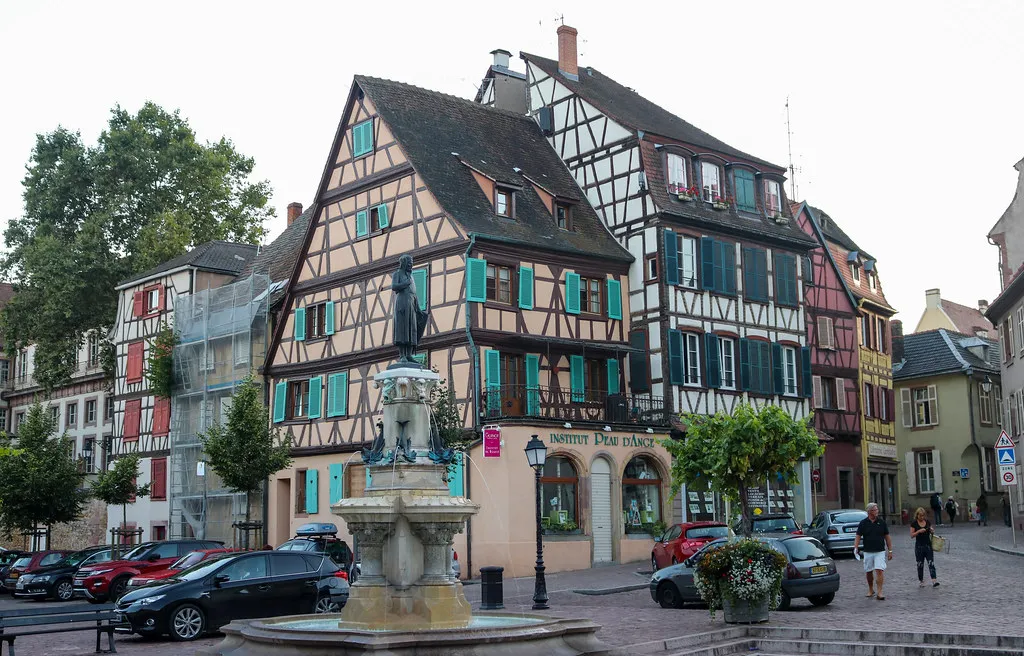
The market at the base of the Strasbourg Cathedral is incredibly picturesque. I loved seeing the Gothic spire illuminated against the dark winter sky last year. Vendors here sell high-quality ornaments and local Alsatian pottery known as Soufflenheim. Be prepared for tight spaces as this is the most popular market area.
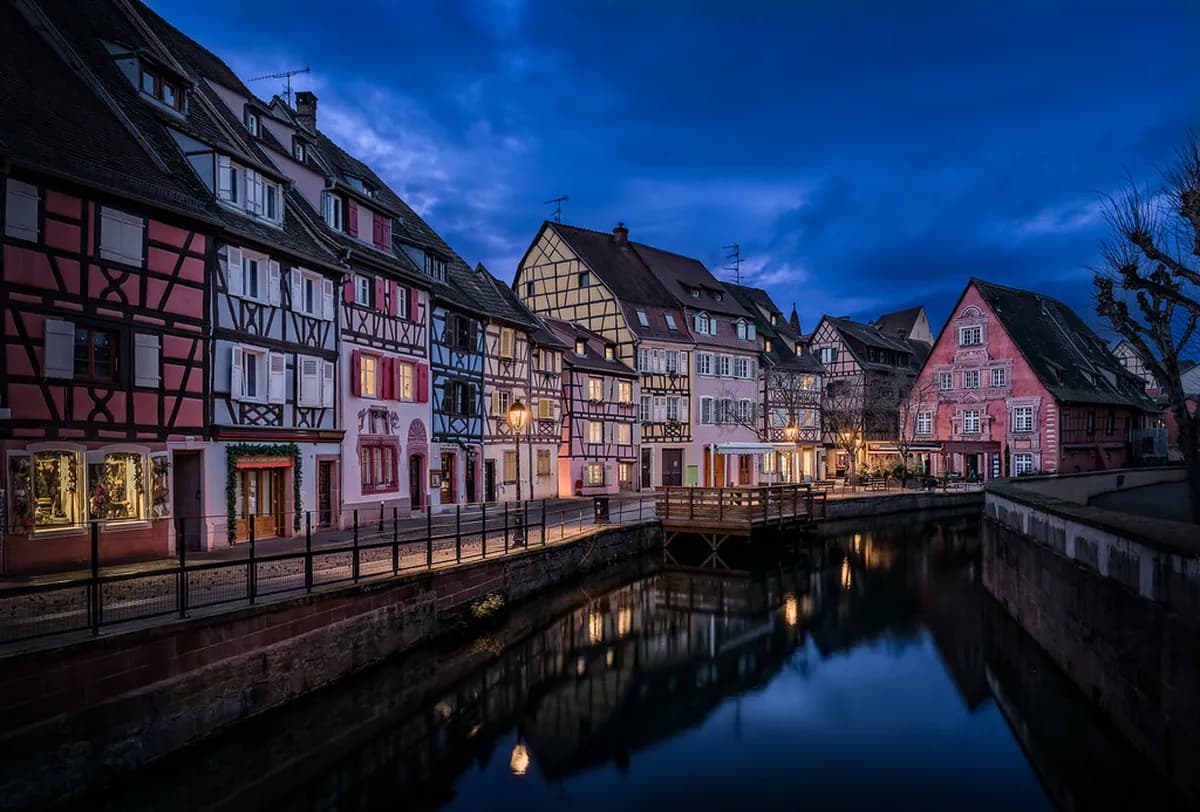
Petite France offers a more intimate market experience along the historic canal banks. The half-timbered houses are decorated with teddy bears, ribbons, and thousands of twinkling lights. This area is perfect for a quiet walk with a cup of hot chocolate. The reflection of the lights on the water creates a stunning visual effect.
For something different, visit the OFF Market at Place Grimmeissen for sustainable goods. This market focuses on social responsibility, vintage items, and organic local produce. It offers a modern contrast to the more traditional stalls found elsewhere. The atmosphere here is relaxed and popular with the local student population.
- Place Broglie
- Traditional crafts and historic atmosphere
- Place Kléber
- Giant tree and charity stalls
- Place de la Cathédrale
- Iconic views and religious crafts
- Place des Meuniers
- Local food producers and specialties
Must-Try Alsatian Winter Comfort Foods
Alsatian cuisine is perfect for winter because it is incredibly hearty and warming. You must try traditional Alsatian food in Strasbourg like Choucroute Garnie. This dish of sauerkraut and various meats will keep you full for hours. Many restaurants also serve Baeckeoffe, a slow-cooked meat and potato stew.
Vin chaud, or mulled wine, is the fuel that keeps market-goers moving in the cold. You can choose between red wine with spices or the local white wine version. Most stalls charge a small deposit for the reusable plastic cups used throughout the city. I found the white mulled wine to be lighter and more aromatic than the red.
Don't miss the Flammekueche, also known as Tarte Flambée, which is a local staple. It is a thin crust topped with cream, onions, and salty bacon bits. This dish is best shared with friends while standing near a heat lamp. Check the Christmas in Alsace Official Site for food festival dates.
- Pain d'épices
- Traditional spiced gingerbread with honey
- Mannele
- Brioche bread shaped like little men
- Bredele
- Small assorted butter cookies for Christmas
- Munster cheese
- Strong local cheese served with potatoes
What to Pack
Dressing in layers is the most effective way to stay warm in the Alsatian winter. The temperature can drop quickly once the sun goes down in the late afternoon. I recommend a high-quality thermal base layer to trap heat against your skin. A windproof outer shell is also helpful for blocking the cold Bise wind.
Footwear is the most important part of your packing list for the cobblestone streets. Wet and icy stones can be very slippery and difficult to walk on. Choose waterproof boots with a good grip to ensure your feet stay dry. Wool socks will provide an extra layer of protection against the damp ground.
- Thermal base layers
- Essential for long days outdoors
- Waterproof boots
- Must have good traction for ice
- Wool scarf and gloves
- Protect your extremities from the wind
- Portable power bank
- Cold weather drains phone batteries fast
Winter Logistics and What's Closed in Low Season
Getting to Strasbourg is easy via the TGV train from Paris in under two hours. Book your train tickets at least three months early for the December peak season. Prices rise significantly as the market dates approach due to high demand. You can also take a Strasbourg to Colmar day trip to see more markets.
The city experiences a significant slowdown once the Christmas markets end on December 24th. Many smaller family-run boutiques and restaurants close for a winter break in early January. River boat tours operate on a much more limited schedule during the colder months. The botanical gardens and some outdoor museum exhibits are also closed in winter.
Strasbourg is very walkable, but the tram is a great option for longer distances. The damp cold can be draining, so plan for frequent indoor breaks in cafes. Public toilets are available but can have long lines during the peak market hours. The Bise wind can make the actual temperature feel several degrees colder.
- Boat tours
- Reduced frequency from January to March
- Outdoor cafes
- Most close unless they have heaters
- Park attractions
- Flower displays and fountains are off
- Small boutiques
- Often close for the first week of January
Good to know
December centres on the Christmas market (late November–24 December), with the city lit up and the cathedral square at its most atmospheric. Pack for cold, often damp weather — daytime highs hover around 4–7°C / 39–45°F.
After 24 December the market closes, crowds thin, and hotel prices drop sharply while the festive lights often stay up into early January — a quieter way to enjoy winter Strasbourg.
Frequently Asked Questions
Is Strasbourg worth visiting in December?
Yes, Strasbourg is definitely worth visiting in December for the world-famous Christmas markets. The city offers a unique festive atmosphere that you cannot find elsewhere. Just be prepared for large crowds and cold weather.
How many days do you need for the Strasbourg Christmas markets?
You should plan for at least two to three days to see the main markets. This timeframe allows you to explore the Grande Île and take a day trip nearby. It also gives you time to enjoy the evening lights.
What is the weather like in Strasbourg in winter?
Winter weather is typically cold and damp with temperatures between 0–5°C / 32–41°F. Snow is possible but usually doesn't stay on the ground for long. The wind from the river can make it feel much colder.
Strasbourg in winter is a bucket-list experience for anyone who loves the holiday season. The combination of French and German influences creates a culture that is truly unique. By planning ahead and packing correctly, you can navigate the cold and the crowds. Enjoy the warm mulled wine and the stunning lights of the Capital of Christmas.
Whether you visit for the food or the history, the city will leave an impression. Take your time to explore the hidden corners of Petite France during your stay. Strasbourg remains one of the most beautiful winter destinations in all of Europe.
Pair this with our broader guide to the best things to do in Strasbourg for the full city overview.
You might also like


Continue reading
More guides you'll find useful