
La Petite France, Strasbourg: Historic Quarter Guide (2026)
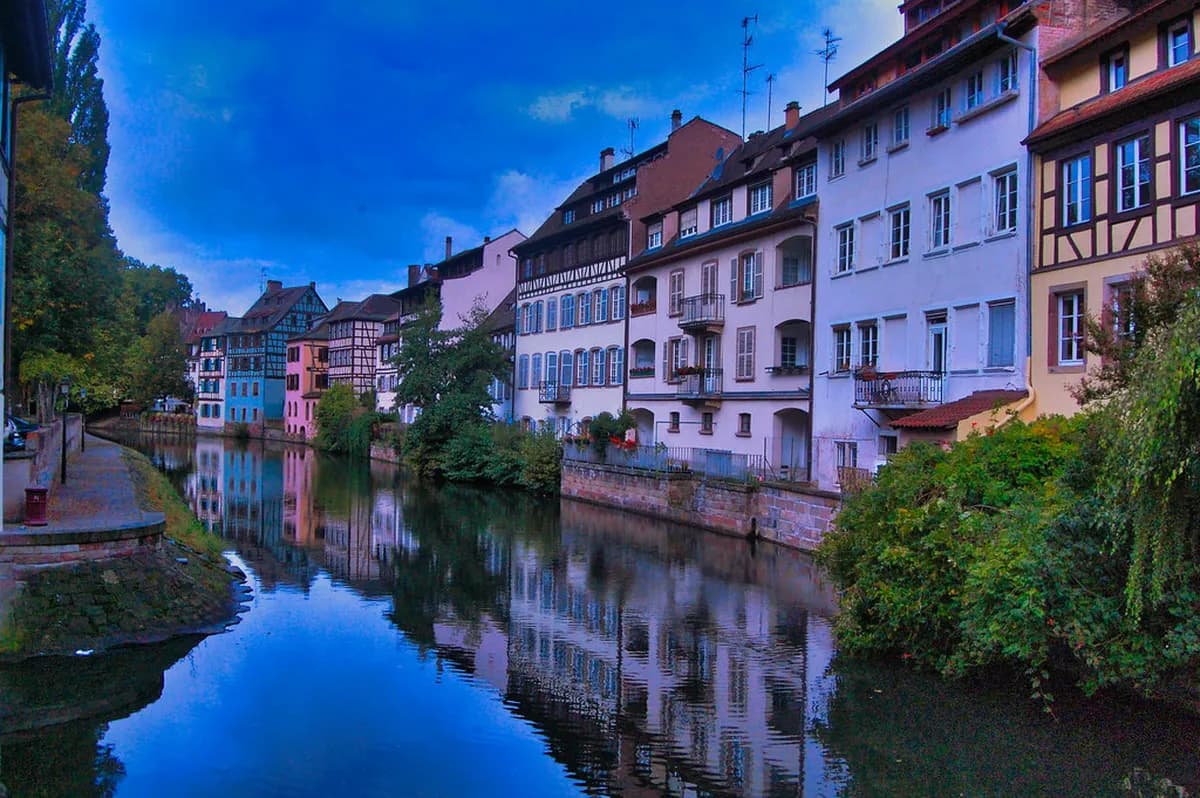
La Petite France is the most photographed corner of Strasbourg — the picturesque old quarter at the south-western tip of the Grande Île, where the River Ill splits into channels that thread between rows of steep-roofed, half-timbered houses. In the Middle Ages this was the working district of the city's tanners, millers and fishermen, and the tall sloping roofs you still see today open onto the lofts where hides were once hung out to dry. Today the same lanes, footbridges and flower-decked quays make up one of France's loveliest urban walks, anchored by the 16th-century Maison des Tanneurs and the little Pont du Faisan swing bridge. The whole quarter forms part of the UNESCO World Heritage Site of the Grande Île, and it is completely free to wander at any hour. This 2026 guide covers what to see, the best photo spots and times, how to get there by tram, and what to combine it with nearby.
What to See
La Petite France isn't a single monument but a small, walkable district — the old Quartier des Tanneurs (Tanners' Quarter) — built around the channels of the Ill. The classic stroll follows the Rue du Bain aux Plantes and the Quai de la Petite France, past 16th- and 17th-century timber-framed houses whose distinctive tall, open roofs were designed to dry leather hides. Their flower-boxed facades lean over the water and reflect in the slow green channels, making nearly every angle a postcard.
The set-piece is the Maison des Tanneurs at 42 Rue du Bain aux Plantes — the former headquarters of the tanners' guild, built in 1572 and a listed historic monument since 1927. Just beside it, the small Pont du Faisan is a swing bridge that rotates to let tour boats pass through the heart of the quarter. Walk a little further and you reach Place Benjamin-Zix, a cobbled, tree-shaded square ringed by some of the prettiest houses in the city and a natural spot for a coffee or an Alsatian lunch. Because the streets and bridges are all public, there is no ticket and no opening hours — the quarter is open and free at all times, day or night.

Best Photo Spots & Time
The single best vantage point is the terrace of the Barrage Vauban (the Vauban Dam) at the western edge of the quarter. Climb to its free panoramic roof and you look back over the four medieval towers of the Ponts Couverts and the whole sweep of half-timbered houses and bridges — the definitive Petite France shot. From street level, the Quai de la Petite France and the small footbridges around the Pont du Faisan give you reflections of the houses mirrored in the channels.
Best time: go at early morning for soft light, calm water and near-empty lanes, or at golden hour — the hour before sunset — when the warm light is at its most flattering on the timber facades. Both beat the harsh midday glare and the midday tour-group crowds. The quarter is also beautifully lit after dark, and it is especially magical during the Christmas market season, when Strasbourg styles itself the Capital of Christmas.
Getting There
La Petite France sits at the south-western corner of the Grande Île, an easy 5–10 minute walk from Strasbourg Cathedral and the central old town. By tram, the nearest stops are Langstross Grand'Rue (lines A and D) and Alt Winmärik / Faubourg National, each a short walk from the quarter; from the main railway station (Gare de Strasbourg) take tram line C, A or D, or simply walk — it's about 10–15 minutes on foot. Strasbourg's tram network runs frequently and a single ticket covers the whole central area.
The historic lanes of La Petite France are pedestrianised and unsuitable for cars, so if you drive, leave the car in a peripheral car park or use the city's park-and-ride (relais-tram) scheme and finish the journey by tram. For where the quarter fits into a wider day, see our full things to do in Strasbourg guide, the things to see in Strasbourg overview, and our Strasbourg boat tour on the Ill river guide for seeing the canals from the water.
Nearby
La Petite France is the perfect start or finish to a walk across the Grande Île. Just west of the quarter stand the Ponts Couverts — the covered bridges with their four medieval defensive towers — best viewed from the Barrage Vauban roof terrace right beside them. Heading east, it is a five-minute stroll to the soaring pink sandstone of Strasbourg Cathedral and the medieval streets around Place Gutenberg. A boat tour on the Ill links the lot, gliding from the cathedral district through the locks and under the Pont du Faisan into the heart of La Petite France, so you can pair a riverside walk with the on-the-water perspective in a single afternoon.
Frequently Asked Questions
Is La Petite France free to visit?
Yes. La Petite France is a public quarter of Strasbourg's old town, so wandering its lanes, quays and bridges along the channels of the Ill is completely free, with no ticket and no opening hours. The panoramic roof terrace of the nearby Barrage Vauban is also free. You only pay if you choose a boat tour or visit a paid attraction nearby.
Why is the area called the Tanners' Quarter?
In the Middle Ages, La Petite France was home to the city's tanners, millers and fishermen, who depended on the water of the Ill. The tall, sloping roofs of the half-timbered houses opened onto lofts where hides were dried, and the tanners' guild had its headquarters in the Maison des Tanneurs, built in 1572 on Rue du Bain aux Plantes.
What is the best time to photograph La Petite France?
Shoot at early morning for calm water and empty lanes, or at golden hour — the hour before sunset — for warm light on the timber facades. The classic panorama of the bridges and towers is taken from the free roof terrace of the Barrage Vauban at the western edge of the quarter.
Explore More of Strasbourg
- Things to Do in Strasbourg — the full city guide.
- Things to See in Strasbourg — the headline sights, mapped out.
- Strasbourg Boat Tour on the Ill River — see the canals and Petite France from the water.
- Ponts Couverts — the covered bridges and medieval towers just west of the quarter.


