10 Best Things to See in Strasbourg: A Local’s Guide (2026)
Discover the 10 best things to see in Strasbourg, from the Gothic Cathedral to Petite France. Includes local tips on UNESCO sites and day trips for 2026.
On this page
10 Best Things to See in Strasbourg (2026)
I have wandered through Strasbourg's half-timbered streets many times, and the city never fails to feel like a living fairy tale. Whether you are here for the medieval charm or the modern European institutions, the capital of Alsace offers a unique blend of French and German cultures. Many travelers wonder is Strasbourg worth visiting, and the answer is a resounding yes for its history and food.
This guide has been updated for January 2026 after my most recent autumn visit to ensure all pricing and hours are current. I have curated this list to help you navigate the cobblestone alleys and grand boulevards with ease. You will find a mix of iconic landmarks and hidden spots that truly define the spirit of this border city.
Free guide: France's Hidden Gems
12 under-the-radar places across Provence, Alsace & Occitanie — with the best season to visit each and a local tip you won't find in the guidebooks.
10 Best Things to See in Strasbourg (2026)
Strasbourg is a city that rewards those who explore on foot, especially within its central island. Most of the major attractions are clustered together, making it easy to see several sights in a single afternoon. I recommend starting early at the Cathedral before the midday crowds arrive from the nearby cruise ships.
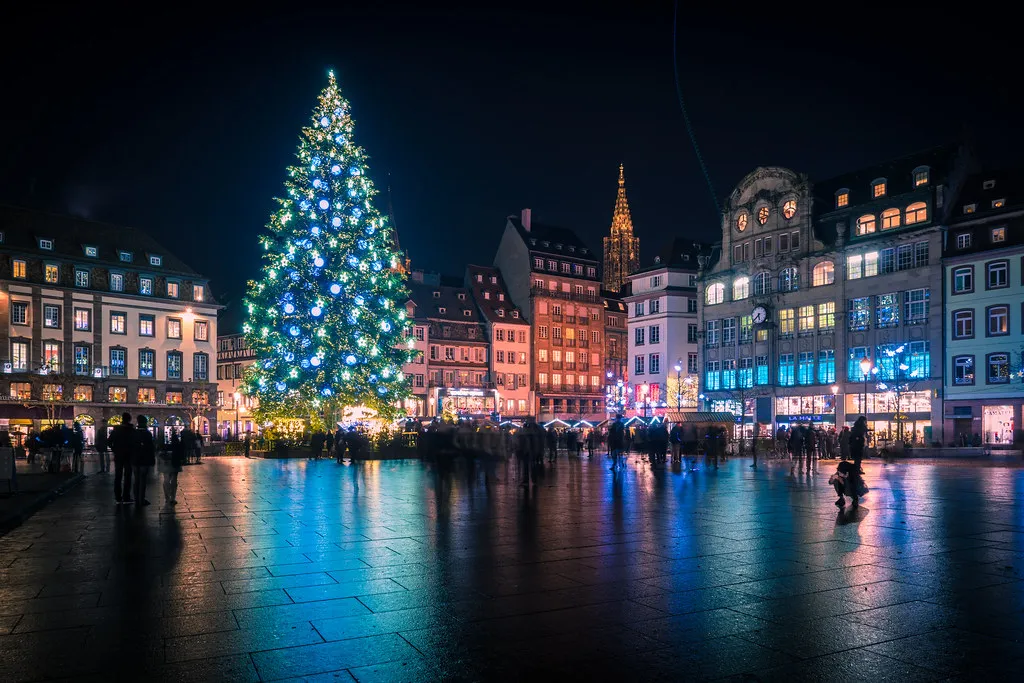
The city's identity is split between its medieval past and its role as a modern European capital. You will notice the architecture shifts dramatically as you move from the tanners' quarters toward the grand Prussian boulevards. Each item on this list represents a different chapter of the city's long and complex history.
- The Majestic Cathédrale Notre-Dame de Strasbourg
- This pink sandstone masterpiece was the world's tallest building for over two centuries and remains a Gothic icon.
- Visitors can explore the interior for free, though a Strasbourg Cathedral guide is helpful for finding the astronomical clock.
- The cathedral is open daily from 8:30am to 5:45pm, with a small fee of $5–$10 for the clock show or spire climb.
- The Historic Tanners' Quarter of La Petite France
- This district is the most photogenic part of the city, featuring 16th-century half-timbered houses reflecting in the Ill River.
- It is a public neighborhood that is free to visit at any hour, located on the western tip of the Grande Île.
- I suggest walking down Rue du Bain-aux-Plantes at sunrise to capture the buildings without any other tourists in your frame.
- The Opulent Palais Rohan and its Three Museums
- This former residence of prince-bishops houses the Museum of Fine Arts, Decorative Arts, and Archaeology in a grand classical setting.
- It offers a sharp contrast to the city's medieval timber frames and is a must for any museums in Strasbourg itinerary.
- Tickets typically cost $8–$15, and you should check The Rohan Palace Official Site for seasonal Tuesday closures.
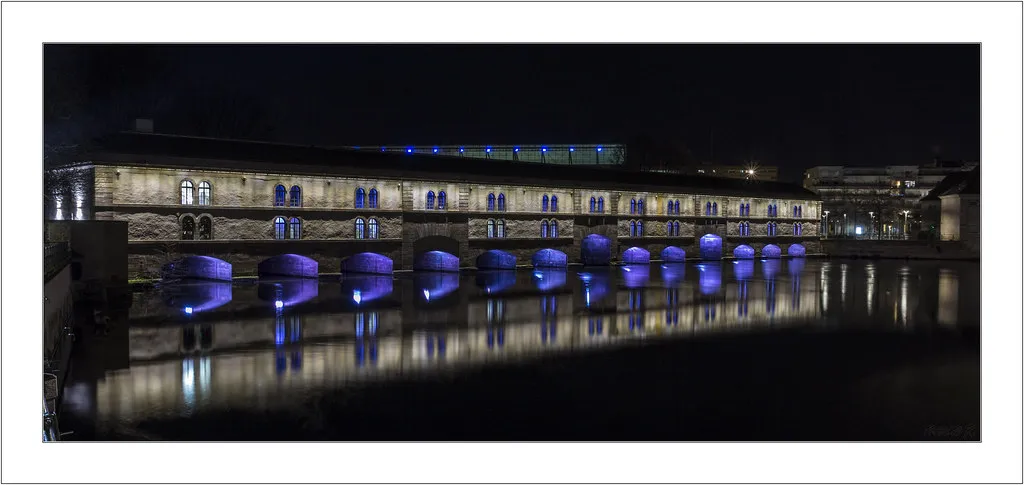
- The Panoramic Viewpoint from the Barrage Vauban
- This 17th-century fortified bridge was built to protect the city by flooding the southern lands during an invasion.
- The roof terrace is free to access and provides the best panoramic view of the Ponts Couverts and the Cathedral spire.
- It is open daily from 8am until sunset, and I once watched a summer storm roll in from here as the stone turned orange.
- The Modern Glass Architecture of the European Parliament
- Strasbourg is the official seat of the European Parliament, and the building's circular design is a feat of modern glasswork.
- You can take a free multimedia tour of the hemicycle chamber, but you must book your time slot online weeks in advance.
- The site is located in the European District, reachable via tram line E, and is generally open to the public Monday through Saturday.
- The Stork Sanctuaries of Parc de l'Orangerie
- As the city's oldest park, this green space serves as a vital breeding ground for the iconic Alsatian white stork.
- Entrance to the English-style gardens is free, making it a perfect budget-friendly spot for a quiet afternoon picnic.
- The park is situated directly across from the European institutions and is open daily from dawn until dusk.
- The Intricately Carved Facade of Maison Kammerzell
- Standing right next to the Cathedral, this is arguably the most beautiful secular building in the city with its dark wood carvings.
- The facade depicts scenes from antiquity and the Middle Ages, representing the height of the German Renaissance style.
- While the building is now a restaurant, you can view the exterior for free at any time in the Place de la Cathédrale.
- A Relaxing River Cruise with Batorama
- A Strasbourg boat tour provides a unique perspective on the city's hidden gardens and ancient lock systems.
- The glass-topped boats navigate the Ill River, covering both the medieval center and the modern European District in 70 minutes.
- Tickets range from $16–$22 per adult, and cruises depart year-round from the pier located just behind the Palais Rohan.
- The History Museum of Strasbourg (Musée Historique)
- Housed in a former slaughterhouse, this museum tells the story of the city's shift between French and German rule.
- The collection includes a massive 18th-century relief map of Strasbourg that is incredibly detailed and worth the entry alone.
- Standard admission is about $8 per person, and you can find updated hours on the History Museum of Strasbourg website.
- The Grand Prussian Architecture of the Neustadt District
- This 'New City' was built by the German Empire in the late 1800s to modernize Strasbourg with grand boulevards and squares.
- Place de la République is the heart of this district, surrounded by the Palais du Rhin and the National Library.
- Walking through this UNESCO-listed area is free and offers a fascinating look at the imperial architecture of the 19th century.
Exploring the Dual UNESCO Heritage of Strasbourg
Strasbourg is unique because its UNESCO World Heritage status covers two distinct urban areas that represent different historical eras. The Grande Île was the first to be listed, encompassing the medieval heart where the Cathedral and Petite France are located. This area is defined by narrow alleys and timber-framed houses that date back to the 15th and 16th centuries.
In 2017, the listing was extended to include the Neustadt, which was built during the German annexation from 1871 to 1918. This district showcases the 'Haussmann-style' of the German Empire, with wide avenues designed for military parades and grand public life. Walking between these two areas allows you to see the physical transition of the city's identity over five centuries.
I recommend crossing the bridge at Quai des Bateliers to see how the architecture shifts from intimate to monumental. The contrast between the pink sandstone of the medieval center and the grey stone of the Neustadt is striking. Understanding this history makes the 'things to see in strasbourg' much more meaningful as you explore each neighborhood.
How to Plan a Smooth Strasbourg Sightseeing Day
To make the most of your time, consider purchasing the Strasbourg City Card for discounts on major attractions. The pass covers the boat tour and one museum entirely, making it a great value if you plan to see both in one day. You can pick up the card at the Strasbourg Office de Tourisme located right next to the Cathedral.
Regarding what to skip, I suggest avoiding the 'tourist menu' restaurants directly on the Cathedral square. These spots are often overpriced and lack the authentic quality of the winstubs found just two blocks away in the side streets. Also, the main Christmas market stalls at Place Broglie can be overwhelming; seek out the smaller markets at Place Benjamin Zix instead.
Public transport in the city is excellent, with a tram system that connects the train station to the European District in minutes. However, the city center is almost entirely pedestrianized, so comfortable walking shoes are your most important piece of gear. Be mindful of the cobblestones in Petite France, as they can be quite slippery when it rains or snows.
Best Day Trips from Strasbourg to the Alsace Region
While there are many things to see in Strasbourg, the surrounding Alsace region is equally enchanting and easy to reach. A day trip from Strasbourg to Colmar is the most popular choice for visitors. The train takes only 30 minutes, and Colmar offers an even more concentrated dose of colorful half-timbered houses.
If you have more time, the Alsace Wine Route features dozens of small villages like Riquewihr and Eguisheim. These towns are famous for their Riesling and Gewürztraminer wines, often served in traditional local tasting rooms. During the harvest season in September, the vineyards turn a brilliant gold, making it a prime time for photography.
For those interested in history, the Haut-Koenigsbourg Castle sits on a mountain peak about 45 minutes south of the city. This restored medieval fortress offers sweeping views across the Rhine Valley all the way to the Black Forest in Germany. You can reach the castle via a shuttle bus from the Sélestat train station, which is a short ride from Strasbourg.
Good to know
Petite France and the covered bridges (Ponts Couverts) are the most photographed views in the city and are completely free to visit at any hour — arrive before 9 am for empty canals and soft light.
Group your sightseeing by neighbourhood: the cathedral district, Petite France, and the Neustadt (German Imperial quarter) each cluster their highlights within a few minutes' walk.
See our dedicated attraction guides to La Petite France, the Grande Île and the Ponts Couverts.
Frequently Asked Questions
How much time should you plan for the Strasbourg Cathedral?
Plan for at least 60 to 90 minutes to see the interior and the astronomical clock. If you intend to climb the 330 steps to the spire platform for the view, add an extra 45 minutes to your schedule.
Is Strasbourg safe for solo travelers?
Strasbourg is considered very safe for solo travelers and families alike. As with any major city, keep an eye on your belongings in crowded areas like Petite France. For more details, see our Strasbourg safety guide.
Can you see the European Parliament inside?
Yes, the European Parliament is open for free guided tours of the hemicycle. You must book your visit online in advance through the official parliament website. Tours are generally available from Monday to Saturday when sessions are not in conflict.
Strasbourg is a city that perfectly balances its historic soul with a forward-looking European identity. From the towering spire of the Cathedral to the quiet canals of Petite France, every corner tells a story of resilience and beauty. I hope this list of things to see in Strasbourg helps you plan an unforgettable journey to the heart of Alsace.
Whether you visit for the summer blooms or the winter lights, the city's warmth is always present. Take your time, eat plenty of tarte flambée, and let the magic of the Ill River guide your steps. Safe travels on your upcoming French adventure!
Use our Strasbourg things-to-do hub to plan the rest of your trip.
Free guide: France's Hidden Gems
12 under-the-radar places across Provence, Alsace & Occitanie — with the best season to visit each and a local tip you won't find in the guidebooks.
You might also like


Continue reading
More guides you'll find useful