Quartier des Tanneurs, Colmar: Tanners' District Guide (2026)
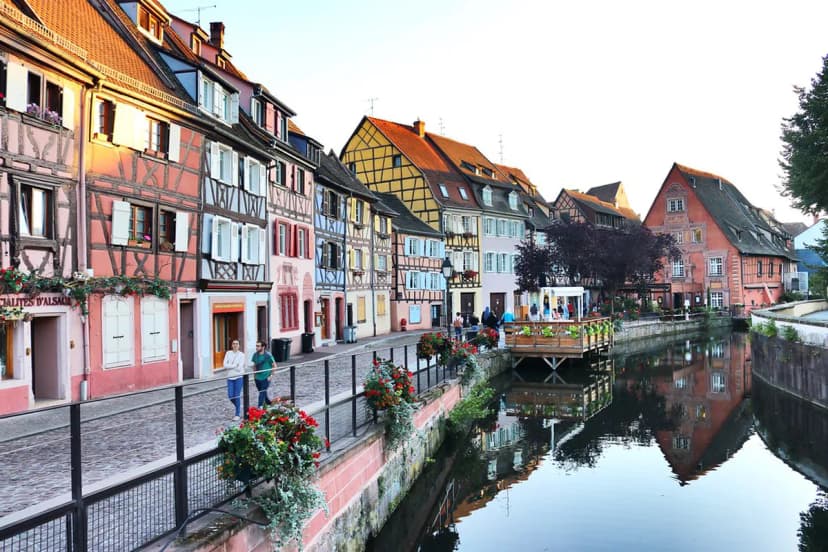
Tucked between the Koïfhus and the canals of Little Venice, the Quartier des Tanneurs (Tanners' District) is one of the most distinctive corners of Colmar's old town: a tight cluster of unusually tall, narrow half-timbered houses, most dating from the 17th and 18th centuries, that once belonged to the city's leather tanners. Their giveaway feature is the open loggia at the top of each gable, the airy loft where hides were hung out to dry. After falling into disrepair, the whole quarter was painstakingly restored between 1968 and 1974 and is now one of Colmar's most photographed streets. This 2026 guide explains why the houses are built so tall and thin, how to walk the quarter, the best spots for photos, and exactly how to get there. Best of all, it is free to wander at any hour.
Why the Houses Are Tall & Narrow
The shape of these houses follows directly from the trade that built them. Tanning turns raw animal skins into leather, and the final, slowest stage of the process is drying. To dry hides evenly and without rot, the tanners needed plenty of well-ventilated space high above the damp, smelly work going on at street level, so they pushed their houses upward rather than outward, packing several slim storeys onto small, expensive medieval plots. The result is the quarter's signature silhouette: skinny half-timbered façades, three or four storeys high, topped by an open timber loft, the séchoir, where the skins were hung out to catch the breeze.
Most of the surviving houses date from the 17th and 18th centuries, when tanning was a thriving Colmar industry. The neighbouring Lauch canal, including the small Brennbächlein channel, supplied the running water the tanners used to soak and wash the skins, which is why the trade clustered along the water beside what is now Little Venice. By the 19th century the tanneries had closed, and over the following century the cramped houses slowly decayed. They were saved by an ambitious municipal rescue: between 1968 and 1974 the quarter underwent a sweeping restoration that involved thirty-three properties, twenty-seven of which were fully restored, stripped back to their bare oak frames, cleaned, and rebuilt inside as modern apartments and offices while keeping their historic exteriors and drying lofts intact.
Walking the Quarter
The quarter is small and best explored slowly on foot. Start on the cobbled Rue des Tanneurs, the main spine, and let your eye travel up the façades to spot the open drying lofts under the eaves; you will quickly notice how the houses lean close together, leaving only a sliver of sky between gables. Side lanes and tiny courtyards branch off the main street, and several houses carry painted dates and old craft details that reward a closer look.
Allow about twenty to thirty minutes to wander unhurried, longer if you stop for photos or a drink. The streets are pedestrian and entirely free to walk, with no ticket, gate, or fixed hours, so you can come at any time of day. Early morning is calmest for an unhurried stroll, while late afternoon brings warm light. The quarter flows naturally into the adjoining Little Venice and the Koïfhus square, so it is easy to fold into a wider loop of the old town rather than treating it as a single stop.
Best Photo Spots
The classic shot looks straight down the Rue des Tanneurs, framing the receding line of leaning, half-timbered gables; a low or slightly tilted angle exaggerates how tall and tightly packed the houses are. For the famous reflection composition, walk the few steps to the Lauch canal and the Pont des Tanneurs, where the houses double in the water; this is the picture most visitors associate with the quarter and with Little Venice next door.
Light is kindest in the soft early morning, before the day-trip crowds arrive, and again at golden hour, when the timber frames glow. The narrow streets fall into shadow at midday, so overcast days can actually give more even results. Look up for detail shots of the open drying lofts, and step back toward the Koïfhus for a wider view that places the slim houses against the broader old-town skyline.
Getting There & Nearby
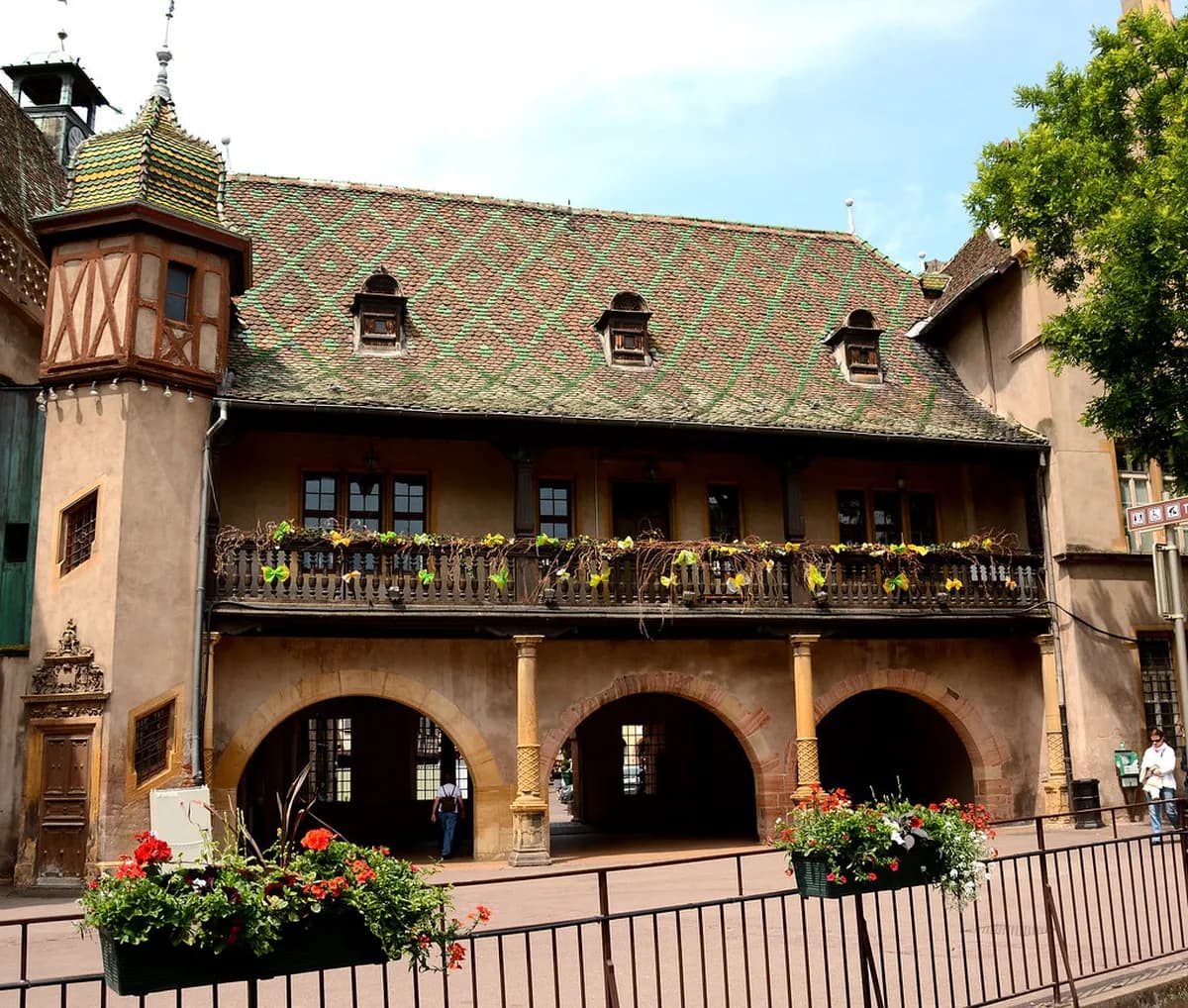
The Quartier des Tanneurs sits in the heart of Colmar's old town, immediately east of Little Venice and a couple of minutes' walk from the Koïfhus (the Old Custom House) and the Marché Couvert covered market. From Colmar railway station it is an easy 12 to 15 minute walk into the centre; the historic core is pedestrianised, so there is no useful parking inside the quarter itself, and drivers should use a central car park such as Parking Lacarre or Parking Rapp and continue on foot. Access to the streets and canal-side is free at all hours.
Because everything is so close, the quarter pairs perfectly with the rest of central Colmar. Stroll straight on into Little Venice and the old town, then read about the canals on the dedicated entity page for La Petite Venise. For more offbeat corners like this one, see our guide to hidden gems in Colmar, and for the full picture of how to fill a day or two, browse the wider things to do in Colmar.
Frequently Asked Questions
Is the Quartier des Tanneurs free to visit?
Yes. The Tanners' District is a set of public streets in Colmar's old town, so it is completely free to wander at any time of day. There is no ticket and no opening hours; the houses are private homes and offices, so you admire them from the street rather than going inside.
Why are the tanners' houses so tall and narrow?
Tanners needed lots of airy, well-ventilated space to dry animal hides, the slowest stage of making leather. On small, costly medieval plots they built upward instead of outward, adding several slim storeys topped by an open loft under the roof where the skins were hung to dry in the breeze.
When was the Tanners' District restored?
The quarter was restored between 1968 and 1974. The project involved thirty-three rundown properties, twenty-seven of which were fully restored, stripped back to their timber frames and rebuilt inside as apartments and offices while preserving the historic façades and drying lofts.