9 Best Day Trips from Colmar: Alsace Wine Route Guide (2026)
Discover the 9 best day trips from Colmar along the Alsace Wine Route. Explore Eguisheim and Riquewihr with our guide to the Kut'zig bus and cycling routes.
On this page
9 Best Day Trips and Travel Tips for the Alsace Wine Route from Colmar
After visiting the Grand Est region four times, I have found that Colmar serves as the perfect base for exploring the Alsace Wine Route. The city connects seamlessly to the most iconic villages via a network of seasonal buses, regional trains, and scenic cycling paths. This guide was last refreshed in May 2026 to include the latest transport schedules and pricing for the upcoming peak season. You should consider whether Colmar is worth the trip for at least three nights to fully appreciate these surrounding gems.
The Route des Vins d'Alsace is France's oldest wine route, stretching over 170 kilometers through rolling hills and medieval towns. While many travelers worry about navigating the rural landscape without a vehicle, the infrastructure for car-free travel is surprisingly robust. Our editors have reviewed every major village to ensure these recommendations prioritize authenticity and ease of access from the city center.
Free guide: France's Hidden Gems
12 under-the-radar places across Provence, Alsace & Occitanie — with the best season to visit each and a local tip you won't find in the guidebooks.
9 Best Day Trips and Travel Tips for the Alsace Wine Route
Choosing which villages to visit can be overwhelming given the density of fairytale architecture in this corner of France. Most travelers aim to see two or three stops in a single day to avoid rushing through the cobblestone streets. We recommend starting your journey early to experience the morning light on the timber-framed facades before the tour buses arrive. Check our list of our full Colmar guide to balance your village excursions with city sightseeing.
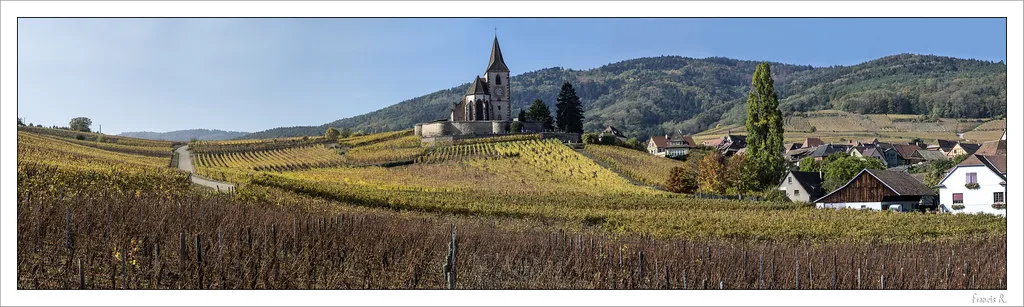
Each stop on the route offers a slightly different atmosphere, from the circular layout of Eguisheim to the fortified walls of Riquewihr. Wine enthusiasts will find that most local estates offer walk-in tastings, though booking ahead is wise for larger groups. Typical tasting fees range from €5 to €15, often waived if you purchase a bottle of the local vintage. Keep in mind that many smaller shops and tasting rooms close for a long lunch break between 12:00 PM and 2:00 PM.
- Eguisheim the Circular Medieval Village
- Eguisheim is a medieval village famous for its concentric circular streets and brightly colored half-timbered houses.
- Most visitors spend about two hours wandering the floral alleys and tasting local Riesling or Gewürztraminer wines.
- It is located just five kilometers south of Colmar and is easily reached by bike or the local bus line.
- Entry is free while wine tastings usually range from €5 to €15 depending on the specific vineyard.
- Try to visit the Three Castles of Eguisheim on the hill for a panoramic view of the Rhine Plain.
- Riquewihr the Jewel of the Wine Route
- Riquewihr is often called the most beautiful village in France due to its perfectly preserved 16th-century architecture.
- The main street climbs toward the Dolder Tower, offering dozens of opportunities for photography and local pastry sampling.
- Located 12 kilometers north of Colmar, it is a primary stop for the seasonal Kut'zig hop-on hop-off bus service.
- Public access is free and most shops are open daily from 10:00 AM until 6:30 PM throughout the summer.
- Arrive before 9:30 AM to see the village without the heavy crowds that typically arrive by midday.
- Kaysersberg Medieval Charm and Riverside Walks
- Kaysersberg features a stunning fortified bridge and a ruined castle that overlooks the lush Weiss River valley.
- It was voted France's favorite village in 2017 and remains a top pick for its authentic medieval atmosphere.
- The village is accessible via the 68R013 bus from Colmar, taking approximately 30 minutes to reach the center.
- Climbing the castle ruins is free and provides an exceptional vantage point over the surrounding organic vineyards.
- Wear sturdy walking shoes because the cobblestones here are particularly uneven compared to other nearby villages.
- Ribeauvillé the Town of Three Castles
- Ribeauvillé is a larger wine town known for the three castle ruins that loom over its northern skyline.
- The Grand Rue is lined with historic buildings and artisan shops selling local linens and pottery.
- Travelers can take a 15-minute train to Sélestat followed by a short bus connection to reach the town.
- The hike to the Saint-Ulrich castle takes about 45 minutes and is free for all adventurous visitors.
- Visit during the Pfifferdaj festival in September to see one of the oldest traditional festivals in the region.
- Turckheim Historic Gates and Night Watchmen
- Turckheim is unique for its three massive medieval gates and the tradition of the Night Watchman.
- The village feels less touristy than its neighbors and offers a peaceful look at daily Alsatian life.
- It is only one train stop away from Colmar, making it the easiest day trip for those on a tight schedule.
- The Night Watchman walk is free and starts at 10:00 PM every night from May through October.
- Check the train schedule carefully as evening services back to Colmar can be less frequent.
- The Statue of Liberty Bartholdi Connection
- A 12-meter replica of the Statue of Liberty stands in a roundabout at the northern entrance of Colmar.
- It honors Auguste Bartholdi, the sculptor of the original lady in New York who was born in Colmar.
- The statue is located near the airport and can be reached by local bus or a short taxi ride.
- Viewing the statue is free and it is accessible 24 hours a day as it sits in a public space.
- This is a quick 15-minute photo stop rather than a full-day destination for most travelers.
- The Kut'zig Hop-On Hop-Off Bus Experience
- The Kut'zig is a specialized convertible bus designed specifically for tourists exploring the heart of the wine route.
- It follows a set loop including Colmar, Ribeauvillé, Hunawihr, Riquewihr, Kaysersberg, Turckheim, and Eguisheim.
- The bus departs from the Colmar railway station and runs every 1 hour and 45 minutes during the day.
- Tickets cost approximately €17 for adults and should be booked in advance during the busy summer months.
- Download the official app to track the bus location in real-time and avoid waiting at the stops.
- Alsace Vineyard Cycle Road Active Exploration
- The Alsace vineyard cycle road offers a paved and mostly flat path through some of the region's best terroir.
- Cycling allows you to stop at smaller, family-run wineries that the larger tour buses often bypass.
- Rent a bike from Colmar Vélo near the station for roughly €15 to €25 per day.
- The paths are well-marked with green signs and are generally safe for families with older children.
- Opt for an e-bike if you plan to visit the higher-elevation villages like Ribeauvillé or Kaysersberg.
- Château du Haut-Kœnigsbourg Mountain Fortress
- Château du Haut-Kœnigsbourg is a fully restored 12th-century mountain fortress with incredible views of the Black Forest.
- The interior features detailed wood carvings, medieval weaponry, and reconstructed living quarters from the imperial era.
- A dedicated shuttle bus runs from the Sélestat train station directly to the castle gates throughout the year.
- Adult tickets cost around €12 and the castle is typically open from 9:30 AM to 6:00 PM daily.
- Book your time slot online during the summer to ensure entry to this highly popular historic site.
The Kut'zig Hop-On Hop-Off Bus Guide
The Kut'zig bus is the most convenient option for travelers who want to visit multiple villages without a rental car. This service operates seasonally, typically running every year from April to October and during the Christmas market period. The bus uses HVO biofuel, making it a more sustainable choice for exploring the delicate vineyard ecosystems. You can find more details on the Official Alsace Wine Route - Kut'zig Bus website.
The loop starts at the Colmar Railway Station, which is easily accessible from most city center accommodations. Buses run on a fixed schedule with a frequency of about 1 hour and 45 minutes between departures. This timing allows you to spend a decent amount of time in two or three villages before catching the next bus. Be sure to validate your ticket upon boarding and keep it handy for every subsequent leg of your journey.
One of the best features of this service is the open-top deck which provides panoramic views of the vines. If you are traveling solo, this is often the most cost-effective way to see the route safely while enjoying wine. The bus stops are clearly marked with the Kut'zig logo, usually located near the main entrance of each village. Check the Colmar practical tips for more advice on navigating local transportation.
| Village | Distance from Colmar | Known for |
|---|---|---|
| Eguisheim | ~10 min | Circular streets, "favourite village" |
| Riquewihr | ~20 min | Walled medieval wine town |
| Kaysersberg | ~20 min | Hilltop castle, vineyards |
| Ribeauvillé | ~25 min | Three castles, festivals |
Cycling the Alsace Wine Route: Best Paths and Rentals
Pedal along the Alsace vineyard cycle road for a truly immersive experience in the French countryside. The route is part of the EuroVelo 5 and is exceptionally well-maintained for cyclists of all skill levels. You will pass through sea-like expanses of Riesling grapes and charming hamlets that few motorists ever see. Visit the Visit Alsace - Dreaming of Alsace portal for detailed trail maps and elevation profiles.
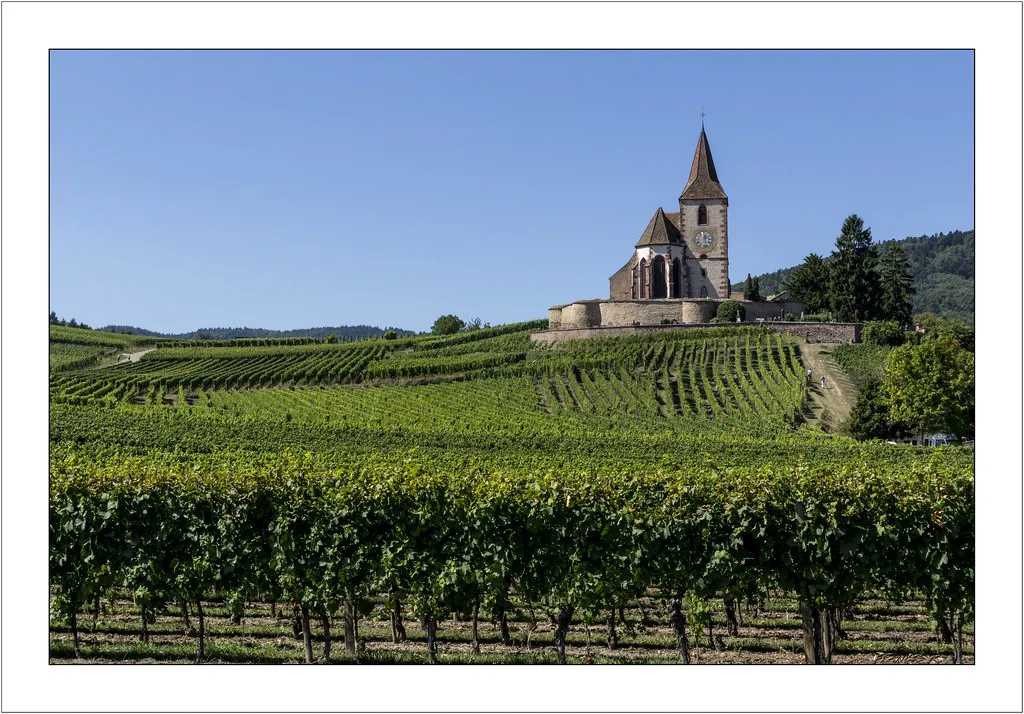
For rentals, we highly recommend Colmar Vélo – Vélodocteurs located right next to the train station. They offer a range of equipment including hybrid bikes, e-bikes, and even trailers for those traveling with toddlers. Expect to pay around €30 for a high-quality e-bike, which is a worthy investment for the rolling hills. If you prefer a more relaxed pace, consider a a Little Venice boat tour after your cycling adventure to rest your legs.
Safety is a priority on the wine route, as many paths share space with local agricultural vehicles. Always wear a helmet and stay on the marked paths to avoid damaging the valuable grapevines. Most wineries have dedicated bike racks where you can safely lock your equipment during a tasting session. Planning your route to be mostly downhill or flat will make the return trip to Colmar much more enjoyable.
How to Get to the Alsace Wine Route from Colmar
Transport logistics are the most common concern for visitors planning their first trip to the Grand Est. The regional TER trains are reliable and connect Colmar to larger hubs like Sélestat and Strasbourg within minutes. For the smaller villages, the Fluo Grand Est bus network provides several lines that service the vineyard communities. Review the when to visit Colmar to see how transport schedules change between summer and winter.
Car rentals offer the most flexibility but come with the challenge of finding parking in cramped medieval centers. Parking fees in popular villages like Riquewihr can be expensive, often costing €2 to €5 for a few hours. If you choose to drive, remember that France has very strict drink-driving laws that are heavily enforced in wine regions. Designating a driver or sticking to public transport is the safest way to enjoy the local wine culture.
Ride-sharing apps are not very common in the rural parts of Alsace, so do not rely on them for village hops. Local taxis are available but usually require a phone call and can be quite costly for short distances. Walking between villages like Riquewihr and Hunawihr is possible and takes about 30 minutes through the vineyards. Always carry a physical map or an offline digital version as mobile signal can be spotty in the valleys.
Is the Alsace Wine Route Worth Visiting Without a Car?
Many travelers ask if they can truly experience the magic of the wine route without their own vehicle. The answer is a resounding yes, provided you plan your itinerary around the Kut'zig bus or local train lines. In fact, exploring by bike or foot allows for a slower pace that matches the region's relaxed lifestyle. You can find more advice on trip duration in our guide on where to stay in Colmar for easy access.
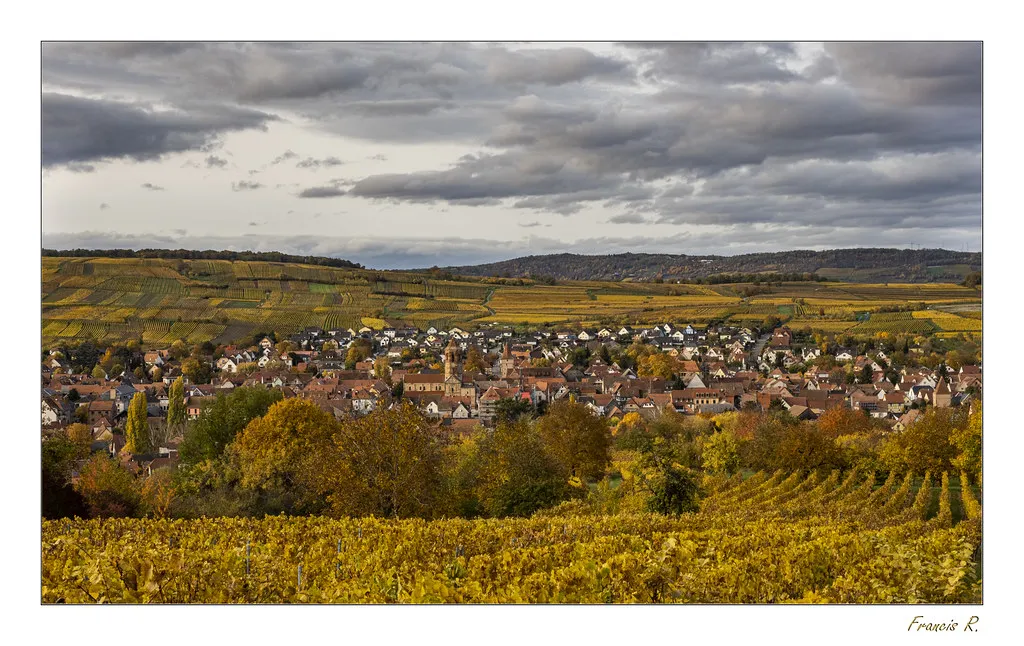
The main benefit of going car-free is the ability to participate in wine tastings without worry. Walking through the vineyards provides a sensory experience of the terroir that you simply cannot get from a car window. You will also avoid the stress of navigating narrow one-way streets designed for horse-drawn carriages. The cost of a bus pass or bike rental is often lower than the combined price of a rental car and fuel.
The only trade-off is that you are tied to a schedule and may not be able to reach the most remote wineries. However, the most iconic and beautiful villages are all well-served by the existing tourist infrastructure. If you are visiting in the off-season, be aware that bus frequencies decrease significantly outside of the summer months. Consult our the Colmar Christmas markets if you are planning a winter visit to the region.
What to Skip: Common Tourist Traps in Alsace
While the Alsace Wine Route is generally authentic, there are a few experiences that often under-deliver for the price. The 'Petit Train' tours found in almost every major village are often noisy and provide very basic historical information. I recommend skipping these automated tours in favor of a self-guided walking tour using a local map. Walking allows you to duck into quiet side streets that the large tourist trains cannot physically enter.
Be wary of restaurants located directly on the main squares of Riquewihr or Ribeauvillé that lack local diners. These establishments often serve mass-produced versions of traditional dishes like Choucroute or Tarte Flambée at inflated prices. Walking just one or two blocks away from the main tourist drag will usually lead you to much better quality. Look for the 'Cuisine Idéale' or 'Maître Restaurateur' labels which signify a commitment to fresh, local ingredients.
Avoid visiting the most popular villages on weekends in July and August if you prefer a quiet atmosphere. The crowds can become overwhelming, making it difficult to appreciate the architecture or find a table for lunch. Mid-week visits or early morning arrivals provide a much more intimate experience of these fairytale settings. If you must visit during peak times, head to lesser-known villages like Bergheim or Niedermorschwihr for a peaceful alternative.
Good to know
The Alsace Wine Route (Route des Vins) threads through dozens of villages just minutes from Colmar. Eguisheim, Riquewihr, and Kaysersberg are the three classic stops.
Without a car, the seasonal "Kut'zig" / wine-route shuttle buses connect the main villages in summer; a guided minibus tour is the easy alternative.
Frequently Asked Questions
What is the best way to see the Alsace Wine Route without a car?
The Kut'zig hop-on hop-off bus is the most efficient car-free option from April to October. Alternatively, renting an e-bike in Colmar allows you to explore the vineyards at your own pace while visiting multiple villages in one day.
How much time do you need for a day trip to Riquewihr?
You should set aside at least three to four hours to explore Riquewihr properly. This allows enough time to walk the main street, visit the Dolder Tower museum, and enjoy a relaxed wine tasting at a local cellar.
Is the Kut'zig bus worth it for solo travelers?
Yes, the Kut'zig bus is excellent for solo travelers because it provides safe, reliable transport for about €17. It removes the high cost of a private tour while allowing you to meet other travelers on the convertible top deck.
Exploring the Alsace Wine Route from Colmar is a highlight of any trip to eastern France. Whether you choose the convenience of the Kut'zig bus or the active challenge of the vineyard cycle road, the scenery is guaranteed to impress. Plan your visits around the smaller villages to find the most authentic wine-tasting experiences and avoid the heaviest tourist crowds.
Remember to book your transport and castle tickets in advance if you are traveling during the summer or the festive December season. With its blend of German and French influences, this region offers a unique cultural experience that is best savored slowly. Enjoy your journey through the vines and the unforgettable hospitality of the Alsatian people.
Free guide: France's Hidden Gems
12 under-the-radar places across Provence, Alsace & Occitanie — with the best season to visit each and a local tip you won't find in the guidebooks.
You might also like


Continue reading
More guides you'll find useful