
8 Best Colmar Wine Tasting Tips & Venues (2026)
Discover the best Colmar wine tasting experiences. From city center tasting rooms to the Alsace Wine Route, plan your perfect self-guided or guided tour.
On this page
8 Best Colmar Wine Tasting Tips & Venues
Colmar is the unofficial capital of Alsace wine, and the tasting opportunities here range from 17th-century family cellars in the old town to sleek cooperative showrooms at the city's edge. You do not need a car or a tour booking to get started — three excellent producers sit within ten minutes' walk of each other in the historic center. This guide covers the best spots for a Colmar wine tasting in 2026, plus the wineries worth the short drive or bike ride out to the Route des Vins d'Alsace. You can find plenty of 12 Best Things to Do in Colmar 2026: A Fairy Tale Guide, but understanding the region's wines makes every other experience richer.
Alsace produces some of the most expressive white wines in France, and the city sits at the center of a 170-kilometre wine route running from Marlenheim to Thann. Most tastings in and around Colmar cost between €6 and €20 per person, with many fees waived on a bottle purchase. The producers below have been selected for the quality of their wines, their openness to walk-in visitors, and the experience they offer beyond a simple counter pour.
Free guide: France's Hidden Gems
12 under-the-radar places across Provence, Alsace & Occitanie — with the best season to visit each and a local tip you won't find in the guidebooks.
Understanding Alsatian Wine Varieties
Alsace is one of the few French wine regions that labels bottles by grape variety rather than appellation. This makes tastings unusually straightforward: you know what you are drinking before you pick up the glass. Riesling is the benchmark grape here — bone-dry, high in acidity, with citrus peel and slate minerality. The best examples come from Grand Cru hillside plots carved from granite and sandstone soils.
Gewürztraminer is the grape that surprises most first-time visitors. It smells intensely of lychee, rose water, and ginger spice, yet a well-made Alsatian Gewürztraminer finishes dry. It pairs exceptionally well with local Munster cheese, and most producers pour it mid-flight so your palate is still fresh. Pinot Gris offers a richer, more textured alternative to Riesling — think white peach and beeswax — while Muscat shows pure floral aromatics at a lighter weight.
Do not leave Alsace without trying Crémant d'Alsace, the region's traditional-method sparkling wine. It is made predominantly from Pinot Blanc and retails for €8–€15 in most tasting rooms, a fraction of comparable Champagne. Pinot Noir rounds out the portfolio as the region's only red, typically light-bodied with cherry fruit — worth tasting once, though whites dominate. Knowing these six varieties helps you navigate any tasting menu and ask the producer the right questions.
Tasting etiquette in Alsace varies by estate size. At family cellars, brief conversation with the winemaker is expected and appreciated — ask about specific vineyard plots or harvest conditions. At larger cooperatives, the process is more streamlined. Always spit or pour out unfinished tastes into the provided bucket; swallowing every pour is a sure sign of a tourist and dilutes your palate for wines you truly want to evaluate.
Domaine Viticole de la Ville de Colmar
This estate is owned by the city of Colmar itself, a legacy of medieval hospital vineyards that survived the Revolution. It has two tasting shops in the city center: the main boutique at 27 Grand'Rue (busier, central) and a quieter second address at 2 Rue du Stauffen that most visitors overlook. Both pour the same wines; the Rue du Stauffen location tends to have shorter waits and more time for conversation with the staff.
The estate's strength is its Grand Cru holdings on plots like Hengst and Steingrubler — wines you cannot find on a supermarket shelf. Tastings run from €10 to €25 per person depending on the flight chosen, with the premium selection covering four Grand Cru whites. Opening hours are Monday to Saturday, 10:00–12:00 and 14:00–18:00. No reservation is required for individuals, though groups of six or more should book ahead by email.
| Alsace Grape Variety | Flavor Profile | Style / Notes |
|---|---|---|
| Riesling | Citrus peel, slate, minerality | Benchmark dry white; pairs with seafood and light charcuterie |
| Gewürztraminer | Lychee, rose water, ginger spice | Surprisingly dry despite intense aromatics; exceptional with Munster cheese |
| Pinot Gris | White peach, beeswax, texture | Richer alternative to Riesling; fuller body, food-friendly |
| Muscat | Pure floral aromatics, light | Lighter weight; good aperitif or dessert pairing |
| Crémant d'Alsace | Brioche, citrus, minerality | Traditional-method sparkling (Pinot Blanc base); fraction of Champagne cost |
| Pinot Noir | Cherry fruit, light body | Region's only red; worth tasting once, not a focus |
Wolfberger Tasting Room
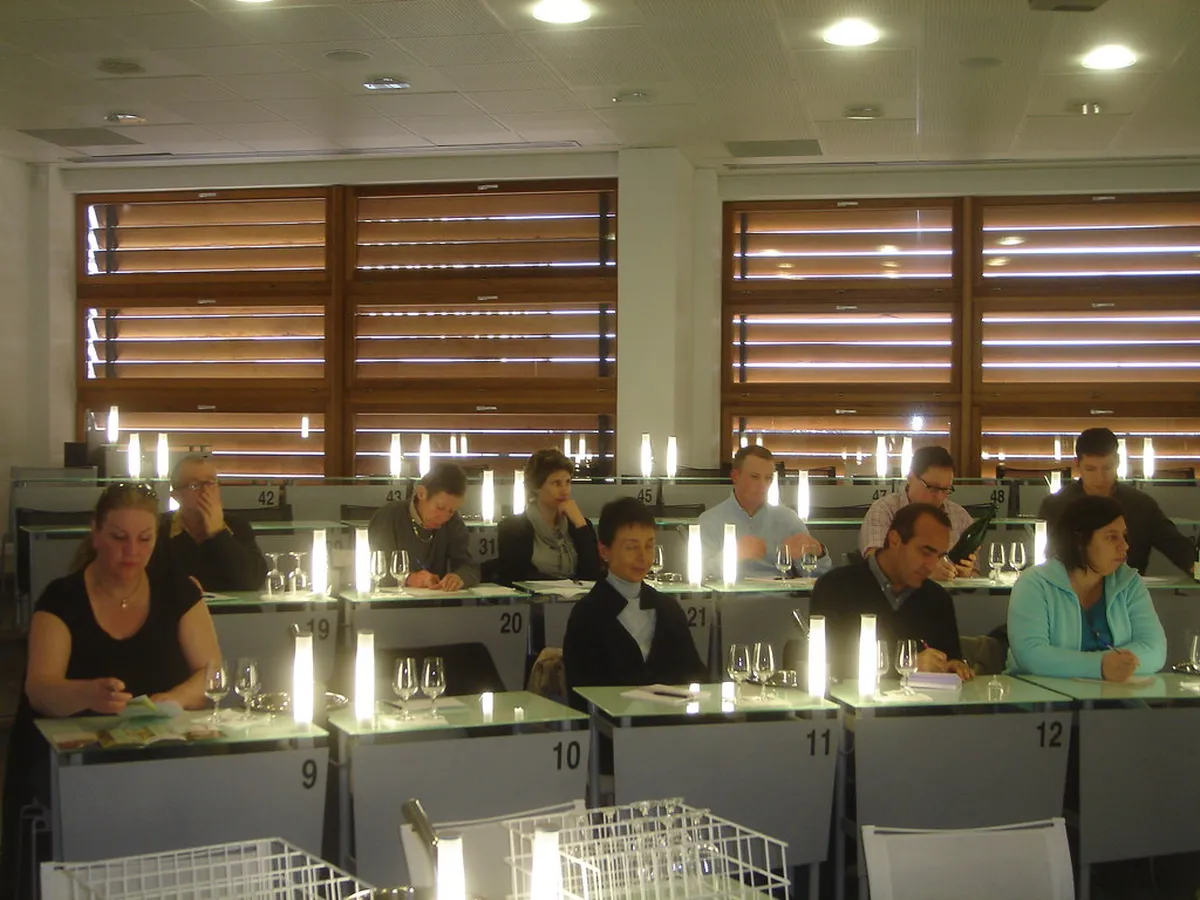
Wolfberger is one of the largest wine cooperatives in Alsace, representing nearly 3,000 hectares of vineyards across the region. Their Colmar boutique at 5 Chemin de la Fecht is a 30-minute walk from the old town (or a short taxi ride), set inside a modern, well-lit space designed for high-volume tastings. It is not the most intimate experience, but it is by far the most comprehensive: visitors can compare dry Riesling, Crémant rosé, brandy, and late-harvest Vendange Tardive in a single session.

Basic tasting flights start at €8 and are frequently waived with a minimum purchase. The room is open daily from 10:00 to 19:00, making it ideal for late arrivals who miss the lunch-break closures at family estates. This is the best single location in the Colmar area to taste side-by-side comparisons of different Crémant d'Alsace styles — brut, rosé, and demi-sec — at accessible prices.
Domaine Robert Karcher et Fils
The Karcher estate has operated from its courtyard winery in the heart of the old town since 1956. The tasting room sits behind a heavy wooden gate on a quiet side street, framed by timber-framed buildings that date to the 17th century. It is the most atmospheric city-center tasting in Colmar: there are wooden tables where you can sit, hand-drawn vineyard maps on the walls, and wines poured at a relaxed pace. Unlike many family estates, Karcher allows each taster in a group to try different wines.
Fees range from €5 to €15 per person. The estate is open daily from 10:00 to 12:00 and 14:00 to 18:30. No appointment is needed for walk-ins. Their Riesling from the Florimont Grand Cru is a standout pour — lean, saline, and built to age. Look for the 'Vigneron Indépendant' plaque at the entrance: it confirms the estate grows, produces, and sells its own wine, as opposed to a retail shop blending bought-in stock.
Top Wineries Near Colmar: Eguisheim and Riquewihr
The three city-center estates above cover a solid half-day on foot. If you have a car, a bicycle, or a spare half-day, the villages within 15 kilometres of Colmar add a different dimension. Eguisheim — 5 km south — is the most accessible and is often voted France's most beautiful village. Domaine Emile Beyer in the village center has produced wine since the late 16th century; their Pfersigberg Riesling is a reference point for how granite soils shape the grape. Tastings cost €12–€30 and run daily 10:00–12:30 and 13:30–18:00.
In Riquewihr (13 km north), Domaine Agapé is run by Vincent Sipp and focuses on precision winemaking from organically farmed Grand Cru plots. It is intimate and popular — booking ahead via the Winalist platform or direct email is strongly recommended, especially in July and August. Expect to pay €15–€20 for a guided tasting. Bott Frères in nearby Ribeauvillé (17 km north) is a good alternative: certified organic since 2022, open 09:00–18:00 without a lunch break, and accessible enough for walk-ins on most weekdays. Check the Alsace Wine Route day trips guide for a full village-by-village breakdown of the route.
For eco-conscious travelers, Domaine Stentz-Buecher in Wettolsheim (4 km west of Colmar) and Domaine Martin Jund in the city center are both leaders in organic and biodynamic viticulture. Jund's courtyard tasting at 12 Rue de l'Ange is particularly relaxed — the estate also runs minibus vineyard tours lasting around three hours, bookable directly for small groups.
Guided vs. Self-Guided Wine Tours from Colmar
Self-guided tasting works well for anyone sticking to the city center. The three main walkable estates — Viticole de la Ville, Karcher, and Jund — form a natural triangle reachable in under 15 minutes on foot. A sensible order is: start at Domaine Viticole (Grand'Rue) for the Grand Cru overview, cross to Karcher for the courtyard atmosphere and dry Riesling, then finish at Jund for organic wines and a possible outdoor tasting in the courtyard. Spread these across a morning (10:00–12:00) before the lunch-break closures, or a late afternoon (14:30–18:00) after the estates reopen.
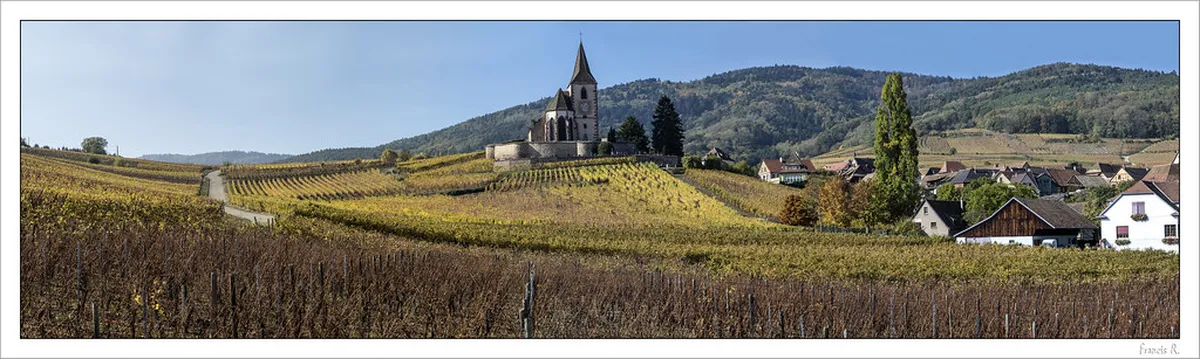
Guided tours from Colmar make more sense for the Wine Route villages, where driving between six small estates without a dedicated driver is either impractical or a sober-driving exercise. Half-day guided wine tours typically depart at 09:00 or 13:30, cover two or three village wineries, and cost €35–€65 per person including tastings. Full-day tours run to €90–€120 and often include a vineyard walk and a lunch at a local winstub. Booking platforms like Winalist Colmar list available sessions by date with confirmed availability, which is more reliable than emailing individual estates during peak season.
For those without a car, e-bikes are a practical middle ground for reaching Eguisheim and Wettolsheim. Colmar has several e-bike rental shops near the train station charging around €25–€35 per day. The cycling path to Eguisheim follows flat vineyard roads and takes about 25 minutes each way. This option gives the visual reward of cycling through vines while keeping transport costs well below a hired guide. Avoid this approach in December: December roads are cold and wine shops in villages reduce hours significantly.
City Center Walking Sequence and How to Spot Genuine Producers
A recurring problem for first-time visitors is the proliferation of wine shops in Little Venice that look like tasting rooms but are actually retail outlets selling bought-in stock at tourist markups. The simplest check: look for the oval 'Vigneron Indépendant' plaque on the door or the 'Producteur-Récoltant' designation on labels. These designations confirm the estate grows its own grapes, makes its own wine, and sells it directly. Karcher, Jund, and the Domaine Viticole de la Ville are all legitimate producers; generic souvenir shops near the canal rarely are.
For the city-center walk, the practical sequence is: enter the old town from Place Rapp, take Rue des Marchands north to Grand'Rue for Domaine Viticole (or divert to Rue du Stauffen for the quieter second shop), then walk five minutes west to Rue de l'Ange for Maison Martin Jund, and finish seven minutes south on the back streets to Domaine Karcher. The whole loop is under 2 kilometres. Bring a small soft-sided bag for bottles — most cellars sell wine by the bottle from tasting, and a single good Grand Cru Riesling runs €12–€25 per bottle, which is outstanding value for what you take home.
Also worth noting: the Colmar tourist office sells a Coeur d'Alsace tasting booklet in some seasons, which bundles prepaid dégustations at several partner estates into a single discounted pass. Availability varies by year, so check at the office on Rue des Unterlinden when you arrive. Even without the pass, the rule of thumb applies — the tasting fee is waived at almost every estate if you buy two or more bottles, so the experience often costs nothing if you were planning to buy wine anyway.
Practical Booking Advice and Reservation Tips
City-center estates in Colmar generally welcome walk-ins, but the dynamic changes outside the city. Village estates along the Wine Route are typically family operations run by one or two people. Arriving without notice means the winemaker may be in the vineyard, the cellar locked. Emailing or calling two or three days ahead is sufficient for most village producers outside of peak season. In July, August, and the Christmas market weeks (late November through late December), book at least a week in advance — harvest season in September and October adds a further squeeze.
Most family estates are closed on Sunday afternoons and all day Monday. Plan village visits for Tuesday through Saturday, ideally arriving by 11:00 before the 12:00 lunch closure or after 14:00 when estates reopen. The Rue des Vignerons Alsace platform lists current opening hours and allows direct online booking for most estates in the Colmar area, including last-minute slots that open when cancellations occur.
When shipping wine home, the logistics are less complicated than they appear. International shipping from an Alsace producer runs roughly €40–€70 for a six-bottle box to the UK, and €60–€90 to North America — expensive, but a specialized foam wine carrier (sold at airport shops and online for €15–€30) fits two to three bottles safely in checked luggage and pays for itself on a first trip. Many producers who regularly ship internationally use trusted freight partners and can quote directly; ask at the tasting if you buy more than six bottles.
Book village estates at least three days ahead during off-season (January–May, September–early November) and one week ahead during peak season (July–August) or Christmas markets (late November–late December). Use the Rue des Vignerons platform (ruedesvignerons.com) to check real-time opening hours — many family operations close Monday and Sunday afternoons without warning. Harvest season (late September–mid-October) is busiest; if visiting then, book weeks in advance and confirm availability.
How to Plan Your Colmar Wine Itinerary
A single afternoon in Colmar is enough to visit two or three city-center producers without feeling rushed. Two days allows you to do the city walk on day one and a village excursion (Eguisheim or Riquewihr) on day two. Three or more days opens up the full southern Wine Route, including Thann and Guebwiller, which are undervisited relative to the more famous northern villages. Limit yourself to three tasting stops per day — palate fatigue is real and dulls the distinctions between a basic Riesling and a Grand Cru by the fifth pour.
Timing matters across the calendar. The summer months (June through August) have the longest hours and the most vibrant outdoor atmosphere, with many estates opening their courtyards. Harvest (late September through mid-October) brings a specific energy — pressing tanks running, the smell of fermentation in the air — but it is also the busiest period and walk-ins become harder. A Kaysersberg day trip during harvest pairs well with a morning tasting at a local estate before the afternoon crowds arrive. Winter visitors during the Christmas market should book every estate visit in advance, with extra buffer for Monday closures and holiday shutdowns.
Frequently Asked Questions
Should I book a wine tasting in Colmar in advance?
Yes, booking in advance is highly recommended for small family estates and large groups. During the peak summer and Christmas market seasons, popular tasting rooms like Domaine Karcher often fill up days in advance. A quick email or phone call ensures you have a dedicated staff member to guide your experience.
What is the average price of a wine tasting in Colmar?
A standard wine tasting in Colmar typically costs between €8 and €20 per person. This fee usually covers four to six different wine samples and a brief explanation of the estate's history. Many producers will waive this fee entirely if you purchase two or more bottles of wine.
Can you do wine tasting in Colmar without a car?
Absolutely, as Colmar has several excellent tasting rooms right in the historic city center. Estates like Domaine Martin Jund and Robert Karcher are easily reachable on foot from any central hotel. For nearby villages, you can use the 'Kutzig' hop-on-hop-off bus or rent an e-bike to explore safely.
Colmar sits at the center of one of France's most drinkable and underrated wine regions. The combination of walkable city-center cellars and short excursions to medieval wine villages makes it possible to build a genuinely rich tasting experience without a rental car or a tour package. Knowing which producers are independent growers, which day of the week estates are open, and how to sequence a walking tasting puts you well ahead of most visitors. Whether you leave with a single Grand Cru bottle or a full case arranged for shipping, the wines of Alsace are worth the time you give them.
Free guide: France's Hidden Gems
12 under-the-radar places across Provence, Alsace & Occitanie — with the best season to visit each and a local tip you won't find in the guidebooks.
You might also like


Continue reading
More guides you'll find useful


