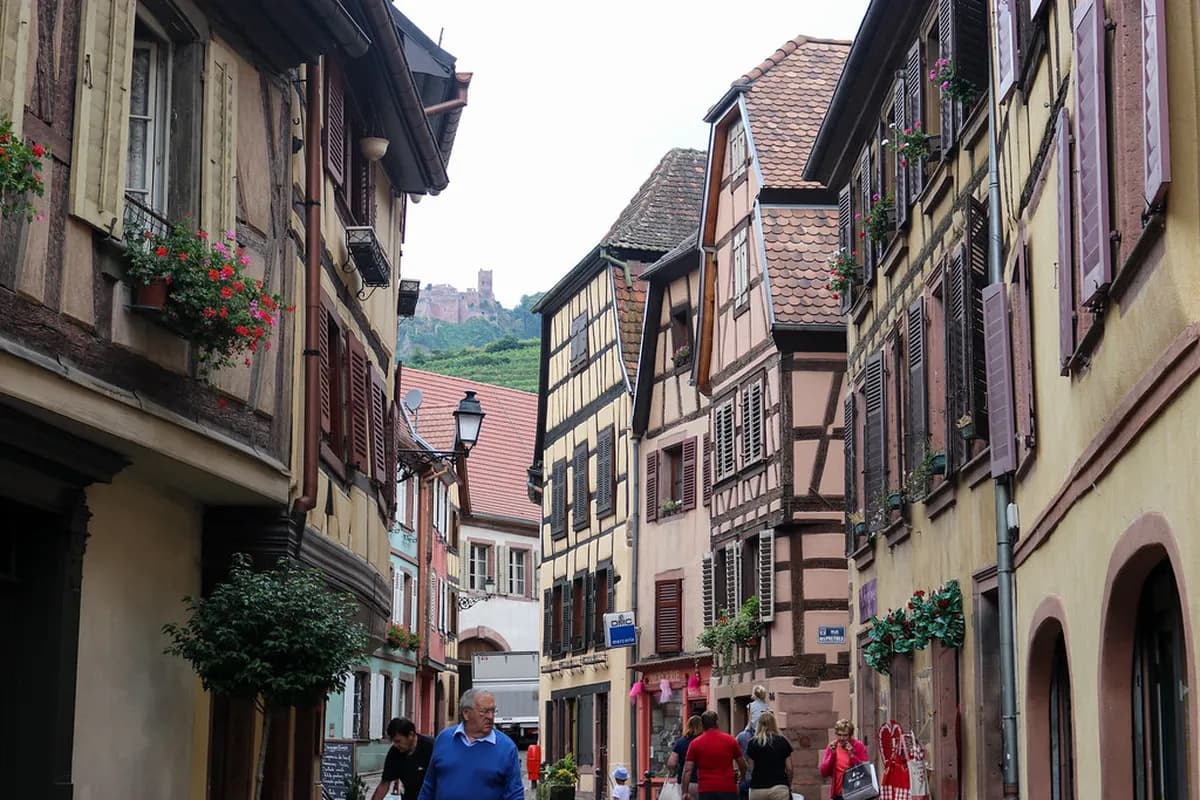
Colmar to Freiburg: 8 Best Ways to Travel (2026 Guide)
Compare train, bus, and driving options from Colmar to Freiburg. Find the cheapest tickets, learn about the Müllheim transfer, and get local travel tips.
On this page
Colmar to Freiburg: 8 Best Ways to Travel
Colmar and Freiburg sit just 38 km apart across the Rhine, yet most visitors to Alsace never make the crossing. That is a mistake. Freiburg is Germany's sunniest city, a compact university town with a Gothic cathedral, tram-laced streets, and direct trail access into the Black Forest. You can learn more about Freiburg's history and geography on Wikipedia. Getting there from Colmar takes under two hours by any mode of transport.
This guide covers every realistic option for 2026: the train route via Müllheim, the bus alternatives, driving across the Rhine, and the regional passes that none of the booking aggregators explain properly. It also flags a few practical traps — the German environmental sticker, the Müllheim ticket-stamping rule, and the best time of day to travel — that first-timers consistently miss.
Free guide: France's Hidden Gems
12 under-the-radar places across Provence, Alsace & Occitanie — with the best season to visit each and a local tip you won't find in the guidebooks.
Route Overview and Mode Comparison
The distance from Gare de Colmar to Freiburg (Breisgau) Hbf is 38 km by rail and around 60 km by road via the A35/A5 Rhine crossing. There is no direct train in 2026 — all rail journeys require one transfer. The fastest trains take 1 hour 28 minutes; average is closer to 1 hour 58 minutes. Around 35 trains per day run this corridor, so missing one is not a disaster.
Buses are slower but cheaper. Driving is the fastest door-to-door option at roughly 56 minutes, but parking in central Freiburg adds cost and complication. The table below summarises the key numbers for each mode.
| Mode | Journey time | Average cost | Frequency | Best for |
|---|---|---|---|---|
| Train (with transfer) | 1h 28m – 1h 58m | €25 – €40 | ~35/day | Comfort, reliability |
| Bus (direct) | 1h 03m – 1h 30m | €3 – €12 | ~4/day | Budget travellers |
| Driving | ~56 min | €8 – €12 (fuel + tolls) | Flexible | Groups, Black Forest onward |
All prices in this guide are one-way. You are crossing an international border, so carry a valid ID or passport — there are usually no active checks, but random spot checks happen on trains and buses.
| Transport Method | Journey Time | Cost Range | Transfers | Best Route Notes |
|---|---|---|---|---|
| Train (SNCF TER + DB) | 1h 28m – 1h 58m | €25–€40 (or €24 day pass for 1) | 1 (Müllheim) | Colmar Gare → Müllheim (Baden) → Freiburg Hbf; validate paper TER tickets in composteur |
| Bus (BlaBlaCar/FlixBus) | 1h 03m – 1h 30m | €3–€12 | 0 (direct) | Direct from Colmar station area; cheapest if booked 1+ weeks ahead |
| Car (A35 + A5/B31) | ~56 minutes | €8–€12 (fuel, no tolls) | 0 (direct) | Colmar → Neuf-Brisach → Breisach → B31 toward Freiburg; requires Umweltplakette green sticker |
Train Travel: Routes and the Müllheim Transfer
The standard rail journey starts at Gare de Colmar, a handsome 19th-century station a short walk from the Colmar old town and Little Venice. From there you ride a SNCF TER regional train west toward Mulhouse, then change direction at Müllheim (Baden) in Germany onto a Deutsche Bahn regional service into Freiburg Hbf. The whole journey involves one platform change.
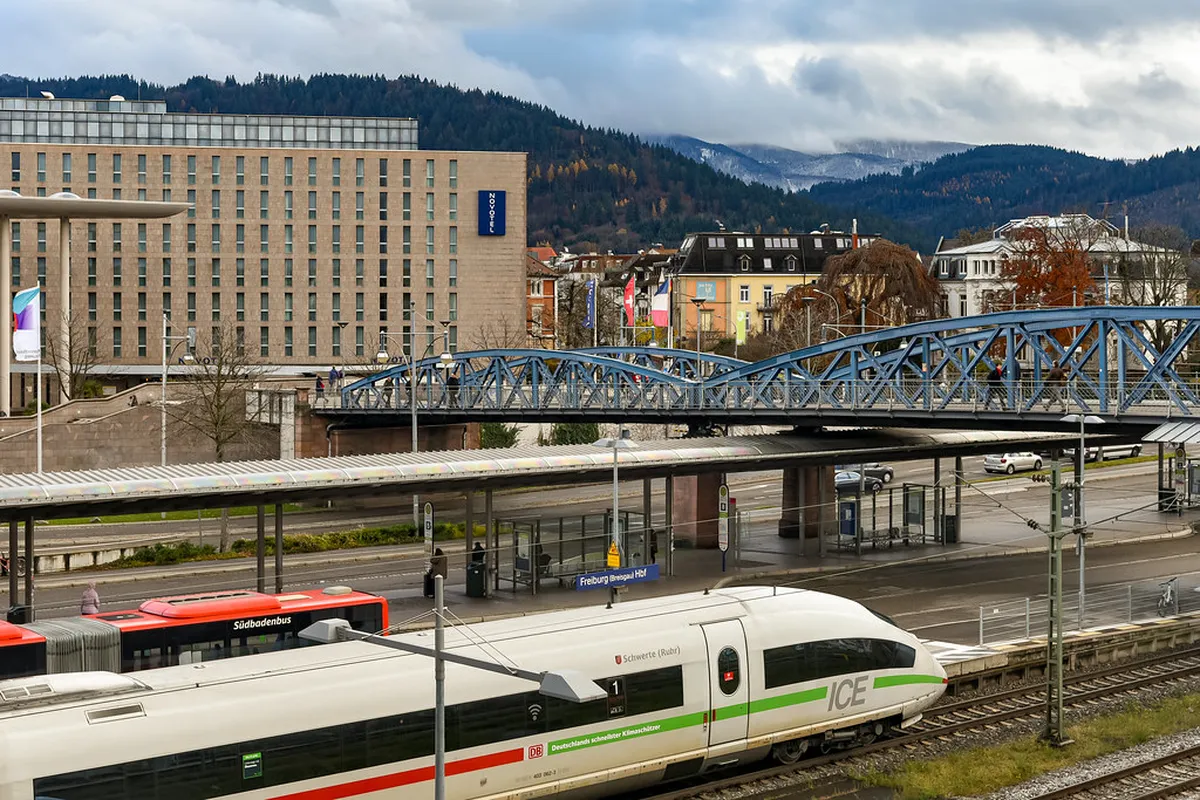
Müllheim (Baden) is a small station. The TER from Colmar arrives on one platform and the DB train to Freiburg departs from another, usually within 8 to 15 minutes. Check the digital departure board immediately when you step off — platform numbers are not always consistent. First trains from Colmar depart at 00:10 and the last departure is around 22:36, giving you a wide operating window.
Book TER tickets via the SNCF Connect app or website. The French portion is typically €8 – €14 depending on how far in advance you buy. The DB leg from Müllheim to Freiburg costs around €5 – €10 if purchased separately on the DB Navigator app. Some aggregators like Trainline sell the full journey as one itinerary from around €24.80, which is convenient but not always the cheapest. Main rail operators on this route include SNCF, Deutsche Bahn, TGV Lyria, and FlixTrain.
TER regional trains do not require seat reservations. Bring luggage you can handle yourself — TER trains have no baggage size limit but also no staff assistance. Children under 12 travel at 50% off on TER; under-4s travel free on lap. On the DB side, children under 15 travel free with a paying adult on regional services.
The Müllheim Ticket Rule Most Visitors Get Wrong
This is the most common mistake on this route. If you buy a paper TER ticket (rather than a mobile e-ticket on your phone), you must validate it in an orange stamping machine — called a composteur — on the French platform before boarding. These machines are positioned at the platform entrance at Colmar station. If you forget and board unstamped, the conductor can issue a €50 penalty fare on the spot, even if you have a valid ticket in hand.
Once you cross into Germany and board the DB train at Müllheim, the validation rules change. German regional trains use a different system: your DB ticket (purchased via DB Navigator or shown on a phone) is valid as-is. There is no stamping step on the German side. The two systems run in parallel and do not speak to each other, which is why mixed French-German tickets confuse so many first-timers.
If you purchase an e-ticket through SNCF Connect and display it on your phone, the composteur step is skipped — the QR code serves as validation. This is the simplest approach for most travellers in 2026.
Paper TER tickets MUST be validated (stamped) at Colmar station before boarding—the fine for boarding unstamped is €50, even with a valid ticket. Mobile e-tickets from SNCF Connect skip this step entirely and are the quickest method for 2026 travellers.
Crossing from France to Germany at Müllheim: carry valid ID or passport. There are usually no active border checks, but random spot checks happen on trains and buses. Both countries are in the Schengen Area, so the crossing is routine but document verification is mandatory.
Bus Options: FlixBus and BlaBlaCar Bus
The bus is the cheapest way to do this route. BlaBlaCar Bus runs approximately four direct services per day between Colmar and Freiburg, with tickets starting from €3. The Réseau interurbain Haut-Rhin (Fluo) regional bus also connects the two cities on select schedules. Buses are direct — no transfer at Müllheim — which some travellers prefer despite the longer total travel time of 1 hour to 1 hour 30 minutes.
FlixBus also operates on this corridor on certain days. Check both the FlixBus and BlaBlaCar Bus apps when comparing options, as schedules and availability differ week to week. The bus stop in Colmar is adjacent to the main train station, making it easy to compare departure times before committing.
Booking at least one week ahead typically secures the lowest fares. If you are travelling on a Friday evening or weekend morning, book earlier — these services fill up with students commuting between the two university cities. Buses are modern with power outlets and free Wi-Fi. They are a smart choice if you want to save your spending money for day trips from Colmar and local dining.
Regional Passes: Saving Money with the DuBus or Regio-Ticket
This is the section that booking aggregators never explain, and it can dramatically reduce what you pay. Two regional pass schemes cover this cross-border corridor in 2026. Understanding them is particularly useful if you are visiting for a full day or travelling with others.
The Regio-Ticket Baden-Württemberg covers unlimited travel on regional DB trains within the Baden-Württemberg zone, which includes Freiburg and the entire Rhine Valley corridor toward Müllheim. A day ticket costs around €24 for one person or up to €38 for five people travelling together. If you are in a group of three or more, this beats individual point-to-point tickets easily. Purchase it at any DB ticket machine in Germany or via the DB Navigator app.
On the French side, the DuBus Alsace pass (operated under the Fluo branding) allows unlimited bus travel across the Haut-Rhin department. Day passes cost around €10 and cover the regional bus routes including services that cross into Germany toward Breisach and Freiburg. This pass is less useful for pure Colmar-Freiburg trips but becomes excellent value if you are combining the day trip with other Alsatian villages on the same day.
If you hold a valid French youth card (Carte Jeune) or are over 60 with a SNCF Avantage senior card, TER Grand Est also applies automatic discounts of 25–50% on top of the base fare. These reductions apply to the French segment of the journey and stack well with the DB regional day tickets for the German leg.
Driving: Route via the A5 and Parking in Freiburg
Driving takes about 56 minutes door-to-door in normal traffic. From Colmar take the A35 motorway north to the Neuf-Brisach/Breisach exit, cross the Rhine on the Pont de l'Europe bridge, then join the German B31 road east toward Freiburg. Once in Germany you can also use the A5 autobahn for a slightly longer but faster approach. There are no tolls on German motorways — the A5 is free. The French A35 has no toll either on this short stretch.
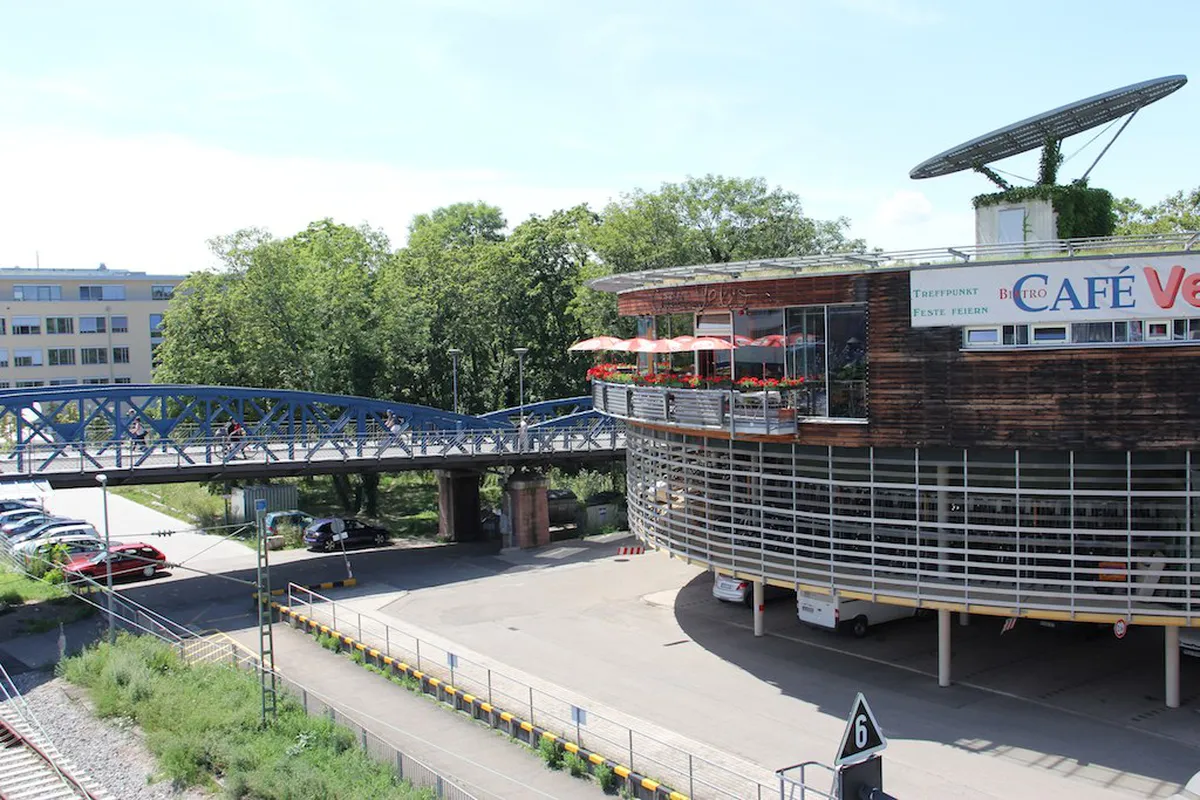
Germany requires an Umweltplakette (environmental zone sticker) for vehicles entering Freiburg's city centre. The sticker is green and costs around €6 – €10 from a German garage, TÜV centre, or online at umwelt-plakette.de. Most rental cars from major agencies already have one affixed, but verify this before driving into the centre — the fine for entering without one is €80. If you are driving your own non-German car, order the sticker online before you travel.
Parking in central Freiburg is limited and expensive on weekends. A better approach is to use one of the signposted Park and Ride (P+R) facilities on the city outskirts — Freiburg has well-maintained P+R lots at Messe, Lehen, and St. Georgen, all linked to the VAG tram network for around €1.50 per person into the centre. Driving makes the most sense if you plan to continue deeper into the Black Forest after your city visit. If you need a hotel in Colmar with parking for an early departure, book one with a private car park.
Booking Tickets: SNCF, Deutsche Bahn, and FlixBus
For the train, the cleanest approach in 2026 is to book the French TER segment through SNCF Connect (sncf-connect.com or the app) and the German DB segment separately through DB Navigator. This gives you control over both legs and access to the cheapest available fares. Combined booking via Trainline or Omio is faster but adds a service fee and sometimes misses cheaper fare classes.
For buses, check BlaBlaCar Bus and FlixBus directly. Prices fluctuate — a journey that costs €3 on a Tuesday can jump to €12 on a Friday afternoon. Set up a price alert if you have a flexible travel date. All bus operators accept mobile tickets, so no printing is required.
For regional day passes, use DB Navigator for the Regio-Ticket and the Fluo Alsace website or app for the DuBus pass. Both platforms are available in English. Tickets purchased through these official channels are always valid on the relevant services; third-party aggregators occasionally sell the wrong ticket type for regional pass holders.
Best Time of Day to Travel Between Colmar and Freiburg
Trains run from early morning (first departure around 00:10 from Colmar) through to late evening (last around 22:36). The most convenient window for a day trip is departing Colmar between 08:00 and 10:00 — trains during this period are less crowded than commuter rush hours and arrive in Freiburg in time for the Münster market and a full afternoon of sightseeing. Aim to leave Freiburg by 19:00 to 20:00 for a comfortable return.
Avoid Friday afternoons between 16:00 and 18:30 in both directions. The Colmar-Müllheim TER and the Müllheim-Freiburg DB regional train carry heavy student traffic from the University of Freiburg on Friday evenings, and seats can be standing-room only. Weekend mornings (Saturday 09:00 – 11:00) are the most relaxed times to travel in either direction.
If you are driving, the Rhine bridge crossing at Neuf-Brisach/Breisach can back up at peak tourist periods in July and August, particularly on Saturday mornings when German day-trippers head into Alsace and Alsatian families head the other way into the Black Forest. Give yourself an extra 20 minutes buffer during summer weekends.
Practical Tips for a Smooth Cross-Border Trip
Currency changes at the border, but in practice both cities use euros — there is no issue. Germany is also an EU member and uses EUR, so you will not need to change money. Card payments are widely accepted in both cities, though Freiburg's trams and DB ticket machines accept Visa and Mastercard contactless.
Language: French is spoken in Colmar; German in Freiburg. English is widely understood in both cities, particularly at transport information desks. The Freiburg Hbf information desk (DB Reisezentrum) can help with passes, connections, and onward Black Forest travel advice. It is open daily from 06:00 to 21:00.
Luggage storage is available at both stations. Freiburg Hbf has DB-operated lockers (from €4 for small, €6 for large) near the main exit. Colmar station has lockers in the main hall. Neither station has manned left-luggage counters — it is all self-service. If you plan a long day in Freiburg and want to travel light, drop your bag at the Freiburg locker immediately on arrival.
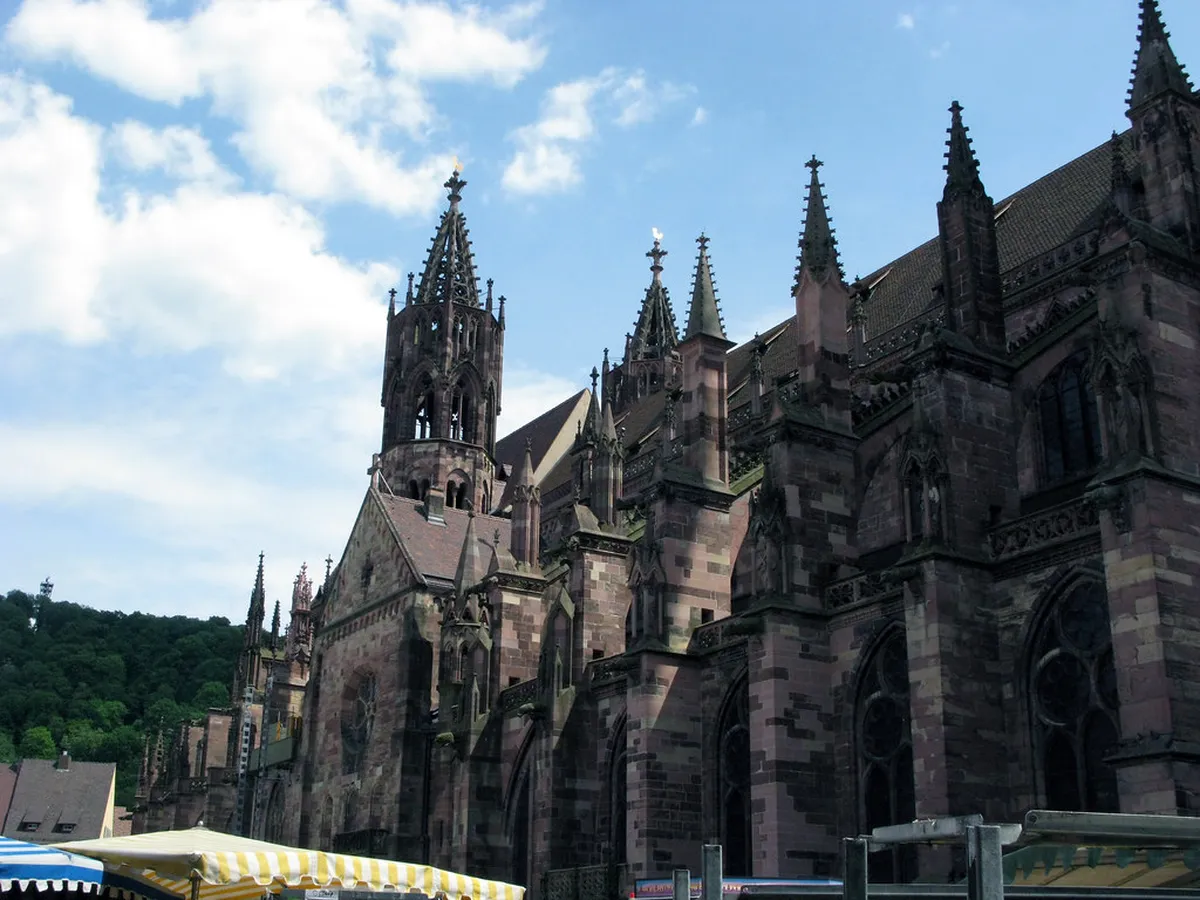
Freiburg's old town is eminently walkable from the Hbf — the Münster cathedral is 10 minutes on foot, the famous Bächle water channels run through the central streets, and the Schlossberg hill for panoramic views is 20 minutes walk from the station. The official Freiburg tourism site has detailed maps and opening hours for attractions. You do not need a city tram pass unless you are heading to the Black Forest trailheads at Schauinsland or Günterstal.
See our main Colmar attractions guide for the broader overview.
Frequently Asked Questions
Is there a direct train from Colmar to Freiburg?
Most train journeys require a transfer at Müllheim (Baden) station. Direct trains are rare and usually only run on specific seasonal schedules. Always check current timetables before you head to the station.
Do I need a passport to go from Colmar to Freiburg?
You are crossing an international border between France and Germany. While there are usually no active checks, you must carry a valid ID or passport. Local authorities may perform random spot checks on trains or buses.
What is the cheapest way to travel to Freiburg?
The bus is typically the cheapest way to travel on this route. Tickets can cost as little as $8 if you book them in advance. Regional train passes are also a good value for groups.
Freiburg is one of the most rewarding half-day excursions you can make from Colmar. The train remains the most practical choice for most visitors — frequent, comfortable, and under two hours including the Müllheim transfer. Buses beat it on price if you are flexible. Drivers gain onward freedom into the Black Forest, but need to sort the Umweltplakette sticker before they go. If you are in a group of three or more, the DB Regio-Ticket day pass almost always undercuts individual tickets. Check the SNCF Connect app and DB Navigator for current prices, and aim for a mid-morning departure on a weekday for the calmest experience.
Free guide: France's Hidden Gems
12 under-the-radar places across Provence, Alsace & Occitanie — with the best season to visit each and a local tip you won't find in the guidebooks.
You might also like


Continue reading
More guides you'll find useful