10 Best Things to Do in Colmar in Summer: A Fairytale Guide
Explore the best things to do in Colmar in summer. Boat tours, wine cycling, and golden-hour photography in an Alsatian fairytale town.
On this page
10 Best Things to Do in Colmar in Summer
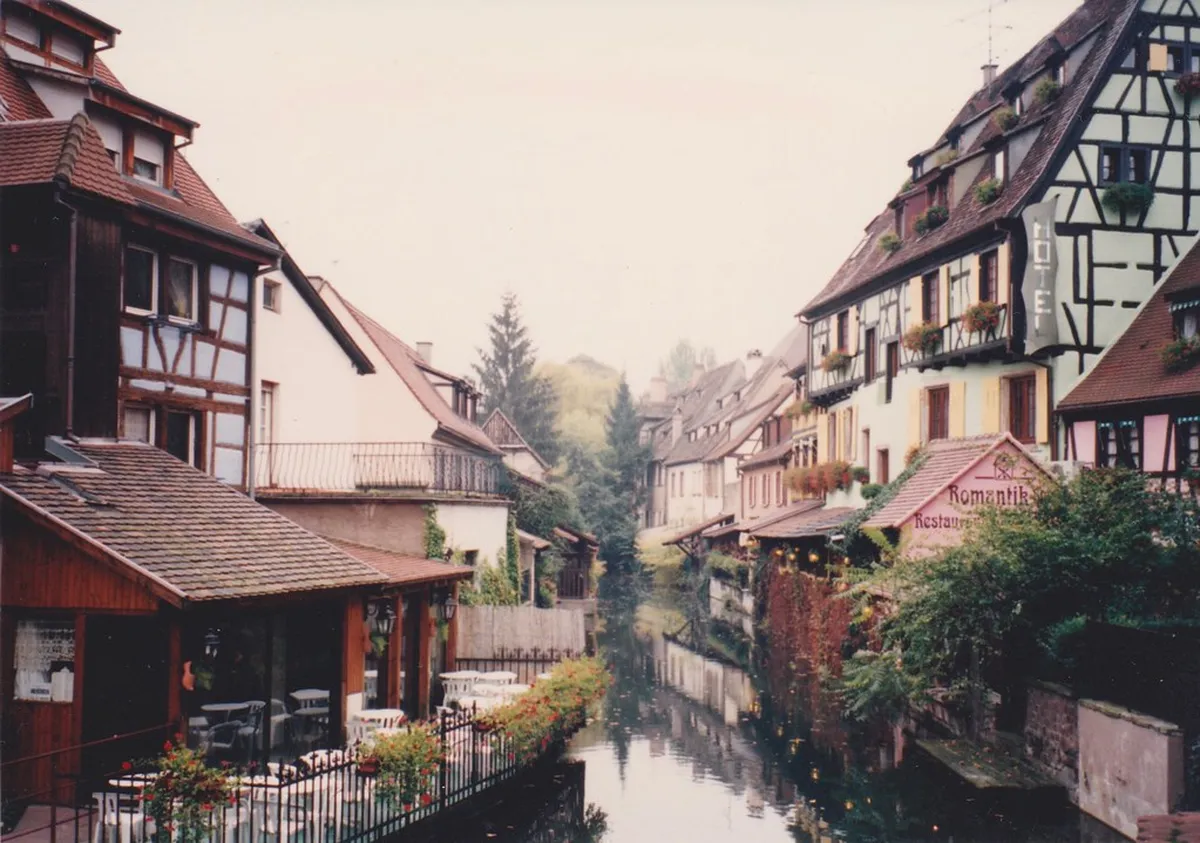
Colmar in summer is the version most people picture when they imagine an Alsatian fairytale town. Window boxes overflow with geraniums, the canals of Petit Venice reflect pastel-painted houses, and the evenings stay light until well past 21:00. It is genuinely one of the most photogenic towns in France, and summer is when it is at full colour.
The town sits in a rain shadow formed by the Vosges Mountains, which makes it one of the driest cities in France — drier even than Marseille on average. Expect warm, mostly sunny days from June through August, with temperatures between 24°C and 30°C / 75°F and 86°F. Occasional afternoon thunderstorms pass quickly. Crowds peak in late July and August, especially during the Foire aux Vins d'Alsace wine fair, so timing your days carefully makes a real difference.
This guide covers the best things to do in Colmar in summer 2026, from early-morning walks in the Old Town to cycling out to Eguisheim along the Alsace Wine Route.
Free guide: France's Hidden Gems
12 under-the-radar places across Provence, Alsace & Occitanie — with the best season to visit each and a local tip you won't find in the guidebooks.
Exploring the Fairytale Streets of Old Colmar
Walking through the Old Town is the essential first move. The Quai de la Poissonnerie offers the most iconic views of the half-timbered houses — pastel pink, mustard yellow, and sky blue reflected in the Lauch River below. Start before 09:00 to have the streets to yourself. By mid-morning, tour groups arrive and the narrow lanes fill quickly.
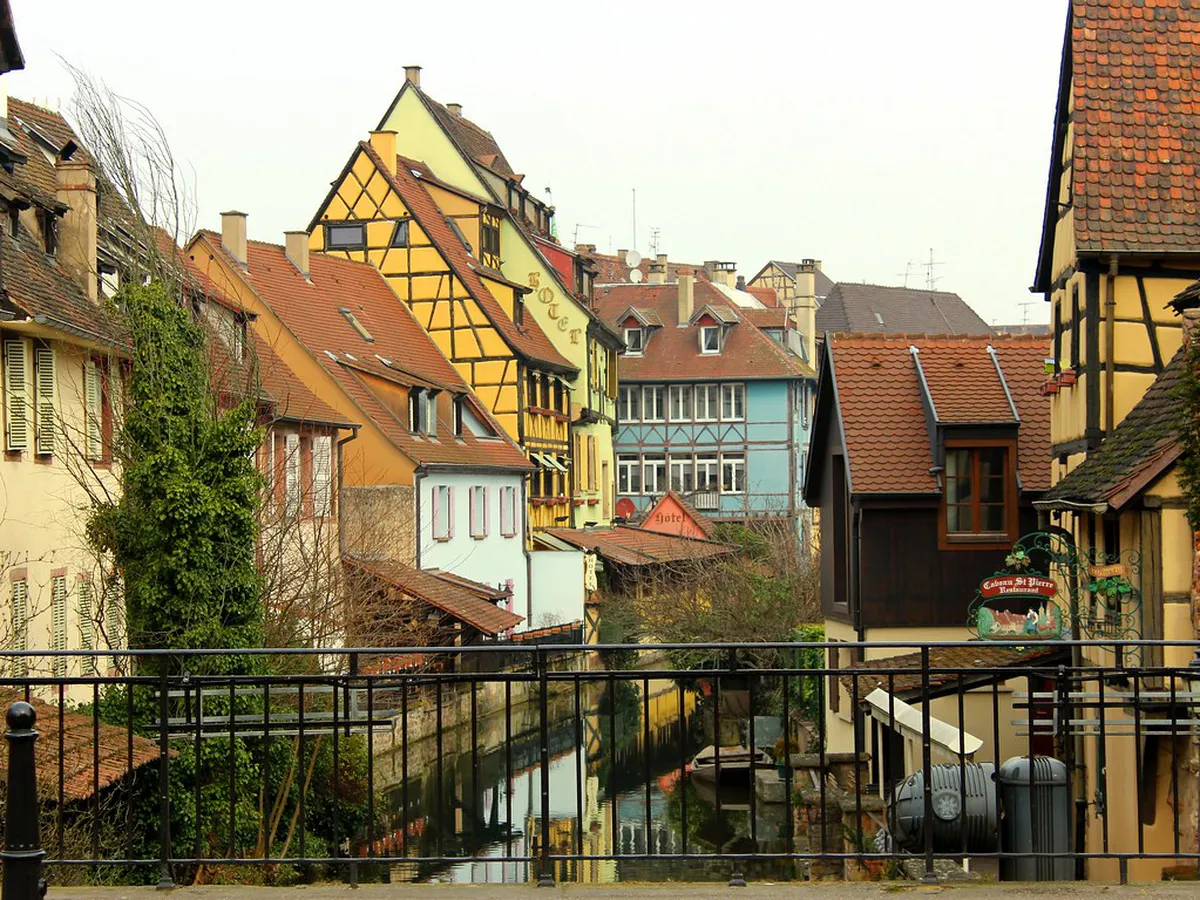
Follow a 2-day itinerary to hit the main landmarks without backtracking. The Maison des Têtes on Rue des Têtes is covered in more than a hundred carved heads and faces, dating from 1609. The Gothic Saint-Martin Collegiate Church has a striking polychrome tiled roof visible from several streets away. The Pfister House nearby is one of the finest Renaissance buildings in Alsace, with its wraparound wooden balcony and octagonal turret.
The Grand Rue is the main artery for local life and independent shopping. Look for workshops selling hand-painted Alsatian pottery, regional fabrics, and local wines rather than the generic souvenir chains near the tourist entry points. Side alleys off the Grand Rue hide small courtyard gardens that most visitors walk straight past.
A Boat Trip Through the Canals of Petit Venice
Taking a Colmar Boat Tour: The Complete Guide to Little Venice Cruises is the highlight of any summer visit. Flat-bottomed boats depart from the bridge at Rue de la Herse, near Pont Saint-Pierre, and glide along the River Lauch through the heart of the Old Town. The 25-minute ride passes under low stone bridges and past gardens spilling with summer flowers. Tickets cost around €9 for adults and €4 for children aged 4 to 10.
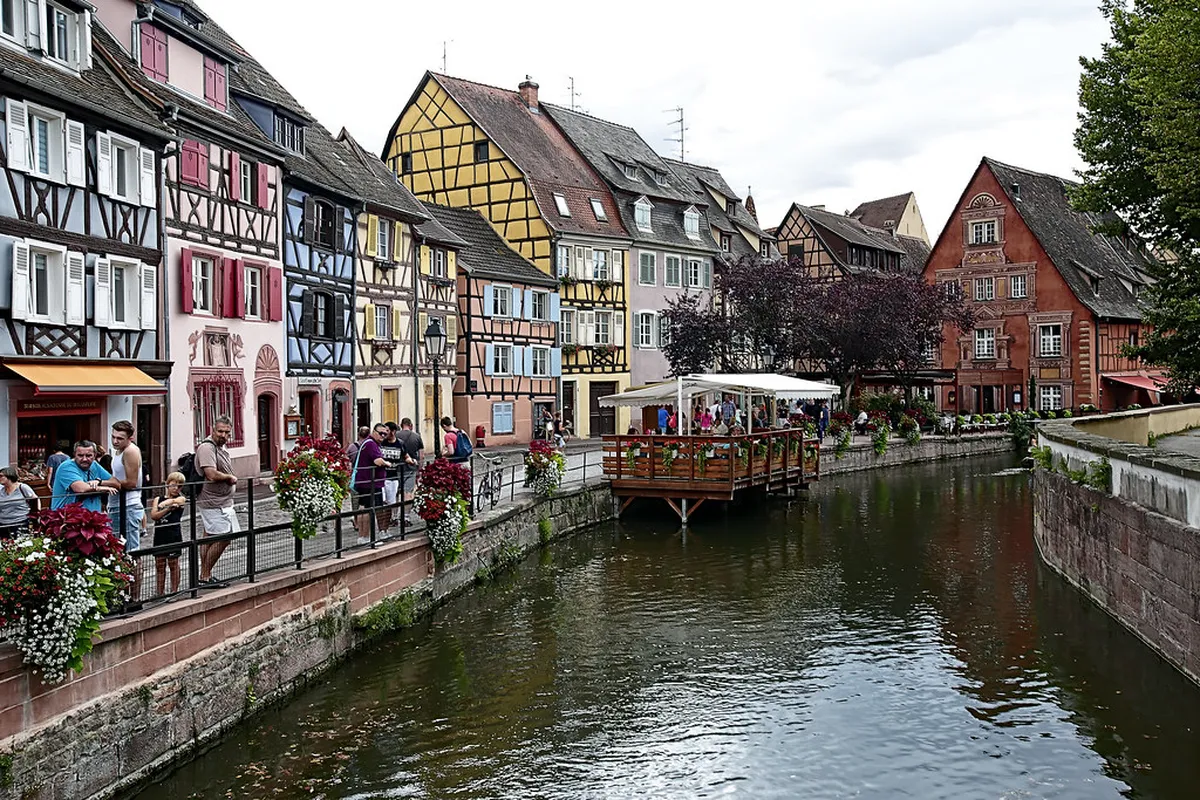
Boats sell out by 11:00 on most days in July. Arrive at the landing point by 09:30 to secure an early slot. On the water, temperatures feel several degrees cooler than on the cobblestone streets above — which matters on days that push 30°C. The guides explain the history of the merchant families who once used the canals to transport goods across Alsace.
The best light for photography on the boat is in the early morning, when low sun catches the pastel facades without harsh shadow. Late afternoon from around 17:00 to 18:00 also works well. Avoid the midday 12:00 to 15:00 window, when the light is flat and the boats are at their most crowded.
Cycling the Alsace Wine Route in the Sunshine
The Alsace Wine Route stretches over 170km through some of France's most scenic vineyard landscapes, but the best summer day ride from Colmar is the 7km flat path to Eguisheim. The village is consistently rated one of the most beautiful in France, and the cycling route follows quiet lanes through vines. Rental bikes are available from several shops near the train station for around €15 to €20 per day; electric bikes cost around €30.
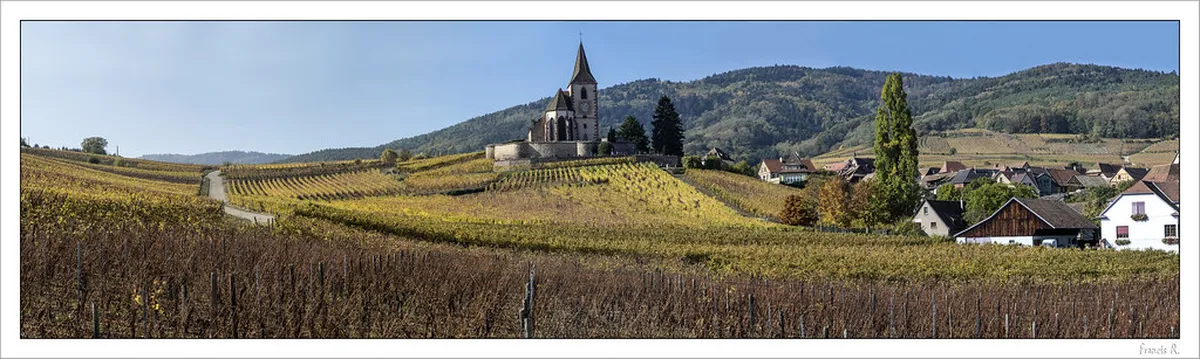
Eguisheim is built in concentric rings around a central square, and in summer the wine producers open their cellar doors for tastings. The dominant varieties here are Riesling, Gewurztraminer, and Pinot Gris. A glass with a view of the fortified walls costs very little and tastes far better than anything in the centre of Colmar. Plan for two to three hours in the village before cycling back.
For a longer ride, the route north also connects Colmar to the villages of Kaysersberg, Riquewihr, and Hunawihr — all within 15 to 20km. Riquewihr is often called the jewel of the wine route and has a well-preserved medieval centre. Start early to avoid riding in peak afternoon heat.
Summer Flavors and Shopping at the Marché Couvert
The Marché Couvert is a grand 19th-century brick hall at Place de l'Ancienne Douane. Inside, local vendors sell Munster cheese, Alsatian charcuterie, fresh pretzels, and seasonal produce from the surrounding farms. The building stays naturally cool even on the hottest August days, making it a reliable midday refuge. It is open Tuesday to Saturday from 07:00 to 18:00, and Sunday morning until 13:00.
Buy cheese, bread, and a bottle of local Crémant d'Alsace and take your picnic to the grassy banks of the Lauch River near the Pont des Moulins. This stretch of water gets afternoon shade from the overhanging willows and is used by locals rather than tour groups. It is one of the quieter summer spots in an otherwise crowded town centre.
After the market, explore the independent shops along Rue des Marchands and Rue des Têtes for quality souvenirs. Local artisans sell hand-crafted fabric hearts (a traditional Alsatian symbol), blue earthenware pottery, and regional wines. These workshops are a better use of your spending money than the souvenir chains near the main entry points to Petit Venice.
Cooling Off in Colmar's World-Class Museums
When the afternoon heat peaks between 13:00 and 16:00, Colmar's museums offer genuine cultural depth alongside air conditioning. The Unterlinden Museum is the centrepiece. It is housed in a converted 13th-century Dominican convent on Place Unterlinden and holds the Isenheim Altarpiece, a 16th-century polyptych that is considered one of the masterpieces of Northern European art. Allow at least 90 minutes. Entry costs €15 for adults in 2026.
The Musée Bartholdi on Rue des Marchands is smaller and takes about 45 minutes. It occupies the birth house of Frédéric-Auguste Bartholdi, the Colmar-born sculptor who designed the Statue of Liberty. The collection includes his personal study, original models for the statue, and paintings of 19th-century Alsace. It is a genuinely interesting stop even for visitors who are not museum regulars.
A practical two-hour heat-escape route on a hot afternoon: start at the Bartholdi Museum at 13:30, walk five minutes to the Unterlinden, spend 90 minutes there, then exit into the shaded courtyard garden before the temperature drops enough for more walking. This avoids the worst of the heat and lets you finish the day in Petit Venice during the golden-hour window.
Visiting the Colmar Statue of Liberty
Few visitors know that a 12-metre bronze replica of the Statue of Liberty stands on the road between Colmar and Strasbourg, near the village of Ribeauvillé. Bartholdi created a smaller version of his famous New York monument and it was installed here as a tribute to the region. It is visible from the roadside and makes for a quick stop on a day trip or cycling excursion north of Colmar.
The Foire aux Vins d'Alsace (Alsace Wine Fair) runs from late July into early August each year, bringing wine producers from across the region to the Parc du Champ de Mars. Entry costs around €12–€15, and the fair features tasting tents, live music, and evening concerts — one of Colmar's most significant summer events.
Inside the town, the Bartholdi Museum provides full context on Frédéric-Auguste Bartholdi's life and work. A small bronze reproduction of the Statue of Liberty also stands on the Champ de Mars, the main park to the west of the Old Town. It is a low-key spot that most tourists walk past quickly, but it anchors the connection between this modest Alsatian city and one of the world's most recognised monuments.
Relaxing in the Parc du Champ de Mars
The Parc du Champ de Mars is the largest green space in Colmar and sits just west of the Old Town, a five-minute walk from the train station. In summer it becomes the main venue for the Foire aux Vins d'Alsace — the Alsace Wine Fair — which typically runs from late July into early August. The 2026 fair is expected to follow this same schedule. It draws producers from across the region, with tasting tents, live music, and evening concerts. Entry to the fair itself costs around €12 to €15.
Outside fair dates, the park is simply a good place to sit in the shade and recover from cobblestone walking. The lawns are well maintained, benches face the flowerbeds, and the nearby Fontaine Roesselmann provides a pleasant landmark. Families use it in the early evening when the temperature drops. It is notably calmer than the canal district and gives a sense of ordinary summer life in Colmar rather than the tourist-facing parts of town.
Al Fresco Dining, Tearooms, and Wine Tastings
Colmar's outdoor terraces are some of the best in Alsace. The canalside restaurants along Rue de la Poissonnerie fill up fast after 19:00 — reserve a table at least 24 hours in advance in July and August. Classic Alsatian dishes to order are flammekueche (a thin-crust tart with crème fraîche, lardons, and onion), baeckeoffe (a slow-cooked meat and potato casserole), and choucroute garnie (sauerkraut with pork). These are hearty dishes better suited to dinner than lunch in warm weather.
For a lighter afternoon break, the tearoom and pâtisserie circuit around Rue des Marchands is worth exploring. Pâtisserie Gilg is a well-known address for Alsatian cakes — try the kougelhopf, a ring-shaped brioche studded with raisins and almonds. Most pastry shops have a few tables outside where the people-watching is excellent.
Wine tastings are easy to find in the Old Town. Several caves and wine bars on Rue des Marchands and Grand Rue offer glass-by-glass pours of Riesling, Gewurztraminer, and Pinot Noir. For a more serious tasting, book a guided session at one of the wine estates just outside town — this is often better value than tasting in the tourist-heavy centre.
Summer Day Trips: Strasbourg and Eguisheim
Colmar is an ideal base for wider Alsace exploration. Strasbourg is 30 minutes by direct train from Colmar station, with services running roughly every 30 minutes. The fare is around €10 to €13 each way in 2026. Strasbourg has its own canal district (La Petite France), a UNESCO-listed city centre, the largest cathedral in the world by interior volume, and a much bigger selection of restaurants and bars. A day trip combining morning in Colmar and afternoon in Strasbourg is a natural pairing for visitors staying two nights.
Eguisheim, as noted above, is 7km by bike or a short taxi ride. It is arguably the most photogenic village on the entire Alsace Wine Route and far less crowded than Colmar in peak season. The village holds a wine festival of its own in mid-August. Riquewihr and Kaysersberg are also reachable by car or organised tour from Colmar and make good half-day additions for anyone staying three or more nights.
Basel is 45 minutes south by train and offers a very different experience — contemporary art at the Fondation Beyeler, the Basel Kunstmuseum, and Rhine-side swimming spots that are uniquely popular with locals in summer. It is a less obvious day trip from Colmar but genuinely worth the short journey.
The Golden Hour Advantage: Petit Venice After 20:00
One thing no guided tour tells you: summer sunset in Colmar arrives between 21:00 and 21:30 from June through August. The golden-hour window for photography at the Quai de la Poissonnerie runs from around 20:00 to 21:15. By 20:30, the canal district is dramatically quieter than at any point during the day. Day-trippers from Strasbourg have left. Tour buses have gone. Residents are at dinner. You can stand at the most photographed spot in Colmar with almost nobody else in frame.
Beat Colmar's peak-season crowds by timing your activities strategically: visit museums during the hottest midday hours (13:00–16:00), explore Petit Venice before 09:00 or after 20:00, and book canal boat tours by 09:30. The afternoon golden hour at the Quai de la Poissonnerie (17:00–18:00) offers excellent light with fewer crowds than midday, and late-evening walks (after 20:00) provide the most serene experience of the Old Town.
The light at this hour hits the half-timbered facades at a low angle, intensifying the colours and casting long reflections across the still water. Combine this with a walk along the Rue des Ecoles and back along the Rue de Turenne for a 30-minute loop that covers the best evening views. Bring a light jacket — the temperature drops noticeably once the sun dips behind the rooftops.
This late-evening window also means you can plan your day differently from most visitors. Sleep in slightly, spend the hottest midday hours in the Unterlinden Museum, have a long dinner on a terrace from 19:00, then walk Petit Venice as the crowds clear. It is a more relaxed and more rewarding sequence than trying to see everything between 10:00 and 17:00.
Planning Your Trip: Weather, Crowds, and Logistics
The sweet spot for Colmar in summer is late May to mid-June or early September. July and August are the busiest and hottest months. The Foire aux Vins d'Alsace (late July to early August) brings significant extra crowds and higher hotel rates. Book accommodation at least four months in advance for a July stay. Check the best areas to stay in Colmar for options beyond the tourist-priced canal-side hotels — guesthouses in Eguisheim or Turckheim offer better value and a short drive or bike ride into the centre.
Getting there: direct TGV trains from Paris Gare de l'Est reach Colmar in about 2 hours 20 minutes. From Strasbourg it is 30 minutes by regional train. Basel airport (EuroAirport) is 60km south and well-connected by bus to Colmar town centre. Colmar itself is very walkable — the Old Town is compact enough to cover on foot in a day.
For a winter comparison and the Christmas market season, see the 10 Best Alsace Christmas Markets & Planning Guide. Summer and winter are the two peak seasons, but they attract very different types of visitor. Summer is best for outdoor activities, cycling, and wine; winter is best for atmosphere and festive markets.
Pair this with our complete Colmar things-to-do guide to plan the rest of your trip.
Frequently Asked Questions
Is Colmar too hot in August?
August temperatures often reach 28-30°C / 82-86°F during the day. While it is warm, the dry air makes it manageable for most people. Many visitors prefer the cooler mornings for walking tours.
How many days do I need for Colmar in summer?
Two full days are usually enough to see the main sights. This allows time for a boat trip and a museum visit. You should add more days if you plan to explore the wine route.
Are boat tours in Colmar worth it?
Yes, the boat tours offer a unique view of the timbered houses. It is a relaxing way to escape the walking crowds. Be sure to book your tickets early in the day.
Colmar in summer rewards visitors who plan their days around the heat and the crowds rather than fighting both. Walk early, seek shade at midday, cycle out to the vineyards in the late afternoon, and save Petit Venice for after 20:00 when the light is best and the tour groups have gone. The combination of Alsatian food, world-class museums, and some of France's most photogenic streets makes it one of the best summer destinations in Western Europe.
Free guide: France's Hidden Gems
12 under-the-radar places across Provence, Alsace & Occitanie — with the best season to visit each and a local tip you won't find in the guidebooks.
You might also like


Continue reading
More guides you'll find useful