

Colmar 2 Day Itinerary: 8 Essential Planning Steps
Plan the perfect Colmar 2 day itinerary. Discover the best of Little Venice, Old Town highlights, museum picks, and local dining for a fairytale 48 hours.
On this page
Colmar 2 Day Itinerary: 8 Essential Planning Steps
Two days is the sweet spot for Colmar. You have enough time to walk every quarter of the medieval center, take the canal boat, stand inside the Unterlinden in front of the Isenheim Altarpiece, and still cycle out to Eguisheim before lunch. Rush it into one day and you'll leave feeling cheated. Stretch it to three and you'll spend the extra morning wondering what you missed — Colmar is small. This guide builds a realistic 48-hour plan for 2026, with specific times, prices in EUR, and honest notes on what to skip when the queues are long.
Colmar sits in the Haut-Rhin département of Alsace, an hour south of Strasbourg by train. Its half-timbered streets, flower-draped canals, and Franco-German cuisine make it one of the most photographed towns in France. You can find many 12 Best Things to Do in Colmar 2026: A Fairy Tale Guide packed into a very walkable historic center. Nearly every major sight is within a 20-minute walk of the railway station.
Colmar is one of France's most walkable towns — the historic center is nearly entirely pedestrianized and traffic-free. A tram (TRACE line A) connects the station to the Old Town in 7 minutes, but most visitors find walking more rewarding, taking just 8–10 minutes from the platform to the first canals.
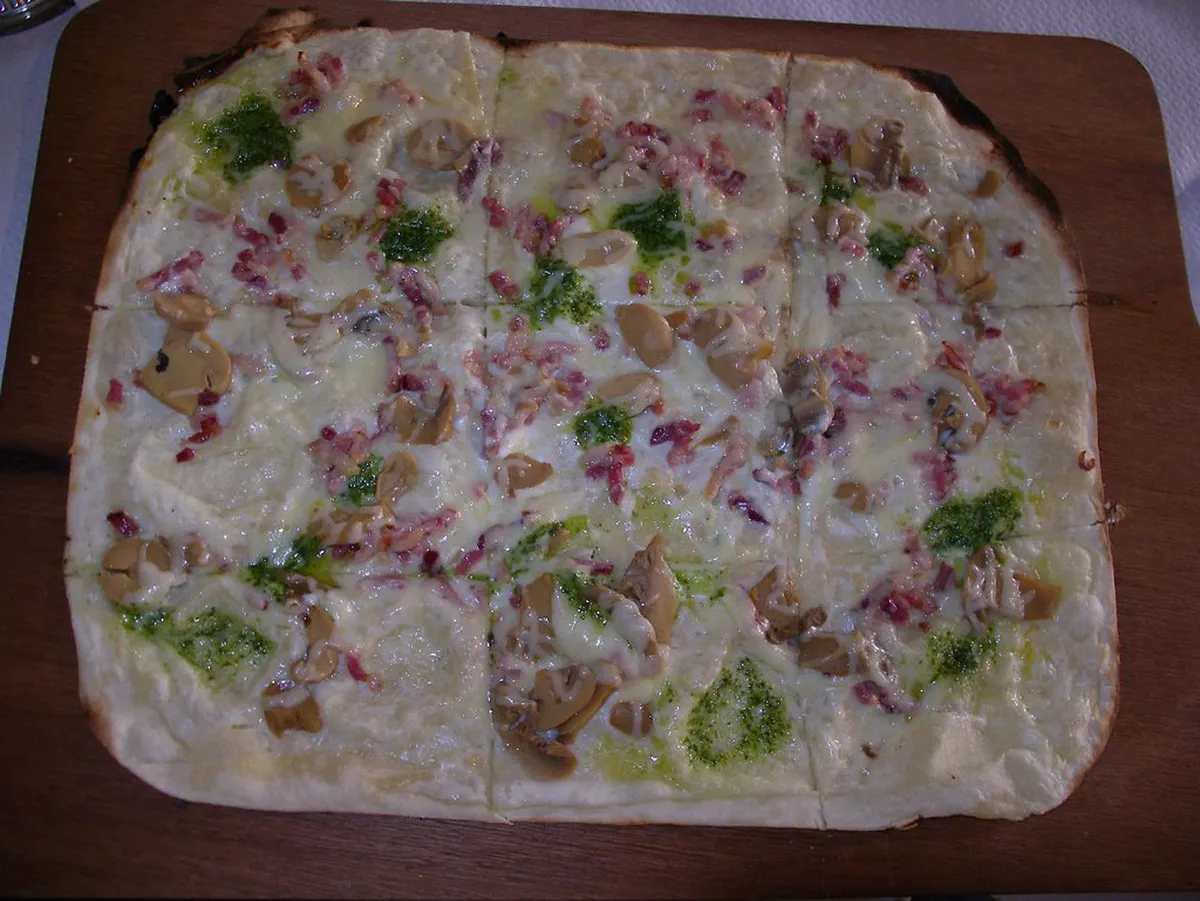
Tarte Flambée (Flammekueche) is the signature Alsatian meal — a thin-crust tart topped with crème fraîche, onions, and lardons — served at every winstub. Expect to pay €13–18 for a generous sharing portion. For a sit-down dinner, order Poulet au Riesling (chicken braised in Riesling wine with cream) or Baeckeoffe (slow-cooked pork and potato casserole).
| Day | Focus | Highlights |
|---|---|---|
| Day 1 | Historic center & canals | Quai de la Poissonnerie (Little Venice), Tanners' Quarter, Pfister House (1537), Koifhus (1480), boat tour (€7), winstub dinner |
| Day 2 | Wine village & museums | Eguisheim by bike (€15/day or bus €1.80), wine tasting, covered market lunch, Unterlinden Museum (€13, Isenheim Altarpiece), wine tasting rooms 15:00+ |
Free guide: France's Hidden Gems
12 under-the-radar places across Provence, Alsace & Occitanie — with the best season to visit each and a local tip you won't find in the guidebooks.
How Many Days to Spend in Colmar?
Most first-time visitors do fine in two full days. Day one covers the historic center on foot — Little Venice, the Tanners' Quarter, the Pfister House, and the Koifhus — which takes a solid half-day even at a slow pace. Add a canal boat tour and a winstub dinner and you have filled day one without rushing. Day two works best as a split: a morning cycle or bus ride to Eguisheim (10 minutes from town), then an afternoon in the museum exploring Colmar's artistic legacy. That leaves the early evening for wine tasting at a local cave and a final walk before your train home.
If you are using Colmar as a base for the wider Alsace Wine Route — Kaysersberg, Riquewihr, Ribeauvillé — add a third day and rent a car or book the Kutzig shuttle. One day is possible as a day trip from Strasbourg but you will miss the museums entirely and feel the pressure throughout. For most people arriving in 2026, two nights is the right call.
How to Get to Colmar
The fastest connection from Paris is the TGV from Gare de l'Est, which reaches Colmar in around 2h15. Book two to three months out and you can find tickets from €29 each way; booking the week before can push fares to €80+. The station exit puts you seven minutes on foot from the edge of the Old Town — no taxis needed. From Strasbourg, regional TER trains run every 30 minutes and take 28–35 minutes; tickets are around €10 and no advance booking is required.
If you are flying into the region, EuroAirport Basel-Mulhouse-Freiburg is the practical choice. An airport shuttle bus to the Mulhouse city center takes 15 minutes, then a direct train to Colmar runs in about 25 minutes. Total door-to-platform time is roughly 45–50 minutes. Strasbourg-Entzheim Airport is slightly further but connects via a tram-train link to Strasbourg central, then a TER onward.
Driving from Strasbourg takes 40–50 minutes via the A35, but parking in the Old Town is genuinely difficult in summer. The Champ de Mars underground car park on the southern edge of the center charges around €1.50 per hour and is a five-minute walk to the main sights. Peripheral lots near the stadium are free with a 15-minute walk or short bus ride in.
Day 1: Exploring the Old Town and Little Venice
Start at 08:30 at the Quai de la Poissonnerie. This is the stretch of the Lauch river lined with timber-framed houses painted ochre, green, and terracotta — the image that every Colmar photograph is built around. Arriving before 09:30 gives you the canal largely to yourself; tour groups typically land between 10:00 and 11:00. Walk south along the water into the heart of Little Venice, then loop back through the Tanners' Quarter toward Schwendi Square.
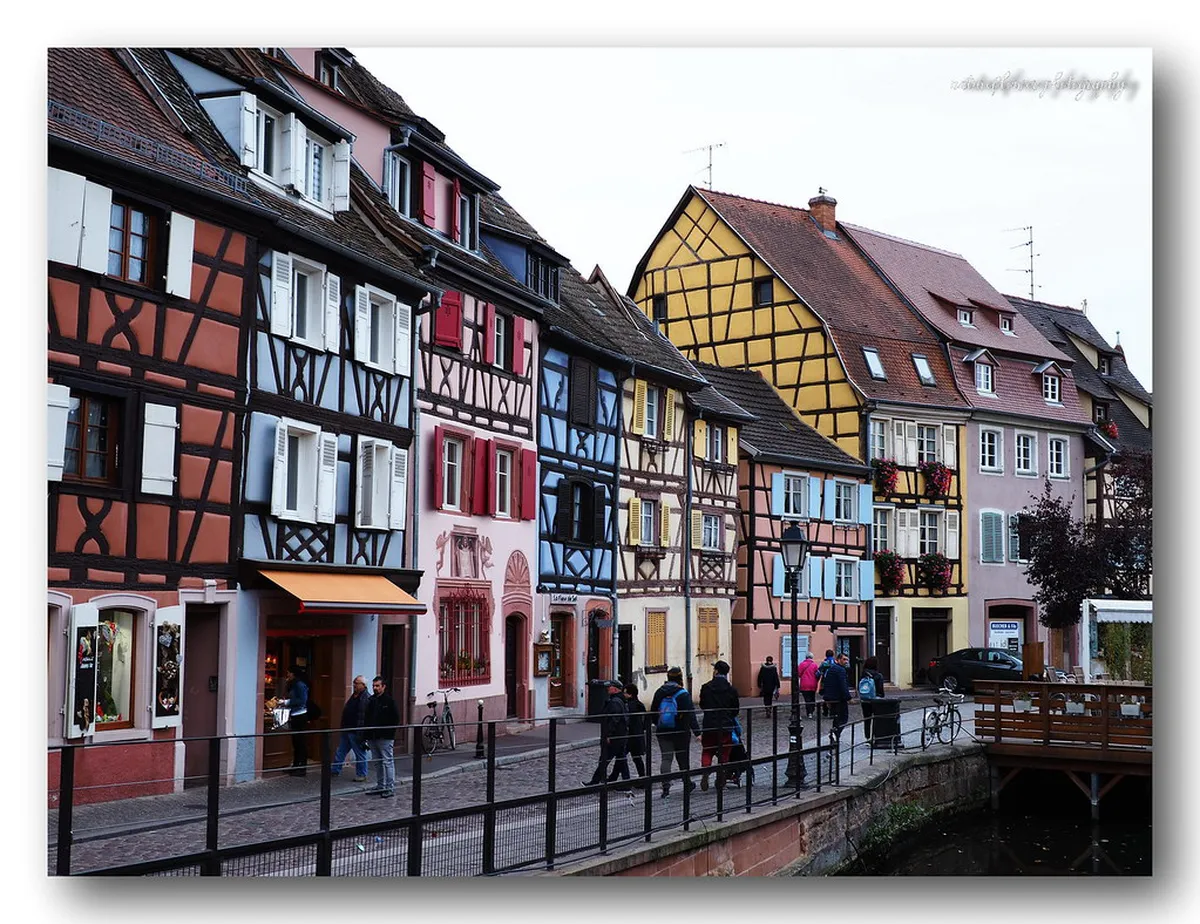
At 10:00, join the flat-bottomed boat tour that departs from the pier just off Rue des Écoles, near the bridge at the southern end of the canal district. Tours run daily from April through October, 10:00–18:00; tickets cost €7 per adult, €3.50 for children under 12. The 30-minute circuit takes you under low stone bridges and past willow trees that hang into the water. Note that boat tours do not operate between November and March — if you are visiting in winter, budget extra time for the Christmas market instead.
Spend your afternoon working east through the Old Town on foot. The Pfister House on Rue des Marchands is impossible to miss — a 1537 Renaissance mansion with painted medallions and a polygonal timber oriel on the corner. The Koifhus customs house, just steps away on Grand'Rue, is from 1480 and marks the commercial heart of medieval Colmar. Neither charges admission to view from outside; both make strong photographs at street level. If you want a structured overview, the Tourism Office on Rue des Unterlinden offers a free self-guided walking map in English.
For dinner, look for a winstub serving Tarte Flambée (Flammekueche locally). This thin-crust tart topped with crème fraîche, onions, and lardons is the standard Alsatian evening meal and costs €13–18 for a generous sharing size. Winstub Le Gourmet on Place de la Cathédrale and Winstub Brenner on Rue de Turenne both stay open until 22:00 and do not require advance reservations on weekday evenings. Weekends are busier — booking by phone on the day is wise.
Top 5 Must-See Attractions in Colmar
Little Venice and the Quai de la Poissonnerie are the visual heart of the city and should anchor Day 1. The canal district is at its most photogenic between April and June when the flower boxes are in bloom, but it rewards a visit year-round. Allow 90 minutes to walk the full circuit without rushing.
The Unterlinden Museum on Place d'Unterlinden houses the Isenheim Altarpiece — a 16th-century polyptych by Matthias Grünewald that is widely considered one of the most powerful paintings in Europe. The altarpiece was created for a monastic hospital and its depictions of suffering and resurrection are visceral up close. Tickets cost €13 for adults and the museum opens at 09:00 (closed Tuesdays). Budget two hours minimum for the full collection.
The Bartholdi Museum on Rue des Marchands celebrates Auguste Bartholdi, the Colmar-born sculptor who designed New York's Statue of Liberty. Admission is €5 and the rooms trace his full career from early Alsatian commissions to the Liberty sketches and scale models. A full-scale replica of Liberty's torch-bearing hand stands in the courtyard. A second replica of the complete Statue of Liberty stands on a roundabout on the northern approach road into Colmar — worth a glance if you are driving in, but not worth a detour on foot.
The Pfister House (1537) and the Koifhus (1480) are both free to view from the street and are the two most architecturally striking buildings in the center. The Fontaine Schwendi on Place de l'Ancienne-Douane, cast by Bartholdi, sits between them and is the natural meeting point for visitors exploring this quarter. The collegiate church of Saint-Martin — often called the Colmar Cathedral, though it holds no episcopal seat — is open free of charge and contains a notable 14th-century stone portal on its south façade.
For visitors interested in the full museum circuit, Colmar has ten museums in total. The Toy Museum (Musée du Jouet) on Rue Vauban is a low-key but genuinely entertaining stop if you are traveling with children, and admission is €5. Most can be reached in a 15-minute walk from the station.
Day 2: Wine-Village Morning and Museum Afternoon
Eguisheim is 6 kilometres south of Colmar and is one of the most compact and well-preserved medieval villages in France, frequently listed among the country's most beautiful. The most practical way to get there in 2026 is by bicycle: rental shops including Colmar à Vélo near the station charge around €15 per day for a standard bike, €25 for an e-bike. The route follows the signed EuroVelo 5 cycle path along the Lauch valley — almost entirely flat, taking 25–30 minutes each way. Alternatively, line 570 bus runs from Colmar station to Eguisheim in 14 minutes and costs €1.80.
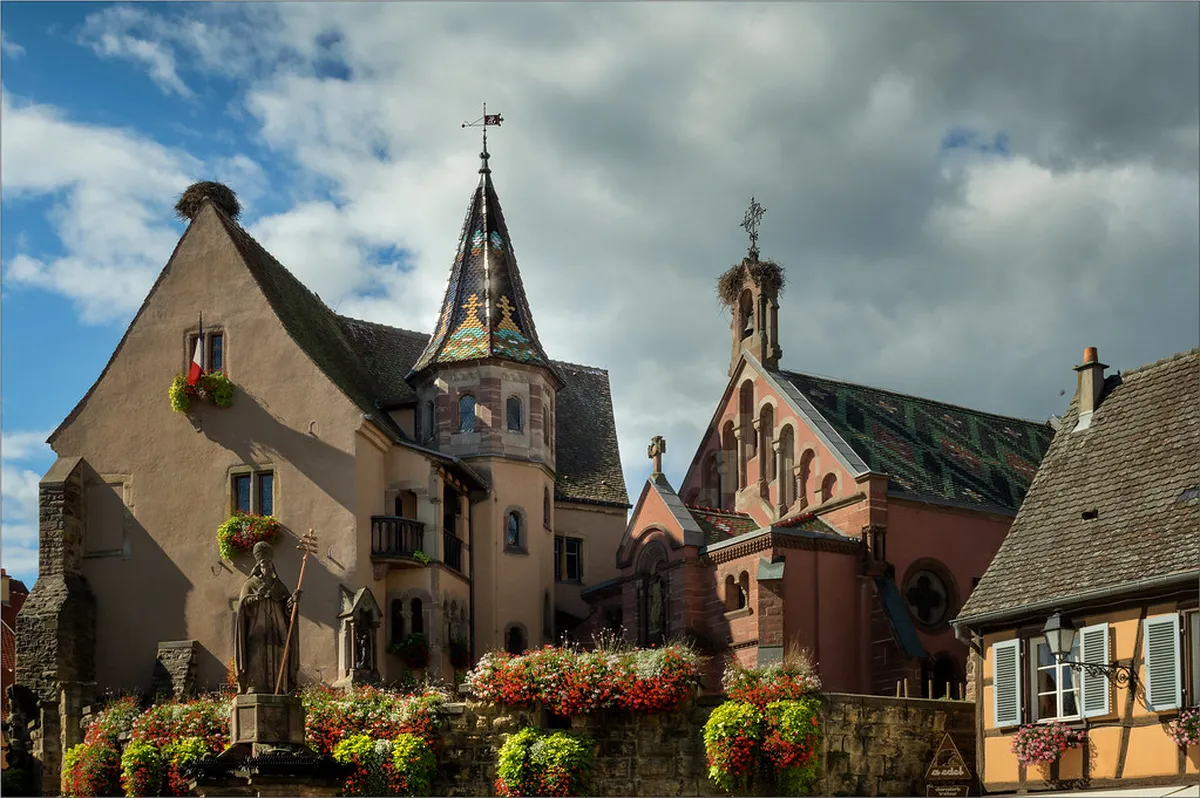
Eguisheim is built on a circular medieval plan, so you simply walk the rings outward from the central octagonal square. The village takes 45–60 minutes to walk properly. The vignerons here are accessible on foot: several domaines on Grand'Rue offer tastings of Riesling, Pinot Gris, and Gewurztraminer directly from the producer, usually free or €5–8 for a guided flight of four wines. Leave Eguisheim by 11:30 to cycle or bus back in time for a market lunch in Colmar.
The Marché Couvert (covered market) on Place de la Cathédrale opens Tuesday through Saturday 08:00–18:00 and Sunday 08:00–13:00. It is the best place to eat a fast, cheap, authentic lunch. Three things worth buying: Munster AOC cheese from La Fromagerie Saint-Nicolas (they vacuum-pack for travel), a wedge of Kougelhopf — the fluted brioche-like cake scented with kirsch and raisins — from any of the boulangerie stalls, and a small pot of mirabelle jam made from the local golden plums. A market lunch with a glass of Crémant d'Alsace costs around €12–15 per person.
After lunch, spend the early afternoon at the Unterlinden Museum. Arriving at 13:30 on a weekday means the morning school groups have cleared and the rooms are quieter. The permanent collection spans Rhenish Gothic art, Alsatian folk objects, and 20th-century works including Picasso and Léger — the altarpiece alone justifies the entrance fee, but budget the full two hours to do the building justice. From there, the wine tasting rooms in the old town open from 15:00; Domaine Viticole de la Ville de Colmar on Rue des Unterlinden is a city-owned estate where tastings are structured and bilingual.
Where to Eat: Essential Alsatian Dishes and Restaurants
Tarte Flambée is the non-negotiable first meal. Order it at a winstub — the informal Alsatian brasserie format where you sit at communal wooden tables and share dishes. The classic version comes with crème fraîche, thin-sliced onions, and smoked lardons; the Alsatian version with Munster cheese and cumin is sharper and worth ordering as a second if you are hungry. A full tart feeds one to two people generously and costs €13–18.
Poulet au Riesling (chicken braised in Riesling wine with cream and mushrooms) is the main course to order for a proper sit-down dinner. It appears on virtually every winstub menu and showcases the Alsatian habit of cooking with local white wine. Baeckeoffe — a slow-cooked casserole of pork, lamb, and potatoes marinated in Pinot Gris — is the heartier winter alternative. Le Comptoir de Georges on Quai de la Poissonnerie serves both; the canal-side terrace is open from April and books out quickly on summer evenings.
For breakfast, L'Atelier de Yann near the main square is the practical choice — it serves both French-style café au lait with pastry and a full cooked breakfast, an unusual combination in a region where breakfast culture is largely limited to croissants. For a late arrival or an informal dinner without reservations, Le 3 on Rue des Tanneurs stays open until 23:00 and takes walk-ins. The covered market handles any mid-morning or lunchtime hunger with stalls selling bretzels, Alsatian charcuterie, and fresh fruit. Make dinner reservations at least three to five days in advance for any canal-side restaurant in June, July, or August.
Where to Stay: Best Neighborhoods and Hotels
The Old Town is the obvious choice for a first visit. Staying here means zero transport overhead — you walk to every sight on Day 1 in minutes and the canal is outside your door. Hotels in half-timbered buildings cost more: expect €120–200 per night for a three-star room in high season. Hotel Le Colombier Suites in the Little Venice quarter is the most-cited mid-range option and has rooms overlooking the canal. La Maison des Têtes on Rue des Têtes is the only five-star in the city center and is worth the price for a special occasion.
Deciding where to stay in Colmar on a budget is easier than most visitors expect. Hotel Turenne near the Tanners' Quarter consistently gets strong reviews at €85–120 per night and sits five minutes' walk from Little Venice. For a quieter stay, the area around Champ de Mars park offers modern three-star hotels at €75–100, a ten-minute walk to the Old Town. Families and groups often find apartments the better value: the Clos Bartholdi apartments near the Dominican church sleep four and include kitchen access.
Little Venice itself can feel noisy during peak hours as boat tours run from 10:00 to 18:00 directly below some properties. If you are a light sleeper, look for rooms on the upper floors or one street back from the canal. The evenings are quieter once the day visitors leave, but the morning boat traffic starts early. Booking for late September or October in 2026 gives you the autumn colours and significantly smaller crowds without the Christmas-market premium of December.
Practical Tips for Your 2-Day Visit
Colmar is almost entirely walkable. The cobblestones in the Old Town are uneven in places, so flat shoes matter — this is not a city for heeled footwear. The furthest attraction from the station, the Unterlinden Museum, is an eight-minute walk. Most shops open at 10:00 and close between 18:00 and 19:00; smaller boutiques often close on Sundays and Mondays. The covered market closes Sunday afternoon and all day Monday.
The Unterlinden Museum closes on Tuesdays. The Bartholdi Museum closes on Tuesdays as well as in January. Plan your Day 2 accordingly — if you arrive on a Tuesday, reverse the days and do Eguisheim plus a full afternoon of Old Town exploration instead. The best photo window at the Quai de la Poissonnerie is 07:30–09:00 on any day: the light comes from the east, the reflections are sharp, and the canal is largely empty. By 10:30 it fills with tour groups and photographers competing for the same angles.
Credit cards are accepted everywhere in hotels and restaurants, but smaller market stalls and artisan shops may be cash-only. Keep €20–30 in coins and small notes. Public restrooms near Place d'Unterlinden and the covered market charge €0.50. French is the working language; German is widely understood given the region's history. A few words of French — bonjour, merci, s'il vous plaît — are genuinely appreciated and tend to prompt warmer service in smaller establishments.
Frequently Asked Questions
Is 2 days enough for Colmar?
Yes, two days is the perfect amount of time to see the highlights. You can explore the Old Town, visit the major museums, and enjoy local wine. It allows for a relaxed pace without missing the main sights.
Is Colmar walkable?
Colmar is extremely walkable and best explored on foot. The historic center is mostly pedestrianized, making it safe and easy to navigate. Most major attractions are within a 15-minute walk of each other.
What is the best month to visit Colmar?
Late spring and early autumn offer the best weather and fewer crowds. May and September are ideal for walking and vineyard tours. December is also popular for the world-famous Christmas markets.
Colmar is a destination that truly lives up to its fairytale reputation. Following this colmar 2 day itinerary ensures you capture the city's best moments. From the quiet canals to the vibrant markets, every corner offers something new. We hope this guide helps you plan an unforgettable trip to Alsace.
Remember to take your time and soak in the local atmosphere. The beauty of Colmar lies in its slow pace and historic charm. Safe travels as you explore one of France's most beautiful hidden gems. Enjoy every sip of wine and every bite of traditional Alsatian food.
Free guide: France's Hidden Gems
12 under-the-radar places across Provence, Alsace & Occitanie — with the best season to visit each and a local tip you won't find in the guidebooks.
You might also like


Continue reading
More guides you'll find useful


