Best Time To Visit Montpellier 2026: 8 Seasonal Insights
Discover the best time to visit Montpellier in 2026. Weather insights, seasonal events, and travel tips for warm beaches and fewer crowds.
On this page
Best Time To Visit Montpellier 2026: 8 Seasonal Insights
Updated in June 2026 from my most recent spring visit. The best time to visit Montpellier 2026 is from mid-May to mid-June for ideal weather. I visited in late September and loved the warm afternoons and quiet cafes. This period offers the perfect balance of sunshine and manageable crowds.
Montpellier sits in the sunny Occitanie region of southern France near the Mediterranean coast. This city offers a mix of medieval history and modern energy for every traveler. Most visitors find the shoulder seasons provide the best balance of price and comfort. Planning your trip around local festivals adds a unique cultural layer to the experience.
Season Comparison
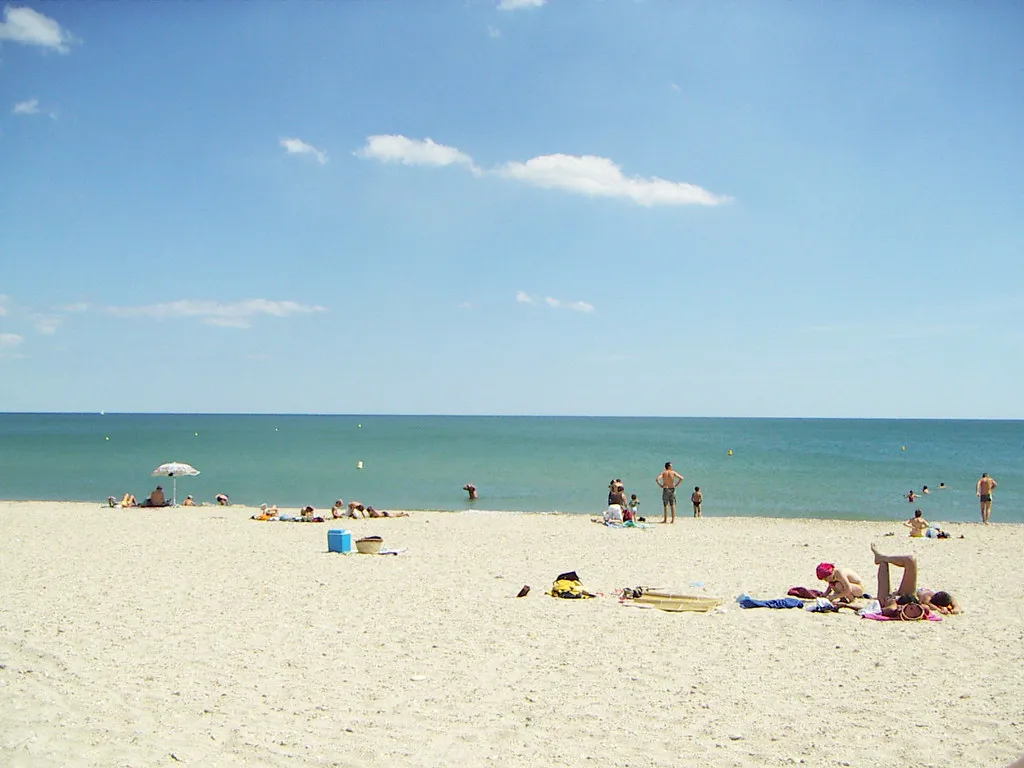
The climate in southern France remains generally mild throughout the entire year. Summer brings intense heat while winter stays crisp but rarely freezing. Average rainfall peaks in October, though storms are usually quite brief. Data from local climate stations shows over 300 days of sunshine annually.
| Season | Best for | Crowds | Weather |
|---|---|---|---|
| Spring (Apr–May) | Sightseeing, gardens | Low–moderate | Mild, sunny |
| Summer (Jun–Aug) | Beaches, festivals | High | Hot, dry |
| Fall (Sep–Oct) | Wine, mild weather | Moderate | Warm, pleasant |
| Winter (Nov–Mar) | Budget, culture | Low | Cool, some closures |
Peak season prices typically hit their highest point during July and August. Budget travelers should look toward the winter months for the best hotel deals. Spring and fall offer moderate pricing with excellent access to all major sites. Crowds are most dense in the historic center during the summer school holidays.
Choosing the right month depends on your interest in history or beach life. Wine enthusiasts often prefer the harvest atmosphere found in late September. Cultural travelers will find the winter museum scene very rewarding and quiet. The city remains vibrant even in the off-season due to its large student population.
| Season | Weather | Crowds | Prices | Events | Best for |
|---|---|---|---|---|---|
| mid-March to May | 14–21°C / 57–70°F | Moderate | Medium | Gardens | Sightseeing |
| June to August | 24–30°C / 75–86°F | High | High | Festivals | Beaches |
| September to November | 16–25°C / 61–77°F | Moderate | Medium | Wine | Relaxing |
| December to early March | 5–13°C / 41–55°F | Low | Low | Markets | Culture |
Pick X If
Different travelers have unique needs when exploring the south of France. Families often prioritize warm water and easy transport to the sandy coast. Couples might seek the romantic atmosphere of the golden autumn light. Solo adventurers usually enjoy the social buzz of the summer festival season.
Consider your tolerance for heat before booking a trip in mid-July. The narrow streets of the old town provide some shade during the hottest hours. Air conditioning is common in modern hotels but rarer in older rentals. Always check the local school holiday calendar to avoid the biggest crowds.
Those seeking quiet should aim for the weeks following the New Year. The city feels very authentic when the locals reclaim the cafes and squares. Walking tours are much more enjoyable when the temperatures stay below 22°C / 72°F. Early spring offers the best light for photography in the historic districts.
- Pick late spring if you want
- Blooming gardens and mild walking weather
- Pick mid-summer if you want
- Beach days and lively outdoor festivals
- Pick early fall if you want
- Warm sea temperatures and wine harvests
- Pick deep winter if you want
- Lowest prices and quiet museum visits
What to Pack
Packing for the Mediterranean requires a mix of style and practical function. Light linens and cotton fabrics are essential for the humid summer months. Sturdy walking shoes are a must for the cobblestones in the old town. I remember the Mistral wind cooling the city unexpectedly during my July trip.
Evening temperatures can drop quickly even after a very hot sunny day. A light jacket or pashmina is useful for outdoor dining after sunset. Sunscreen and wide-brimmed hats are vital for protection during the long afternoons. The local style is chic but relaxed, leaning toward smart-casual attire.
Winter visitors should bring a warm coat for the chilly evening breeze. Rain gear is helpful for the occasional heavy downpours in late autumn. Swimwear remains necessary if you plan to visit the nearby coastal lagoons. Always keep a reusable water bottle handy to stay hydrated in the heat.
- Essential summer gear includes
- Sunscreen, hat, and breathable linen clothing
- Shoulder season layers feature
- Light sweaters and a windproof jacket
- Winter travel basics require
- Warm scarf, gloves, and insulated coat
- Year-round footwear needs
- Comfortable sneakers for historic walking tours
Spring (April–May): Best for Sightseeing and Gardens
Spring brings a refreshing energy to the squares and public parks. The Jardin des Plantes comes alive with vibrant blooms and lush greenery. Temperatures usually hover around 18–21°C / 64–70°F during the peak of afternoon. This is the perfect time for a Montpellier old town and Place de la Comédie guide walk.
Crowds remain thin compared to the busy summer months ahead. You can find many the full Montpellier sightseeing rundown without long queues. Outdoor cafes begin to fill with locals enjoying the first warm rays. Hotel availability is generally good if you book at least two months early.
Photographers will appreciate the soft morning light on the golden limestone buildings. Occasional spring showers keep the city parks looking fresh and green. The atmosphere is relaxed as students prepare for their final exams. Walking through the medieval streets feels like stepping back in time.
Summer (June–August): Best for Beaches and Festivals
Summer is the peak season for sun seekers and music lovers. The city transforms into a massive stage for various cultural performances. Highs often reach 28–30°C / 82–86°F, making the coast very attractive. Check out the the best beaches near the city for the best nearby spots.
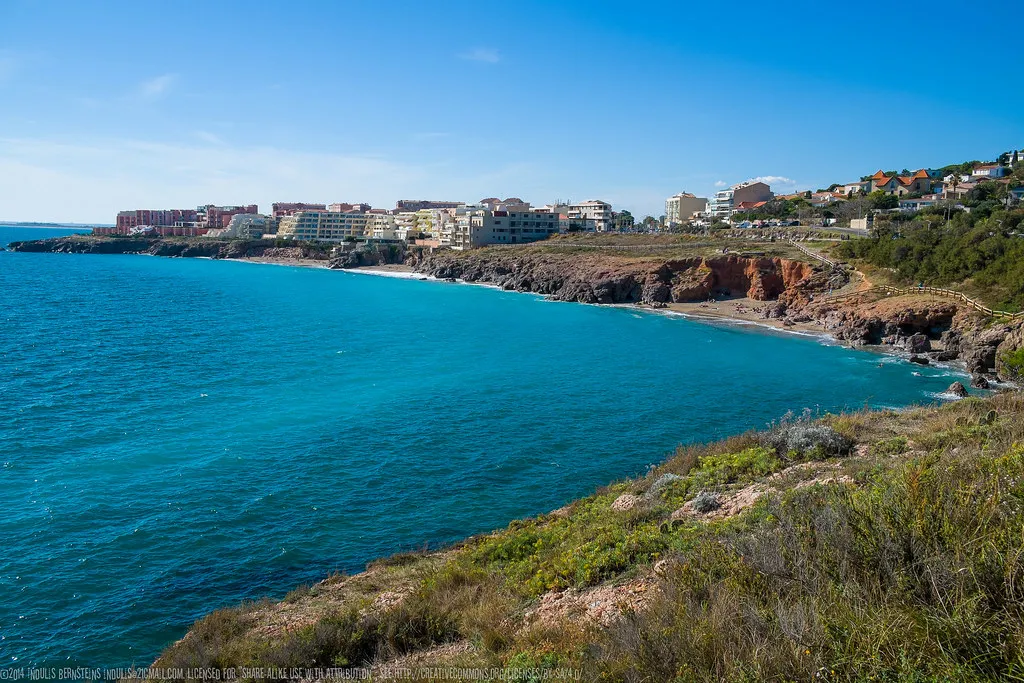
Watch for the Mistral wind, which can blow strongly from the north. This regional weather quirk clears the clouds but creates a sudden chill. Logistics for the Tramway to the Sea involve taking Line 3. You must then transfer to a bus or bike to reach the sand.
Nightlife is at its peak with many events held in open-air venues. The Montpellier's events calendar calendar is packed during these months. Expect higher prices for accommodation and busier restaurants in the center. Booking a table for dinner is essential on Friday and Saturday nights.
Fall (September–October): Best for Wine and Mild Weather
Many locals consider September the absolute best month for a visit. The Mediterranean sea remains warm enough for swimming well into October. Temperatures settle into a comfortable 22–25°C / 72–77°F range daily. The light turns a deep orange hue during the late afternoon hours.
Vineyards surrounding the city begin their annual grape harvest in September. Wine tours offer a chance to see the production process in action. Crowds at major our roundup of Montpellier attractions start to thin out significantly. This is an ideal time for long lunches in hidden courtyard restaurants.
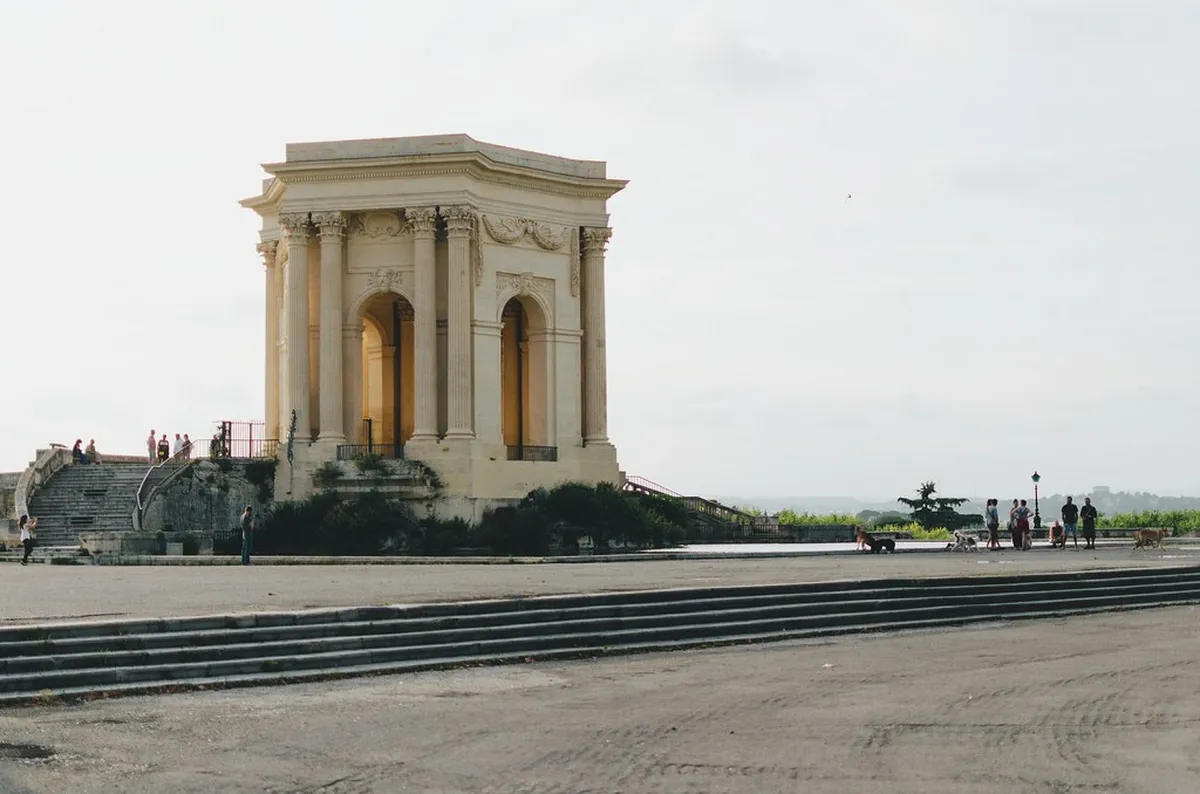
October can bring heavier rain, but the storms are usually quite short. The air feels crisp and clean after a typical autumn downpour. Walking through the Promenade du Peyrou is stunning with the changing leaves. Flights to the region often become more affordable after the summer rush.
Winter (November–March): Best for Budget and Culture
Winter offers a quiet and contemplative way to see the city. The coldest months are January and February with lows around 5°C / 41°F. Sunny days are still frequent even when the air feels quite sharp. It is the best time to find a cheap where to stay in Montpellier option.
The Christmas market in the Place de la Comédie is a highlight. Local crafts and regional treats are sold from charming wooden chalets. Museums like the Musée Fabre provide a warm escape from the wind. You can explore the exhibits without the pressure of large tour groups.
Prices for luxury hotels often drop to their lowest annual levels. The city feels very authentic as residents go about their daily lives. Hot chocolate in a cozy cafe becomes a favorite afternoon ritual. Early March sees the first signs of spring with almond trees blooming.
What's Closed in Low Season
Visitors should be aware that some services pause during the winter. Beach clubs, known as paillotes, usually close from October until April. These popular seaside restaurants remove their structures from the sand entirely. Coastal bus frequencies are also reduced once the summer season ends.
Smaller private museums may operate on shorter hours during the week. Some seasonal attractions in the surrounding countryside close for maintenance. Guided tours in English might be less frequent in the deep winter. Always check the official websites before planning a trip to outlying sites.
Many island ferries in the broader region stop running in late fall. Outdoor markets may have fewer vendors during the coldest winter weeks. However, the main city center remains fully functional and very lively. Most restaurants in the historic heart stay open throughout the year.
Montpellier 2026 Event Calendar Highlights
The 2026 calendar features several world-class cultural events for visitors. Printemps des Comédiens usually runs from late May through most of June. This theater festival attracts performers and audiences from across the globe. Venues include the beautiful grounds of the Domaine d'O park.
The Radio France Festival takes place during the second half of July. Classical music and jazz fill the air in historic courtyards and halls. Many of these high-quality performances are free to the public. It is a magical time to experience the city's acoustic beauty.
Winter 2026 will feature the stunning Coeur de Ville en Lumières. Light projections transform the facades of historic buildings into moving art. This event typically occurs in late November or early December. It creates a festive atmosphere that delights both children and adults.
Practical Planning: Getting There and Staying in 2026
Reaching the city is simple with the high-speed TGV train network. The journey from Paris takes about three and a half hours. Two main train stations serve the city, so check your ticket carefully. Many travelers wonder is Montpellier safe for late-night arrivals.
The city is generally very safe for tourists in the main districts. Staying near the Place de la Comédie puts you within walking distance of everything. Consider the ibis Montpellier Centre Comédie for a central and reliable stay. Public transport is excellent with four different tram lines crossing the city.
Booking your accommodation six months in advance is wise for summer. Shoulder season trips can often be planned with just a few weeks' notice. The local airport offers many connections to major European hub cities. Car rentals are only necessary if you plan to explore rural vineyards.
Good to know
May to mid-June and September are the sweet spots — warm, sunny, and far less crowded than the July-August peak when prices and temperatures both spike.
Many smaller museums and restaurants cut hours or close in low season (November to March), so verify opening times directly before a winter trip.
Frequently Asked Questions
What is the best month to visit Montpellier?
The best month to visit is June or September. These months offer warm weather and fewer crowds. You will find the best balance of price and comfort during these times.
Is Montpellier worth visiting in the winter?
Yes, the city is worth visiting for its mild climate and low prices. You can enjoy the Christmas markets and quiet museums. It feels very authentic without the summer tourists.
Does Montpellier have a beach?
Montpellier is located about 10 kilometers from the Mediterranean coast. You can reach the sandy beaches easily by tram and bus. The closest spots are Palavas-les-Flots and Carnon.
Montpellier is a year-round destination with a distinct charm in every season. The best time to visit Montpellier 2026 depends on your personal travel goals. Whether you want sun-drenched beaches or quiet medieval streets, this city delivers. Plan ahead to secure the best rates and enjoy the vibrant local culture.
The Mediterranean lifestyle encourages a slow and enjoyable pace of exploration. Take time to sit in the squares and watch the world go by. Your 2026 trip to southern France will surely be a memorable highlight. Safe travels as you discover the beauty of this historic French gem.
You might also like

Continue reading
More guides you'll find useful