
8 Essential Sections: Montpellier Old Town and Place de la Comédie Guide (2026)
Explore the best of Montpellier with our 2026 guide to the Place de la Comédie and Old Town. Find walking routes, museum tips, and local secrets here.
On this page
8 Essential Sections: Montpellier Old Town and Place de la Comédie Guide
I still remember the first time I stepped out of the Saint-Roch train station and felt the immediate warmth of the Mediterranean sun. After my third visit to this vibrant city, I can confidently say that the historic center remains one of the most charming spots in Southern France. Walking through the narrow medieval alleys of the Écusson feels like stepping back centuries while surrounded by modern energy. Updated in June 2026 after my most recent spring return visit to ensure all pricing and logistics are current.
This guide focuses on the specific highlights of the old town and the iconic main square that defines the city's social life. Whether you are here for the world-class art or the sun-drenched terraces, knowing what the city is best known for helps set the right expectations. The city is a perfect blend of historic architecture and a youthful, student-driven atmosphere that keeps the streets alive until late. I once missed my tram because I was so distracted by the intricate carvings on the Opera House facade during sunset.
Free guide: France's Hidden Gems
12 under-the-radar places across Provence, Alsace & Occitanie — with the best season to visit each and a local tip you won't find in the guidebooks.
8 Essential Sections: Montpellier Old Town and Place de la Comédie Guide
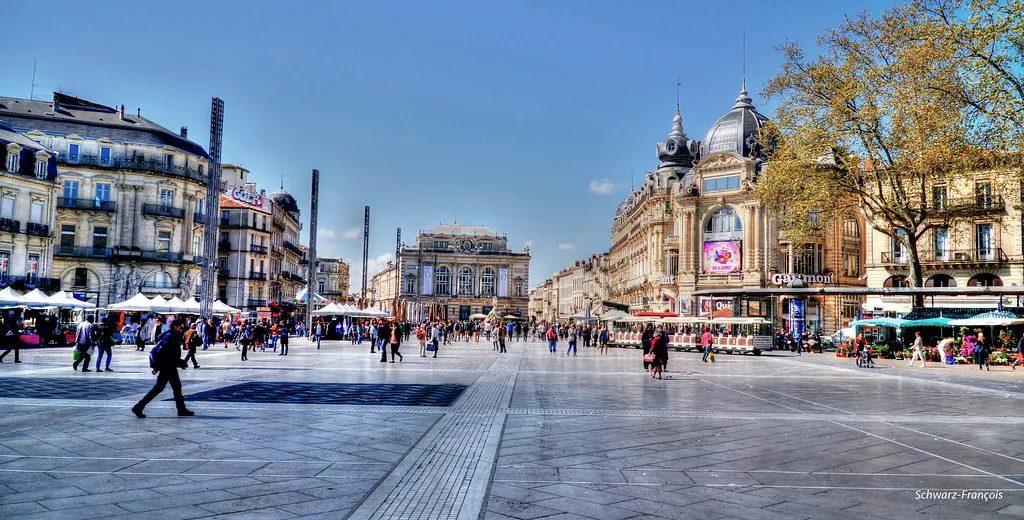
The Place de la Comédie is the starting point for almost every visitor exploring the heart of the city. This vast pedestrian area connects the medieval past with the nineteenth-century grandeur of the surrounding buildings. You will find that most of the top attractions are within a short ten-minute walk from this central hub.
Navigating the old town requires comfortable shoes as the limestone streets can be slippery and uneven in places. I recommend starting your morning early to capture the soft light hitting the Three Graces fountain before the crowds arrive. Most major landmarks open their doors by ten in the morning, making it easy to plan a full day of sightseeing.
Each of these eight items represents a core part of the Montpellier experience that you should not miss. They offer a mix of history, art, and natural beauty that showcases the diversity of the Languedoc region. Be sure to check the official tourism site for any temporary closures during local festivals or public holidays.
- The Iconic Place de la Comédie Square
- This expansive pedestrian plaza acts as the vibrant heartbeat of the entire city center.
- Access to the open square is free and it remains open twenty-four hours every day.
- Watch for the street performers who often gather near the center during the early evening hours.
- The Grand Opéra Comédie Building
- This nineteenth-century theater dominates the southern end of the main square with its impressive facade.
- Performance tickets vary from ten to over one hundred euros depending on the specific show and seating.
- The box office is generally open from Tuesday to Saturday between 10am and 6pm for walk-in inquiries.
- Fontaine des Trois Grâces
- This marble fountain serves as the most famous meeting point for locals and tourists in the city.
- Viewing the sculpture is free and it is located directly in front of the Opera House.
- The fountain lights change colors during the winter festival months to create a magical evening atmosphere.
- The World-Class Musée Fabre
- This premier art museum houses an extensive collection of European masterpieces and contemporary works.
- Standard entry tickets for adults typically cost between seven and nine euros for the permanent collection.
- The museum is open from Tuesday to Sunday between 10am and 6pm but remains closed on Mondays.
- The Fortress-Like Cathédrale Saint-Pierre
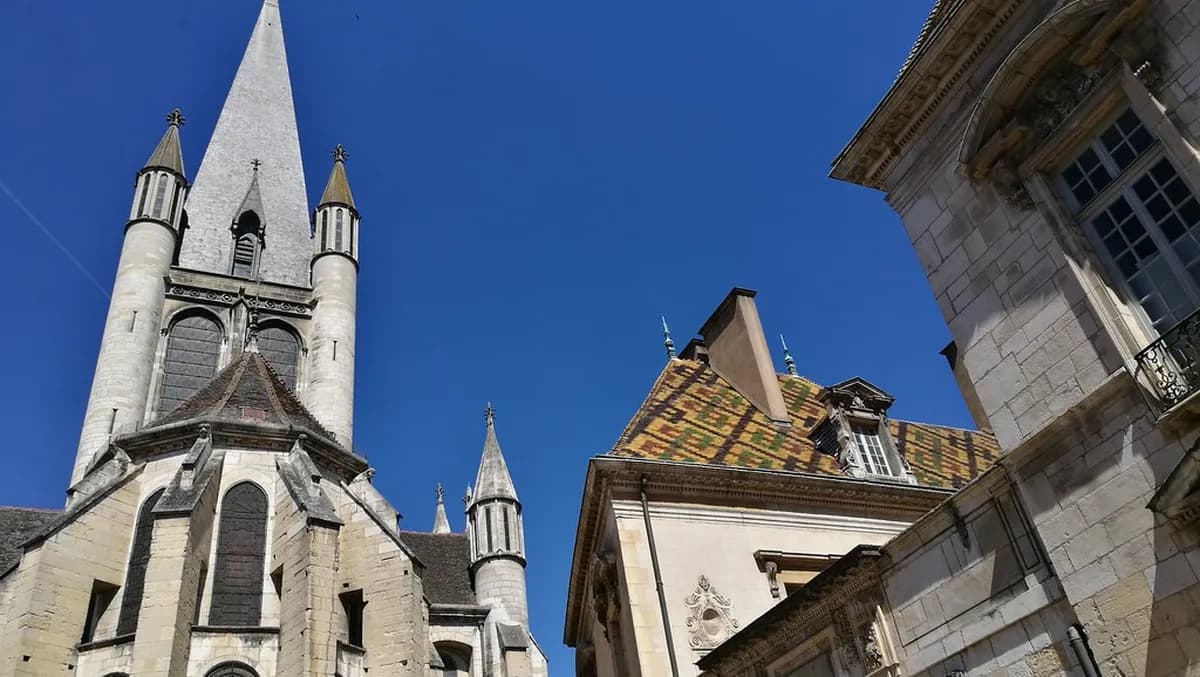
- This massive Gothic cathedral is famous for its unique twin towers that resemble a medieval fortress.
- Entry to the cathedral is free for all visitors during standard visiting hours throughout the week.
- Doors are usually open from 9am to 12pm and again from 2:30pm to 6:30pm daily.
- Promenade du Peyrou Royal Square
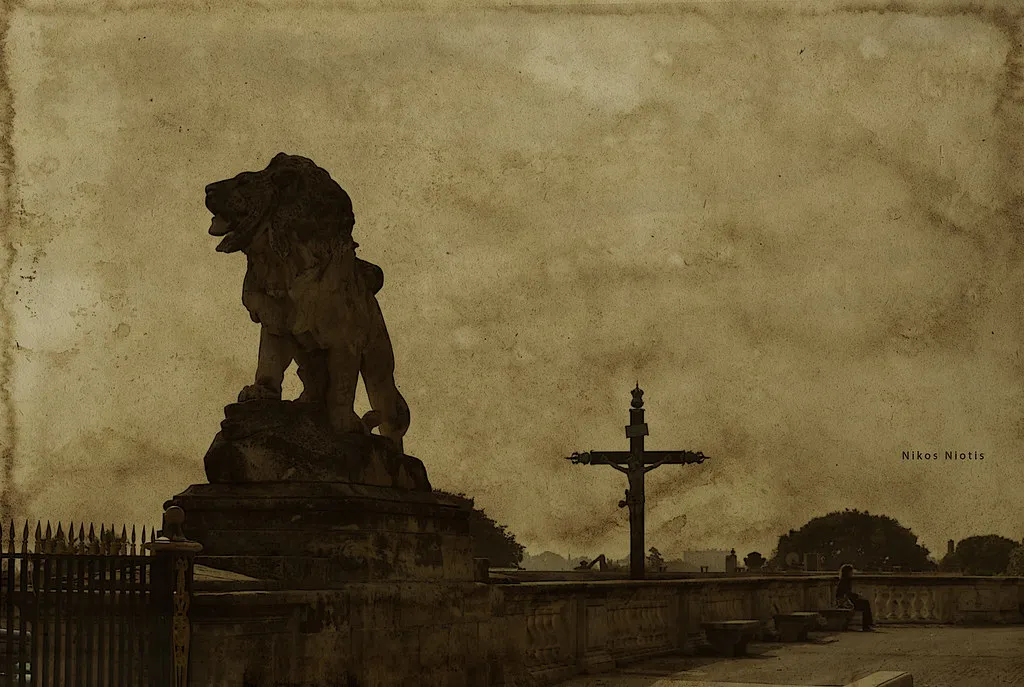
- This elevated park offers some of the best panoramic views across the city and toward the mountains.
- Access to the park is free and the gates stay open from 7am until 8pm most days.
- The Promenade du Peyrou gets crowded at sunset, so arrive thirty minutes early to secure a spot.
- The Arc de Triomphe Gateway
- This royal gateway was built in the late seventeenth century to honor King Louis XIV.
- While walking under the arch is free, guided rooftop tours cost approximately five to ten euros.
- Check with the local tourist office for specific tour times as they change based on the season.
- The Historic Jardin des Plantes
- Established in 1593, this is the oldest botanical garden in France and a peaceful retreat.
- Admission to the garden is free for the public during their standard operating hours.
- The garden is typically open from 12pm to 6pm but stays closed to visitors on Mondays.
Wandering the Écusson: Must-See Old Town Landmarks
The Écusson is the name given to the old town because its shape on a map resembles an ancient shield. Walking through these streets is a sensory experience filled with the smell of fresh bread and blooming jasmine. Many of the buildings here date back to the Middle Ages, featuring beautiful internal courtyards that are often hidden.
Place Jean Jaurès is the social center of the old town and stays busy from morning until late at night. You can enjoy a coffee here while watching the local market vendors set up their stalls. This area is also where you will find the most authentic best restaurants in Montpellier tucked away in side streets.
Keep an eye out for the small blue plaques that explain the history of various private mansions, known as Hôtels Particuliers. While many are private residences, some open their courtyards during heritage days or special cultural events. The narrowness of the streets provides natural shade, making it the best place to walk during hot summer afternoons.
Art and Culture: Top Museums Near the Historic Center
Beyond the famous Musée Fabre, the city holds several smaller cultural gems that are worth a visit. The Anatomy Museum is one of the most unique sites, though it requires booking well in advance through the university. It contains a fascinating and sometimes macabre collection of historical medical specimens and wax models.
Street art has also become a major part of the cultural landscape in the historic center. Look for the painted electrical boxes and large-scale murals that decorate the corners of the medieval district. These modern additions provide a striking contrast to the centuries-old stone walls that surround them.
If you are interested in photography, the Pavillon Populaire offers high-quality exhibitions with no entry fee. This space is located on the Esplanade Charles-de-Gaulle, just a short walk from the main square. It is a great option for those looking for culture on a budget during their trip.
Green Spaces: The Best Gardens and Parks in Montpellier
Montpellier is a very green city, offering several large parks that provide a break from the stone-paved streets. The Jardin des Plantes is not just a garden but a scientific institution with rare tropical greenhouses. I found the bamboo forest section particularly cooling on a humid afternoon last July.
The Promenade du Peyrou is the city's crown jewel, featuring a majestic water tower and a long aqueduct. Locals gather here for the weekly flea market held every Sunday morning under the shade of the trees. It is one of the most scenic spots to enjoy a picnic while looking out toward the Pic Saint-Loup mountain.
The Esplanade Charles-de-Gaulle acts as a green bridge between the old town and the modern Antigone district. Lined with plane trees and fountains, it is the perfect place for a leisurely stroll after visiting the museums. During the summer, this area hosts night markets where you can sample local wines and artisanal crafts.
Is Montpellier Worth Visiting?
Many travelers wonder if they should choose this city over more famous neighbors like Marseille or Nice. Montpellier offers a more relaxed and authentic French experience without the overwhelming tourist crowds of the Riviera. The combination of sunny weather and a massive student population creates a unique, energetic vibe.
You will find that the city is very walkable, which makes it easy to explore even if you only have a short time. Knowing how long to spend in Montpellier you need is key, but two or three days is usually perfect. The city also serves as an excellent base for exploring the wider Languedoc wine region and the Mediterranean coast.
The cost of living and traveling here is generally lower than in Paris or the southeastern coast. This makes it an attractive option for budget-conscious travelers who still want high-quality food and culture. I believe the city's charm lies in its ability to feel like a large town rather than a sprawling metropolis.
Essential Logistics: Planning Your Montpellier Visit
Getting to the city is straightforward thanks to the high-speed TGV train lines that connect to major hubs. You can find detailed info on getting to Montpellier from Paris in about three and a half hours. The Saint-Roch station is located just five minutes on foot from the Place de la Comédie.
The tram system is famous for its colorful designs, with each of the four lines having a different artistic theme. Tickets are affordable and can be purchased at kiosks located at every major tram stop. Using the tram is often faster than driving, as much of the historic center is completely car-free.
When deciding best places to stay, the area around the Comédie is most convenient. For a reliable and central option, consider the ibis Montpellier Centre Comédie for your stay. Always check if is Montpellier safe for late-night walks, though the center is generally very secure.
What to Skip: Overrated Tourist Traps
While the Place de la Comédie is beautiful, I strongly advise against eating a full meal at the cafes directly on the square. These spots are often overpriced and the food quality rarely matches the higher prices you will pay for the view. Walk just two streets into the Écusson to find much better value and more authentic local flavors.
The main shopping street, Rue de la Loge, can become incredibly congested on Saturday afternoons with local crowds. If you want a peaceful shopping experience, try visiting on a weekday morning instead of the weekend rush. Avoid the midday sun in the open plazas of the Antigone district, as there is very little shade available there.
Some generic souvenir shops near the train station sell items that are not actually made in the region. Look for local markets or specialized boutiques in the old town if you want genuine Languedoc products. Spending too much time in the modern shopping malls is another mistake when the historic streets offer so much more character.
Beyond the Center: Best Things to Do Around Montpellier
If you have extra time, the Marché du Lez is a creative hotspot located just a short tram ride away. This former industrial space now houses food trucks, vintage shops, and several hip bars along the river. It is a favorite weekend hangout for locals and offers a completely different vibe than the medieval center.
The Mediterranean coast is only ten kilometers away and can be reached by tram and a short bike ride. Villeneuve-lès-Maguelone offers a stunning cathedral set on an island surrounded by lagoons and wild beaches. It is one of the most peaceful spots in the area and feels worlds away from the city buzz.
Wine lovers should consider booking a half-day tour to the nearby vineyards of the Pic Saint-Loup region. These tours often include tastings and a chance to see the rugged limestone landscape that defines the local terroir. Many of these excursions depart directly from the city center, making them very easy to join.
Good to know
The Écusson is almost entirely car-free, so wear comfortable shoes — the medieval lanes are cobbled and frequently change name every few metres.
Place de la Comédie is liveliest in the early evening when locals gather for an aperitif; arrive around 7pm to see the square at its best without the midday heat.
See our Place de la Comédie attraction guide for the essentials.
Frequently Asked Questions
Is Montpellier worth visiting?
Montpellier is absolutely worth visiting for its blend of medieval history and modern Mediterranean energy. You will enjoy the sun-drenched plazas and world-class art museums. It offers a more authentic French experience than the busier Riviera cities.
How do I get to the Old Town from the train station?
The Old Town is a simple five-minute walk from the Montpellier Saint-Roch station. Exit the station and follow the signs toward Place de la Comédie. You will arrive at the main square almost immediately after crossing the tram tracks.
What are the best day trips from Montpellier?
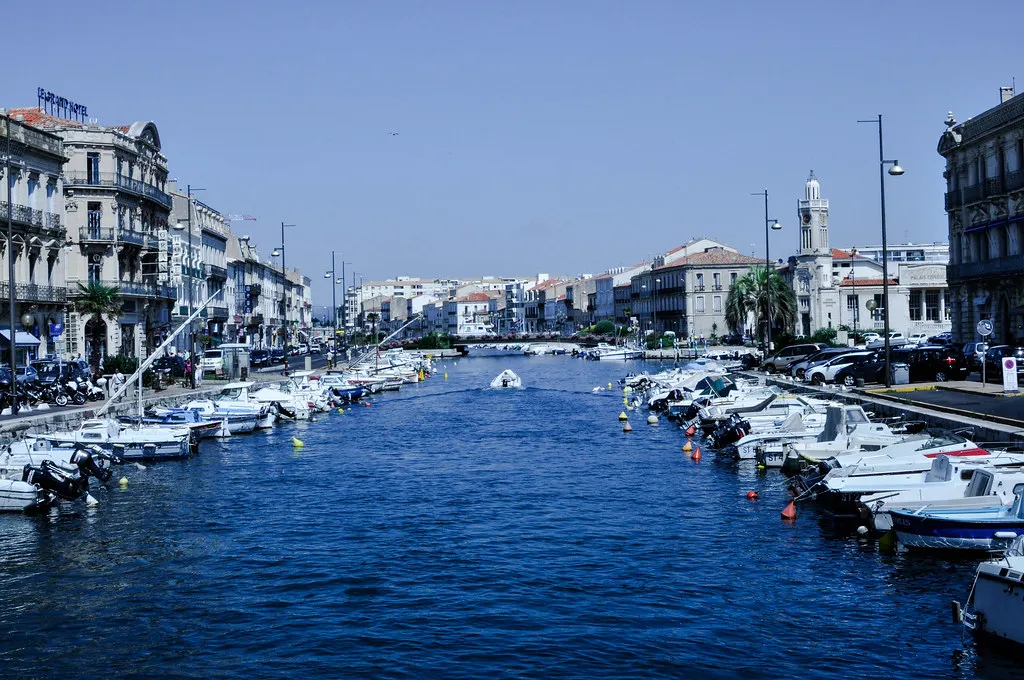
The the best day trips nearby include the coastal town of Sète and the medieval village of Saint-Guilhem-le-Désert. Both are reachable within an hour. You can also visit the Roman ruins in Nîmes by a short train ride.
Montpellier is a city that rewards those who take the time to wander without a strict agenda. From the grand scale of the Place de la Comédie to the quiet charm of the Écusson, there is a discovery around every corner. I hope this guide helps you navigate the historic heart of the city with ease and confidence.
Remember to stay hydrated and take plenty of breaks in the shaded parks during the warmer months. The mix of ancient stone and modern life makes this one of the most rewarding destinations in the South of France.
Free guide: France's Hidden Gems
12 under-the-radar places across Provence, Alsace & Occitanie — with the best season to visit each and a local tip you won't find in the guidebooks.
You might also like


Continue reading
More guides you'll find useful


