

9 Best Montpellier Museums: A Cultural Guide (2026)
Explore the best Montpellier museums including Musée Fabre and MO.CO. Find hours, prices, and insider tips for art and history lovers.
On this page
9 Best Montpellier Museums for Art and History Lovers
After my fourth visit to the sunny streets of the Occitanie region, I have realized that the cultural landscape here is as vibrant as the Mediterranean sky. Montpellier museums offer a surprising depth that rivals the grand galleries of Paris but with a much more relaxed, southern pace. Whether you are drawn to the haunting jars of medical curiosities or the sleek lines of modern architecture, this city delivers a dense concentration of heritage within its historic core.
This guide was last refreshed in June 2026 to ensure all pricing and opening schedules reflect the upcoming 2026 season. I have personally walked the routes from the central square to these hidden gems to provide the most accurate logistical advice. Planning a cultural itinerary requires more than just a list of names; it requires knowing which doors stay locked on a quiet Monday morning. Before diving into the collections, you might want to check out what to see and do in Montpellier to round out your full travel schedule.
The city is currently celebrating its status as a growing hub for contemporary art, anchored by the impressive MO.CO. initiative. Visitors often underestimate how much time they need, so I recommend reviewing our Montpellier itinerary planner are necessary to see it all. From the iconic Place de la Comédie, most of these cultural landmarks are reachable within a ten-minute stroll.
Free guide: France's Hidden Gems
12 under-the-radar places across Provence, Alsace & Occitanie — with the best season to visit each and a local tip you won't find in the guidebooks.
9 Best Montpellier Museums for Art and History Lovers
The museum scene in this city is organized into three distinct clusters: the Fine Arts Quarter near the Esplanade, the Contemporary Hubs, and the Historic Faculty District. Most major sites are concentrated in the pedestrianized center, making it easy to hop between centuries of creative expression in a single afternoon. I recommend starting your journey at the Musée Fabre, which serves as the anchor for the entire regional art scene. Keep in mind that while some smaller sites are free, the heavy hitters usually require a paid ticket or a valid city pass.
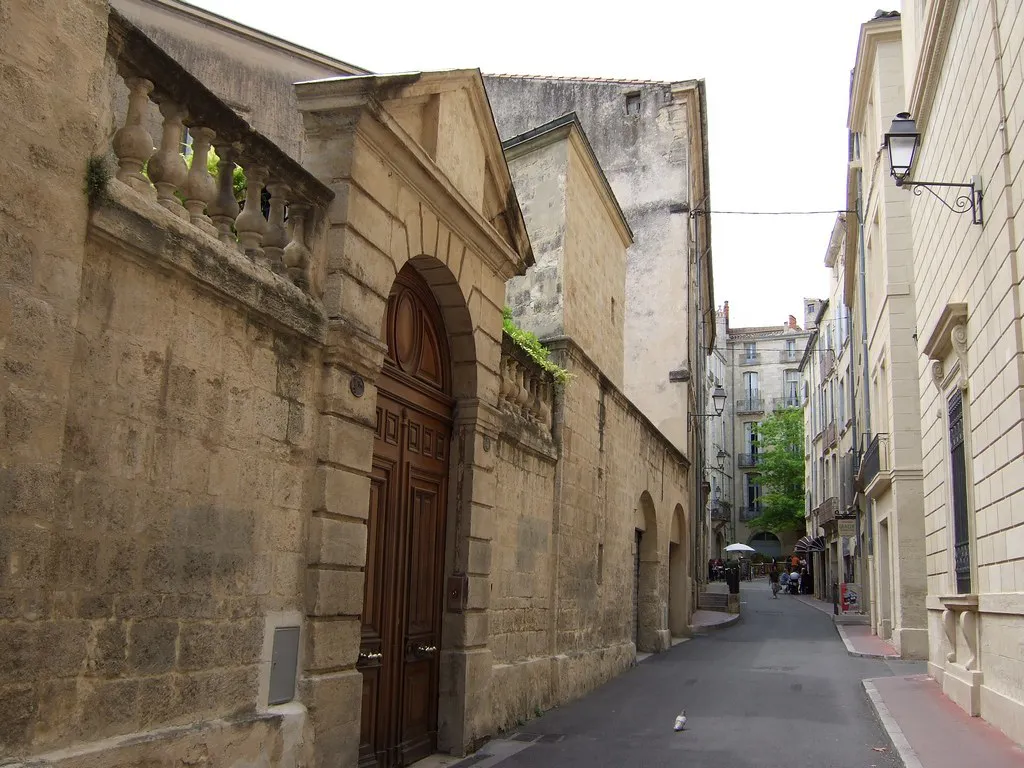
The following list represents the most essential stops for any traveler looking to understand the soul of this southern French capital. I have included a mix of world-class institutions and niche collections that offer a glimpse into the city's unique medical and archaeological past. Be sure to check the specific closure days, as the 'Monday Problem' is very real for several locations on this list. For those interested in the broader context of the city, our the best places to visit in the city guide provides additional site-specific details.
Entry fees typically range from free to about €12 for the largest collections, with discounts available for students and seniors. During my last visit, I found that arriving right at opening time was the only way to avoid the school groups at the more popular venues. The sensory experience of these spaces, from the cool stone of ancient courtyards to the bright white walls of modern galleries, is truly memorable. Always carry a small amount of cash for lockers, as many museums require you to store larger bags before entering the galleries.
- Musée Fabre Fine Arts Collection
- This premier institution houses an incredible range of European paintings and sculptures from the Renaissance to the modern era.
- Expect to pay €9–€12 for entry, with the museum open Tuesday through Sunday from 10am to 6pm in the heart of the city.
- Look for the stunning black canvases by Pierre Soulages, as the natural light in that specific wing is truly transformative for the viewer.
- MO.CO. Hôtel des Collections Contemporary Art
- Located near the train station, this modern venue hosts rotating exhibitions from private and public collections around the globe.
- Standard tickets cost approximately €8, and the galleries are open from 11am to 6pm every day except for Mondays.
- The garden area is a peaceful retreat that features a unique fountain shaped like a world map, which is perfect for a quick break.
- Conservatoire d’Anatomie Medical Curiosities
- This macabre collection within the Faculty of Medicine features thousands of anatomical specimens and wax models used for historical training.
- Access is strictly via guided tours booked through the tourist office, usually costing around €10 for a fascinating ninety-minute session.
- The atmosphere is quite heavy and intense, so it is best suited for adults or older students with a strong interest in science.
- Musée de l’Art Brut Outsider Art
- Tucked away in the Beaux-Arts neighborhood, this museum showcases works created by self-taught artists outside the traditional fine arts circuit.
- Entry is usually €8 per person, and the museum operates from 10am to 1pm and 2pm to 6pm, staying closed on Mondays.
- The personal stories behind each artist are often as compelling as the unconventional materials they used to create their highly detailed masterpieces.
- Pavillon Populaire Photography Gallery
- This public space on the Esplanade Charles-de-Gaulle is dedicated to high-quality photographic exhibitions by world-renowned artists.
- Entry is free for all visitors, making it an excellent stop between 10am and 6pm for anyone wandering near the Place de la Comédie.
- The curators often choose socially relevant themes, so check the current program at the door to see the latest international perspective.
- Musée Archéologique Henri Prades Lattara
- Located in nearby Lattes, this site preserves the remains of an ancient Mediterranean port and displays artifacts from Roman and Gallic life.
- Tickets are priced at €5, and the site is open most days from 10am to 5:30pm, though it closes on Tuesdays rather than Mondays.
- The outdoor archaeological path provides a great way to stretch your legs while learning about the pre-Roman history of the entire region.
- Musée du Vieux Montpellier Local History
- Set within a beautiful 18th-century mansion, this museum chronicles the daily life and evolution of the city through furniture and artifacts.
- Admission is free, with opening hours typically running from 10am to 6pm, though it often closes for a midday break on Sundays.
- The ornate ceilings and period rooms offer a glimpse into the aristocratic lifestyle that once dominated the historic center of the town.
- Hôtel Cabrières-Sabatier d'Espeyran Decorative Arts
- This secondary wing of the Musée Fabre is a hidden gem focused on ceramics, silverware, and the lavish interior design of the 19th century.
- Entrance is included with a full Fabre ticket, or can be purchased separately for about €5 during the afternoon opening hours.
- Many people skip this building because it is around the corner, but the preserved drawing rooms are some of the most beautiful in France.
- La Panacée Contemporary Culture Center
- Part of the MO.CO. network, this lively space focuses on emerging artists and often hosts interactive installations or digital art projects.
- Visiting is free of charge, and the onsite café is one of the most popular student hangouts in the entire historic district.
- The exhibits change frequently, so it is worth a quick walkthrough even if you have visited the city in a previous year.
Is the Montpellier City Card Worth Your Money?
Deciding whether to purchase the Montpellier City Card depends entirely on how many paid sites you plan to squeeze into your daily itinerary. The card currently costs around €15 for 24 hours or €22 for 48 hours, providing free entry to the Musée Fabre and MO.CO. If you visit those two main art museums, you have already covered nearly €20 in individual ticket costs, making the card a great deal. Check the Montpellier Tourist Office - City Card page for the most current list of participating venues.
One of the biggest hidden benefits of the pass is the unlimited access to the city's colorful tram and bus network during the validity period. A single tram ride costs about €1.60, so if you are staying outside the center, these savings add up very quickly over two days. I found it particularly useful for taking the tram out to the Lattara archaeological site, which is otherwise a long walk from the center. The card also includes a free guided walking tour, which usually costs €12 on its own, further increasing the overall value for tourists.
However, if you are visiting on a Sunday when many museums are free, or if you only want to see the free galleries, skip the card. Budget travelers should note that the Pavillon Populaire and the Museum of Old Montpellier do not charge admission regardless of your pass status. Always calculate your planned entries before buying, as it is easy to overspend on a pass you might not fully utilize. For more tips on saving money, our our in-depth Montpellier guide offers a comprehensive look at local logistics.
Solving the Monday Problem: When to Visit
Like many cities in France, Montpellier experiences a significant cultural shutdown every Monday that can frustrate unprepared travelers. The Musée Fabre, MO.CO., and the Museum of Art Brut all keep their doors firmly closed at the start of the work week. During my first trip, I made the mistake of planning my entire 'museum day' for a Monday and ended up wandering the streets instead. To avoid this, I recommend scheduling your museum visits for Wednesday through Saturday when every institution on our list is fully operational.
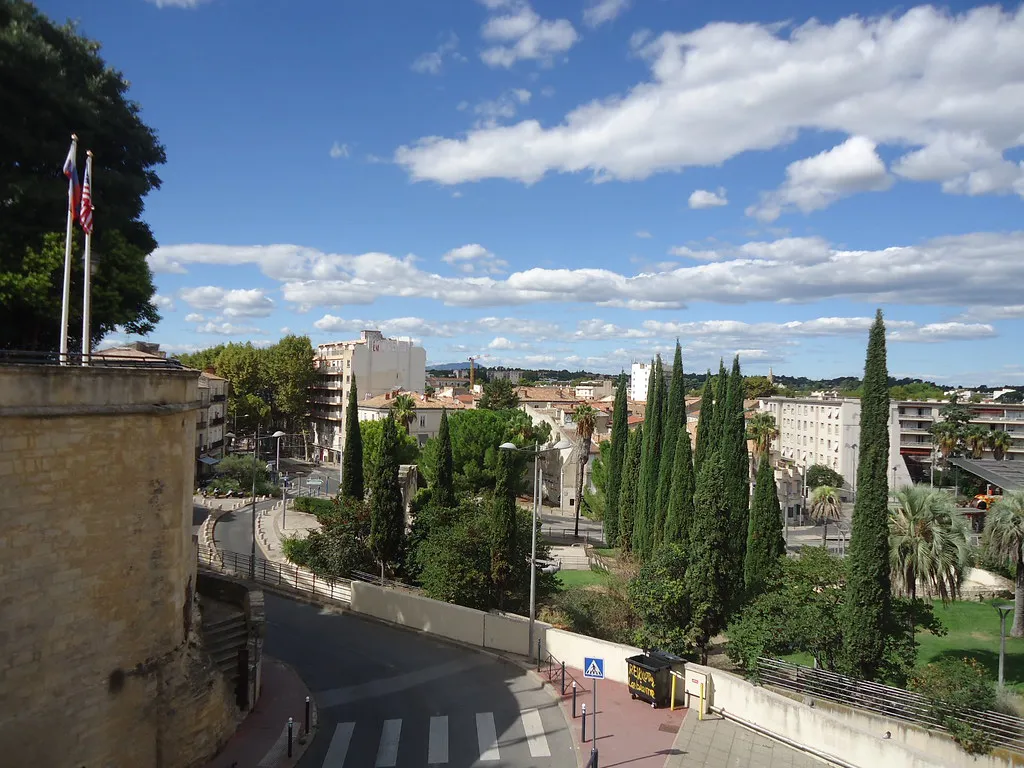
If you do find yourself in the city on a Monday, the outdoor sights and the Montpellier Cathedral remain excellent alternatives for exploration. The the Cathédrale Saint-Pierre provides details on visiting this massive Gothic structure during museum downtime. You can also spend the day exploring the narrow alleys of the historic center, which is an open-air museum in its own right. Many shops and restaurants remain open, so it is a perfect time to sample the local cuisine without the museum-going crowds.
Another timing quirk to watch for is the midday closure of smaller institutions like the Museum of Old Montpellier. Staff often take a break between 1pm and 2pm, so plan your lunch accordingly to ensure you are not standing outside a locked gate. The larger museums like the Fabre stay open straight through the day, making them ideal for those hot Mediterranean afternoons. Check the Musée Fabre Official Site for any unexpected holiday closures or special evening events.
Navigating the Museum Quarter from Gare de Saint-Roch
Arriving by train is the most convenient way to reach the city, especially if you are using the Renfe - Montpellier Destination Guide for regional travel. From the Gare de Saint-Roch, you are only a ten-minute walk from the MO.CO. Hôtel des Collections and the main tram hub. The walk to the Musée Fabre takes about fifteen minutes through the bustling Place de la Comédie, which is entirely flat and easy to navigate. If you have heavy luggage, I suggest using the lockers at the station before heading into the narrow streets of the old town.
The city's tram system is famous for its vibrant designs, including the flowery Line 2 and the swallow-themed Line 1. Taking Line 1 from the station will drop you directly at the 'Comédie' stop, placing you within steps of three major museums. This is the most efficient way to travel if you are short on time or visiting during a rare rainy day in the south. Our guide on Montpellier old town has more specifics on the best walking paths through these historic districts.
Accessibility in the older parts of the city can be challenging due to the medieval cobblestones and occasional steep inclines. However, all the major museums listed here have been modernized to include elevator access and ramps for visitors with limited mobility. If you are planning to visit the Faculty of Medicine, be aware that the historic anatomy theater involves some narrow stairs. Always confirm accessibility features on the official websites if you have specific requirements for your visit.
What to Skip: Overrated Cultural Picks
While Montpellier is packed with heritage, not every 'museum' labeled on a map is worth your limited vacation time. I found that the smaller neighborhood galleries in the Antigone district, while architecturally interesting, often lack the cohesive collections found elsewhere. If you only have one day, do not feel obligated to trek out to the Lattara archaeological site unless you have a deep passion for Roman history. It is a significant site, but the travel time can eat up a large portion of your afternoon compared to the central galleries.
Some visitors find the Museum of Old Montpellier a bit dry if they do not speak French or have an interest in local genealogy. The signage is predominantly in French, which can make the historical context difficult to grasp for international travelers. I recommend prioritizing the Pavillon Populaire instead, as the visual nature of photography transcends any language barriers you might encounter. Focusing on the high-impact sites like the Fabre ensures you see the best the city has to offer without cultural burnout.
Additionally, the 'Pharmacy Museum' is very niche and only open for very limited hours during the week. Unless you are a medical professional or a history buff, the jars and old scales might feel repetitive after ten minutes. Spend that extra hour enjoying a coffee on the Place de la Comédie or browsing the boutiques in the Saint-Roch neighborhood. Knowing what to skip is just as important as knowing where to go when you are exploring a city this dense with options.
Good to know
Most Montpellier museums close on Mondays, so build your culture day around Tuesday to Sunday and keep Monday for parks, markets, or a beach trip.
The Montpellier City Card bundles tram travel with discounted or free museum entry — it only pays off if you visit two or more paid sites in a day, so do the maths for your itinerary first.
See our dedicated guide to the Musée Fabre for current tickets and opening hours.
Frequently Asked Questions
Are museums in Montpellier free on the first Sunday of the month?
Yes, many public museums like the Musée Fabre offer free admission on the first Sunday of every month. This is a great way to save money, but expect much larger crowds than usual. Arrive early to ensure entry into the most popular galleries.
Which Montpellier museum is best for children?
The Lattara archaeological site is often the best choice for families because of its outdoor paths and interactive displays. Children usually enjoy the ancient Roman artifacts and the space to move around. The MO.CO. also occasionally features colorful, large-scale installations that appeal to younger visitors.
Is the Conservatoire d’Anatomie open to the public?
The anatomy collection is only accessible through official guided tours organized by the local tourist office. These tours are infrequent and must be booked in advance online or at their office. It is not possible to walk in and explore the collection on your own.
Montpellier museums provide a sophisticated look at the intersection of Mediterranean history and cutting-edge contemporary art. By balancing the grand halls of the Musée Fabre with the quirky charm of the Art Brut collection, you can experience the full spectrum of the city's creative spirit. Remember to plan around the Monday closures and consider the City Card if you intend to visit more than two paid sites.
The city continues to evolve, with new exhibitions and cultural spaces opening every season in this sun-drenched corner of France. Whether you are here for a weekend or a longer stay, these institutions offer a cool, quiet refuge and a deep connection to the past. I hope this guide helps you navigate the cultural landscape of Montpellier with confidence and curiosity.
Free guide: France's Hidden Gems
12 under-the-radar places across Provence, Alsace & Occitanie — with the best season to visit each and a local tip you won't find in the guidebooks.
You might also like



Continue reading
More guides you'll find useful


