Colmar in Winter: 12 Best Things to Do & Travel Guide
Plan your perfect trip with our Colmar in winter guide. Discover 12 festive things to do, Christmas market tips, packing lists, and local secrets for Alsace.
On this page
Colmar in Winter: 12 Best Things to Do & Travel Guide
Late November to late December is the best time for most travelers to visit. The town transforms into a storybook scene during these cold winter months. You will find half-timbered houses glowing with thousands of fairy lights. I visited in mid-December and the atmosphere was truly magical.
Colmar is famous for its festive spirit and historic charm. This guide covers everything you need for a perfect winter trip. We will look at weather, markets, and local secrets. Updated June 2026 from my recent winter visit to this French gem.
Many people ask if whether Colmar is worth the trip when the temperatures drop. The answer is a clear yes for fans of Christmas. You can enjoy a when to visit Colmar guide here. Plan for cold days and very cozy nights.
The Best Things to Do in Colmar in Winter
Winter in Colmar feels like stepping into a classic holiday film. The narrow streets of the Old Town fill with the scent of spiced wine. Local shops decorate their facades with elaborate teddy bears and ribbons. You should start your walk at the Place de l'Ancienne Douane.
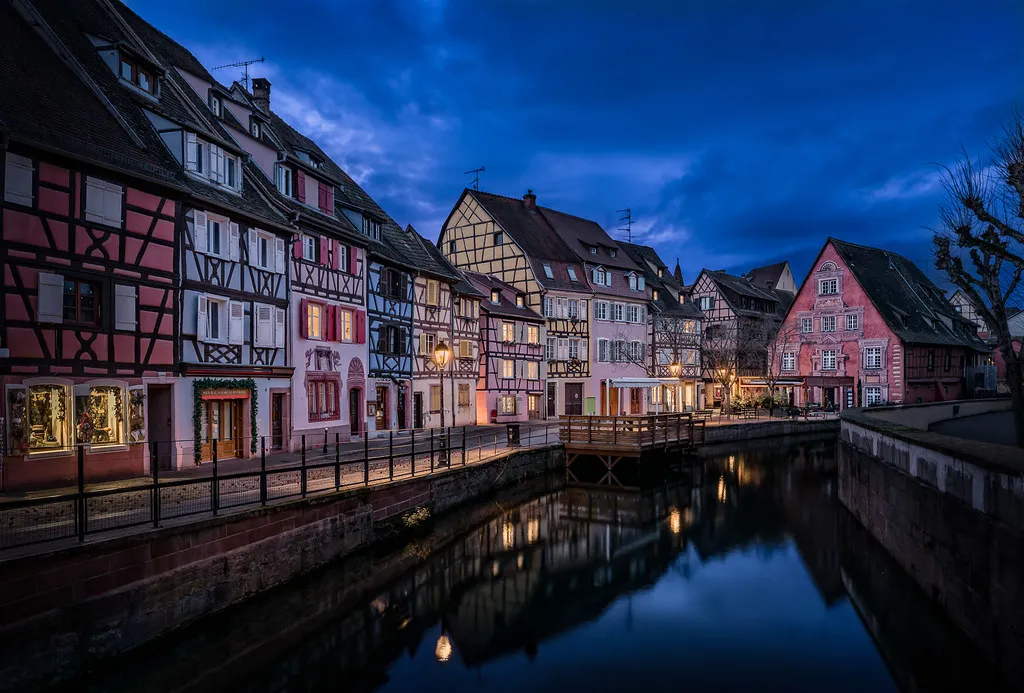
The evening illumination is a highlight of any winter visit. Thousands of lights highlight the intricate details of the medieval architecture. I noticed the crowds were thinnest right before the sun went down. This is the perfect time for clear photos of the decorations.
You can find many indoor activities to stay warm during your trip. The town offers several world-class museums and cozy traditional tavernas. Many visitors enjoy exploring the our Little Venice and Old Town guide for route ideas. Winter provides a unique perspective on these historic landmarks.
All About the Colmar Christmas Markets
The the Colmar Christmas markets shows six distinct market locations. Each square offers a different theme and set of artisanal products. You will find local pottery, hand-blown glass, and festive ornaments. The market at Place des Dominicains is particularly atmospheric.
Food is a major draw for visitors during the market season. You must try the warm pretzels and the local gingerbread cakes. I suggest trying the 'Vin Chaud' from a local wine producer. These stalls often use higher quality grapes than standard tourist spots.
The markets are very popular and can get quite crowded on weekends. I recommend visiting on a weekday morning to avoid the largest groups. Most stalls open around 10 AM and stay busy until late evening. Check the Colmar Christmas Practical Info for official opening dates.
Season Comparison
Colmar changes significantly between the peak festive season and the quiet late winter. December is the busiest month by far due to the markets. January and February offer a much calmer experience for budget travelers. You will find lower hotel rates during these colder months.
Spring and summer bring vibrant flowers and warmer temperatures to the canals. However, you miss the magical lighting and festive stalls found in winter. Each season has a specific appeal based on typical climate data. Use the table below to compare the different times of year.
| Season | Weather | Crowds | Prices | Events | Best for |
|---|---|---|---|---|---|
| Late Nov–Dec | 0–6°C / 32–43°F | Very High | High | Christmas Markets | Festive Magic |
| Jan–Feb | -1–5°C / 30–41°F | Low | Low | Winter Sales | Budget Travel |
| Mid-March–May | 8–18°C / 46–64°F | Moderate | Moderate | Easter Markets | Spring Flowers |
| June–August | 15–26°C / 59–79°F | High | High | Wine Festivals | Outdoor Dining |
Where to Stay in Colmar in Winter
Choosing the right area is vital for a comfortable winter stay. The Old Town is the most convenient choice for accessing the markets. You will be within walking distance of all the major festive sites. Look at our where to stay in Colmar guide for specific hotel tips.
Little Venice is another popular area known for its romantic atmosphere. Many hotels here are located in historic buildings with canal views. I stayed in a timbered house that felt like a cozy retreat. Be sure to book at least six months in advance for December.
If you prefer a quieter stay, consider the area near the train station. This location is practical for those taking day trips to nearby villages. It is usually a ten-minute walk to the center of the Old Town. You might find better value for money in this residential district.
Winter Weather in Colmar, France
Winter temperatures typically range from -1°C to 6°C / 30°F to 43°F. Colmar benefits from a regional weather quirk called the rain shadow effect. The Vosges Mountains protect the town from heavy rainfall coming from the west. This makes it one of the driest cities in France.
Snow is possible but not guaranteed during your winter visit. It often creates a beautiful dusting on the colorful rooftops and canals. I experienced a light snowfall in late December that was quite lovely. However, rain is more common than heavy snow in recent years.
The wind can feel biting when you are walking near the water. You should prepare for damp cold that seeps through thin clothing. Humidity levels stay relatively high during the winter months. Always check the local forecast before heading out for the day.
Pick X If
Deciding when to visit depends on your personal travel style. Some people love the energy of the crowds and the lights. Others prefer a quiet walk through a historic town without the noise. Use these simple rules to help you choose your dates.
Each traveler type will find something unique in the Alsatian winter. Families often enjoy the interactive displays and the toy museum. Couples usually find the evening lighting and boat rides very romantic. Budget travelers should look at the weeks following the New Year.
- Pick late November if you want
- Full markets with fewer crowds
- Pick mid-December if you want
- The peak festive atmosphere
- Pick early January if you want
- Quiet streets and lower prices
- Pick February if you want
- A peaceful and snowy escape
What to Pack
Packing for Colmar requires a balance of style and practical warmth. The cobblestone streets are uneven and can become very slippery when wet. I learned that thin socks are a mistake for long market walks. Proper thermal layers are essential for enjoying the outdoor stalls.
You will spend a lot of time standing outdoors in the cold. A long, insulated coat will keep you much warmer than a short jacket. Many locals wear stylish wool coats with hidden thermal base layers. Do not forget a portable charger as cold drains phone batteries quickly.
- Waterproof walking boots
- Essential for wet cobblestones
- Thermal base layers
- Keep core body heat stable
- Wool hat and gloves
- Protect against biting winds
- Reusable shopping bag
- Carry market finds easily
A Boat Trip Through Colmar’s Old Town
A a Little Venice boat tour is a must even in the winter. Flat-bottomed boats glide through the narrow canals of Little Venice. You get a unique view of the timbered houses from the water level. The tours continue during the winter as long as the water is not frozen.
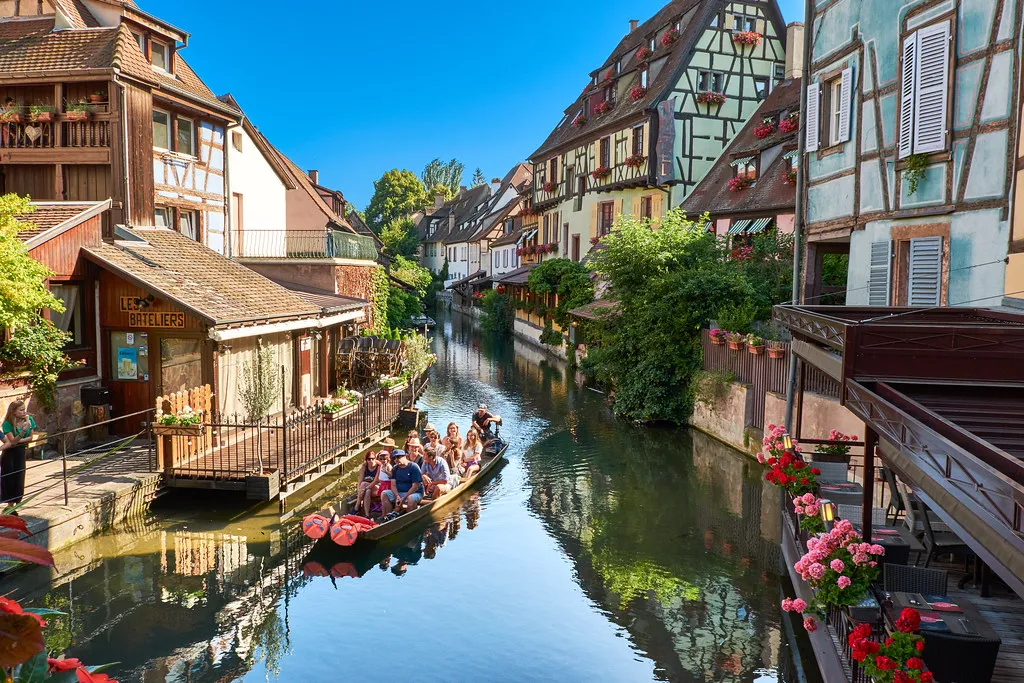
One special seasonal event is the floating children's choir on the river. They perform traditional carols from illuminated boats on the Lauch. You can check the Children’s Choir on Boats Schedule for timing. It is a very moving experience to watch them from the bridges.
The boat rides are shorter in winter but very scenic. I recommend taking a tour in the late afternoon for the best light. You should wrap up warm as the air is colder on the water. Most boats seat about ten people and offer a quiet perspective.
Visit Little Venice and Old Colmar on Foot
Walking is the best way to explore the heart of the city. Little Venice is the most photogenic district with its colorful facades. You can follow the signs for a self-guided walking tour. Most major sites are clustered within a small, pedestrian-friendly area.
The Rue des Marchands is home to some of the oldest buildings. You will see the famous Pfister House with its unique wooden gallery. I found that the early morning is best for seeing the architecture. Most tourists are still at their hotels during the first light.
You should also explore the quieter residential streets near the Colmar Toy Museum. These areas feel more authentic and less like a theme park. You can see how the locals decorate their private windows and doors. It provides a nice contrast to the busy market squares.
Museums, Art, and Culture in Colmar
When the winter wind gets too cold, head inside a museum. The Unterlinden Museum is the most famous cultural site in the region. It houses the Isenheim Altarpiece in a beautiful former convent setting. I spent three hours here escaping a particularly chilly afternoon.
The Bartholdi Museum is dedicated to the creator of the Statue of Liberty. It is located in the house where the artist was born. You can see original models and sketches of his most famous works. This is a great spot for fans of history and art.
Families will love the Toy Museum located in a former cinema. It features a massive collection of dolls, trains, and board games. The displays span several floors and offer a nostalgic look at childhood. It is a perfect warm-up stop for those traveling with children.
Buy Good Local Produce in Colmar
For the best regional food, visit the Marché Couvert in the Old Town. This permanent covered market is a warm sanctuary for food lovers. You can buy fresh Alsatian cheese, cured meats, and local honey. It is much less touristy than the outdoor market stalls.
I suggest stopping here for a casual lunch at one of the counters. You can try a 'Tarte Flambée' while watching the canal boats pass by. The quality of the produce is excellent and the prices are fair. It is a great place to buy edible souvenirs for home.
Local wine is another must-buy item in the Alsace region. Many shops offer tastings of Riesling and Gewürztraminer during the winter. You can also find specialized Christmas Cellars around Colmar for festive pairings. This is a cozy way to spend a winter evening.
What's Closed in Low Season
Travelers visiting in January should be aware of some seasonal closures. Many family-owned restaurants take a break after the busy Christmas period. Some island tavernas and smaller shops close for the first two weeks of the year. Always check the opening hours on Google Maps before visiting.
Boat tours on the Lauch river may reduce their frequency in late winter. If the canal freezes, the tours will stop entirely for safety reasons. Some smaller museums also operate on shorter winter hours during the low season. Plan your itinerary with these potential constraints in mind.
The 'Navettes de Noël' or the Colmar Christmas Shuttle stop running in late December. This makes visiting the nearby villages slightly more difficult without a car. You will need to rely on regular regional buses or trains. However, the main city attractions remain open throughout the year.
Cycling Around Colmar in Winter
Cycling is a popular way to see the Alsace wine route. However, winter biking requires extra caution due to weather conditions. You must watch out for black ice on the 'Feuille de Chou' path. This trail can become very dangerous after a night of freezing temperatures.
If the weather is clear, a short ride to Eguisheim is possible. The path is relatively flat and offers beautiful views of the vineyards. I recommend renting a bike with thick tires for better grip. Wear a windbreaker to protect yourself from the cold air while moving.
Many visitors prefer the Christmas Shuttle for village-hopping in December. It is a much warmer and safer alternative to cycling in the frost. If you do choose to bike, stay on the main paved roads. Avoid narrow dirt paths that might be muddy or icy.
Good to know
Winter is Colmar at its most magical — Christmas markets in December, quiet frosty streets in January and February. Pack warm layers; daytime highs hover around 3–7°C / 37–45°F.
After the markets close in late December, hotel prices drop sharply and you get the fairy-tale town nearly to yourself.
Frequently Asked Questions
Is Colmar worth visiting in winter?
Yes, Colmar is absolutely worth visiting in winter for its magical atmosphere. The Christmas markets and festive lights create a unique storybook experience. You will enjoy cozy food and historic charm despite the cold.
How many days do I need in Colmar in winter?
You should plan for two to three days to see the main sites. This allows time for the markets, museums, and a boat trip. A longer stay is better if you want to visit nearby villages.
Does it snow in Colmar during December?
Snow is possible in December but it is not guaranteed every year. You are more likely to see a light dusting than heavy snow. The town looks beautiful even with just a frost.
Colmar in winter is a truly special destination that rewards early planning. Whether you come for the markets or the museums, the charm is undeniable. I hope this guide helps you navigate the cold and find the best local spots.
Remember to pack your warmest layers and book your stay well in advance. The memories of the lights on the timbered houses will stay with you. Enjoy your festive journey through this beautiful corner of France.
You might also like


Continue reading
More guides you'll find useful