
12 Best Day Trips From Strasbourg: France, Germany, and Switzerland (2026)
Discover the 12 best day trips from Strasbourg. Includes expert guides to Colmar, the Black Forest, Basel, and hidden gems with train and car logistics.
On this page
12 Best Day Trips From Strasbourg
After five years of exploring the Rhine Valley, I still find Strasbourg the ultimate hub for regional travel. This guide was refreshed in October 2025 to reflect the latest train schedules and 2026 seasonal openings. From medieval French villages to German spa towns, the variety within a 90-minute radius is simply unmatched. You can easily cross borders while returning to your hotel in time for a traditional Alsatian dinner.
Our editors have vetted every destination on this list to ensure they are feasible within a single day. We prioritize locations reachable by the efficient TER200 train line or a short scenic drive. Whether you seek world-class art in Switzerland or mountain views in the Black Forest, these picks deliver. Planning ahead is essential, especially when visiting the popular Strasbourg Christmas market during the busy winter season.
12 Best Day Trips From Strasbourg
The first cluster of trips focuses on the quintessential Alsatian heritage found just south of the city. Colmar serves as the primary anchor, but the nearby wine villages offer a more intimate look at local life. Travelers often combine these stops into a single day if they have access to a rental car. For those using public transit, the Strasbourg to Colmar day trip remains the most reliable and scenic option.
| Destination | Travel time from Strasbourg | How to get there | Best for |
|---|---|---|---|
| Colmar | ~30 min | Direct train | Little Venice, old town |
| Sélestat | ~20 min | Direct train | Humanist Library, gateway to wine route |
| Obernai | ~35 min | Direct train | Walled town, vineyards |
| Riquewihr & Eguisheim | ~1h | Car or guided tour | Alsace Wine Route villages |
| Kehl (Germany) | ~15 min | Tram D | Cross-border stroll, cheap shopping |
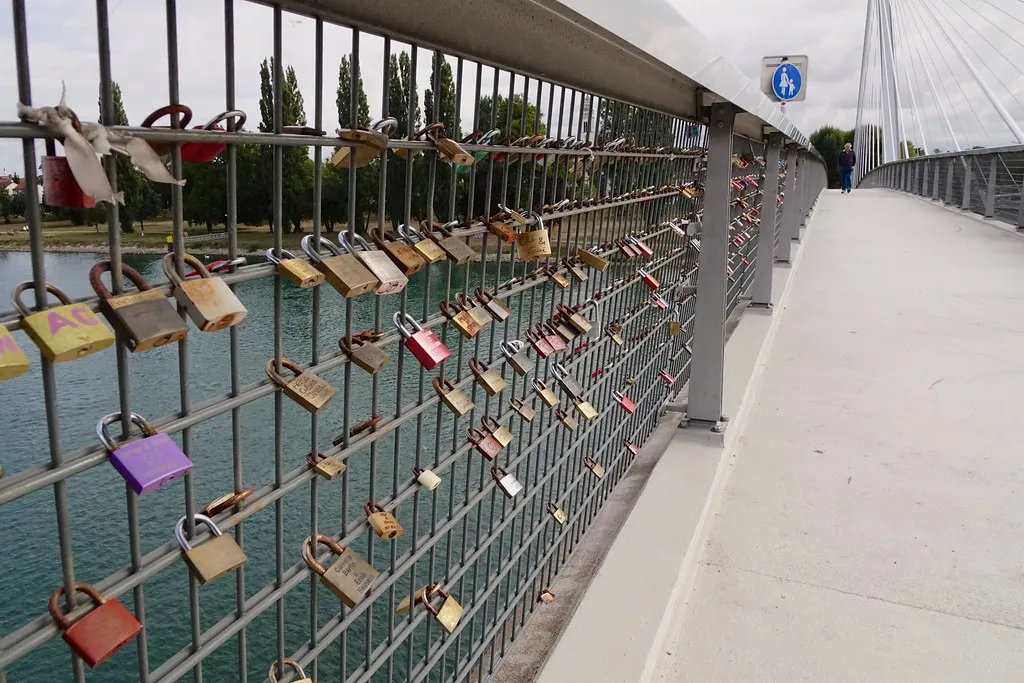
Our second group crosses the Rhine River into the mystical landscapes of the German Black Forest. Freiburg and Baden-Baden provide a mix of sophisticated urban culture and deep forest relaxation. These German destinations are surprisingly accessible by train, though a car helps for reaching rural heritage museums. Always remember to carry your passport, even though border checks are rare in the Schengen Area.
The third category explores the high-culture cities of Basel, Switzerland, and the romantic ruins of Heidelberg. These trips require slightly longer travel times but offer a completely different architectural and cultural atmosphere. Basel is a paradise for modern art lovers, while Heidelberg caters to those seeking classic European romance. Both cities are well-connected by high-speed rail, making them stress-free additions to an Alsace-based itinerary.
Finally, we look at the somber history of the Vosges Mountains and the modern art of Lorraine. The Alsace-Moselle Memorial provides essential context for the region's complex identity between France and Germany. Meanwhile, the cities of Metz and Nancy showcase the best of French Art Nouveau and contemporary museum design. These stops offer a sophisticated alternative to the 'cute village' fatigue that some travelers experience.
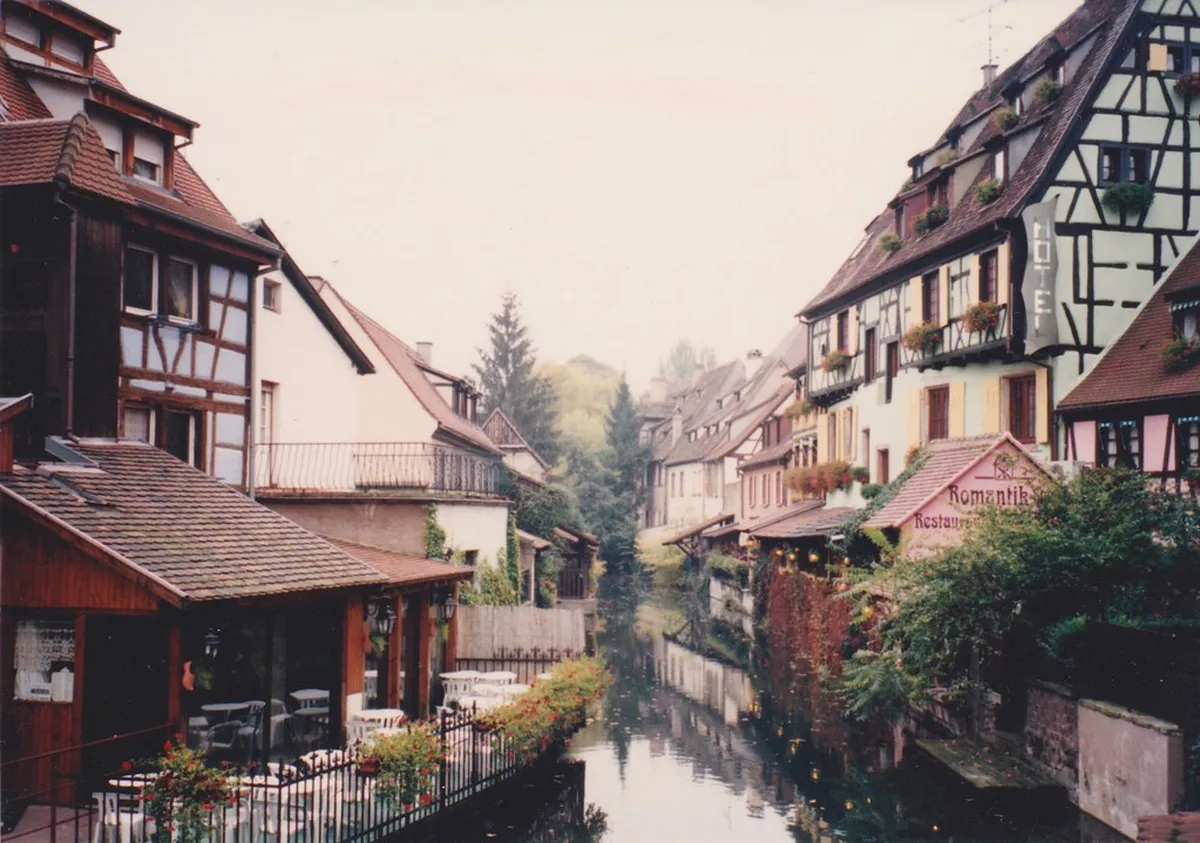
- Colmar and the Little Venice District
- Colmar is a preserved medieval town famous for its colorful canals and the world-class Unterlinden Museum collection.
- Most travelers spend 6–8 hours here exploring the Tanneurs district and the vibrant covered market stalls.
- Tickets for the 30-minute train ride typically cost between $10 and $19 per adult.
- Arrive before 10 am to photograph the Little Venice bridges before the heavy afternoon tour groups arrive.
- The town remains open daily, though museum hours are usually 9 am to 6 pm, excluding Tuesdays.
- The Wine Route Villages of Riquewihr and Eguisheim
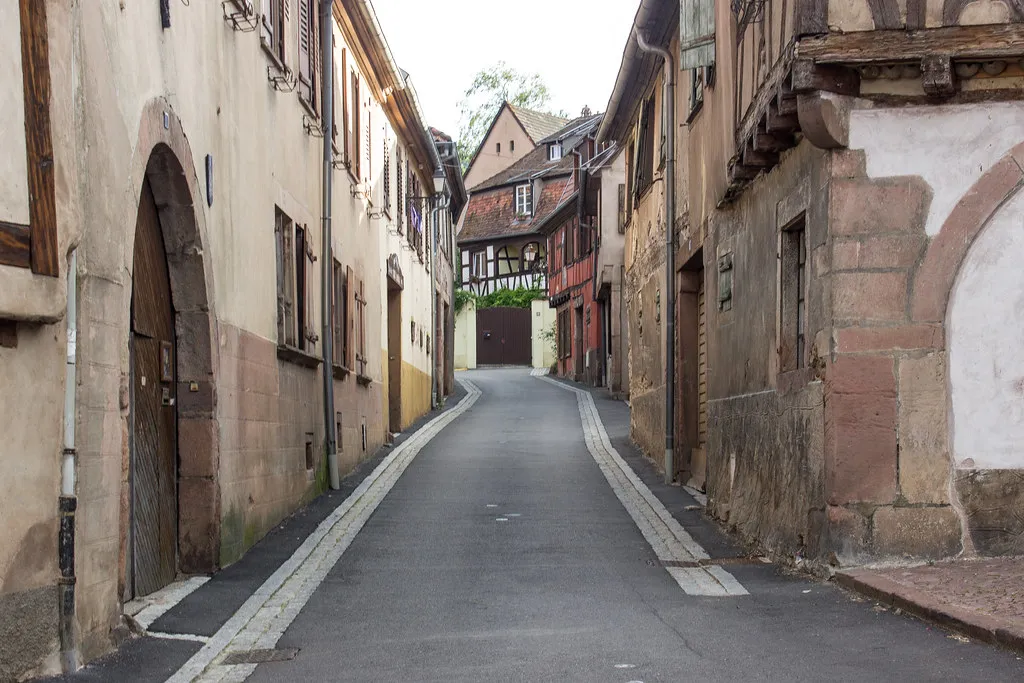
- These fortified villages represent the peak of Alsatian charm with their narrow cobblestone streets and flower-filled balconies.
- Spending a half-day in each allows for leisurely wine tastings at local family-run cellars along the main streets.
- A rental car is best, but the seasonal 'Kutis' shuttle bus runs from Colmar for about $8.
- Wear sturdy walking shoes because the ancient stones in Riquewihr can be quite slippery when damp.
- Most shops and tasting rooms open daily from 10 am to 6 pm during the harvest season.
- Haut-Koenigsbourg Castle in the Vosges Mountains
- This restored 12th-century fortress offers panoramic views across the Rhine Valley and even the Alps on clear days.
- Visitors typically need 3 hours to tour the armory, living quarters, and the impressive defensive towers.
- The Navette du Chateau shuttle bus departs from Selestat station and costs roughly $5 for a return trip.
- Entry fees for adults are approximately $13, and the castle is open daily except for major holidays.
- Check the weather forecast before booking, as low clouds can completely obscure the famous mountain views.
- Black Forest Open-Air Museum in Gutach
- The Vogtsbauernhof museum features authentic 16th-century farmhouses that were moved here to preserve German rural history.
- Families should plan for 4 hours to see the live craft demonstrations and the heritage livestock breeds.
- The drive from Strasbourg takes about an hour, or you can take a train to the Hausach station.
- Adult admission is roughly $12, and the site is open from late March through early November.
- The on-site cafe serves excellent Black Forest cherry cake made according to traditional regional recipes.
- Freiburg im Breisgau and the Bachle Canals
- Freiburg is a vibrant university city known for its medieval center and the tiny water canals lining the streets.
- A full day allows for a visit to the Munster cathedral and a funicular ride up the Schlossberg hill.
- Regional trains from Strasbourg via Offenburg take about 90 minutes and cost around $25 return.
- Legend says if you accidentally step in a Bachle canal, you are destined to marry a local resident.
- The daily farmers market at the Munsterplatz is open until 1 pm and offers the best local snacks.
- Baden-Baden Luxury Spas and Thermal Baths
- This elegant resort town is world-renowned for its Roman-style thermal baths and the opulent 19th-century casino.
- Soaking in the Caracalla Spa or the historic Friedrichsbad requires at least 3 to 4 hours of your time.
- The train journey is a quick 45-minute trip, with tickets priced between $15 and $28 depending on booking.
- Pack a swimsuit for Caracalla, but note that the historic Friedrichsbad is a traditional textile-free bathing experience.
- Baths are generally open from 8 am to 10 pm daily, providing a perfect end to a busy trip.
- Basel Switzerland and the Kunstmuseum Art Collection
- Basel is a trinational cultural hub where the borders of France, Germany, and Switzerland meet along the Rhine.
- The Kunstmuseum holds the oldest public art collection in the world and requires a dedicated 3-hour visit.
- The TER200 train reaches Basel SBB station in about 70 minutes for a cost of $25–$40.
- Use the free public transport pass provided by most Swiss hotels if you decide to stay overnight.
- Most museums are closed on Mondays, so plan your Swiss excursion for later in the work week.
- Heidelberg Castle and the Old Bridge
- Heidelberg is widely considered Germany's most romantic city, featuring a red sandstone castle ruin overlooking the Neckar River.
- Walking the Philosopher's Way provides the best vantage point for photos of the historic Old Town and bridge.
- Driving takes about 90 minutes, while high-speed ICE trains can get you there in just over an hour.
- Castle entry and the funicular ride cost roughly $10 per adult, including access to the giant wine tun.
- The castle grounds are open daily from 8 am until dusk, offering beautiful golden hour light for visitors.
- Natzweiler-Struthof and the Alsace-Moselle Memorial
- This somber site was the only Nazi concentration camp on French soil and serves as a powerful memorial.
- A respectful visit to both the camp and the nearby memorial museum requires at least 5 hours.
- Public transport is limited here, so a rental car is highly recommended for the steep mountain drive.
- Combined tickets cost around $16, and the sites are open daily from 9 am to 6 pm.
- The altitude means it is often much colder here than in Strasbourg, so bring an extra layer of clothing.
- Europa-Park Theme Park in Rust
- Consistently voted the best theme park in the world, Europa-Park features 15 European-themed areas and world-class coasters.
- Thrill-seekers will need a full 10-hour day to experience the major rides like Silver Star and Blue Fire.
- A dedicated shuttle bus runs from Strasbourg, or you can drive the 45-minute route via the A5 motorway.
- Standard adult tickets cost approximately $65, and the park is open from 9 am to at least 6 pm.
- Download the official app to monitor wait times and book virtual queue slots for the most popular attractions.
- Metz and the Centre Pompidou-Metz
- Metz is a city of yellow limestone architecture and home to the stunning satellite branch of the Pompidou Center.
- The contemporary art museum is worth the trip alone, but don't miss the Saint-Stephen Cathedral's Chagall windows.
- Direct trains from Strasbourg take 50 minutes and typically cost between $15 and $35 per person.
- Walk through the Quartier Imperial to see the unique German-style architecture from the late 19th century.
- The museum is open 10 am to 6 pm daily, except for Tuesdays when it remains closed.
- Nancy and the Place Stanislas
- Nancy is famous for the Place Stanislas, a UNESCO World Heritage site known for its golden gates and fountains.
- Art Nouveau enthusiasts should visit the Villa Majorelle and the Musee de l'Ecole de Nancy for 3 hours.
- The train ride takes about 90 minutes from Strasbourg, with tickets averaging $20 to $40 per adult.
- Try the local Macarons de Nancy or the Bergamote candies, which have been a city specialty for centuries.
- The main square is beautifully illuminated at night, making it worth staying for a late dinner before returning.
Is Strasbourg the Best Base for Alsace?
Many travelers wonder is Strasbourg worth visiting as a long-term base or just a quick stop. In my experience, the city's role as a railway crossroads makes it the most efficient hub in eastern France. You can reach three different countries in under two hours without ever needing to change hotels. This stability allows for a much deeper exploration of the region than moving between small village guesthouses.
When deciding how many days in Strasbourg you need, factor in at least three days for trips. The city itself takes two days to see properly, but the surrounding region is where the real magic happens. Staying in the city also gives you access to a much wider variety of evening entertainment and dining. Smaller villages like Riquewihr can feel quite empty and quiet once the day-tripping crowds depart at sunset.
Furthermore, the city offers a range of where to stay in Strasbourg options for every budget. From luxury hotels near the cathedral to modern apartments near the train station, the infrastructure is excellent. Being near the Gare de Strasbourg allows you to catch early trains and maximize your time at each destination. This convenience is hard to beat when you are trying to balance multiple cross-border excursions in one week.
What to Skip: Managing Your Alsace Itinerary
While the region is full of wonders, some experiences under-deliver on their promises to international tourists. I recommend skipping the 'Wine Train' tours that operate out of the larger towns during the peak summer months. These are often overpriced and follow a rigid schedule that prevents you from truly exploring the local vineyards. Using local buses or renting a bicycle provides a much more authentic and flexible way to see the Alsace Wine Route.
Another potential pitfall is trying to visit too many villages in a single afternoon during the holiday season. The crowds at the smaller markets can be overwhelming and often lead to a repetitive experience of the same stalls. Instead, pick one or two high-quality stops and spend more time enjoying the local atmosphere and food. Focusing on the things to do in Alsace from Strasbourg that offer variety will lead to a better trip.
Be wary of the 'tourist menus' found in the most central squares of Colmar and Freiburg. These often feature frozen versions of traditional dishes like Flammekueche or Choucroute at inflated prices. Walking just two or three blocks away from the main landmarks usually reveals much better local bistros. Seeking out places where you hear the local dialect is a reliable way to find high-quality regional cooking.
Logistics: How to Plan Your Strasbourg Day Trips
Navigating the border region is remarkably simple thanks to the TER200 train line operated by SNCF. You can find schedules and book tickets easily through SNCF Connect - Strasbourg to Colmar Trains. For trips into Germany, the Europass-24 is a cost-effective ticket that covers local transport in both Strasbourg and Ortenau. Always validate your paper tickets at the yellow machines before boarding to avoid heavy fines from inspectors.
If you prefer a car, several rental agencies are located directly inside the Strasbourg train station complex. Driving in the Vosges Mountains is beautiful but can be challenging during the winter months due to snow. Ensure your rental includes a Crit'Air sticker if you plan to drive into restricted environmental zones in French cities. Parking in medieval centers like Freiburg is difficult, so look for 'Park and Ride' lots on the city outskirts.
After a long day of exploring, you will likely return to the city with a very healthy appetite. I highly recommend booking a table at La Casserole Restaurant Strasbourg for a refined Alsatian dining experience. For something more casual near the water, Café Atlantico Strasbourg offers a great atmosphere for a post-trip drink. You can also check our guide to the best restaurants in Strasbourg for more local favorites and hidden gems.
Good to know
The easiest day trips are by train: Colmar (30 min), Sélestat (20 min), and the wine town of Obernai (35 min) all run frequently from Strasbourg-Ville with no need for a car.
For the Alsace Wine Route villages such as Riquewihr and Eguisheim, a guided minibus tour or a rental car is far more practical than patchy rural bus connections.
Frequently Asked Questions
Can you visit Germany and Switzerland in one day from Strasbourg?
Yes, it is physically possible but not recommended for a relaxing trip. You could visit Freiburg in the morning and Basel in the afternoon via train. However, you would spend most of your day in transit rather than enjoying the sights.
Is a car necessary for day trips from Strasbourg?
A car is not necessary for major cities like Colmar, Basel, or Nancy. However, reaching the Wine Route villages and Haut-Koenigsbourg Castle is much easier with your own vehicle. Public transport to rural areas is often limited on Sundays.
What is the best village to visit on the Alsace Wine Route?
Riquewihr is often cited as the most beautiful due to its perfectly preserved 16th-century architecture. Eguisheim is a fantastic alternative that features a unique concentric circle layout. Both offer excellent wine tasting opportunities within walking distance of the center.
Strasbourg serves as a spectacular gateway to the heart of Western Europe. By utilizing the city as your base, you can experience the distinct flavors of three different nations in a single week. The mix of high-speed rail and scenic mountain roads makes planning these excursions both simple and rewarding. Whether you choose the fairy-tale streets of Colmar or the thermal waters of Baden-Baden, you are in for a treat.
Remember to pace yourself and allow time for the unexpected discoveries that make travel special. The Rhine Valley is a region that rewards those who slow down to appreciate a local vintage or a quiet forest trail. I hope this guide helps you create an unforgettable itinerary for your 2026 visit to Alsace. Safe travels as you explore the incredible diversity found just beyond the borders of Strasbourg.
You might also like


Continue reading
More guides you'll find useful


