

How Many Days in Strasbourg 2026: The Perfect Itinerary
Plan how many days in strasbourg 2026 with our 3-day itinerary. Find neighborhood tips, booking advice, and safety guides for first-time visitors.
On this page
How Many Days in Strasbourg 2026: A 3-Day Guide
Determining how many days in strasbourg 2026 you should plan depends on your interest in history and food. Most first-time visitors find that three days provides the perfect balance of sightseeing and relaxation. I built this guide after my last trip to Alsace to help you navigate the city efficiently. This article was last refreshed after my spring visit to ensure all details remain accurate for 2026.
Strasbourg serves as the formal seat of the European Parliament and a bridge between French and German cultures. The city center is remarkably walkable and features some of the most beautiful timbered houses in Europe. Whether you are here for the world-famous Christmas markets or summer canal walks, timing is everything. We hit the Cathedral at 9:00 AM and beat the massive tour groups by thirty minutes during our stay.
This itinerary focuses on maximizing your time while avoiding the typical tourist bottlenecks. You will discover the best neighborhoods to explore and where to find the most authentic local meals. From soaring gothic spires to modern art galleries, this plan covers the essential highlights for every traveler. Read on to discover why three days is the ideal duration for your upcoming French adventure.
3 Days in Strasbourg: At a Glance
This quick overview helps you visualize the flow of a standard three-day visit to the Alsatian capital. Each day focuses on a specific neighborhood to minimize backtracking and maximize your exploration time. The schedule allows for a mix of major landmarks and quiet moments in local cafes. Check the detailed breakdown below for specific costs, transit times, and booking requirements for each stop.
- Day 1: Historic gems and timbered houses
- Morning: Cathedral and Astronomical Clock
- Afternoon: Petite France wandering
- Evening: Ill River boat tour
- Day 2: Art, politics, and modern vistas
- Morning: Museum of Modern Art
- Afternoon: European District tram ride
- Evening: Krutenau neighborhood dinner
- Day 3: Alsatian culture and green spaces
- Morning: Alsatian Museum history
- Afternoon: Parc de l'Orangerie
- Evening: Wine tasting and Winstub
The Perfect 3-Day Strasbourg Itinerary
Your first day should focus on the Grande Île, which is the historic heart of the city. Start at the Strasbourg Cathedral to witness the incredible gothic architecture and the famous clock. The cathedral is open daily from 8:30 AM to 5:45 PM and is free to enter for everyone. I recommend arriving early to avoid the midday crowds that gather for the clock's noon performance.
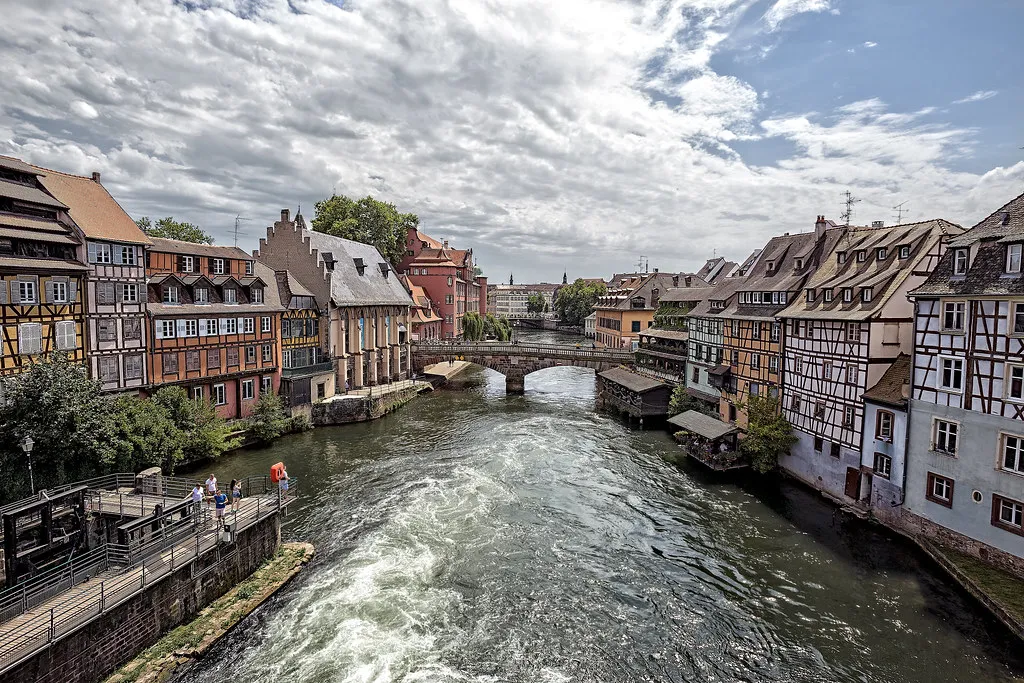
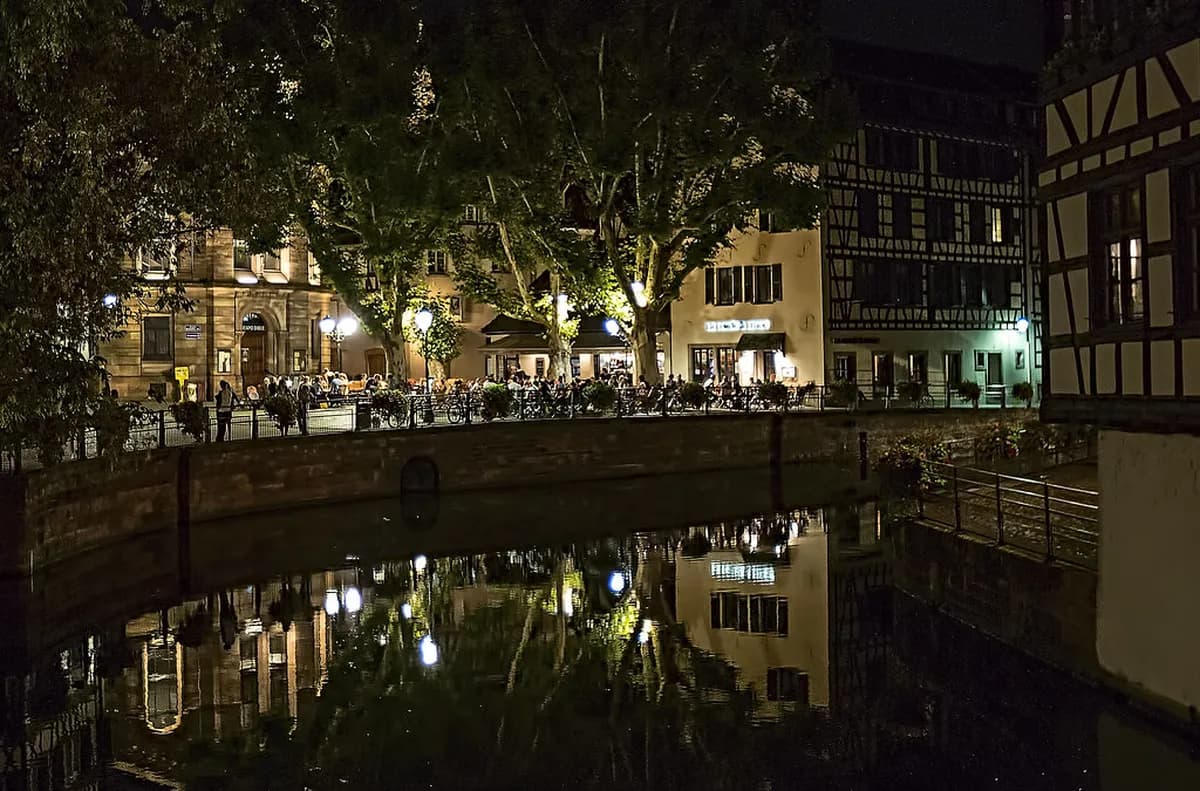
After lunch, walk about ten minutes toward the picturesque Petite France district for iconic photo opportunities. This area features narrow canals and medieval buildings that look like they belong in a storybook. In the evening, enjoy a Strasbourg boat tour to see the city from the water. These tours usually last about 70 minutes and provide a great overview of the city's unique history.
On day two, head west to the Museum of Modern and Contemporary Art for a change of pace. The museum is open from 10:00 AM to 6:00 PM and costs 10€ for a standard adult ticket. Afterward, take a 15-minute tram ride to the European District to see the impressive Parliament buildings. This area showcases the modern political importance of the city within the European Union.
Spend your final day diving into local traditions at the Alsatian Museum near the river. This museum costs 7.50€ and offers a fascinating look at regional life through the centuries. Later, enjoy a peaceful stroll through the Parc de l'Orangerie, which is the city's oldest public park. End your trip by sampling traditional Alsatian food at a local Winstub in the city center.
- Day 1: Old Town classics and history
- Morning: 9:00 AM – 12:30 PM, Cathedral visit
- Afternoon: 1:30 PM – 4:30 PM, Petite France
- Evening: 6:00 PM – 7:30 PM, River cruise
- Time: 10 hours including meals
- Logistics: Entirely walkable city center
- Optional: Climb the cathedral platform
- Day 2: Art and European politics
- Morning: 10:00 AM – 1:00 PM, Modern Art
- Afternoon: 2:00 PM – 4:30 PM, European District
- Evening: 7:00 PM – 9:00 PM, Krutenau dinner
- Time: 8 hours total duration
- Logistics: Use the efficient tram system
- Optional: Visit the Neustadt district
- Day 3: Culture and park relaxation
- Morning: 9:30 AM – 12:00 PM, Alsatian Museum
- Afternoon: 1:30 PM – 4:00 PM, Orangerie Park
- Evening: 6:00 PM – 8:30 PM, Wine tasting
- Time: 7 hours active time
- Logistics: ~20 min tram to park
- Optional: See the European Parliament
Is Strasbourg Worth Visiting in 2026?
Many travelers ask is Strasbourg worth visiting when planning their French holiday. The city offers a distinct atmosphere that you simply cannot find in Paris or Lyon. Its location on the border of Germany has created a unique blend of languages and culinary styles. You will find pretzels and sauerkraut served alongside delicate French pastries and fine wines.
The architecture is another reason why this destination remains a top choice for European travelers. Seeing the giant Christmas tree in Place Kléber is a highlight for winter visitors. However, the city is equally charming in the summer when the flower boxes are in full bloom. I found that the Petite France area gets very crowded around lunch time in the high season.
Strasbourg is also a very accessible city for those traveling from other major European hubs. The high-speed train connection from Paris takes less than two hours, making it an easy addition. It serves as a perfect base for exploring the wider Alsace region and its famous vineyards. In 2026, the city continues to invest in sustainable tourism and improved public transit options.
Where to Stay in Strasbourg: Best Neighborhoods
Choosing where to stay in Strasbourg depends on your budget and travel style. For the most immersive experience, look for a hotel within the historic Grande Île district. This area puts you within walking distance of the cathedral and the best local restaurants. Consider the Maison Rouge Strasbourg Hotel & Spa, Autograph Collection for a luxury stay.
Budget-conscious travelers might prefer the area near the central train station for better value. The Gare district offers several reliable hotel chains and excellent access to regional trains for day trips. It is only a ten-minute walk from the station to the start of the historic center. Staying here makes arriving and departing with heavy luggage much more convenient for most visitors.
The Krutenau neighborhood is a fantastic choice if you want a more local and youthful vibe. This former fisherman's district is now filled with trendy bars, cafes, and independent boutiques. It is slightly removed from the main tourist paths but still very close to the river. We loved the evening energy in this area after the day-trippers had left the city center.
Book in Advance: Essential Reservations
To make the most of your time, some attractions require planning several weeks before you arrive. The Batorama boat tours are extremely popular and often sell out during the weekends and holidays. I suggest booking your tickets online at least two days in advance to secure your preferred time. This is especially important if you want a covered boat during rainy weather or winter.
Dining at famous historic restaurants like Maison Kammerzell also requires a reservation at least one week ahead. This iconic building is located right next to the cathedral and offers incredible views from its windows. If you plan to climb the cathedral platform, note that 10€ for adults to climb up the cathedral is paid on-site. There is no advance booking for the climb, so arrive right at opening to avoid lines.
For those interested in the European Parliament, group tours must be requested at least two weeks early. Individual visitors can often enter the Parlamentarium without a booking, but check the official schedule first. Security screenings are mandatory for all visitors and can take about twenty minutes during busy periods. Planning these details ahead of time ensures a much smoother experience during your three-day visit.
Is Strasbourg Safe for Solo Female Traveler?
Travelers often ask is Strasbourg safe for those exploring the city alone. The city is generally considered very safe for solo female travelers at all times of the day. The historic center is well-lit and remains active with locals and tourists well into the evening. I felt completely comfortable walking through the main squares after dark during my solo trip.
Standard travel precautions apply, such as keeping an eye on your belongings in crowded market areas. Pickpocketing is rare but can occur near the cathedral or on crowded trams during peak hours. The local police are visible and helpful if you ever need assistance or directions while wandering. Most residents speak at least some English, which makes it easy to ask for help if needed.
Using the tram system is a safe and efficient way to get around if you feel tired. The stops are clearly marked and the vehicles are generally clean and well-maintained for public use. Solo travelers should feel confident booking a trip to this welcoming and culturally rich French city. The compact nature of the center makes it easy to navigate without getting lost in large crowds.
Add an Extra Day: Day Trip Ideas
If you have more than three days, taking a Strasbourg to Colmar day trip is highly recommended. Colmar is only 30 minutes away by regional train and offers an even more concentrated fairy-tale aesthetic. The trains run frequently throughout the day, making it a very flexible option for any itinerary. You can easily see the Unterlinden Museum and the Little Venice district in a single afternoon.
Another excellent extension is exploring the Alsace Wine Route by bus or a guided small-group tour. Villages like Riquewihr and Eguisheim are famous for their colorful houses and excellent local wine cellars. Most tours depart from near the central train station and last for about four to six hours. This is a great way to see the rolling vineyards and medieval castles outside the city.
Good to know
Two days is the sweet spot: day one for the cathedral, Petite France, and a boat tour; day two for the museums and a trip into the Alsace wine villages. A single day covers the headline sights but feels rushed.
If Colmar is also on your list, base yourself in Strasbourg and treat Colmar as a 30-minute train day trip rather than relocating.
Frequently Asked Questions
How many days in Strasbourg is enough for a first visit?
Three days is the ideal amount of time for most travelers visiting this historic city. You can see the main sites and enjoy local Alsatian food without feeling rushed. This duration also allows for a quick afternoon trip to a nearby wine village.
Is Strasbourg better than Colmar for a base?
Strasbourg is generally the better base because it has more hotel options and better transport. It offers a wider variety of restaurants and museums for evening entertainment. Colmar is smaller and easier to visit as a day trip from the capital.
Can you see Strasbourg in one day?
You can see the main highlights like the cathedral and Petite France in one day. However, you will miss the museums and the modern European district. A single day feels very rushed and does not allow for a relaxed local meal.
Strasbourg is a captivating destination that rewards those who take the time to explore its layers. By following this 3-day plan, you will experience the best of its history, art, and local flavors. The city is a perfect introduction to the Alsace region and its unique cultural heritage. I hope this guide helps you decide how many days in strasbourg 2026 you need for your trip.
Remember to book your boat tours and popular restaurants in advance to ensure a stress-free visit. Whether you are wandering the canals or admiring the cathedral, the city is sure to leave an impression. Safe travels on your upcoming French adventure through this beautiful and historic border city.
For the wider city context, see our complete things-to-do-in-Strasbourg guide.
You might also like

Continue reading
More guides you'll find useful


