
18 Best Marseille Attractions & Travel Tips (2026)
Discover the best marseille attractions with our guide to the Old Port, Calanques, and hidden food spots. Includes safety tips and transport advice.
On this page
18 Best Marseille Attractions & Travel Tips (2026)
Marseille is France's oldest city and offers a gritty, authentic charm that contrasts sharply with the polished streets of Paris. After three visits to this Mediterranean hub over five years, I have seen it transform into a vibrant culinary and cultural capital. Our editors have reviewed every neighborhood to ensure this guide helps you navigate the city's complex but rewarding landscape. This guide was last refreshed in May 2026 to reflect the latest ferry schedules and museum entry requirements.
The city is a sprawling mix of ancient history, modern architecture, and rugged natural beauty found in the nearby limestone cliffs. To help you plan, we have grouped these 18 attractions into four main clusters: Iconic Landmarks, Coastal Escapes, Local Culture, and History. Whether you are seeking the best bouillabaisse or a quiet hike in the Calanques, this list covers the essentials for any first-time visitor. Many travelers ask Is Marseille Worth Visiting? 10 Honest Pros and Cons given its rough reputation, but the city's energy is truly infectious.
18 Best Marseille Attractions and Experiences
Exploring Marseille requires a mix of sturdy walking shoes and a sense of adventure for its winding, hilly streets. The first cluster focuses on iconic landmarks like the Old Port and the towering basilica that watches over the city. We also highlight the coastal escapes that provide a breath of fresh air away from the urban bustle. Finally, we dive into local culture through historic shops and the ritual of the afternoon apéro.
Prices and hours listed below are typical for the 2026 season but can change during major festivals or holidays. Always check the Marseille Tourist Office website for real-time updates on closures or special events. Booking museum tickets in advance is highly recommended for the summer months when crowds are at their peak. The city's culinary revolution means many top attractions are now surrounded by excellent, modern bistros.
- Vieux Port (Old Port of Marseille)
- This historic harbor serves as the beating heart of the city and remains its most famous gathering spot.
- The area is free to explore and the daily fish market usually operates from 8am until 1pm.
- Visit early in the morning to watch local fishermen sell their catch directly from their small wooden boats.
- Walk under the mirrored shade of the L'Ombrière structure for a unique perspective and great photos.
- Basilica of Notre-Dame de la Garde
- Known locally as La Bonne Mère, this Neo-Byzantine basilica offers the best 360-degree views of the entire city.
- Entry to the church is free, and it is generally open daily from 7am to 6pm.
- Take the number 60 bus from the Old Port to avoid the steep, grueling uphill walk in the heat.
- Look for the many small model boats hanging from the ceiling, left as offerings by sailors for safe passage.
- Le Panier (The Oldest Quarter)
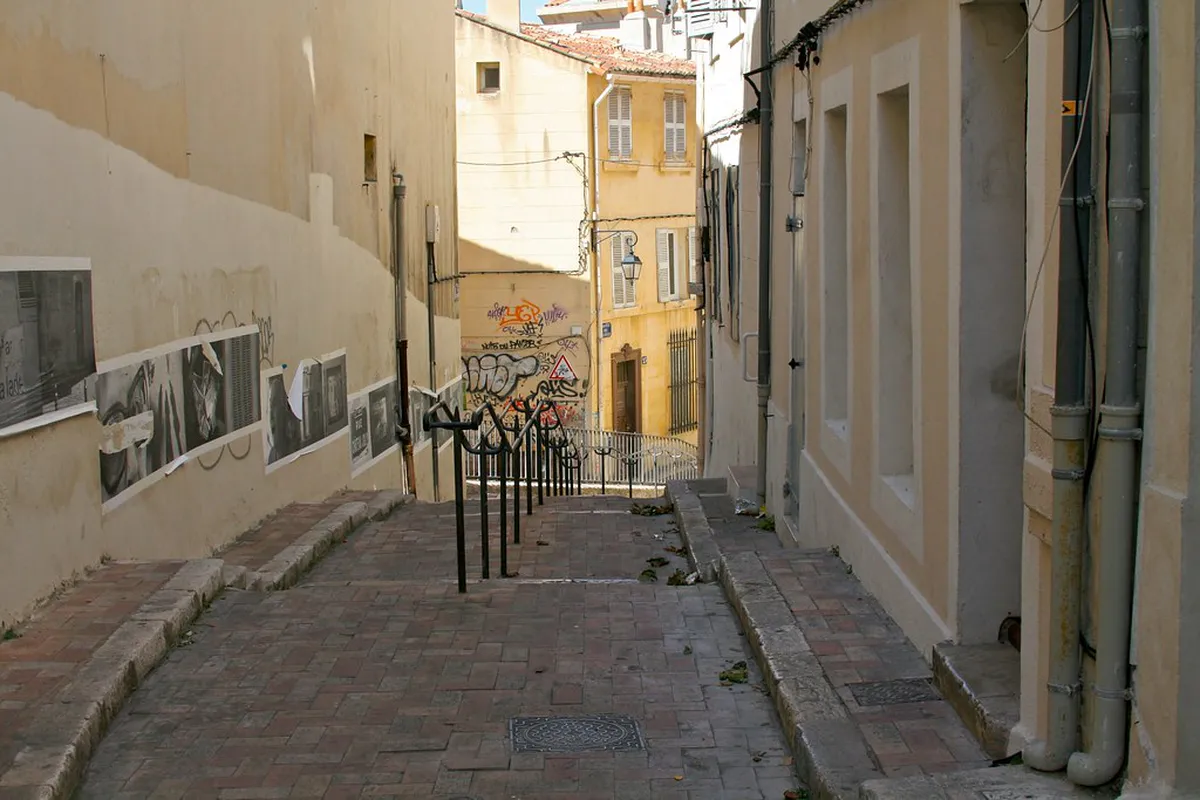
- This hilltop neighborhood features narrow alleys, colorful street art, and small independent boutiques selling local crafts.
- Walking here is free, though you may want to budget for a coffee or a bar of soap.
- The area is best explored in the late afternoon when the light hits the pastel-colored buildings perfectly.
- Wear comfortable shoes because the cobblestones are uneven and the stairs are quite steep in some sections.
- MuCEM (Museum of Civilizations)
- This architectural marvel is dedicated to Mediterranean cultures and is connected to a historic fort by a high bridge.
- Standard adult tickets cost about $13, and the museum is typically closed on Tuesdays.
- You can walk the exterior lace-like walkways for free to enjoy stunning views of the sea and harbor.
- Check out the Marseille museums guide for more details on current exhibitions and seasonal hours.
- Cathédrale de la Major
- This massive cathedral features striking striped limestone and sits prominently between the Old Port and the new docks.
- Entry is free for visitors, and it is usually open from 10am to 7pm, except during private services.
- The interior is surprisingly cool on hot summer days, making it a perfect midday retreat for weary walkers.
- Visit the trendy shops and restaurants located in the vaulted Les Voûtes area directly beneath the cathedral plaza.
- Fort Saint Jean
- Connected to MuCEM, this 17th-century fortification offers a fascinating walk through the city's military and maritime history.
- Access to the fort's gardens and ramparts is free, though the internal museum galleries require a paid ticket.
- The gardens are open daily from 11am until at least 6pm, with later hours during the summer months.
- Climb to the top of the King René Tower for a panoramic view of the port's narrow entrance.
- Cours Julien (Street Art & Vibe)
- This trendy district is the center of the city's alternative scene, filled with murals, record stores, and diverse eateries.
- Exploring the streets is free, and the area comes alive in the evenings with busy terrace bars.
- The Wednesday morning farmers market is a great place to find local honey and organic produce from Provence.
- This neighborhood is the best place to find modern Marseille restaurants that avoid traditional tourist menus.
- Calanques National Park
- These dramatic limestone cliffs and turquoise inlets offer world-class hiking and swimming just outside the city center.
- Access is free, but you must reserve a spot online during summer to visit the popular Sugiton inlet.
- A Marseille boat tour is the easiest way to see the cliffs without a long hike.
- Bring at least two liters of water and sturdy boots as the trails are rocky and have no shade.
- Vallon des Auffes Fishing Village
- This tiny, picturesque fishing harbor is tucked away under a massive bridge along the scenic coastal road.
- It is free to visit and is home to some of the city's most famous bouillabaisse restaurants.
- The village feels like a time capsule where traditional wooden pointu boats are still used by local fishermen.
- Arrive just before sunset to watch the sky turn pink over the small bridge and the Mediterranean Sea.
- Corniche Kennedy (The Scenic Drive)
- This coastal road runs for several miles, offering spectacular sea views and access to several small urban beaches.
- Walking or cycling the Corniche is free, and the path includes the world's longest concrete bench.
- The bench stretches for nearly three kilometers, providing plenty of spots to sit and watch the waves.
- Stop at the Memorial to the Soldiers of the Orient for a quiet moment and a great photo opportunity.
- Château d'If
- Located on a small island, this former prison was made famous by the classic novel The Count of Monte Cristo.
- Tickets for the fortress cost roughly $8, plus the cost of the ferry ride from the Old Port.
- Ferries run daily but are often cancelled during high winds, so check the weather before heading to the dock.
- The island offers a unique view of the Marseille skyline that you cannot get from any other vantage point.
- Saint-Victor Abbey
- This 5th-century abbey is one of the oldest places of Christian worship in France and features eerie crypts.
- Entry to the main church is free, but the historic crypts cost about $3 per adult to enter.
- The abbey is open daily from 9am to 7pm, and the atmosphere inside is incredibly peaceful and cool.
- Visit the nearby Four des Navettes bakery to try the traditional orange-blossom biscuits that have been made since 1781.
- Maison Empereur (Historic Shopping)
- Established in 1827, this is France's oldest hardware store and a treasure trove of traditional Provencal household goods.
- Browsing is free, but you will likely want to buy authentic Savon de Marseille or kitchen tools.
- The store is open Monday through Saturday from 10am to 7pm and is located near the Noailles market.
- Look for the authentic soap bars stamped with the '72% oil' rule, which guarantees traditional quality and ingredients.
- Pastis Tasting Experience
- Sipping a cloudy glass of Pastis is the quintessential Marseille ritual that marks the start of the evening.
- A glass at a local bar usually costs between $3 and $6, depending on the brand and location.
- Most bars serve this anise-flavored spirit with a small pitcher of chilled water to dilute it to your taste.
- Learn more about the local flavors in our Marseille food guide before your first apéro.
- Aix-en-Provence (Day Trip)
- This elegant town of fountains and leafy boulevards is just a 30-minute bus or train ride from Marseille.
- The round-trip bus ticket costs about $11 and leaves frequently from the Saint-Charles main station.
- Spend your morning wandering the Cours Mirabeau and tasting the local Calisson marzipan candies at specialty shops.
- The town offers a much calmer, aristocratic contrast to the bustling and sometimes chaotic energy of Marseille.
- Palais Longchamp
- This grand monument was built to celebrate the arrival of water to the city via a massive canal project.
- The park and the stunning fountain monument are free to visit and open daily from 8am to 8pm.
- The palace houses the Fine Arts Museum and the Natural History Museum, which require separate paid entry tickets.
- The surrounding park is a favorite spot for local families and offers a great place for a midday picnic.
- Musée de l'Histoire de Marseille
- This museum is built around an active archaeological site where the ancient Greek harbor was first discovered.
- Tickets cost approximately $7, and the museum is open Tuesday through Sunday from 10am to 6pm.
- You can see the remains of ancient ships and Roman docks that date back over two thousand years.
- Check the Musée de l'Histoire de Marseille site for details on the latest excavations.
- L'Unité d'Habitation (Le Corbusier)
- This experimental residential building is a UNESCO World Heritage site and a masterpiece of 20th-century brutalist architecture.
- You can visit the rooftop and public corridors for free, but guided tours of apartments must be booked.
- The building is open to the public during daylight hours, usually from 9am to 6pm, including the rooftop.
- Take the 21 or 22 bus from the city center to reach this 'vertical village' in about 20 minutes.
Notre-Dame de la Garde is free to enter, but the climb is steep; bus 60 or the tourist train from the Old Port saves your legs and still delivers the panorama.
How to Get Around Marseille
The RTM public transit system is the most efficient way to navigate the city's diverse and often hilly neighborhoods. You can use the two metro lines and three tram lines to reach most major attractions quickly and affordably. A single trip ticket costs about $1.80, but a 24-hour or 72-hour pass is much better for active sightseeing. Tickets can be purchased at automated machines found in every metro station and at major tram stops.
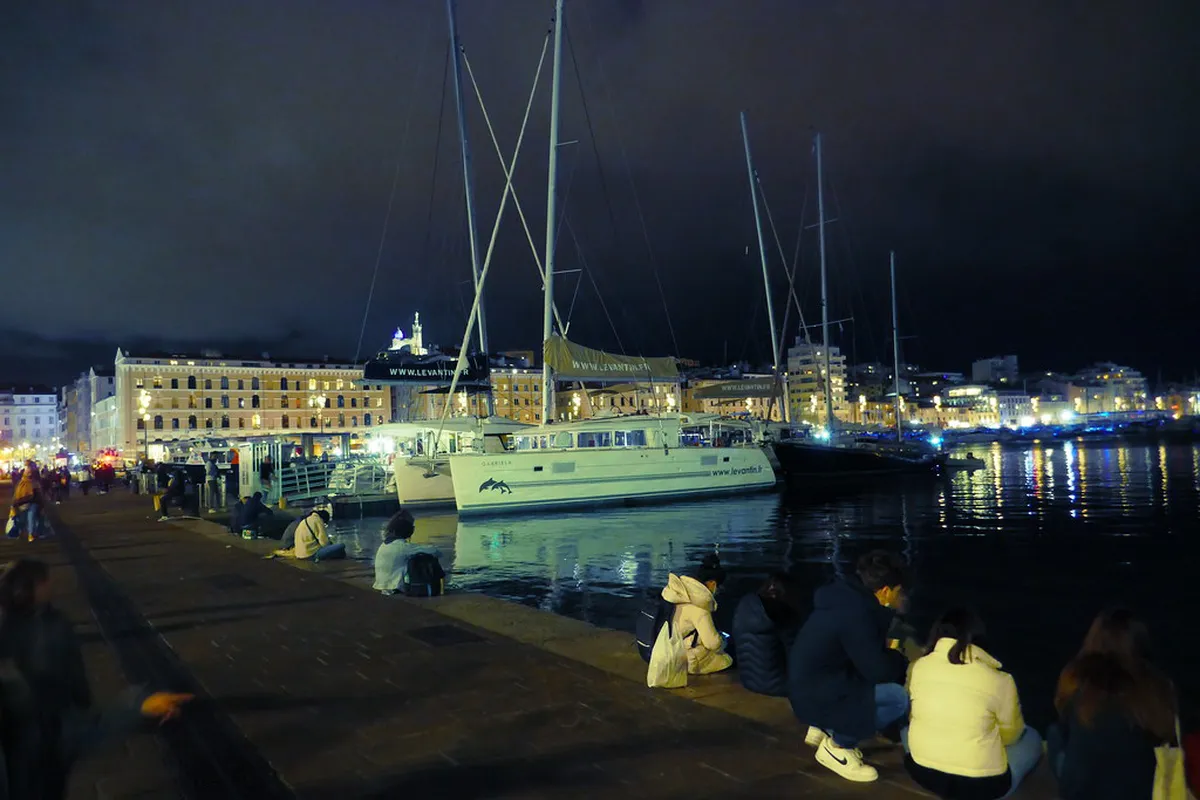
The Ferry Boat is a historic and charming way to cross the Old Port for a very small fee. It saves you a long walk around the harbor and provides a great vantage point for photos of the fort. For coastal trips, the Navette Maritime ferry runs seasonally from the Old Port to Pointe Rouge and L'Estaque. Consult our Marseille transport guide for detailed maps and current ticket prices.
Walking remains the best way to experience the hidden corners of Le Panier and the bustling Noailles market area. Be prepared for significant elevation changes, as the city is built on a series of limestone hills. The Mistral wind can be very strong in the winter and spring, making coastal walks a bit of a challenge. Always keep a digital map handy, as the winding alleys of the old town can be quite disorienting for newcomers.
Is Marseille Safe for Tourists?
Safety is a common concern for visitors, but most tourists enjoy their stay without any significant issues or trouble. The city has a gritty reputation, yet the main tourist areas like the Old Port are generally well-patrolled and busy. Pickpocketing is the most common risk, especially in crowded markets or on the metro during peak travel hours. Keep your valuables secure and be mindful of your surroundings, just as you would in any other large European city.
Some northern neighborhoods are best avoided by tourists, as they are primarily residential and have higher crime rates. Stick to the well-lit main streets at night and avoid walking alone in deserted areas far from the city center. The area around the Saint-Charles train station can feel a bit uneasy late at night, so consider taking a taxi. For more detailed advice, read our Marseille safety guide to learn which areas to prioritize.
Locals are generally friendly and helpful, though the pace of life can feel a bit more chaotic than in northern France. The city's diverse population is its greatest strength, creating a unique and welcoming atmosphere for those with an open mind. Trust your instincts and don't let the city's rough edges deter you from exploring its many beautiful and historic sites. Marseille is a city that rewards the curious traveler who looks beyond the surface level of its reputation.
Is Marseille Worth Visiting?
Marseille is absolutely worth visiting for travelers who appreciate history, diverse culture, and stunning Mediterranean landscapes. It offers a more authentic and less sanitized experience than many other major French tourist destinations like Nice. The city's blend of ancient Greek roots and modern North African influences creates a flavor found nowhere else in Europe. If you enjoy coastal hiking and world-class seafood, you will find plenty to love in this sun-drenched port city.
Budget-conscious travelers will also find that Marseille is often more affordable than Paris or the French Riviera. The wide range of free attractions, like the Old Port and the Corniche, makes it easy to enjoy on a budget. You can find excellent street food and local markets that provide a high-quality experience without the high price tag. The city is a great base for exploring the wider Provence region, with easy access to many nearby historic towns.
What to Skip in Marseille
The 'Petit Train' tourist trolley is a common sight, but it can feel quite cramped and overly touristy for many. Walking the same route allows you to stop at small shops and viewpoints that the train simply passes by. Unless you have mobility issues, you will likely find a self-guided walking tour of Le Panier much more rewarding. Spending your time on foot helps you discover the small details that make the oldest quarter so special.
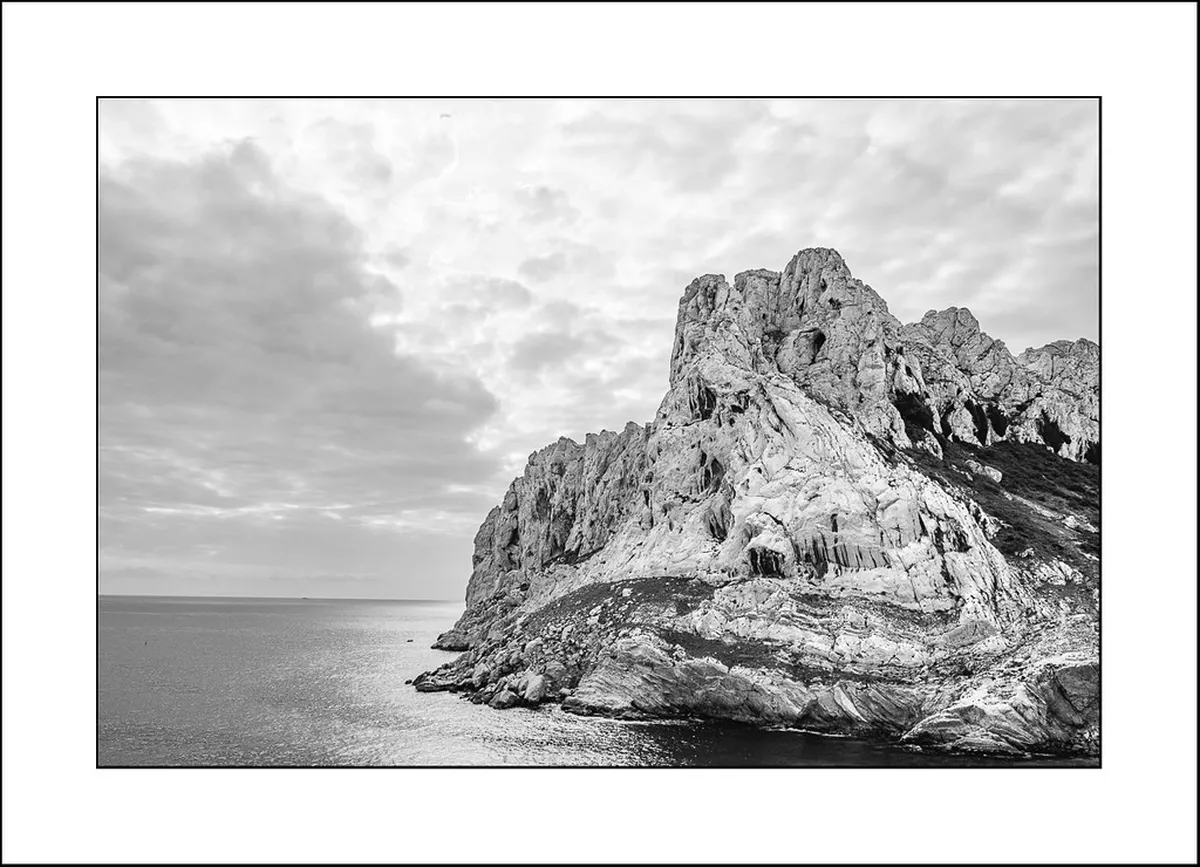
The Prado beaches are convenient but can become incredibly crowded and noisy during the peak summer months. If you want a more peaceful swimming experience, it is worth the extra effort to hike into the Calanques. Avoid eating at the most obvious restaurants directly on the Old Port, as they often prioritize speed over quality. Walking just two blocks inland will usually lead you to much better food at more reasonable local prices.
Frequently Asked Questions
Which Marseille attractions fit first-time visitors?
First-time visitors should prioritize the Old Port, the Basilica of Notre-Dame de la Garde, and the Le Panier district. These three spots provide a perfect introduction to the city's history, views, and local atmosphere. They are also well-connected by public transport.
How much time should you plan for Marseille attractions?
Plan for at least three full days to see the main city sights and the Calanques. You will need one day for the historic center, one for the coastline, and a third for museums or a day trip. This pace allows for a relaxed experience.
Is Marseille safe for solo travelers?
Marseille is generally safe for solo travelers who follow basic urban safety rules. Stay in central, well-lit areas at night and keep an eye on your belongings in crowded places. The city's social energy makes it easy to meet others in cafes and bars.
Marseille is a city of contrasts that rewards those who take the time to look beneath its rugged exterior. From the heights of the Basilica to the crystal waters of the Calanques, it offers an unforgettable Mediterranean experience. We hope this list of 18 attractions helps you plan a trip that captures the true spirit of France's oldest city. Pack your walking shoes, grab a glass of pastis, and prepare to fall in love with the energy of the South.
You might also like


Continue reading
More guides you'll find useful


