
8 Essential Sections of the Montpellier Beach Guide (2026)
Discover the best beaches near Montpellier with our guide to Palavas, Carnon, and the wild dunes of L'Espiguette. Includes tram directions and local tips.
On this page
8 Essential Sections of the Montpellier Beach Guide
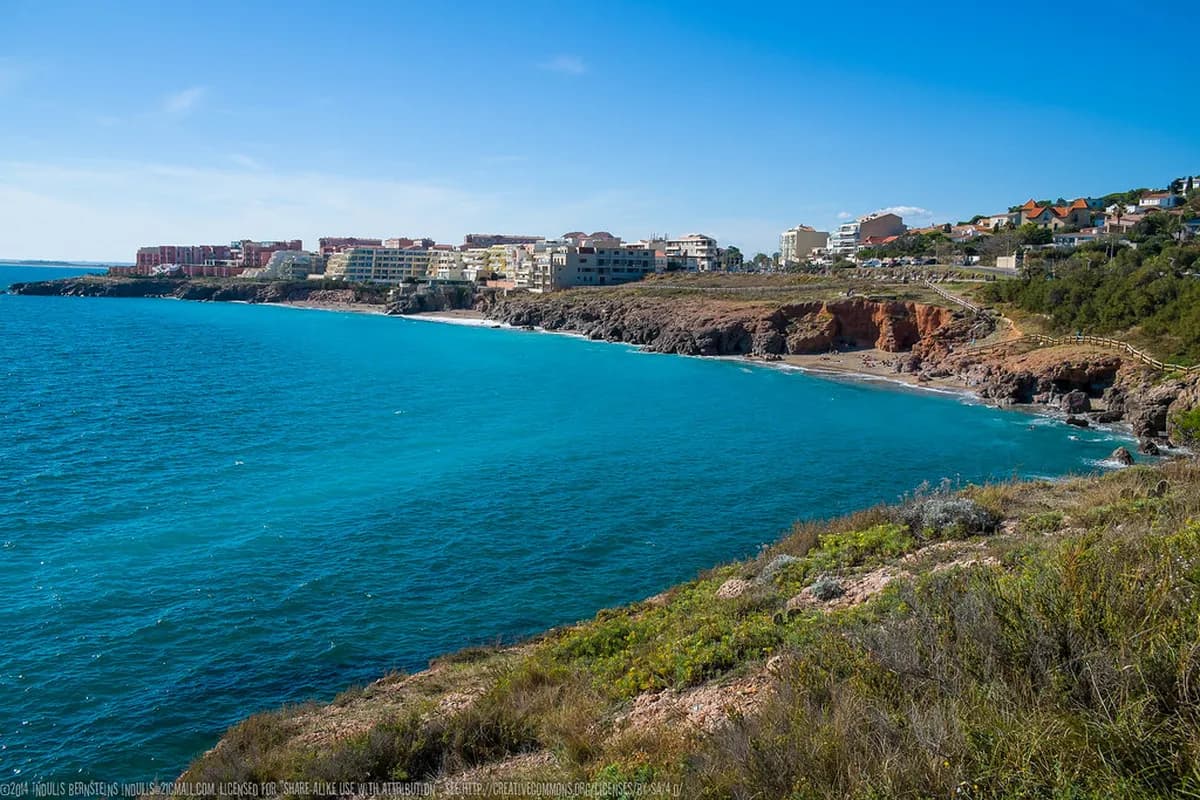
After spending several summers exploring the Hérault coastline, I have learned that the beaches near this city offer much more than just sand. While many visitors stick to the city center, the Mediterranean shore sits just a few miles away, framed by lagoons and pink flamingos. This comprehensive guide helps you navigate the diverse options, from bustling resort boardwalks to hidden wild dunes.
Our editorial team last refreshed this guide in June 2026 to ensure all transport routes and pricing reflect the 2026 summer season. Planning a trip to the coast requires understanding the unique geography of the Languedoc-Roussillon region. Before you pack your towel, it is essential to check the Montpellier Tourism Official Site for the latest water quality reports and lifeguard schedules.
Whether you are looking for a lively beach club or a quiet spot for a picnic, the variety here is surprising. You should consult our everything you need to plan a trip to see how a beach day fits into your broader itinerary. Knowing which tram to take or where to find the best bike paths can save you hours of frustration in the summer heat.
Montpellier Beach Guide: What to Expect on the Hérault Coast
The coastline near Montpellier is characterized by a series of lagoons, or étangs, which separate the mainland from the sandy Mediterranean beaches. This unique geography means that reaching the water often involves crossing a narrow strip of land between the sea and the saltwater lakes. Expect to see colonies of pink flamingos wading in the shallow waters as you travel toward the shore.
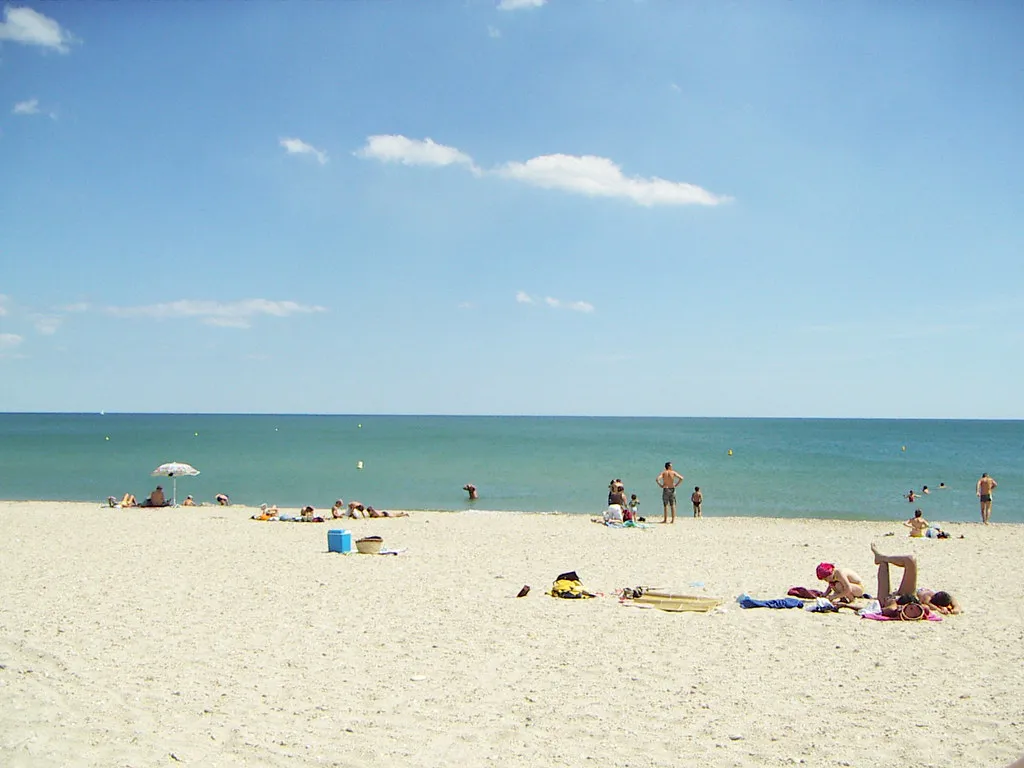
Beaches here range from the highly developed resorts of Palavas-les-Flots to the protected natural reserves of L'Espiguette. Most spots offer wide stretches of fine golden sand and shallow, calm waters that are perfect for swimming. If you are wondering why Montpellier is famous, the proximity to these stunning coastal landscapes is a major factor.
The vibe changes significantly depending on which direction you head from the city center. Eastern beaches tend to be more family-oriented and accessible, while western spots offer a more rugged and quiet experience. Knowing the our seasonal timing guide will help you avoid the crushing crowds of July and August.
8 Best Beaches and Coastal Spots Near Montpellier
The following list highlights the most iconic and rewarding coastal destinations within easy reach of the city center. We have categorized these based on their atmosphere, accessibility, and unique features to help you choose the right spot. Each location offers a distinct personality, ranging from architectural marvels to untouched natural dunes.
| Beach | Best for | Car-free access | Parking |
|---|---|---|---|
| Carnon | Families, easy access | Tram 3 + 15-min walk | Free / paid lots |
| Palavas-les-Flots | Classic resort, boardwalk | Bike path or bus | Paid, fills fast |
| La Grande-Motte | Architecture, beach clubs | Bus / car | Paid |
| L'Espiguette | Wild dunes, solitude | Car only | ~$8/day |
| Villeneuve-lès-Maguelone | Quiet, cathedral views | Car + shuttle train | ~1 mile away |
| Sète | Port city, long sands | TER train ~20 min | Free beaches |
Public transport makes many of these locations accessible even if you do not have a car during your stay. However, some of the wilder spots require a bit more effort, such as a long bike ride or a short train journey. Consult our guide on how many days you really need to decide how much time to dedicate to the coast.
Keep in mind that peak season brings high demand for parking and public transit seats. Arriving before 10:00 am is the best way to secure a prime spot on the sand or a parking space. Always carry plenty of water and sun protection, as the Mediterranean sun can be intense even on breezy days.
- Palavas-les-Flots: The Classic Mediterranean Resort Town
- This former fishing village is the most iconic and traditional resort town located directly south of the city center.
- Expect a lively atmosphere with a canal-side boardwalk, amusement rides, and numerous seafood restaurants serving fresh local catches.
- The beach is open 24 hours while most shops close by 8:00 pm, and parking typically costs around $2 to $4 per hour.
- Take a ride on the Transpalanque cable car for a unique view of the coast and the surrounding lagoons.
- Carnon Beach: Family Friendly Sands Near Tram Line 3
- Carnon offers wide, sandy shores and shallow waters that make it a favorite for families with young children.
- It is the most accessible beach via public transport, requiring only a short walk from the end of the tram line.
- Public access is free and the beach is always open, but most local snack bars operate from 10:00 am to 7:00 pm.
- Walk from the Pérols Étang de l'Or tram stop for about 15 minutes to reach the sand without needing a car.
- L’Espiguette Plage: Wild Dunes and Protected Nature Reserves
- Located near Le Grau-du-Roi, this beach features massive sand dunes and a vast, undeveloped landscape that feels truly remote.
- It is perfect for those seeking solitude and a natural environment away from the concrete structures of the main resorts.
- Access is free but the large parking lot costs approximately $8 per day during the summer months of June through September.
- Be aware that the far end of the beach is a designated area for naturists, so choose your spot accordingly.
- La Grande-Motte: Modernist Architecture and Vibrant Beach Clubs
- This town is famous for its unique pyramid-shaped buildings designed by architect Jean Balladur in the late 1960s.
- The area offers a mix of public sandy stretches and high-end private beach clubs with sun loungers and cocktail service.
- Most private clubs charge $20 to $35 for a full-day bed rental and are open from 9:00 am until late evening.
- Take a walk through the town to appreciate the futuristic architecture before heading to the Point Zéro beach for a swim.
- Villeneuve-lès-Maguelone: Peaceful Shores and a Hidden Cathedral
- This is one of the most serene spots on the coast, featuring a long pebble and sand beach with no nearby buildings.
- The 12th-century Maguelone Cathedral sits on an island between the lagoon and the sea, providing a stunning historical backdrop.
- Access to the beach is free, but the parking lot is located about a mile away from the actual shoreline.
- Use the 'Petit Train' shuttle that runs from the parking lot to the beach every 20 minutes for a small fee.
- Sète: The Venice of Languedoc and Expansive Sands
- Sète is a working port city with a distinct character, located about 20 minutes away by regional train.
- The beaches here stretch for several miles toward Marseillan, offering plenty of space even during the height of summer.
- Public beaches are free and open daily, while the local bus network connects the train station to the shore.
- Stop by one of the canalside bistros in town to try the famous Tielle de Sète, a spicy octopus pie.
- Plage du Grand Travers: Dog Friendly and Natural Vibes
- Situated between Carnon and La Grande Motte, this beach is known for its pine forests and low-lying dunes.
- It is one of the few areas where the coastline has remained relatively wild and free from heavy urban development.
- The beach is free to access and is a popular spot for kite surfers and dog owners during the off-peak hours.
- Park in the designated lots along the coastal road, but arrive early as they fill up by midday in July.
- Point Zéro: The Heart of the Resort Action
- This central beach in La Grande Motte is the hub of summer activity, featuring volleyball courts and children's play areas.
- The water is very shallow for a long distance, making it incredibly safe for toddlers and inexperienced swimmers.
- Lifeguard stations are active from mid-June to early September, typically between the hours of 11:00 am and 6:30 pm.
- Check the official weather flags at the station before entering the water to ensure swimming conditions are safe.
Practical Transport Guide: Getting from the City to the Sand
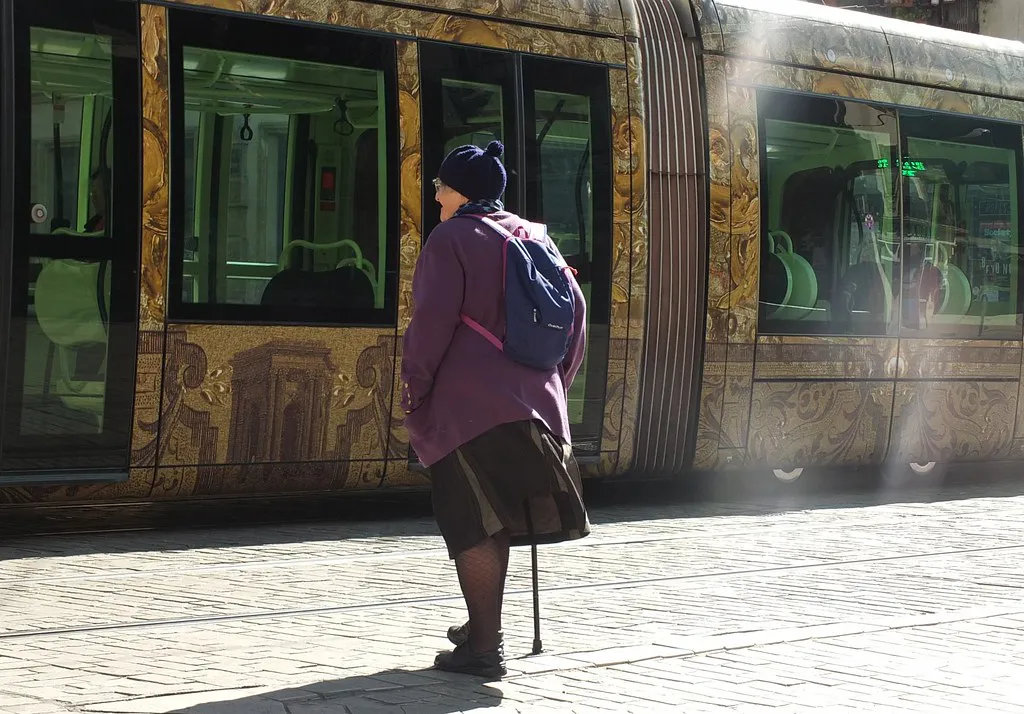
Reaching the coast without a car is surprisingly easy thanks to the efficient local transport network managed by Hérault Transport (TAM). Tram Line 3 is your primary route to the sea, taking you from the city center to the Pérols Étang de l'Or station. From this final stop, a flat 15-minute walk or a quick bike ride will bring you directly to the sands of Carnon.
Biking is often the most enjoyable way to reach the water, as a dedicated path runs along the Lez river all the way to Palavas. You can rent a Vélomagg bike from various automated stations around the city for just a few euros per day. The ride is mostly flat and takes about 45 to 60 minutes, offering great views of the lagoons and local wildlife.
If you choose to drive, be prepared for heavy traffic on the D66 and D21 roads during summer weekends. Parking can be a significant challenge, with many lots reaching full capacity before noon during the peak holiday season. For more tips on navigating the region, see our guide on is Montpellier safe and practical tips for travelers.
Regional trains (TER) provide a fast alternative for reaching Sète or Agde, departing frequently from the Saint-Roch station. The journey to Sète takes less than 20 minutes and costs roughly $5 to $8 for a one-way adult ticket. This is often faster than driving and avoids the stress of finding a parking spot in a busy port city.
What to Skip: Avoiding the Crowds and Tourist Traps
While the beach shuttle bus 131 from Garcia Lorca is a cheap option, it is often one of the experiences I recommend skipping in August. These buses frequently become overcrowded and can get stuck in the same gridlocked traffic as private cars. Opting for the tram or a bicycle will provide a much more reliable and comfortable journey to the Mediterranean.
Be cautious of the highly advertised 'beach clubs' that charge exorbitant prices for basic amenities and mediocre food. Many of these establishments capitalize on their location rather than quality, often charging $15 for a simple salad. You can find much better value by dining in the Montpellier old town before or after your beach trip.
Avoid the main boardwalks of Palavas during the peak lunch hour if you prefer a quiet and relaxing atmosphere. The noise and congestion can be overwhelming, making it difficult to enjoy the coastal scenery. Instead, walk a few hundred meters further down the coast to find quieter stretches of sand with far fewer people.
Good to know
Tram Line 3 plus a short walk gets you to Carnon without a car — it is the single easiest car-free beach run from the city centre.
Arrive before 10am in July and August: beachfront parking fills by mid-morning and the D66 coastal road gridlocks on summer weekends.
Frequently Asked Questions
Can you reach the coast without a car?
Yes. Tram Line 3 runs from central Montpellier to the Pérols Étang de l'Or stop, from where a flat 15-minute walk reaches Carnon beach. You can also rent a Vélomagg bike and follow the dedicated path along the Lez river all the way to Palavas in about 45 to 60 minutes.
What is the closest beach to Montpellier city center?
Carnon and Palavas-les-Flots are the closest, both about 8 to 10 km south of the center. Carnon is the easiest to reach by public transport, sitting a short walk from the end of Tram Line 3, while Palavas is the classic resort town with a canal-side boardwalk.
Where can you find a natural environment near Montpellier?
Head to L'Espiguette Plage near Le Grau-du-Roi for vast undeveloped sand dunes, or Villeneuve-lès-Maguelone for a quiet pebble-and-sand beach beside a 12th-century cathedral. Plage du Grand Travers between Carnon and La Grande Motte also keeps its pine forests and low dunes largely wild.
Are there flamingos near the Montpellier beaches?
Yes. The lagoons (étangs) that separate the mainland from the Mediterranean shore are home to colonies of pink flamingos. You will often spot them wading in the shallow saltwater as you cross toward beaches like Carnon, Palavas, or Villeneuve-lès-Maguelone.
Which beach is best for families with small children?
Carnon and Point Zéro in La Grande Motte are the best family choices. Both have wide, sandy shores and very shallow, calm water that stays safe for toddlers over a long distance. Point Zéro adds lifeguard stations from mid-June to early September plus volleyball courts and children's play areas.
Montpellier's coastline offers a diverse range of experiences that cater to every type of traveler. From the architectural pyramids of La Grande Motte to the wild dunes of L'Espiguette, there is a perfect spot for everyone. By using this guide, you can navigate the transport options and avoid the most common tourist pitfalls.
Don't forget to explore the inland attractions like the Montpellier Cathedral after your day in the sun. The combination of a vibrant historic city and a beautiful Mediterranean coast makes this region truly special. Pack your sunscreen, grab a Vélomagg bike, and enjoy the best that the Hérault coast has to offer. Use our Montpellier travel hub to plan the rest of your trip.
You might also like


Continue reading
More guides you'll find useful


