22 Best Things to Do and Travel Tips for Obernai (2026)
Discover the best of Obernai with our guide to 22 top attractions, from the medieval ramparts to the Yonaguni Spa. Includes timing tips and local secrets.
On this page
22 Best Things to Do and Travel Tips for Obernai
Obernai sits on the Alsace Wine Route about 30 km south of Strasbourg, and a TER train gets you there in under 35 minutes from the central station. The town is walled, compact, and far less crowded than Colmar — yet it packs the same half-timbered charm, a sacred mountain on its doorstep, and a handful of experiences that no other village on the Route des Vins can match. This guide covers every highlight worth your time in 2026, with practical details on getting there, what to eat, and how long to stay.
Obernai is one of the best-value 12 Best Day Trips From Strasbourg: France, Germany, and Switzerland because the train fare is low and most of the historic center is free to explore. Whether you have three hours for a quick morning visit or a full day for hiking and wine tasting, the sections below will help you plan exactly the right amount of time. We have also included a differentiating section on the Canal de la Bruche cycling route — a flat, traffic-free path that no other major travel guide covers in detail.
The TER regional train from Strasbourg to Obernai takes 30–35 minutes, with departures every 30 minutes throughout the day. Tickets cost around €5–7 each way, making it an affordable and reliable option for independent travelers.
Stroll through the Historic Town Center
The historic core of Obernai is among the best-preserved in Alsace. The streets around Place du Marché are lined with half-timbered houses painted in deep reds and ochres, many dating back to the 15th and 16th centuries. Renaissance buildings sit alongside Gothic facades in a density you rarely find outside a major museum, yet daily life — bakeries, florists, and local wine merchants — fills the ground floors. For detailed event calendars and seasonal programming, Obernai's official tourism office maintains an up-to-date visitor guide.
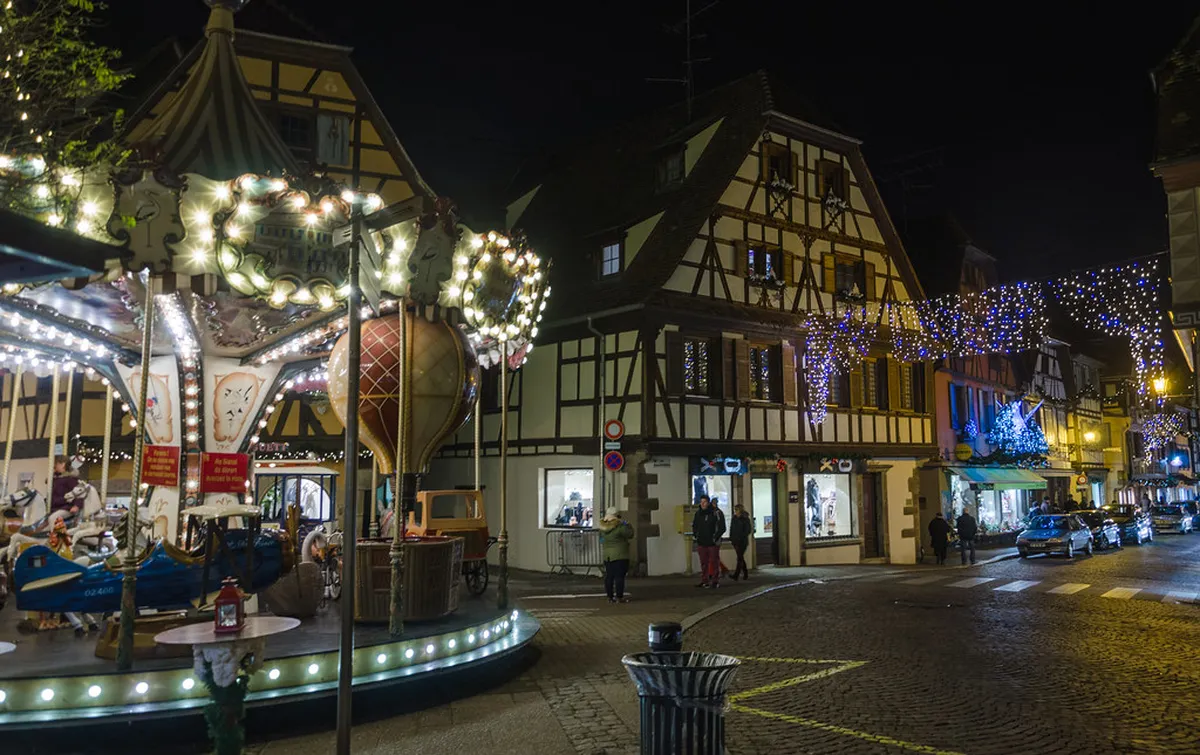
The Place du Marché itself rewards a slow walk. The Kappellturm belfry anchors the square with its 60-metre Gothic spire. Look to the east for the Halle aux Blés, the former grain market with carved stone heads above its arched entrance. The Hôtel de Ville faces the square from the north, its flower boxes spilling colour onto the facades throughout spring and summer. The Sainte-Odile Fountain — honoring the town's patron saint — stands at the center, making this one of the most photogenic squares in Alsace.
Walk north from the square along Rue Chanoine Gyss to reach the Six Buckets Well (Puits à Six Seaux), a 1579 Renaissance monument classified as a Historic Monument. Three columns support a carved stone canopy decorated with the stonemason's marks still visible if you look closely. Continue to the Church of Saints Peter and Paul, one of the largest Catholic churches in Alsace, with impressive Neo-Gothic stained glass and a historic pipe organ inside. Entry is free; the church opens daily from 09:00 to 18:00.
The oldest building in town is worth seeking out deliberately: the Romanesque House on Rue des Pèlerins dates to 1240 and is frequently missed by visitors focused on the main square. The narrow side streets behind the church hide some of the best floral displays and wrought-iron carving details in the entire center. Skip the tourist train — it misses these alleys entirely.
Walk the Ancient Medieval Ramparts
Obernai is one of the few Alsatian towns where a substantial section of its 13th-century defensive walls still stands intact. The full circuit around the ramparts takes about 30 to 45 minutes at a relaxed pace and costs nothing. The path is accessible 24 hours a day and provides a completely different perspective on the town from the one you get inside the walls.
The best entry point for the most dramatic section is near the Tour de la Chapelle at the northern end of the old town. From here the path runs along the Maréchal Foch section, where several round towers survive with their original stonework. The outer side of the ramparts looks over the town's garden allotments and, on clear days, toward the Vosges foothills to the west. The walk is mostly flat and suitable for all fitness levels, including families with young children.
For the best vineyard views, follow the ramparts south toward the Porte de la Tour Rouge. This section is partially shaded by old linden trees in summer and offers a direct line of sight toward the Schenkenberg vineyards. Early morning is the quietest time; by 10:00 the path fills with day-trippers. If you visit during Advent, the belfry and towers are lit at night, making an evening walk along the walls genuinely spectacular.
The best time to visit Obernai is in spring (April–May) or autumn (September–October) for mild weather and fewer crowds. Winter brings the spectacular Christmas market (late November–30 December) if holiday atmosphere is your priority. Summer is warmest but most crowded—visit before 10:00 to beat the day-trippers.
Admire the View from Mount National
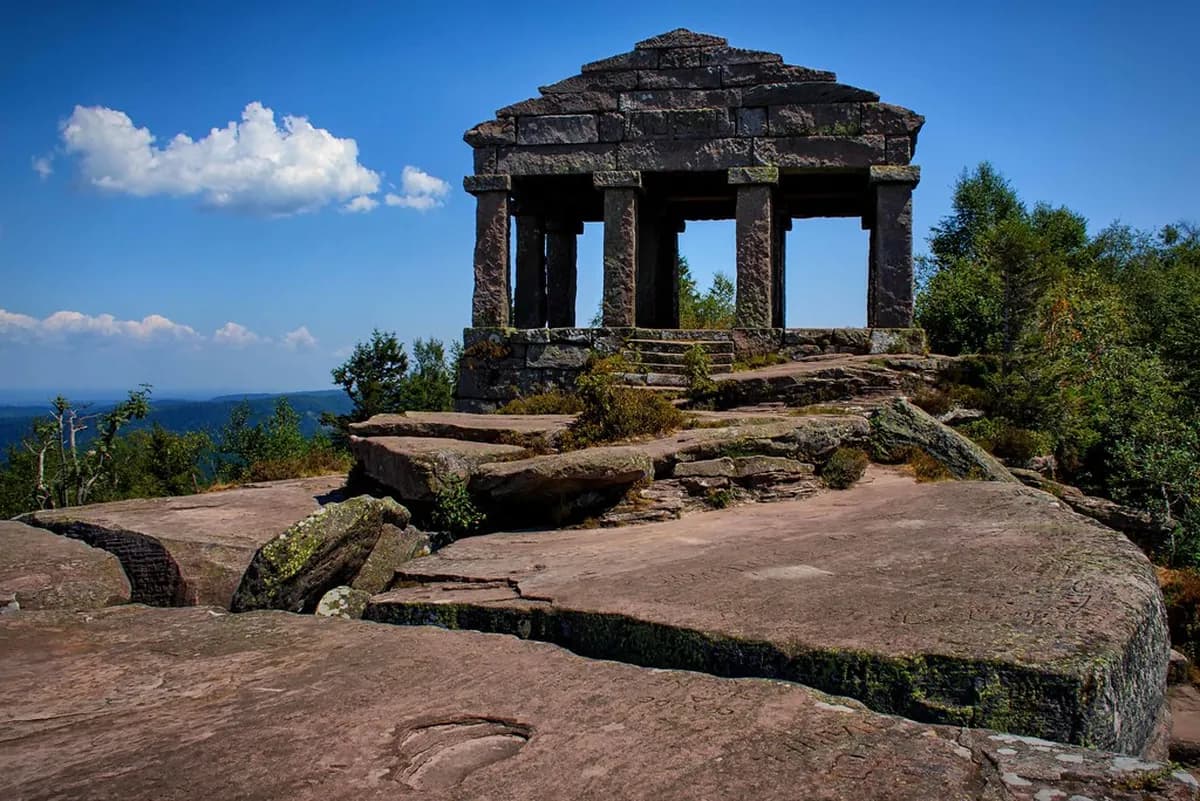
Mount National is a low hill on the southern edge of the old town, reached by a 20-minute walk on a moderate incline from Place du Marché. At the summit stands the National Memorial of Obernai, a monument to the Alsatian soldiers — the Malgré-nous — who were forcibly conscripted into the German army during the Second World War. The site is free, always open, and provides critical context for understanding why Alsace has such a layered cultural identity.
The panoramic view from the top sweeps across the entire town and the Rhine plain all the way to the Black Forest on clear days. For photography, golden hour in the late afternoon gives the best light on the rooftops and the belfry spire. Bring a wide-angle lens if you have one — the composition from the memorial wall is strong in both directions.
From the summit you can extend the walk along the Schenkenberg wine path, a 1.5-hour loop through the vineyards above town. The path is signposted from the memorial and passes directly through several grand cru plots. This extension is largely flat once you reach the plateau and is manageable even in ordinary walking shoes.
Hike the Trails of Mont Sainte-Odile
Mont Sainte-Odile is Obernai's most significant neighbor and one of the most visited sites in Alsace. The mountain sits 15 minutes by car or about 3 hours on foot via the well-marked forest trails. The Hohenburg Abbey at the summit is a working pilgrimage site dedicated to Saint Odile, the patron saint of Alsace, who was born in Obernai. Entry to the abbey grounds is free and they are open daily from 07:30 to 20:00. Obernai's medieval history as a member of the Décapole alliance provides deeper context on the town's cultural significance in Alsace.
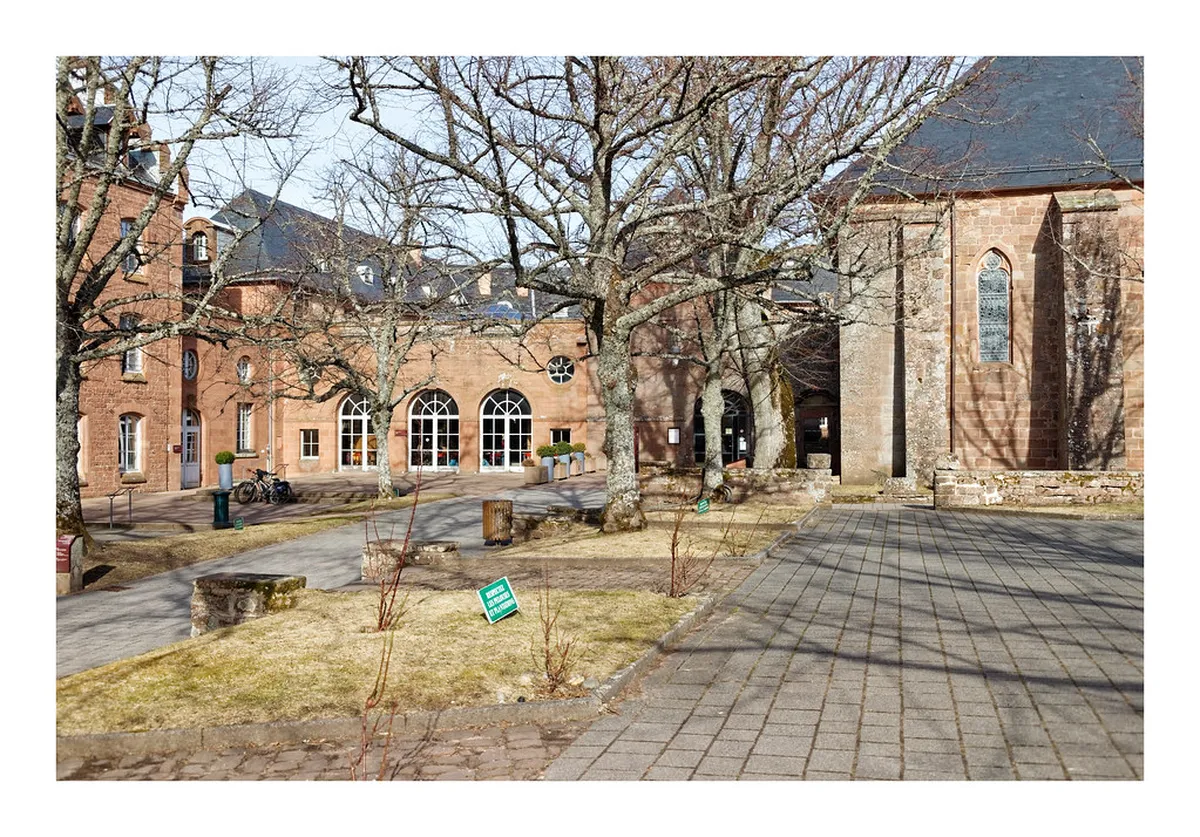
The view from the abbey terrace over the Plain of Alsace is the best in the region — on a clear day you can see the Rhine and, beyond it, the Black Forest. The pagan wall (Mur Pagan) that surrounds the mountain is an ancient stone fortification of uncertain origin, several kilometres long and up to 1.8 metres thick in places. Following the wall trail is a full half-day on its own and reveals stretches of dense Vosges forest rarely crowded even in high season.
If you are driving, parking at the abbey is free but fills quickly by 10:00 in summer. The North Pagan Wall hike is the most popular circuit and takes about 2.5 hours for the full loop from the abbey car park. Combine it with an Obernai visit by starting in town in the morning, driving up to Mont Sainte-Odile for the afternoon, then returning via the Route des Vins for a wine stop on the way back.
Cycle the Canal de la Bruche: the Flat, Traffic-Free Alternative
Most guides point cyclists straight to the Route des Vins, but the Canal de la Bruche path is the better choice for families, beginners, or anyone who wants a relaxed ride without hills or cars. The towpath runs alongside a 19th-century canal for roughly 20 km between Molsheim and Strasbourg, passing directly through Obernai's northern edge. The surface is compacted gravel and tarmac throughout, with zero gradient and no road crossings on the longest stretches.
Bike rental is available at the Obernai tourist office and from several private operators in town, with standard bikes at around €20–25 per day and electric bikes at €35–40. The tourist office regularly stocks e-bikes suited for children's tag-alongs and cargo configurations. From Obernai you can ride west toward Heiligenberg for a 90-minute out-and-back through the Ehn river valley, or head east toward the canal junction for views of the plain without any climbing.
The Route des Vins cycle route is also excellent, but it involves more gradient and shares some stretches with cars. For a mixed day, take the Canal de la Bruche path in the morning when energy is high, then switch to the vineyard lanes around Schenkenberg in the afternoon for the scenery. Both routes connect back to the Obernai station, so you can return by train rather than cycling the full distance in reverse.
Relax at the Yonaguni Spa
Yonaguni Spa at the Hôtel du Parc is one of the most awarded wellness facilities in eastern France. The complex covers over 2,500 square metres and features aquatic labyrinths, sensory pools, saunas, steam rooms, and a range of treatment cabins. Day passes in 2026 range from approximately €95 to €160 depending on the day of the week and seasonal demand; weekend slots sell out several weeks in advance, so book early.
The spa is located on the outskirts of Obernai, about a 10-minute walk from the town center. It stays open until 20:00 most evenings, making it compatible with a full day of sightseeing — arrive at the spa in the late afternoon after your ramparts walk and vineyard cycling. Towel and robe hire are available on-site. Children under 16 are not admitted to the main aquatic area, making it a genuinely adult-focused experience.
Discover the Art of Spindler Marquetry
Spindler marquetry is a wood-inlay technique developed in Alsace in the late 19th century that produces images of almost photographic detail using thin slices of colored and grained wood. The Spindler family workshop is located in the hamlet of Boersch, about 3 km from Obernai — too close to skip if you have any interest in decorative arts. The production workshop itself is not open to the public, but the gallery adjacent to it displays the full range of the craft, from small decorative panels to large landscape scenes.
Gallery entry is free and the space is open Monday through Saturday. The pieces range from affordable small prints at around €50 to large original panels that run into the hundreds. For a visitor who has seen all the usual Alsatian souvenirs — gingerbread, wine, pottery — a Spindler print is genuinely distinctive. The address is 3 Rue des Remparts, Boersch; from Obernai you can walk it in 40 minutes or cycle via the vineyard lanes in 15.
Experience the Obernai Christmas Market
The Obernai Christmas market runs from late November through 30 December and is consistently rated among the top regional alternatives to the Strasbourg market. The Strasbourg Christmas Market Guide: 8 Things to Know Before You Go covers the larger citywide event, but Obernai's version has its own distinct appeal: it is smaller, less corporate, and more rooted in local Alsatian craft traditions. Wooden chalets fill the Place du Marché and the streets around the belfry, with local producers selling bredele (traditional spiced cookies), gingerbread, and the white mulled wine (vin chaud blanc) specific to this town.
The best time to visit is on a weekday in early December before the Christmas weekend crowds arrive. The market is most atmospheric at dusk from around 17:00 when the festive lights switch on against a darkening sky. During Advent the Kappellturm belfry is illuminated with a full lighting scheme that is worth building your arrival time around. Expect temperatures of 0–5°C in the evenings — dress accordingly and plan a warm stop at one of the brasseries on the square.
What to Eat and Drink in Obernai
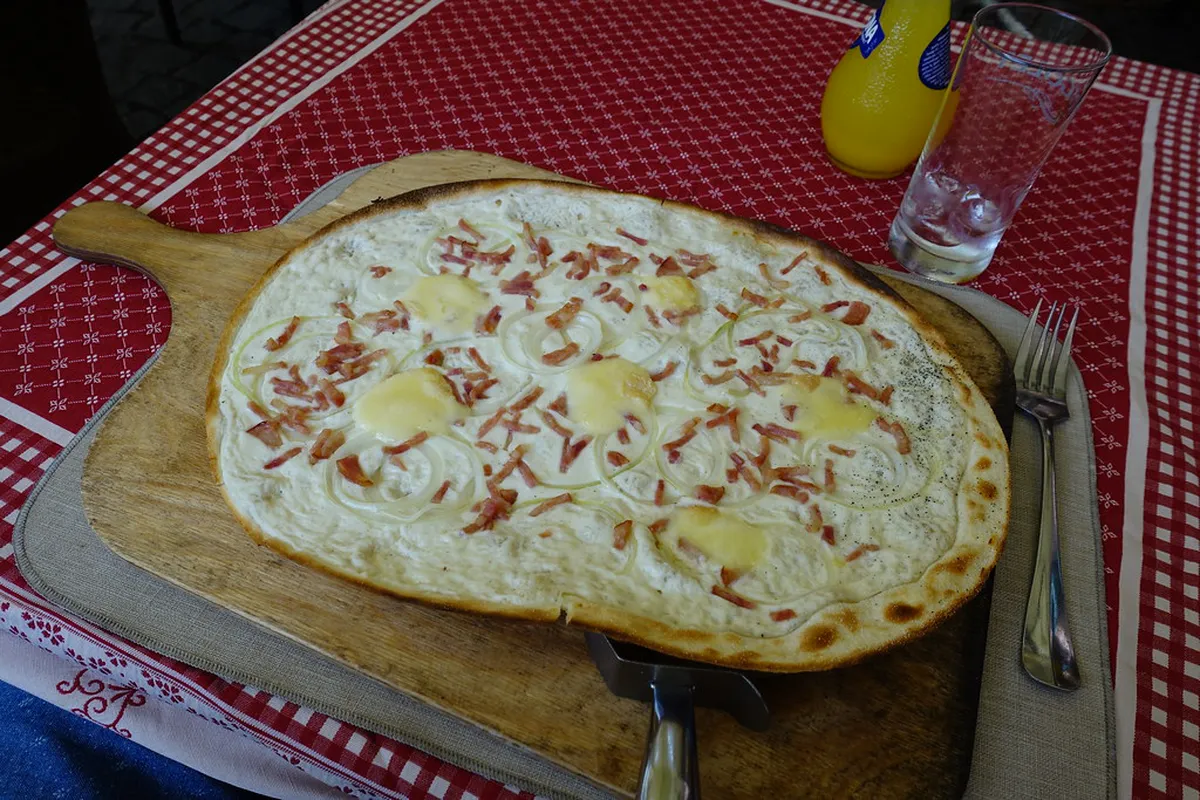
Obernai's food scene is built around two Alsatian staples: Flammekueche (tarte flambée) and Choucroute. Flammekueche is a thin, crispy flatbread topped with crème fraîche, lardons, and onions — best eaten straight from a wood oven at a Winstub near the belfry. For Choucroute, the traditional Alsatian food guide recommends pairing it with Pinot Gris from a local grower rather than the more acidic Riesling, which clashes with the vinegar in the cabbage. The best local pairing for Flammekueche is an Alsatian Pinot Blanc — lighter and more neutral, it lets the dish rather than the wine dominate.
For specific addresses, Le Freiberg and La Dime are reliable for traditional Alsatian cuisine with table service. La Soupe à Mémé is the local favourite for simple food and vegetarian options at moderate prices. For pastries and gingerbread to take home, Pâtisserie Schaeffer is the go-to; the Jacques Bockel chocolate shop on Rue du Général Gouraud carries Alsatian specialties that travel well. All of these addresses are within five minutes' walk of the main square.
The Thursday morning market (08:00–13:00) has been held for over 700 years and is the single best place to buy seasonal produce and artisan goods. Local winemakers set up stalls alongside cheese and charcuterie sellers. Arrive by 08:30 for the best selection of fresh breads and to browse before the tourist crowds arrive after 10:00.
Take the Family to Hell Municipal Park
Parc Municipal de Hell is a 4-hectare green space directly adjacent to the historic center, making it the most convenient break point for families with young children who have reached sightseeing saturation. The park features modern playground equipment, wide grass areas, and substantial shade from mature trees including a remarkable giant sequoia. Unlike the cobblestone main square, the park is pushchair-friendly and has flat paths throughout.
Entry is free and the park is open from dawn to dusk every day. It is positioned just off the southern ramparts, so you can loop the walls and drop into the park without retracing your steps. A picnic here is more comfortable and significantly cheaper than the cafe terraces on the Place du Marché — the town's supermarket on Route de Rosheim is a 7-minute walk and stocks ready-made sandwiches and local cheese.
How Long Does it Take to Visit Obernai?
Three to four hours covers the historic center comfortably: the town square, ramparts walk, Six Buckets Well, church, and a coffee stop. That is enough for a quick morning excursion from Strasbourg, arriving by 09:00 and catching a train back by early afternoon. If you add Mount National and the vineyard wine path extension, plan for five to six hours total.
A full day works well if you add Mont Sainte-Odile or the Canal de la Bruche cycling route. Combine the morning in town with an afternoon at the mountain or on the bike path, and finish with an early dinner in a Winstub before the last train back to Strasbourg. The last TER trains depart around 22:30 so there is no need to rush dinner.
Staying overnight unlocks the evening atmosphere after the day-trippers leave. The historic streets are considerably more peaceful from 19:00 onward and restaurants stop being frantic. Two days is the right amount of time to include both Mont Sainte-Odile and a vineyard cycling day, plus the Yonaguni Spa if that is a priority.
Getting to Obernai: Transport and Parking Tips
The TER regional train from Strasbourg central station (Gare de Strasbourg) to Obernai runs roughly every 30 minutes throughout the day. The journey takes 30 to 35 minutes and tickets cost around €5–7 each way, purchasable at the station, at SNCF ticket machines, or via the SNCF Connect app. The Obernai station is an 8-minute flat walk from Place du Marché, passing directly through a residential quarter with no hills.
| Transport Method | Duration | Cost | Frequency | Notes |
|---|---|---|---|---|
| TER Train (Strasbourg–Obernai) | 30–35 min | €5–7 each way | Every 30 min | Most convenient; direct to town center; flat walk to Place du Marché |
| Car (D422 route) | 35 min (no traffic) | Fuel only | Self-drive | Free parking at Parking des Remparts Nord; avoid Thursday mornings (market) |
| Shuttle/Tour Bus | 40–45 min | €10–15 | Variable | Check with Strasbourg tourist office for group bookings |
If you are driving, the D422 from Strasbourg is the most direct route and takes about 35 minutes without traffic. The best free parking option is the Parking des Remparts Nord, a large surface lot immediately outside the northern wall on Route de Rosheim. It is free and rarely full before 10:00. Avoid parking in the center on Thursday mornings when the weekly market closes most of the central streets to traffic and the nearest lots fill quickly from 08:30.
Once in town, everything is within walking distance. The distance from the train station to the farthest point of the ramparts circuit is under 20 minutes on foot. Cycling is the best way to combine the town visit with the Canal de la Bruche path or the Route des Vins — bike hire is available 100 metres from the tourist office on Rue du Général Gouraud.
Where to Stay in Obernai
Accommodation inside the ramparts ranges from timber-framed guesthouses to full-service hotels. The Hôtel du Parc (home to the Yonaguni Spa) is the top luxury option and books up fast in high season and during the Christmas market period. La Villa du Coteau is a well-regarded bed and breakfast on the edge of town with easier car parking than the central hotels. If you want to stay in Strasbourg and day-trip to Obernai, see the 18 Best Restaurants and Food Spots in Strasbourg guide for base-city dining options.
Budget travelers can find solid mid-range options in the villages along the Route des Vins, such as Barr and Andlau, both within 10 km of Obernai and well served by local transport. These smaller villages are quieter and cheaper than staying in Obernai itself during peak periods. Booking at least four to six weeks ahead for the Christmas market weeks (late November through late December) is essential regardless of which property you choose.
Frequently Asked Questions
Is Obernai better than Colmar for a day trip?
Obernai is often better for travelers seeking a quieter, more authentic experience with fewer crowds. While Colmar is larger and more famous, Obernai offers similar charm and historic architecture in a more compact setting.
When is the best time to visit the Obernai Christmas market?
The best time to visit is on a weekday in early December to avoid the heavy weekend crowds. The market is most beautiful at dusk when the festive lights are first turned on for the evening.
Is it easy to get to Obernai from Strasbourg without a car?
Yes, it is very easy to reach by train with frequent 30-minute departures from Strasbourg's main station. The town center is a short, flat walk from the Obernai station, making a car unnecessary.
Obernai rewards the traveler who goes beyond the main square. The ramparts walk, the Canal de la Bruche cycling route, and the trails around Mont Sainte-Odile each add a different dimension to what is already one of the most complete small towns in Alsace. Whether you are here for three hours or three days, the town delivers an authentic French-Alsatian experience without the crowds of the more famous stops on the Route des Vins.
Check our Strasbourg practical tips if you are using the city as a base for this and other regional excursions. For a broader look at what the region offers, the things to do in Alsace guide covers the full Route des Vins from north to south.
You might also like


Continue reading
More guides you'll find useful