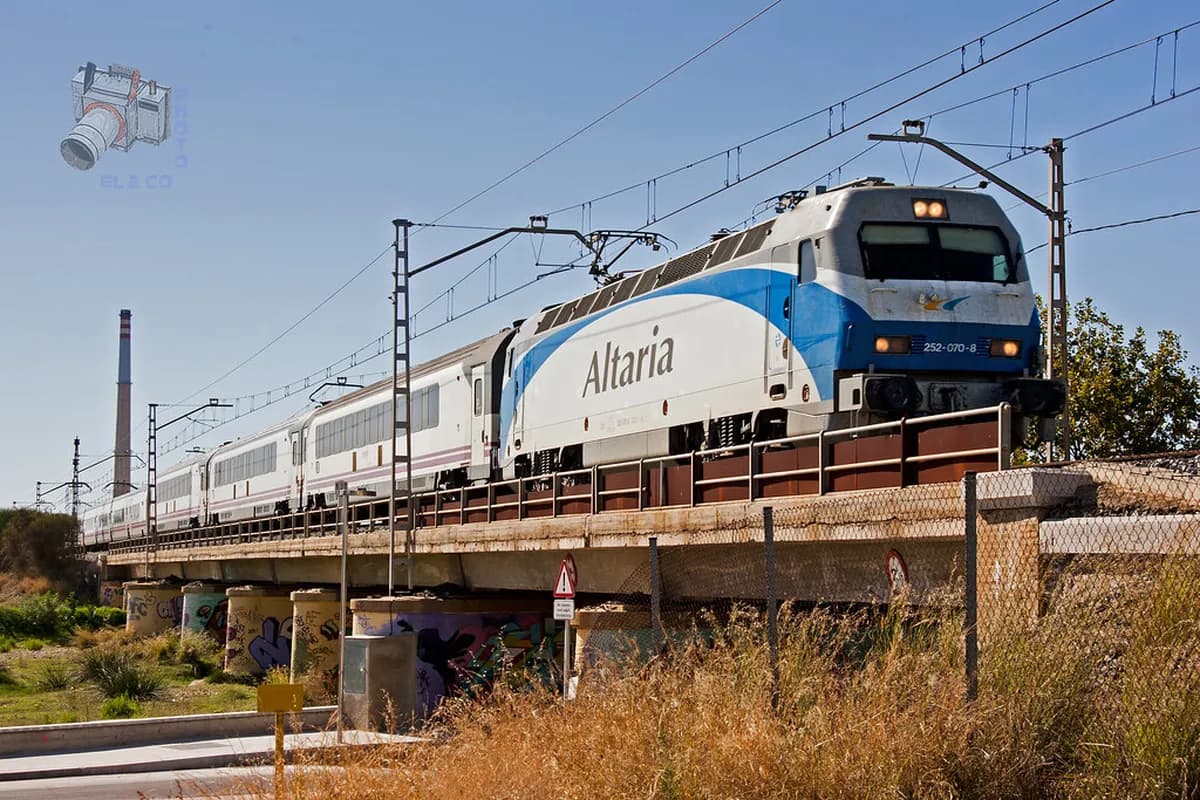
How to Get from Montpellier to Pont du Gard: 6 Best Ways
Discover the best ways to get from Montpellier to Pont du Gard. Compare bus, train, driving, and guided tours with our practical travel guide and tips.
On this page
How to Get from Montpellier to Pont du Gard: 6 Best Ways and Tips
The Pont du Gard is 75 kilometres northwest of Montpellier, a 50-minute drive or a 90-minute bus-and-train combination. It is one of the best-preserved Roman aqueducts in the world and a UNESCO World Heritage Site. Getting there and back is straightforward once you know which route matches your budget and schedule. This guide covers all six options with exact costs, times, and 2026 timetable notes.
Quick answer: driving the A9 autoroute is fastest (50 min, ~€15 total). Budget travellers combine a TER train to Nîmes with the Lio Bus Line 121 (~€10, 90 min). Guided tours and private transfers are available if you prefer someone else to handle logistics.
Free guide: France's Hidden Gems
12 under-the-radar places across Provence, Alsace & Occitanie — with the best season to visit each and a local tip you won't find in the guidebooks.
Transport Options from Montpellier: Cost and Time at a Glance
Before choosing your route, compare the five main options side by side. Costs below are one-way per person unless noted.
| Transport Option | Time | Cost (per person) | Notes |
|---|---|---|---|
| Rental car via A9 | 50 min | ~€15 total | Fastest and most flexible. Tolls ~€4.50 each way + fuel. |
| TER train + Lio Bus 121 | ~90 min (30 min train + 45 min bus) | ~€7–€10 | Cheapest option. Backbone of public-transit route. |
| Organised guided tour | 5–6 hours | €55–€85 | Entry fee often included. Departs Montpellier city centre. |
| Private transfer or taxi | 50 min | €27–€35 per person (€110–€140 for whole vehicle) | Best split between 3–4 people. Available from airport or city centre. |
If you are visiting in July or August, note that the Lio Bus gets full by mid-morning on weekends. Arriving at Nîmes bus station by 09:00 guarantees a seat. Outside peak summer, frequency drops — always check the Lio timetable the evening before you travel.
Taking the Lio Bus (Line 121)
The Lio Bus Line 121 runs between Nîmes and Pont du Gard and is the cornerstone of the public-transit journey from Montpellier. The total trip from Montpellier Saint-Roch takes roughly 90 minutes with one transfer in Nîmes. Using the Getting Around Montpellier Travel Guide to reach the station will save you time on the first leg. In 2026, single Lio tickets remain €1.50 per journey regardless of distance.
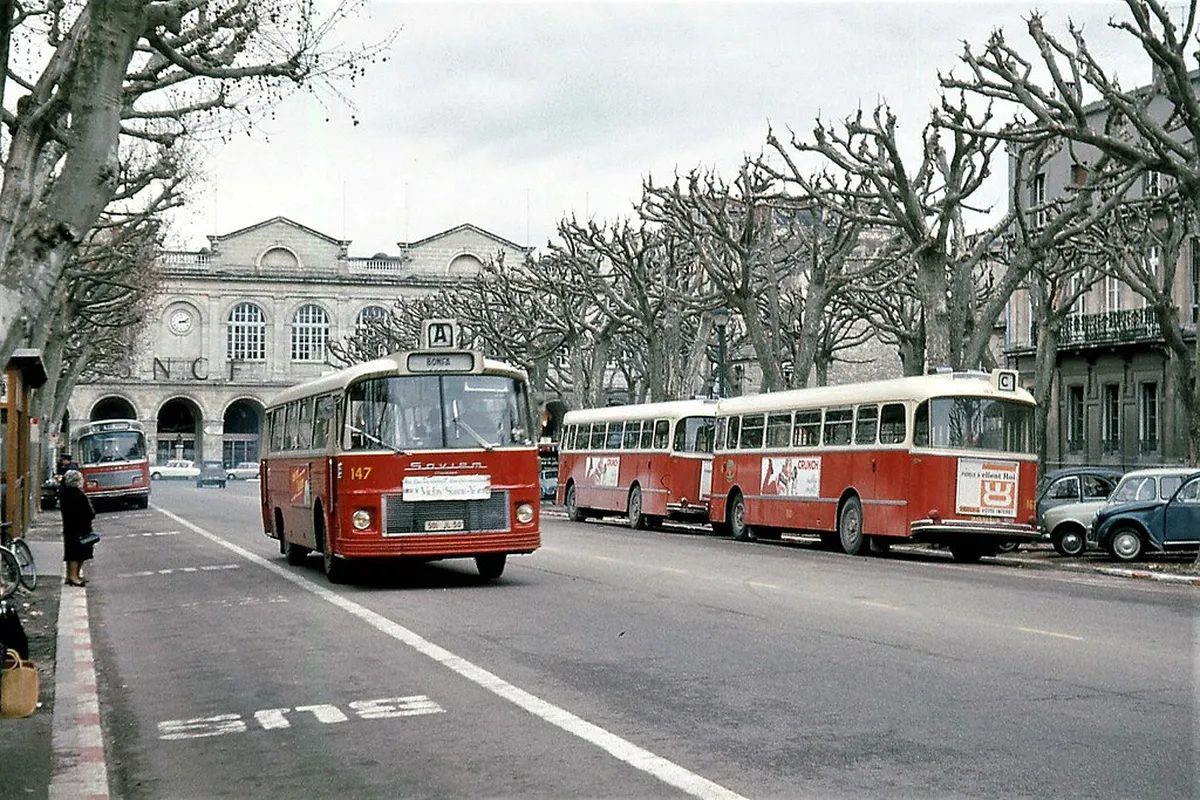
From Montpellier Saint-Roch, take a TER regional train west toward Nîmes. Trains run every 20–30 minutes during the day and a one-way ticket costs €5–€12 depending on booking time — buy online at least a day ahead to secure the lowest fare. The train journey takes 28–32 minutes and arrives at Nîmes Gare. The Gare Routière (bus station) is a 3-minute walk directly behind the train station exit: follow signs for "Gare Routière" and look for the Lio stop bays.
Board Line 121 toward Remoulins or Pont du Gard. The ride takes 45 minutes and drops you at the "Rond-Point du Pont du Gard" stop, a 10-minute walk from the visitor entrance. The last bus back toward Nîmes departs around 18:30 in summer (17:30 outside peak season) — confirm the exact time on the posted timetable at the stop as soon as you arrive, so you can plan your return without rushing.
Combining Nîmes and Pont du Gard in One Day
Nîmes sits directly on the route between Montpellier and Pont du Gard, making it ideal for a Roman two-stop day. The city holds one of the best-preserved Roman amphitheatres in the world — the Arènes de Nîmes — plus the Maison Carrée temple, both within walking distance of the train station. You can do both sites in a morning and still reach Pont du Gard by early afternoon.
A practical schedule for this "Roman Loop": depart Montpellier on the 08:00–08:30 TER, arrive Nîmes by 09:00. Spend 2.5 hours in Nîmes (Arènes + Maison Carrée). Catch the Lio 121 bus at around 11:30 and arrive at Pont du Gard by 12:15. Explore the bridge and river until 17:00, then take the Lio back to Nîmes for the 18:30 TER to Montpellier, arriving by 19:00. Budget an extra €10–€14 for entry to the Arènes de Nîmes on top of the Pont du Gard admission.
This loop also works well if you are considering a day trip to Nîmes from Montpellier as a separate excursion — the two destinations complement each other thematically and geographically. Families with children tend to find the Arènes easy for kids while the river beach at Pont du Gard is a natural energy-release stop in the afternoon.
Driving via the A9 Autoroute
Driving is the fastest and most flexible way to reach Pont du Gard and is the default choice when consulting the 10 Best Day Trips From Montpellier: The 2026 Travel Guide list. Take the A9 westbound, exit at junction 23 (Remoulins), then follow the D981 north for about 8 kilometres. Total distance is around 75 km and the drive takes 50 minutes in light traffic. Expect to pay €4.50 each way in motorway tolls for a standard vehicle.
Parking at the site is managed separately from the entry ticket in 2026. The two main car parks are Rive Gauche and Rive Droite. Rive Gauche (left bank) is larger, directly attached to the museum and visitor centre, and costs €9 per vehicle for the day — the fee includes unlimited entry for all passengers in that car. Rive Droite is smaller and on the opposite bank; it suits photographers who want the classic front-on view of the bridge in morning light. Both lots fill by 10:30 in July and August, so aim to park before 09:30.
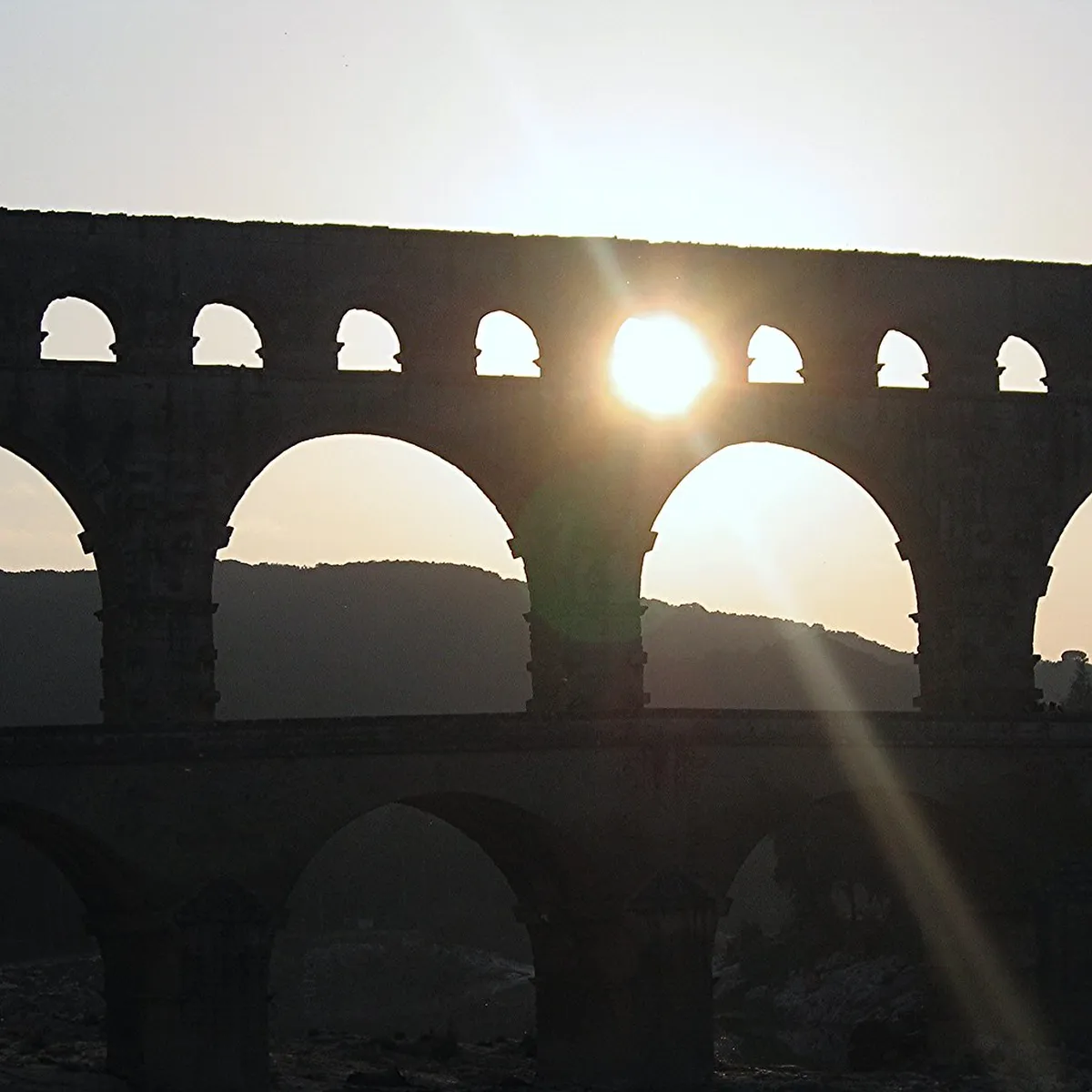
For the best photos, cross to the Rive Droite viewpoint after parking on the left bank — it is a short walk across the lower bridge deck. Early morning light hits the south face of the aqueduct from the Rive Droite bank and produces the most dramatic reflections in the Gardon River. Walking across the bridge top is restricted to guided tours only, but the lower arch walkway is open to all ticket holders at no extra charge.
Parking at Pont du Gard fills by 10:30 during July and August. Arrive before 09:30 to secure a spot. Rive Gauche car park costs €9 per vehicle and covers all passengers; your ticket price is separate (€9.50 adults). Book your parking slot when buying online to guarantee access in peak season.
Swimming in the Gardon River Below the Aqueduct
One detail that most "how to get there" guides leave out: the river beach directly beneath the Pont du Gard is free to use and one of the finest spots in the Gard département for a summer swim. The Gardon runs clear and cool even in July, and the aqueduct arches frame the scene in a way that makes it genuinely unforgettable. You do not need to pay site admission to access the riverside — the gravelled banks on the Rive Droite side are open to walkers who approach from the D981 road.
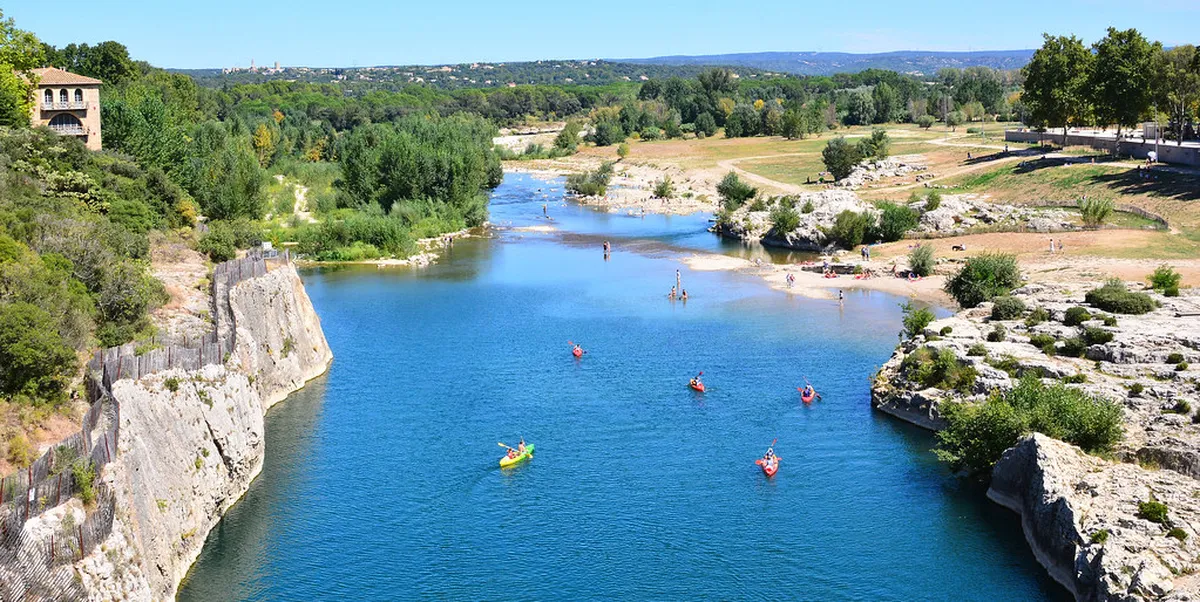
The safest swimming areas are on the Rive Gauche just downstream from the bridge where the current slows and the depth is waist to shoulder level for adults. Avoid the upstream channel directly under the central arch — the current accelerates there in spring and after rainfall. In summer 2026, lifeguards (MNS-certified) are posted on the main Rive Gauche beach from 10:00 to 19:00 in July and August. The water temperature typically reaches 22–24°C by mid-July.
Bring a towel, water shoes (the riverbed is smooth limestone but slippery), and your picnic. There are no rental facilities on the Rive Droite side, but the Rive Gauche visitor centre has lockers (€2 coin deposit) and a café. Many families from Montpellier make this their primary reason for the trip rather than the monument itself — arriving early and spending the hottest hours in the river before exploring the bridge in late afternoon is an excellent strategy.
The Gardon River reaches 22–24°C by mid-July, making summer swimming comfortable. Lifeguards (MNS-certified) patrol the main Rive Gauche beach from 10:00 to 19:00 in July and August. Always wear water shoes — the limestone riverbed is slippery even at shallow depths. Avoid the upstream channel directly under the central arch where the current accelerates, especially after rainfall.
Booking an Organised Guided Tour
Guided tours are ideal for first-time visitors who want historical context delivered on-site rather than reading about it later. Most tours depart from the Place de la Comédie or the Antigone neighbourhood in Montpellier and include minibus transport, a bilingual guide, and entry to the bridge. Wisud runs a well-regarded Roman Heritage excursion combining Nîmes and Pont du Gard, departing Montpellier with English commentary — prices in 2026 range from €55 to €85 per person depending on group size and inclusions.
Check whether the entry fee (€9.50 for adults, €7.50 for children 6–17 in 2026) is bundled before comparing tour prices. Many operators include it; some do not. Full-day tours lasting 5–6 hours typically include both Nîmes and Pont du Gard. Half-day tours of 3–4 hours focus solely on the aqueduct and suit travellers who have already seen Nîmes. Book at least 48 hours ahead in summer — tours sell out by Wednesday for the weekend.
Private options give you full control over the pace. A private 4-person vehicle with a licensed guide typically costs €250–€320 for the day, which works out cheaper than four individual group-tour tickets when you include the flexibility of choosing your own lunch stop and photography time. This is the best choice for families with young children or for travellers combining the day trip with a specific anniversary or celebration meal at one of the riverside restaurants near Remoulins.
Hiring a Private Transfer or Taxi
A private transfer suits travellers arriving at Montpellier-Méditerranée Airport who want to go directly to Pont du Gard without returning to the city centre first. Taxis are available at the airport rank and at Montpellier Saint-Roch; a one-way trip to Pont du Gard costs around €110–€140 for a standard saloon. Split across four passengers, that is €27–€35 per person one-way — comparable to a guided tour but with no fixed schedule.
Uber operates in Montpellier but long-distance rides to the Gard often require pre-booking via the app. Local companies such as Taxi Montpellier Sud or Allo Taxi 34 can be reserved by phone or their website and will offer a fixed price if you ask before the journey starts. Always confirm whether the quoted price is one-way or return, and ask the driver to wait on site if you want a return — a two-hour wait typically adds €25–€40 to the total. For a tight Montpellier 3-day itinerary, a taxi gives you maximum control over your return time.
Essential Planning Tips for 2026
The Pont du Gard site is open year-round, but summer is the most visited period — over 1.4 million people visit annually. July and August are the hottest months, with temperatures regularly above 35°C by early afternoon. The best months for a comfortable visit are May, June, and September, when crowds thin out and the Gardon is warm enough to swim. Winter visits are quieter and the museum is fully open, but the riverside paths can be muddy after rain.
Adult admission in 2026 is €9.50 for pedestrians and cyclists, or €18 per car (all occupants included). Buy tickets online at the official site to avoid queuing at the booth — online booking also holds your parking slot in the managed lots, which matters in peak season. The visitor centre museum, the Ludo educational space for children, and the mémoire de garrigue nature trail are all included in the base ticket price.
Always bring a hat, sunscreen, and at least 1.5 litres of water per person. The site is very accessible: the main bridge walkway is paved and wheelchair-friendly, and the Rive Gauche car park has step-free access to the lower bridge level. Rocky paths exist on the nature trails but are clearly signed as optional. The museum closes 30 minutes before the park itself, so visit the exhibits in the morning and the outdoor areas in the afternoon.
- Download the Lio app for real-time bus schedules and purchase tickets before boarding.
- Check the last bus time from the stop board as soon as you arrive — it changes seasonally.
- Bring a swimsuit and water shoes if visiting May–September for the Gardon river beach.
- Park by 09:30 in July–August; both lots fill by 10:30 on busy days.
- Pre-book tickets online to skip the entry queue and secure car-park access.
- Combine with Nîmes on the same day using the TER + Lio 121 public-transit route for the best Roman heritage experience in the region.
See our main complete Montpellier things-to-do guide guide for the broader city overview.
Frequently Asked Questions
How long is the bus from Montpellier to Pont du Gard?
The total travel time by bus is approximately 90 minutes. This includes a 30-minute train to Nîmes and a 45-minute bus ride. Expect to spend about €10 / ~$11 for the entire journey.
Is there a direct train from Montpellier to Pont du Gard?
There is no direct train station at the monument itself. You must take a train to Nîmes and then transfer to a bus. The transfer is simple and takes about five minutes on foot.
How much does it cost to visit Pont du Gard from Montpellier?
A budget trip costs roughly €25 / ~$27 including transit and the €9.50 entry fee. Driving costs about €45 / ~$49 for fuel, tolls, and site admission. Tours start at €60 / ~$65.
Reaching the Pont du Gard from Montpellier is a straightforward journey for any traveller. The public-transit route via Nîmes is cheap and reliable; the drive is fast and gives you the most flexibility on site. Whether you swim in the Gardon, combine with Nîmes for a full Roman day, or join a guided tour, the ancient aqueduct is a highlight of the Occitanie region that repays careful planning.
Free guide: France's Hidden Gems
12 under-the-radar places across Provence, Alsace & Occitanie — with the best season to visit each and a local tip you won't find in the guidebooks.
You might also like



Continue reading
More guides you'll find useful