3 Days in Montpellier: The Ultimate Itinerary
Plan your 3 days in Montpellier with this expert guide. Discover the historic center, sandy beaches, and hidden gardens. Start your French adventure today!
On this page
How to Spend 3 Days in Montpellier for the Perfect Trip
Montpellier stands as one of the most vibrant cities in Southern France, combining medieval winding streets with grand neoclassical plazas and a relaxed Mediterranean atmosphere. The city center is mostly car-free, which makes walking between historic sites easy for visitors of all ages. Spending 3 days in Montpellier gives you enough time to cover the historic Écusson, reach the coast, and take at least one day trip into the surrounding countryside.
The efficient tram network is the backbone of any visit, connecting the old town to the beach and modern neighborhoods without the hassle of a car. A 24-hour pass costs around five euros and covers all four lines including the coastal tram 3 that runs to Pérols. Plan your three days around the tram and you will rarely need anything else.
Many travelers overlook Montpellier in favor of Marseille or Toulouse, but the city rewards those who stop. From France's oldest botanical garden to a neoclassical district designed by a world-famous architect, there is real depth here behind the sunny terraces.
Free guide: France's Hidden Gems
12 under-the-radar places across Provence, Alsace & Occitanie — with the best season to visit each and a local tip you won't find in the guidebooks.
Getting to and Around Montpellier
Montpellier-Méditerranée Airport sits about 8 km southeast of the city center. A dedicated shuttle bus connects the airport to Place de l'Europe, where you can transfer directly onto the tram network. The shuttle runs regularly throughout the day and costs under two euros, making it one of the cheapest airport transfers in France. Taxis take around 20 minutes but cost roughly 25–35 EUR depending on traffic.
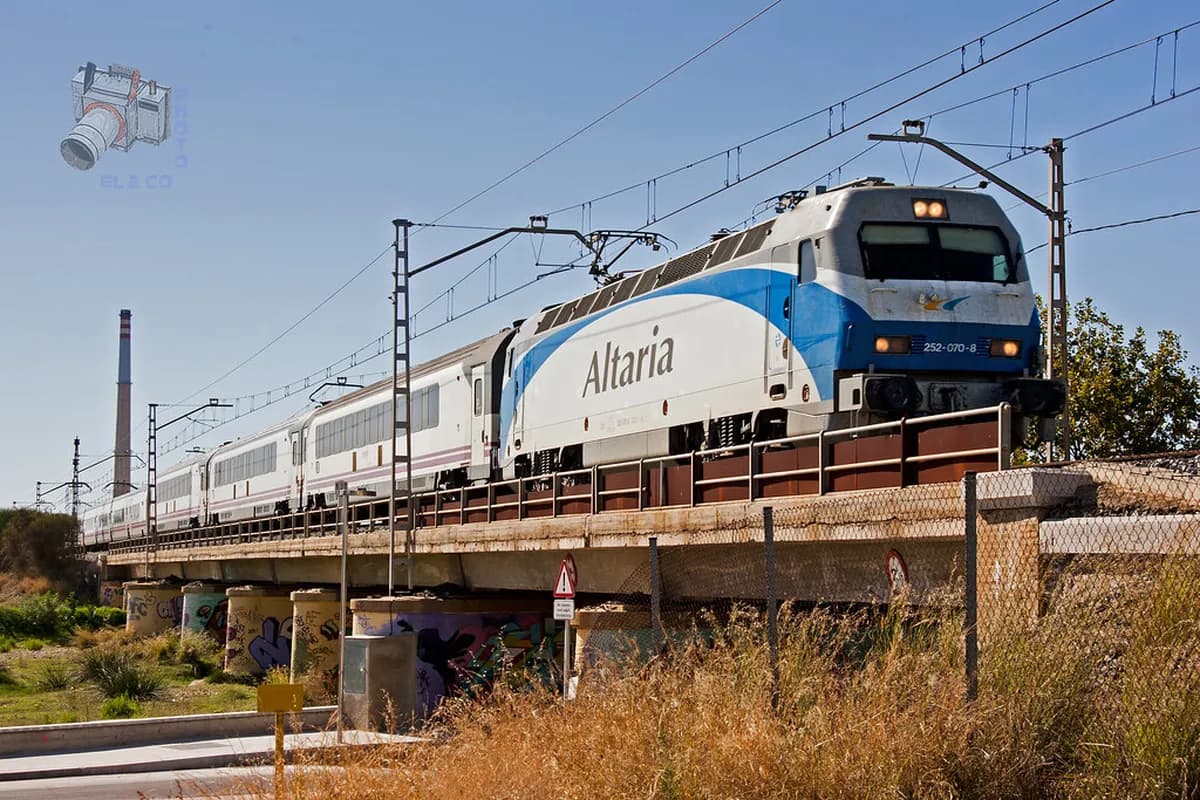
Arriving by train is often the better option if you are coming from Paris, Marseille, or Barcelona. The main station, Gare Saint-Roch, sits right in the city center and is served by TGV and regional SNCF services. The journey from Paris Montparnasse takes around three hours and fifteen minutes; from Marseille, it is about an hour and a half. If you are coming from Barcelona Sants, the direct regional train takes roughly three hours.
Inside the city, the four tram lines cover every neighborhood that matters for visitors. Line 1 runs east–west through the center, passing Antigone and Place de la Comédie. Line 3 is the one you will use on Day 3, running south to Pérols for beach access. The Vélomagg bike-sharing scheme offers an easy supplement for shorter hops, with stations near every major tram stop. If you plan to travel extensively, buy a carnet of ten tickets at any tram station machine rather than single tickets each time.
Always validate your tram ticket at the yellow machines before boarding. Inspectors patrol regularly and fines for unvalidated tickets are 50 EUR on the spot — a single ticket only costs a few euros, so validation is worth the 10 seconds it takes.
Day 1: The Historic Écusson and its Landmarks
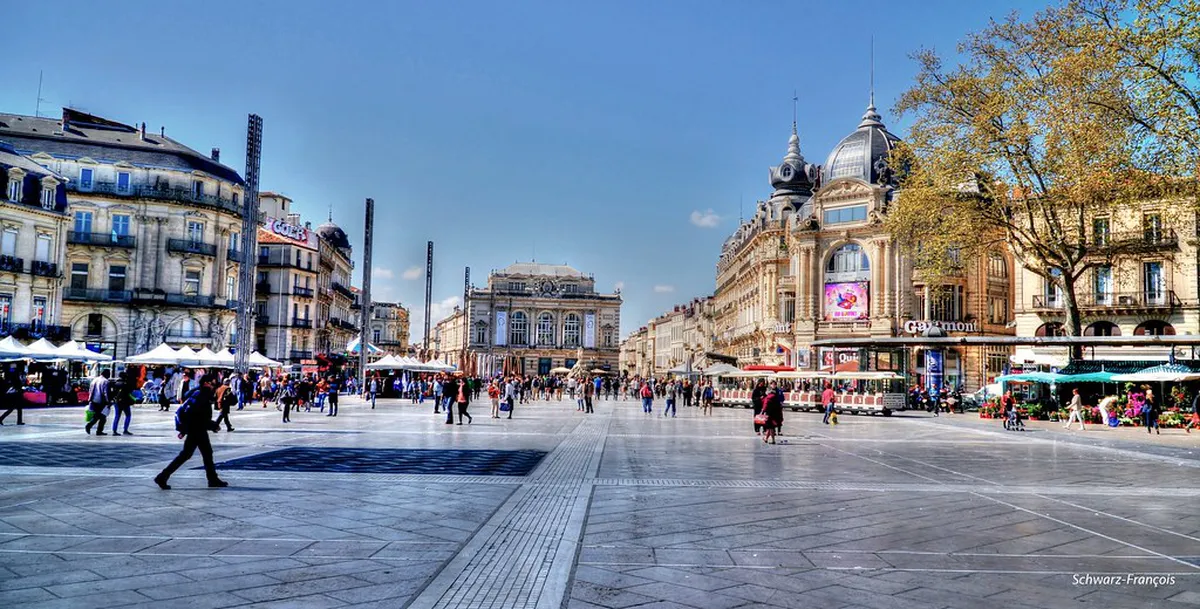
Your first morning should begin at Place de la Comédie, the beating heart of the city. This massive pedestrian square features the iconic Fontaine des Trois Grâces at its center and is flanked by the 19th-century Opéra Comédie at the western end. Grab a coffee at one of the terrace cafés and watch the city wake up before the midday crowds arrive. The Esplanade Charles-de-Gaulle opens out from the opposite end of the square and hosts a flower market Monday to Saturday and a book fair on Wednesdays and Saturdays.
From the square, walk northwest through the narrow lanes of L'Écusson to reach the Montpellier old town. This medieval district is dense with hôtels particuliers — private mansions from the 17th and 18th centuries — many of which have ornate carved doorways hidden behind unremarkable street facades. Peek through the open doorways on Rue de l'Ancien Courrier and Grand Rue Jean Moulin to see their interior courtyards. After 20 minutes of wandering, head toward the Cathédrale Saint-Pierre: its twin cylindrical pillars give it the look of a fortified keep rather than a Gothic church. Entry is free; the interior offers a cool, quiet break from the midday sun.
A five-minute walk uphill brings you to the Porte du Peyrou, Montpellier's own Arc de Triomphe built in 1691 to honor Louis XIV. Unlike its Parisian counterpart, you can climb the 88 steps inside to reach a viewing platform with an unobstructed panorama over the city. Continuing through the gate brings you onto the Promenade du Peyrou, an elevated terraced park with a 17th-century water tower at its far end. The Aqueduct de Saint-Clément (also called the Arceaux Aqueduct) stretches away from the tower in a long sweep of pale stone arches — one of the most photogenic views in the city. Around sunset, groups of students gather here with music and drinks, making it one of the most lively outdoor spaces in Montpellier.
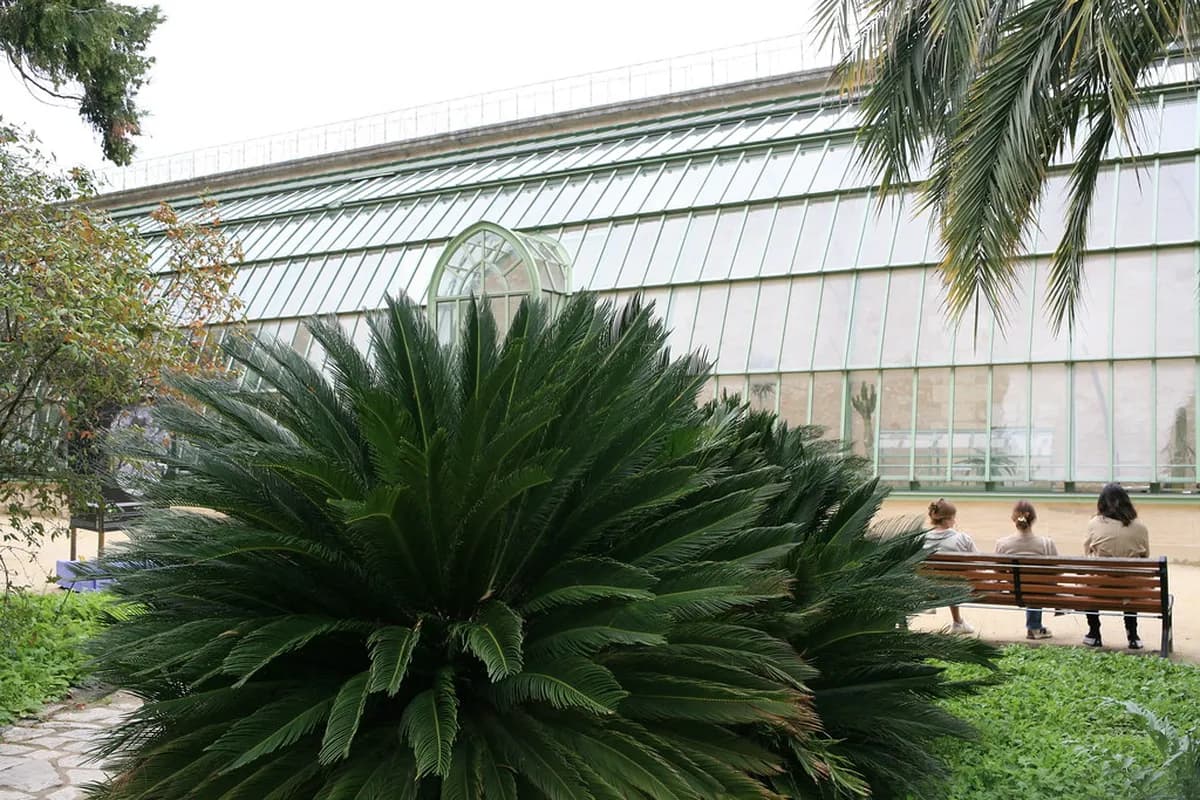
The Jardin des Plantes is a two-minute walk from the Promenade. Founded in 1593, it is the oldest botanical garden in France and still part of the university's medical faculty. It is open to visitors in the afternoons (closed Mondays) and entry is free. Plan to spend an hour here before heading back toward Place Jean Jaurès, a square perfectly positioned between the Arc de Triomphe and the Comédie, lined with outdoor restaurants and bistros. It is the best spot in the city for a long aperitif at the end of the afternoon. Expect to pay around 6–9 EUR for a glass of local Languedoc red and a small plate of olives.
| Day | Focus | Highlights |
|---|---|---|
| Day 1 | Historic Center (Écusson) | Place de la Comédie, Cathédrale Saint-Pierre, Porte du Peyrou, Promenade du Peyrou, Jardin des Plantes, Place Jean Jaurès |
| Day 2 | Street Art & Modern Architecture | Place Saint-Roch (trompe l'oeil mural), Antigone district, Arbre Blanc tower, Musée Fabre, Marché du Lez |
| Day 3 | Mediterranean Coast & Nature | Tram line 3 to Pérols, Greater flamingos lagoon walk, Carnon Plage, Palavas-les-Flots fishing port, beach restaurants |
Day 2: Street Art, Antigone, and the Lez River
Start your second morning at Place Saint-Roch, a lively square near the train station with good cafés for breakfast. While you are here, look at the building facade directly opposite the Saint-Roch church: what appears at first to be a window reflecting the church front is actually a trompe l'oeil mural painted on a flat wall. It is one of the most convincing examples of street-art illusion in France and easy to miss if you do not stop to look closely. A few minutes away at Place Édouard Adam, an enormous mural covers the entire corner of two buildings — ornate balconies, a ground-floor bookshop, and residents peering from windows, all painted with precision.
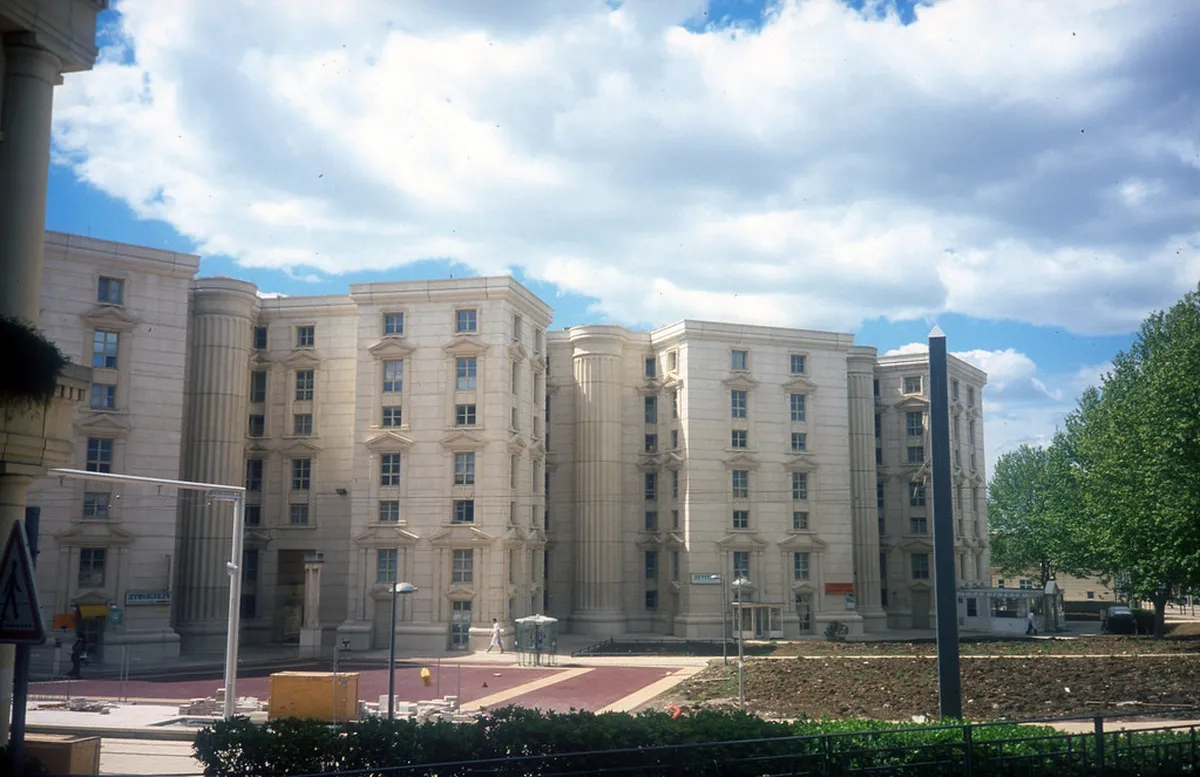
From Place Saint-Roch, take tram line 1 or walk fifteen minutes southeast to reach the Antigone district. Designed in the 1970s by Catalan architect Ricardo Bofill, this neighborhood is a complete contrast to the medieval Écusson. Wide axes, symmetrical neoclassical facades, and grand colonnaded squares give the area an almost theatrical quality. Walk from Place du Nombre d'Or through to Place de l'Europe, where a row of bar-restaurants overlooks the Lez River. The Arbre Blanc tower — designed by Sou Fujimoto in 2019 — rises just to the south, its protruding white balconies stacked like a tree canopy over the river. It is a useful reference point when navigating this part of the city.
In the afternoon, visit the Musée Fabre, which is located close to Place de la Comédie and holds one of the most significant art collections in southern France. The permanent collection covers old masters through to 20th-century European painting, with strong holdings in Gustave Courbet and Pierre Soulages. Tickets cost 10 EUR for adults and the museum is manageable in two to three hours without rushing. Book online in advance during summer months when queues can stretch outside. The adjacent Esplanade is a good place to sit and decompress before dinner.
By evening, head to the Marché du Lez on the eastern bank of the river. This converted industrial space has food trucks, independent vendors, and a relaxed outdoor atmosphere that fills up on warm evenings. Students and young locals come here rather than the tourist-facing restaurants of the Comédie area, making it one of the more authentic options for a weeknight dinner. Alternatively, the streets around Place Sainte-Anne in the old town offer a cluster of traditional French bistros where a three-course menu du soir runs around 30–38 EUR per person.
Day 3: Beach Day — Carnon and Palavas-les-Flots
No three-day visit is complete without a day at the Mediterranean. Take tram line 3 from Gare Saint-Roch to the end of the line at Étang de l'Or in Pérols. Before you board, stop at the Monoprix on Place de la Comédie to pick up food and drink for a beach picnic — it is significantly cheaper than buying at the coast. The tram ride takes around 25 minutes and runs every eight to ten minutes throughout the day. At Pérols, you have three options for reaching Carnon Plage: rent a bike from the Vélomagg rack at the station, take bus route 28 two stops to Cabane de Pérols, or walk the 35 minutes along the lagoon road.
The walk deserves special mention. The path from Pérols to Carnon runs between two large lagoons — the Étang de l'Or on one side and the Étang du Méjean on the other. Greater flamingos feed in these shallow brackish waters year-round, though sightings are most reliable from April through September when the population is largest. You can watch them from the roadside at close range without any kind of tour or ticket. It is one of the most unexpected wildlife moments within easy reach of any French city, and almost no travel article about Montpellier makes it the focus it deserves.
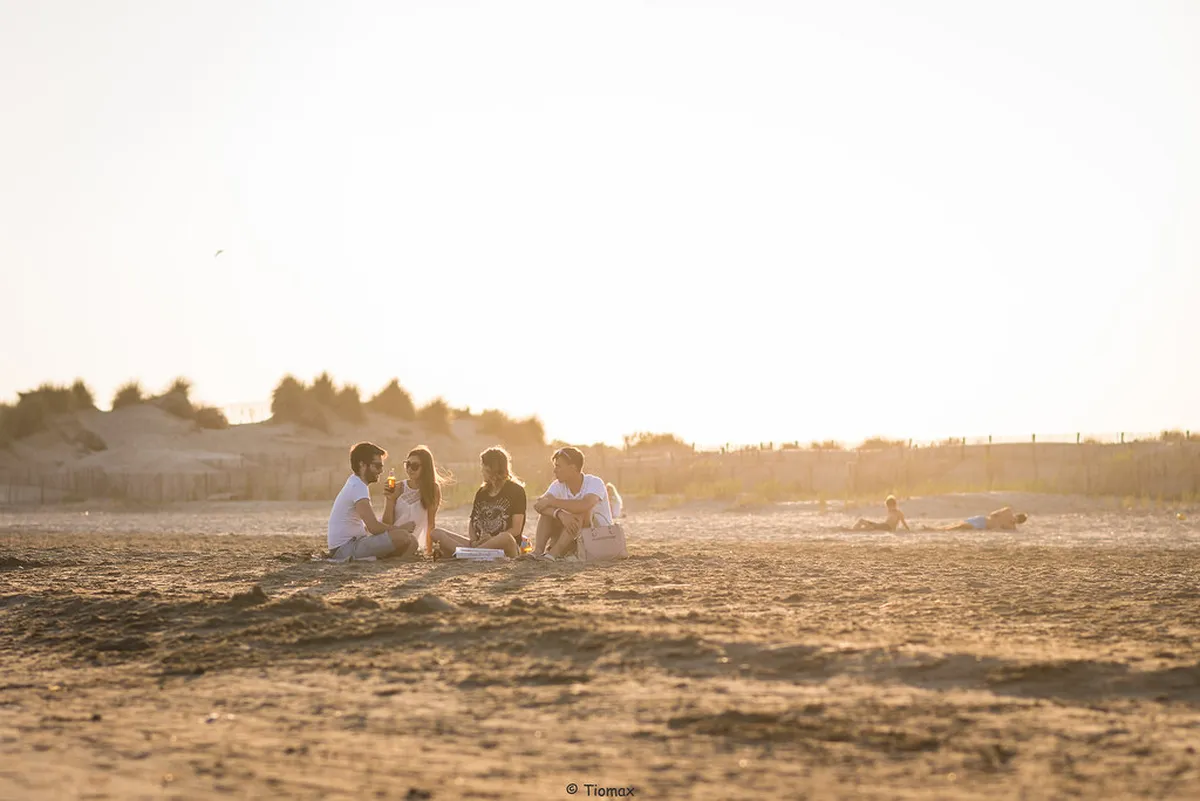
Carnon Plage itself is a long sandy Mediterranean beach with a calm shallow shore. Kitesurfing schools operate on the windier stretches in summer and equipment rental is available by the hour. For lunch, several seafood restaurants line the seafront; a plate of fresh grilled fish with a carafe of local rosé typically runs 22–30 EUR. In the afternoon, walk or cycle two kilometres along the coast to Palavas-les-Flots, a small fishing port straddling the mouth of the Lez River. The port area on both river banks has a concentration of restaurants specializing in local fish dishes, and the evening light reflecting off the water makes it a natural place to linger. Taxis from Palavas back to the city center take around 20–25 minutes.
If the weather is poor or you are traveling with children, the Odysseum complex on the eastern edge of the city offers a useful alternative. It houses a planetarium (Galileo Planetarium), an aquarium (Mare Nostrum), and an indoor ice-skating rink (Vegapolis) all under one roof. Tram line 1 stops directly in front of the complex, making it a realistic rain-day option without a car.
Day Trip Options from Montpellier
If you prefer to swap the beach day for an excursion into the countryside, the area around Montpellier offers several strong alternatives. The Pic Saint-Loup wine appellation lies about 25 km north of the city and is one of the most interesting sub-regions of the Languedoc. The Pic itself is a distinctive limestone peak rising sharply from the garrigue and is hikeable in around three hours return from the base. Several domaines along the road between Saint-Mathieu-de-Tréviers and Valflaunès offer cellar door tastings; most require a reservation. A half-day guided wine tour from Montpellier covers two or three estates and includes transport for around 60–90 EUR per person.
Saint-Guilhem-le-Désert, listed among the most beautiful villages in France, sits 45 km northwest of the city in the Gorges de l'Hérault. The village clusters around an 11th-century Benedictine abbey — parts of its cloister now form a section of the Cloisters Museum in New York. The nearby Pont du Diable, a Roman-era bridge over the clear green Hérault river, is a popular swimming spot in summer. Without a car, the village is difficult to reach by public transport; most visitors take a day tour or rent a vehicle for the day from Gare Saint-Roch.
Sète, 30 km southwest of Montpellier, is reachable by regional train from Gare Saint-Roch in under 20 minutes. This working fishing port sits on a narrow isthmus between the Thau Lagoon and the Mediterranean, giving it a genuinely maritime character distinct from the beach towns nearby. The Tuesday and Saturday morning market on the canal quays is one of the best in the region. Climbing Mont Saint-Clair above the town rewards you with a view that takes in the lagoon, the coast, and on clear days the Pyrenees. The Thau Lagoon is also the heart of France's oyster and mussel farming industry; half-shell oysters eaten at a table de producteur on the lagoon shore cost around 7–10 EUR per dozen.
Where to Eat and Stay in Montpellier
Staying in or near the Écusson puts you within walking distance of the main sights and the best evening dining. The neighborhood around Observatoire tram stop is a good secondary choice: quieter than the historic center at night but only a ten-minute walk from the Comédie. Budget hotels cluster near Gare Saint-Roch, where you can find clean, well-located rooms for 60–90 EUR per night in 2026. For boutique options, the best neighborhoods in Montpellier guide covers the full range from the Écusson to the newer riverside districts.
For food, start with Les Halles Castellane, the covered market a short walk from the Comédie. It opens every morning and has a concentrated selection of regional products: honey from the garrigue, local olive oils, cured meats, and a cheese counter worth the queue. Several vendors have standing lunch counters inside. The local specialty to seek out is Petit Pâté de Pézenas — tiny oval pastry cases filled with a sweet-savory lamb and spice mixture that originated in the nearby town of Pézenas. You will find them in most traditional charcuteries and at market stalls. Another local dish worth ordering at dinner is beurre de Montpellier, a sauce made from herbs, capers, anchovies, and butter that traditionally accompanies cold fish.
For authentic local dining, skip the tourist-facing restaurants around Place de la Comédie and head to Place Sainte-Anne in the old town or Marché du Lez for a more authentic experience. You'll find better value and genuine local dishes at traditional bistros and food vendors, with dinner menus running 18–30 EUR instead of the 35+ EUR charged near the center.
The student population keeps prices honest throughout the city. Quick lunches of socca, gourmet sandwiches, or a plat du jour at a neighborhood brasserie run under ten euros. For a proper dinner, aim for Place Jean Jaurès or the streets around Place Sainte-Anne where a two-course menu typically costs 18–25 EUR. Reservations are advisable on weekend evenings from June through August when the city fills with visitors and the outdoor terraces operate at full capacity.
Practical Tips for Your 2026 Visit
The best months to visit are May, June, and September. Temperatures are warm but not scorching, the beaches are uncrowded on weekdays, and most attractions run full hours. July and August are the hottest months — temperatures regularly exceed 35°C — and the city is busiest with tourists from the rest of France and northern Europe. If you visit in May, be aware that FISE (Festival International des Sports Extrêmes) takes over the Lez riverbanks for five days with wakeboarding, BMX, and skateboarding events open to spectators. It is one of the better free entertainment options in the city's calendar.
The tram runs from around 05:00 to 01:00 daily, with extended hours on Friday and Saturday nights. Validate your ticket at the yellow machines before boarding — inspectors do patrol and fines for unvalidated tickets are 50 EUR on the spot. The Montpellier tram guide has current route maps and updated 2026 timetables for each line. For the beach day, add the bus supplement ticket for route 28 (same tram ticket is valid for connecting bus transfers within 60 minutes of validation).
Stone pavements in the Écusson can be uneven and slippery after rain — comfortable shoes with grip are worth prioritizing over sandals for the first two days. The old town is compact and mostly flat, but some alleys near the cathedral slope steeply. Most museums and churches are accessible for wheelchairs via the main entrance; the Jardin des Plantes has gravel paths that can be difficult for mobility aids but the main central avenue is paved. Water fountains are scattered throughout the Promenade du Peyrou and the Esplanade Charles-de-Gaulle, worth using on hot summer afternoons.
For the full picture, see our complete guide to things to do in Montpellier.
Frequently Asked Questions
Is 3 days in Montpellier enough time?
Yes, 3 days is the perfect amount of time to see the main highlights. You can explore the historic center, visit museums, and even take a half-day trip to the beach. Check if Montpellier is worth visiting for your specific travel style before booking.
What is the best month to visit Montpellier?
The best months are May, June, and September when the weather is warm but not scorching. July and August can be very hot and crowded with tourists. Spring and fall offer the best balance of pleasant temperatures and manageable crowds.
Can you visit the beach from Montpellier without a car?
Absolutely, the tram line 3 takes you directly to the Perols area near the coast. From there, you can walk or take a short bus ride to reach the sandy beaches. It is one of the easiest coastal cities to navigate using only public transport.
Is Montpellier a safe city for tourists?
Montpellier is generally very safe for travelers but standard precautions should always be taken. Keep an eye on your belongings in crowded areas like the Place de la Comédie. The city center is well-lit and remains lively well into the evening hours.
Three days in Montpellier gives you just enough time to feel like a local rather than a tourist. The historic Écusson and its landmarks anchor Day 1, the street art and modern architecture of Antigone fill Day 2, and the Mediterranean coast or the garrigue countryside offers a completely different register on Day 3. The tram ties it all together without the cost or complication of renting a car.
Plan your itinerary around the things that genuinely interest you rather than following the standard circuit. If the Fabre Museum or a winery in Pic Saint-Loup is the main draw, build your days outward from that. Montpellier rewards slow walking and lingering over a glass of local wine — leave space for that in the schedule and the city will more than deliver.
Free guide: France's Hidden Gems
12 under-the-radar places across Provence, Alsace & Occitanie — with the best season to visit each and a local tip you won't find in the guidebooks.
You might also like


Continue reading
More guides you'll find useful