6 Essential Tips for Visiting Jardin des Plantes Montpellier
Discover the Jardin des Plantes Montpellier, France's oldest botanical garden. Get tips on night tours, seasonal hours, LSF services, and visitor rules.
On this page
6 Essential Tips for Visiting Jardin des Plantes Montpellier
The Jardin des Plantes Montpellier stands as a living monument to the city's deep scientific heritage. Founded in 1593, it is officially the oldest botanical garden in all of France.
This lush four-hectare space offers a peaceful escape from the busy city streets of the historic center. Visitors can explore thousands of plant species while learning about centuries of medical history.
Whether you are a nature lover or a history buff, this site provides a unique look at French culture. Planning your visit requires knowing specific rules and seasonal hours for the best experience.
Free guide: France's Hidden Gems
12 under-the-radar places across Provence, Alsace & Occitanie — with the best season to visit each and a local tip you won't find in the guidebooks.
Uncover the History of France's Oldest Botanical Garden
Pierre Richer de Belleval established this botanical haven in 1593 for medical students. He was a young physician appointed by King Henri IV to teach botany at the Faculty of Medicine. The site originally focused on growing herbs used directly in the medical curriculum — plants like theriac sage, opium poppy, and mandrake that 16th-century doctors prescribed as standard remedies. This academic foundation helped Montpellier become a European leader in medical science at a time when the city's Faculty of Medicine was already recognized as the oldest active medical school in the western world.

The garden faced a devastating crisis during the 1622 siege of Montpellier by King Louis XIII. His army destroyed most of the original structures and plant collections during the military campaign against Protestant strongholds in the south. Belleval himself survived, and dedicated botanists worked from 1629 onward to restore the grounds. That resilience after near-total destruction set the tone for the garden's next four centuries.
A brief historical timeline helps put the site in context. It was created in 1593 under royal decree, razed in 1622, restored from 1629, redesigned in the 18th century by François Boissier de Sauvages, opened for public walks by Montpellier residents toward the end of the 18th century, and awarded the prestigious "Jardin remarquable" label in 2022 — a distinction it holds for a renewable five-year period running through 2027. The Académie des sciences has long recognized the scientific importance of this historic location, and many famous botanists studied here before contributing to major global discoveries.
Modern visitors often include this site on their list of 12 Best Montpellier Attractions and Places to Stay to see. The garden remains under the management of the University of Montpellier and its Faculty of Medicine — meaning it is still an active teaching environment, not just a heritage site frozen in amber. You will feel the weight of four centuries as you walk through the ancient gates.
Explore the Diverse Botanical Collections and Highlights
The garden hosts over 2,000 plant species across its historic four-hectare landscape. You can find ancient trees and delicate tropical flowers within the various microclimates. The greenhouse areas provide a glimpse into exotic environments from around the world. These collections serve as a living museum for the University of Montpellier today.
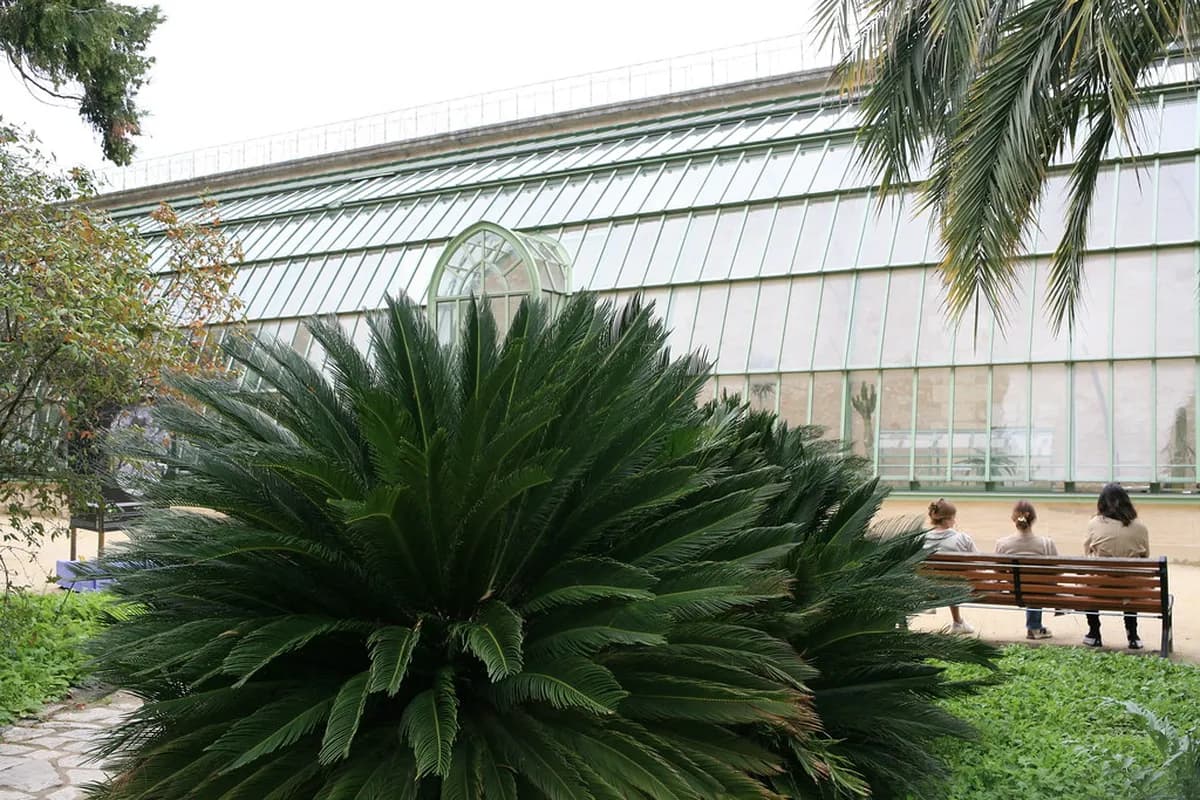
The Martins Greenhouse is a major highlight for those interested in rare plant life. It houses a variety of succulents and tropical species that require controlled temperatures. Walking through this glass structure feels like stepping into a different continent entirely. Ensure you take a moment to admire the architectural detail of this historic building.
Medicinal plants remain at the heart of the garden's primary educational mission. The plots devoted to officinal herbs trace directly back to the 16th-century curriculum — you can still see plants like henbane (Hyoscyamus niger) and wormwood (Artemisia absinthium), both widely used in early pharmaceutical compounding, growing in beds that occupy roughly the same positions they did under Belleval. This section connects the natural world directly to the history of the Faculty of Medicine. Exploring these plots is one of the best 15 Best Free Things to Do in Montpellier for curious travelers.
Ancient trees provide deep shade and a sense of permanence throughout the grounds. Some specimens have stood for hundreds of years, witnessing the growth of the city around them. The "Jardin remarquable" label — awarded in 2022 and valid through 2027 — specifically recognizes this blend of cultural, aesthetic, historical, and botanical interest. The variety of foliage ensures the garden looks distinct during every season of the year.
Entry to the Jardin des Plantes is completely free, making it one of Montpellier's most accessible botanical attractions. This offers a perfect option for budget-conscious travelers who want to experience centuries of botanical history.
Experience the Magic of Echappée Nocturne Night Tours
The "Échappée Nocturne" offers a sensory journey through the trees after the sun sets. A botanist-gardener and a professional storyteller lead these special evening tours for small groups through the garden illuminated only by the wavering light of torches. You will hear legends of ancient plants while smelling the evening blooms, and the combination of scientific fact and oral tradition turns the walk into something closer to a poetic promenade than a standard guided tour. These events require advance booking because they are extremely popular during the summer months.

Nighttime transforms the garden into a mysterious world of shadows and soft scents. The guides use torch light to highlight specific botanical features that look entirely different in the dark — bark textures, leaf silhouettes, and the nocturnal pollinators that visit the flower beds after dusk. You might hear the rustle of nocturnal wildlife as you move through the paths. This experience provides a much deeper connection to nature than a standard daytime visit.
Storytelling adds a layer of cultural depth to the scientific facts shared by the botanist. You will learn about the myths associated with various trees and flowers found on site — centuries-old stories that once circulated among the medical students who trained here. These narratives bring the history of the garden to life in an engaging way, blending the legendary with the empirical in a manner the Faculty of Medicine has practiced since 1593.
Check the official Faculty of Medicine website for the latest schedule of these night tours. They typically run during the warmer months when the evenings are pleasant for walking. Tickets often sell out weeks in advance for these exclusive storytelling sessions. Make this a priority if you want to see a different side of the city's heritage.
Review Essential Visitor Rules and Seasonal Hours
The garden follows strict seasonal hours that change twice every year. Entry is always free. The site is closed every Monday, and mornings on open days are reserved exclusively for university research, academic teaching, and pre-booked guided groups — which is why public access only begins at noon. This noon opening is not a late start: it reflects the garden's status as a working scientific facility first and a public space second.
Summer hours run from 1 June to 30 September: open Tuesday to Sunday, 12:00 to 20:00. Winter hours run from 1 October to 31 May: open Tuesday to Sunday, 12:00 to 18:00. Always verify the current schedule on the official university website before you travel, as the garden occasionally closes for special academic events.
Strict regulations help protect the delicate plant life and historic structures on the site. These rules are considerably firmer than those found in standard public city parks, and enforcement is taken seriously. You should consult practical tips for Montpellier to prepare for your daily excursions. Knowing these limits ahead of time will save you frustration at the gate.
The following items and activities are prohibited inside the garden at all times:
- Animals and pets — strictly forbidden regardless of size or leash
- Bicycles, scooters (trottinettes), and rollerblades — not allowed anywhere on the grounds
- Picnics and food consumption — not permitted inside the garden
- Smoking — prohibited throughout the entire site
The garden opens at noon on weekdays (Tuesday to Sunday) because mornings are reserved for university research and academic teaching. Plan your visit for after 12:00 PM to ensure public access during your preferred time.
Why the Garden Opens at Noon: The University Connection
Every morning the garden is closed to the public, it is open to researchers and students. The University of Montpellier's Faculty of Medicine — widely regarded as the oldest continuously operating medical faculty in the western world, tracing its roots to at least the 12th century — uses the garden as a live laboratory. Botany and pharmacognosy students study plant specimens in the beds before tourists arrive. This daily rhythm has been essentially unchanged for over four centuries.
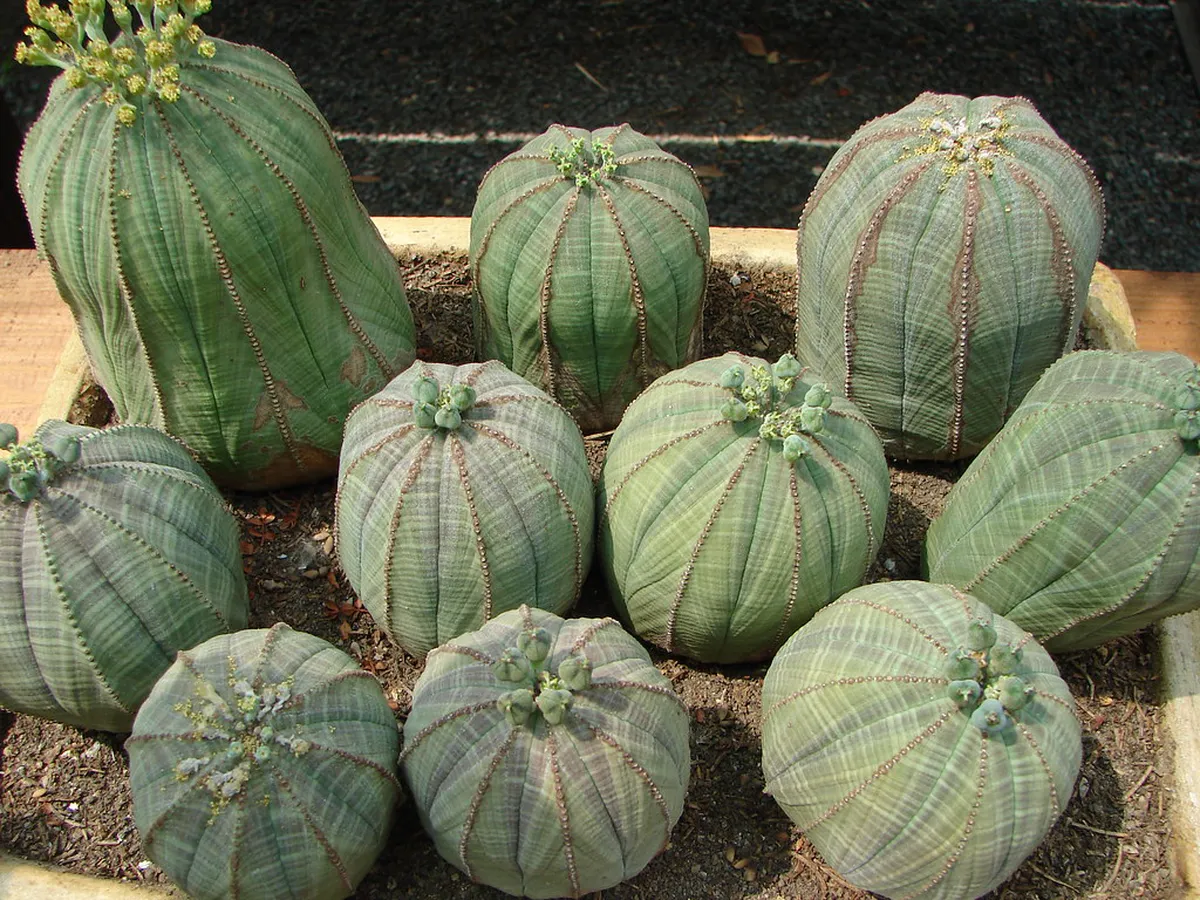
This academic priority explains details that confuse first-time visitors. The prohibition on picnics, pets, and wheeled vehicles is not arbitrary civic caution — it directly protects the research beds from contamination, compaction, and disruption of ongoing observations. When you see a plant tagged with a Latin name and a small identification number, that tag is part of an active cataloguing system used in real coursework, not just signage for tourists.
The Faculty of Medicine connection also means the garden serves a different audience than a typical municipal park. School groups can book educational sessions focused on biodiversity, medicinal plant history, or ecological science. Organizations and research teams that want a formal visit must submit a quote request ("demande de devis") through the Faculty of Medicine. This dual identity — scientific workplace by morning, public garden by afternoon — is what makes the site genuinely unlike any other botanical garden in France.
Access Inclusive Tourism with LSF Services
Inclusive tourism is a major priority for this historic botanical site in Montpellier. The "Menu Service LSF" provides specialized guided tours in French Sign Language (Langue des Signes Française) for deaf and hard-of-hearing visitors. These tours ensure everyone can engage with the rich history and botanical science offered here rather than relying solely on written panels. You should contact the Faculty of Medicine administration in advance to arrange these specific accessibility services and confirm current availability.
The garden staff works hard to make the site welcoming for all types of travelers. Educational materials are often available in formats that cater to different accessibility needs. This commitment to inclusion reflects the garden's role as a modern university facility with a public mission. It sets a high standard for cultural attractions throughout the Occitanie region.
Visitors with mobility challenges will find the main central paths easy to navigate. However, some older sections of the garden have uneven gravel or narrow historic walkways that may require care. Asking staff at the entrance for an accessibility map is the most reliable approach. The proactive approach ensures a comfortable experience for every guest, regardless of physical need.
See the Jardin des Plantes attraction page for a quick facts overview.
Frequently Asked Questions
Is the Jardin des Plantes Montpellier free to enter?
Yes, entry to the Jardin des Plantes Montpellier is completely free for all individual visitors. This makes it one of the most accessible historic sites in the city. You can enjoy the botanical collections without a ticket, though guided tours may require a small fee or booking. It is a top choice when wondering is Montpellier worth visiting on a budget.
What are the opening hours for the Jardin des Plantes?
The garden opens from 12:00 PM to 8:00 PM during the summer season from June to September. In the winter months from October to May, the hours change to 12:00 PM to 6:00 PM. The site is always closed on Mondays. Always verify the current schedule on the official university website before you travel.
Can you picnic in the Jardin des Plantes Montpellier?
No, picnics are strictly prohibited within the Jardin des Plantes to protect the delicate ecosystem. The garden is a scientific and educational site rather than a recreational park. Visitors should finish their food before entering the gates to follow the rules. There are many public squares nearby where you can enjoy an outdoor meal instead.
What is the "Echappée nocturne" tour?
The "Echappée nocturne" is a guided night tour that combines botanical science with professional storytelling. These tours take place in the evening during the summer months for small groups. They offer a unique sensory experience of the garden under the stars. You must book these tickets in advance through the Faculty of Medicine website.
The Jardin des Plantes Montpellier is a must-see destination for anyone visiting the south of France. Its blend of ancient history and botanical beauty creates a truly unique atmosphere. By following the visitor rules and checking the hours, you can ensure a perfect afternoon.
This historic site continues to serve as a vital center for education and quiet reflection. Whether you join a night tour or walk the paths alone, the experience will stay with you. Make sure to include this remarkable garden on your next trip to the city of Montpellier.
Free guide: France's Hidden Gems
12 under-the-radar places across Provence, Alsace & Occitanie — with the best season to visit each and a local tip you won't find in the guidebooks.
You might also like


Continue reading
More guides you'll find useful