Best Time To Visit Colmar 2026: The Ultimate Guide
Plan the best time to visit Colmar 2026 with expert tips on weather, crowds, and festivals. Find the perfect month for your Alsatian getaway today!
On this page
Best Time To Visit Colmar 2026
Updated June 2026 from my recent visits to this fairytale town. The sweet spot for the best time to visit Colmar 2026 is late spring or early fall. Specifically, mid-May to mid-June offers the most beautiful floral displays and mild weather. September to October provides stunning vineyard colors and pleasant harvest-season temperatures.
I visited in late September and the vine leaves were already turning gold. The air felt crisp but the sun stayed warm enough for outdoor canal-side dining. Shoulder seasons like May and September offer the best balance of comfort and accessibility. Most travelers will find these months ideal for exploring the timber-framed streets without heavy crowds.
Planning your trip around these windows ensures you avoid the intense summer heat. Peak summer often sees temperatures rise above 30°C / 86°F in the narrow alleys. Winter is equally popular for the festive markets but requires much more advanced booking. Use this guide to match your personal travel style with the perfect Alsatian season.
Season Comparison
Choosing your travel dates depends heavily on your tolerance for crowds and cold. Summer brings the most sunshine but also the highest volume of international tourists. Winter months transform the town into a snowy wonderland during the famous Christmas markets. Expect higher hotel prices and fully booked restaurants during these peak periods.
Spring and fall offer a more relaxed pace for wandering the historic center. You can find excellent photography tips on Helenabradbury.com for these specific seasons. The light during the shoulder months is softer and better for capturing colorful facades. Budget-conscious travelers should look at the late winter or early spring windows.
Climate data shows that Colmar is one of the driest cities in all of France. This dryness is due to its unique position in the rain shadow of the mountains. Even in the wetter months, rainfall remains relatively low compared to other regions. Always check the local forecast to prepare for sudden evening temperature drops.
| Season | Weather | Crowds | Prices | Events | Best for |
|---|---|---|---|---|---|
| Early April to mid-June | 12–21°C / 54–70°F | Moderate | Average | Easter Markets | Flowers |
| Late June to August | 25–30°C / 77–86°F | Very High | High | Wine Fair | Long Days |
| September to October | 15–20°C / 59–68°F | Moderate | Average | Wine Harvest | Vineyards |
| November to March | 0–5°C / 32–41°F | High (Dec) | High (Dec) | Xmas Markets | Festivities |
Pick X If
Different seasons cater to different priorities like budget, photography, or family fun. If you enjoy festive atmospheres, the winter season is absolutely non-negotiable for your itinerary. Those seeking quiet walks should prioritize the late winter months after the holidays end. Families often prefer the late spring when the weather is stable and outdoor parks open.
Photographers should aim for the golden hour during the clear days of early autumn. The vineyards surrounding the town become a sea of yellow and orange in October. Wine enthusiasts will find the harvest season provides the most authentic local experience. Consider your goals carefully before locking in your 2026 travel dates.
- Pick spring if you want
- Blooming flowers and nesting storks
- Pick summer if you want
- Lively festivals and warm nights
- Pick fall if you want
- Golden vineyards and wine harvests
- Pick winter if you want
- Magical Christmas markets and lights
| Season | Weather | Crowds | Highlight |
|---|---|---|---|
| Spring (Apr–Jun) | Mild, flowers | Moderate | Floral displays |
| Summer (Jul–Aug) | Warm | Heavy | Wine Fair, festivals |
| Autumn (Sep–Oct) | Mild | Lighter | Grape harvest |
| Winter (Dec) | Cold | Very heavy | Christmas markets |
What to Pack
Packing correctly ensures you stay comfortable while exploring the uneven cobblestone streets. Sturdy walking shoes are the most important item regardless of which month you choose. The historic district is best explored on foot, so prioritize comfort over high fashion. Layers are essential because temperatures can fluctuate significantly between day and night.
Winter visitors need heavy wool coats, scarves, and insulated gloves for the outdoor markets. Summer travelers should bring light linen clothing and high-quality sun protection for long walks. A small portable umbrella is useful even though the region is generally quite dry. Make sure your bag has room for local souvenirs like wine or gingerbread.
- Pack comfortable walking shoes
- Essential for historic cobblestone streets
- Bring versatile light layers
- Perfect for changing valley temperatures
- Carry a reusable bottle
- Stay hydrated during long walking tours
- Include a smart jacket
- Ideal for nice evening dinners
What’s Closed in Low Season
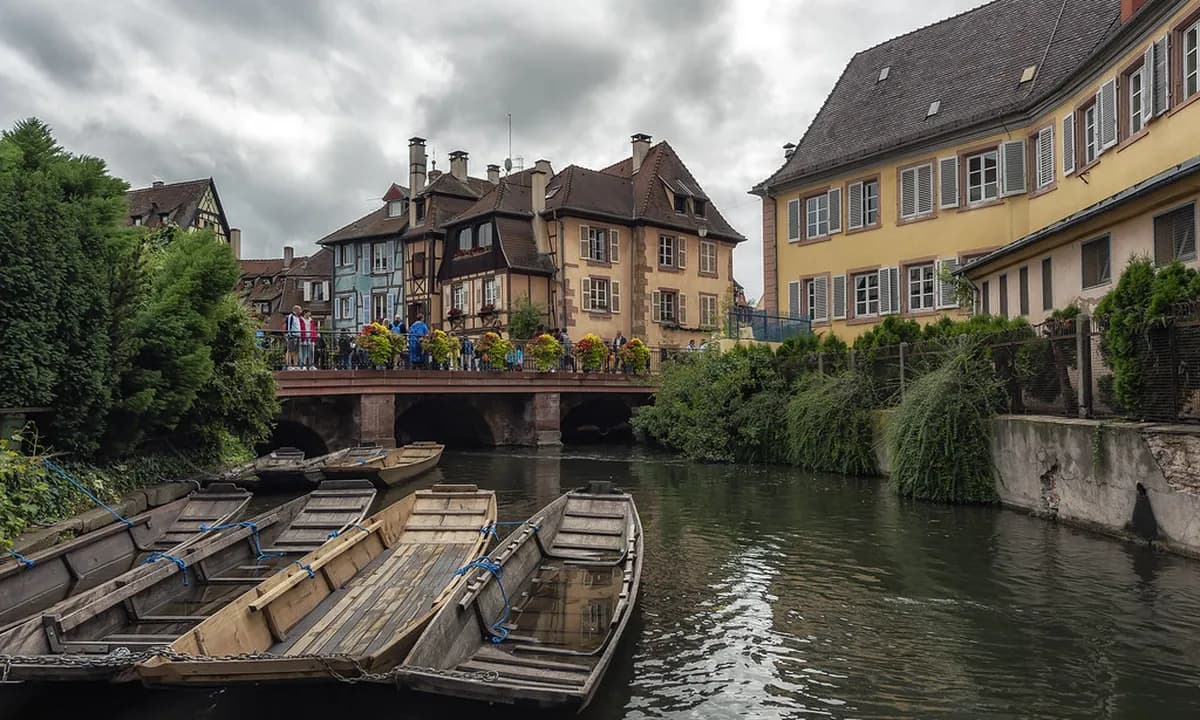
January and February serve as the quietest months for tourism in the Alsace region. Some smaller boat tours in Little Venice may pause during heavy ice. Maintenance usually occurs during these weeks to prepare for the busier spring season. Many family-run tavernas also take a well-deserved break after the hectic Christmas rush.
Expect limited opening hours at smaller museums and independent boutiques in the Old Town. It is wise to check the specific schedules for the our full Colmar guide. Larger attractions generally remain open but may close one or two days per week. Always verify your dining reservations in advance during the first two months of the year.
Our late-January visit felt peaceful but several favorite pastry shops were unfortunately closed. This period is great for avoiding crowds but requires more flexibility with your daily plans. Public transport schedules might also be slightly reduced during the deepest winter weeks. Plan for indoor activities like visiting the Unterlinden Museum if the weather turns grey.
Best Time to Visit France by Travel Interest
Travelers often plan their French itineraries around specific hobbies or cultural interests. Wine lovers should align their visit with the harvest festivals in late September or October. This is when the local vineyards are most active and many cellars offer special tastings. You can find more regional advice on Ophorus.com regarding 2026 highlights.
History buffs might prefer the quieter spring months to explore museums without the noise. The lack of long lines allows for a deeper appreciation of the local Alsatian heritage. Outdoor enthusiasts should look at June for hiking the nearby Vosges Mountain trails. Stable weather makes the high-altitude paths much safer and more enjoyable for trekking.
Foodies will find that winter is the best time for heavy, traditional Alsatian specialties. Dishes like choucroute and fondue taste much better when the air outside is freezing. Summer is better for light salads and chilled white wines in sun-drenched courtyards. Match your appetite to the season for the most delicious culinary experience possible.
Spring in France (April–June)
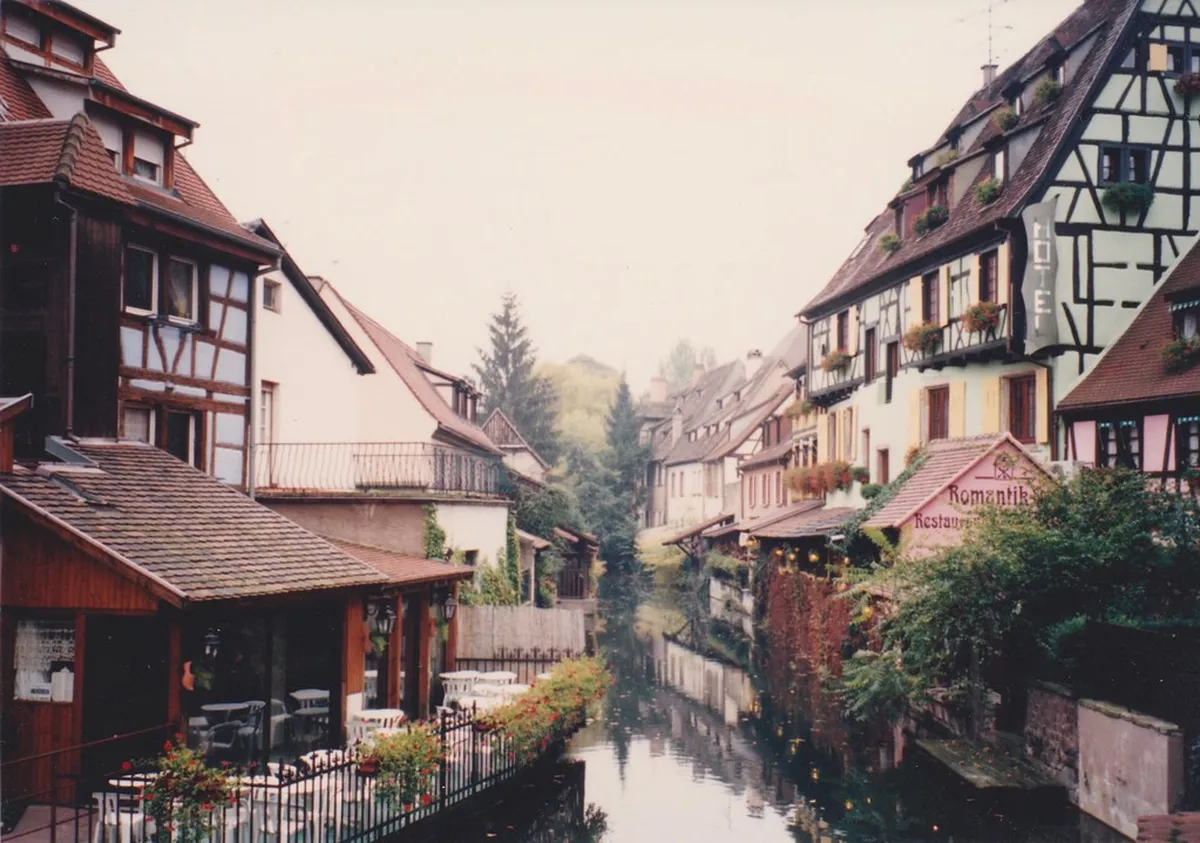
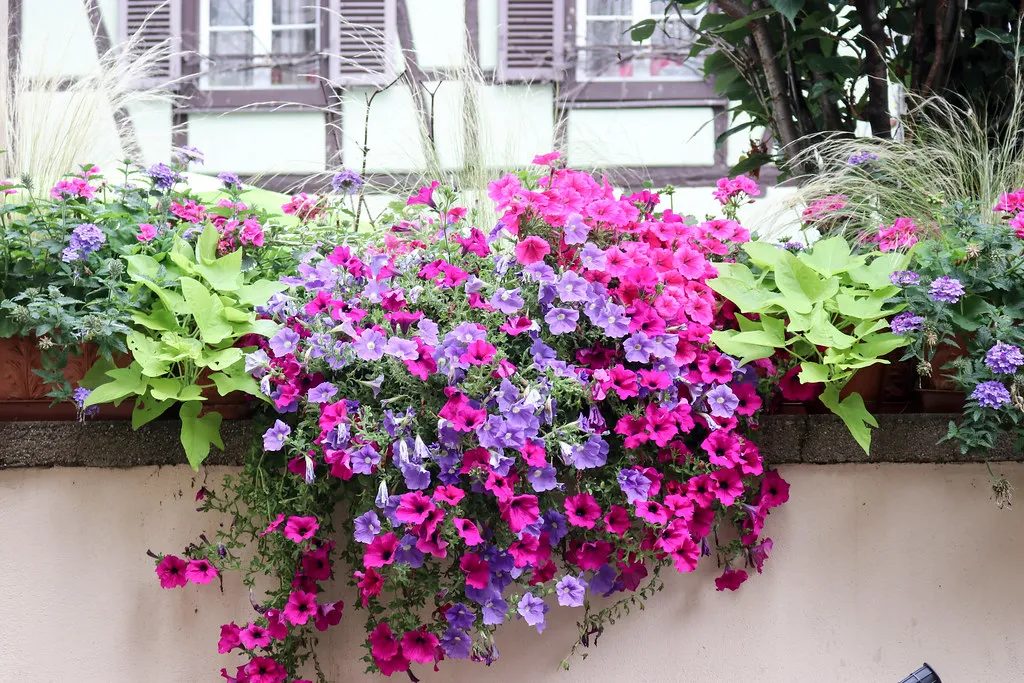
Spring brings a sense of renewal to the colorful streets of the historic center. Flowers begin to drape over the balconies of Little Venice and the Old Town. Storks return to the region in April and build large nests on church rooftops. Watching these birds is a highlight for many visitors during the early spring months.
The local Foehn effect keeps the valley surprisingly warm and dry during this time. Our late-May trip was perfect until a sudden Foehn wind warmed the valley significantly. Temperatures typically range from 12–21°C / 54–70°F, making it great for walking. You will avoid the oppressive humidity that sometimes arrives later in the summer season.
Easter markets are a charming tradition that usually takes place in late March or April. These markets are smaller than the Christmas ones but offer unique seasonal crafts. It is a fantastic time to see the town decorated with colorful eggs and rabbits. The atmosphere is festive but much more manageable than the December peak.
Fall in France (September–October)
Autumn is arguably the most picturesque time to explore the surrounding countryside. The hillsides turn into a patchwork of gold and crimson as the grapes ripen. Taking a day trip from Colmar is highly recommended during October. The cooler air makes long walks through the vineyards very comfortable and refreshing.
Daytime highs stay around 15–20°C / 59–68°F, which is ideal for sightseeing. Evening temperatures can drop quickly, so a medium-weight jacket is a packing necessity. Crowds begin to thin out as the school year starts across Europe. You will have a much easier time finding a table at popular local bistros.
Many small villages along the wine route hold their own harvest celebrations. These local fairs offer a glimpse into the deep agricultural roots of the region. You can taste fresh grape juice and new wines directly from the producers. It is a lively and authentic way to experience the local culture firsthand.
Good to know
For the best balance of mild weather and thin crowds, visit in late September or early October, when the grape harvest begins and outdoor dining is still pleasant.
December brings the famous Christmas markets but also the year's heaviest crowds and highest hotel prices.
Frequently Asked Questions
What is the best month to visit Colmar for weather?
Mid-May to mid-June is the best month for mild weather and blooming flowers. Temperatures stay between 15-21°C / 59-70°F. This window avoids the heavy rain and intense summer heat.
Is Colmar worth visiting in the winter?
Yes, Colmar is worth visiting in winter for its famous Christmas markets. The town looks magical with festive lights and decorations. Just be sure to book your hotel months in advance.
When is the cheapest time to fly to Colmar?
January and February are usually the cheapest months for travel to Alsace. Tourist demand is low after the holiday season ends. You can find great deals on accommodation during this time.
Choosing the best time to visit Colmar 2026 depends on your personal travel goals. Whether you want spring flowers or winter markets, this town offers a unique charm. We recommend booking your stay in Colmar early for peak seasons. Advanced planning ensures you get the best rates and your choice of top hotels.
Remember that the shoulder seasons of May and September provide the most comfort. These months allow you to enjoy the scenery without the stress of massive crowds. Check the Christmas market guide if you plan a winter trip. Enjoy your journey to one of the most beautiful corners of France in 2026.
You might also like


Continue reading
More guides you'll find useful