Montpellier Cathedral and Saint-Pierre Guide: History & Tips
Discover the Cathédrale Saint-Pierre de Montpellier. Our guide covers its unique fortress architecture, the Great Organ, history, and essential visitor tips.
On this page
Montpellier Cathedral and Saint-Pierre Guide
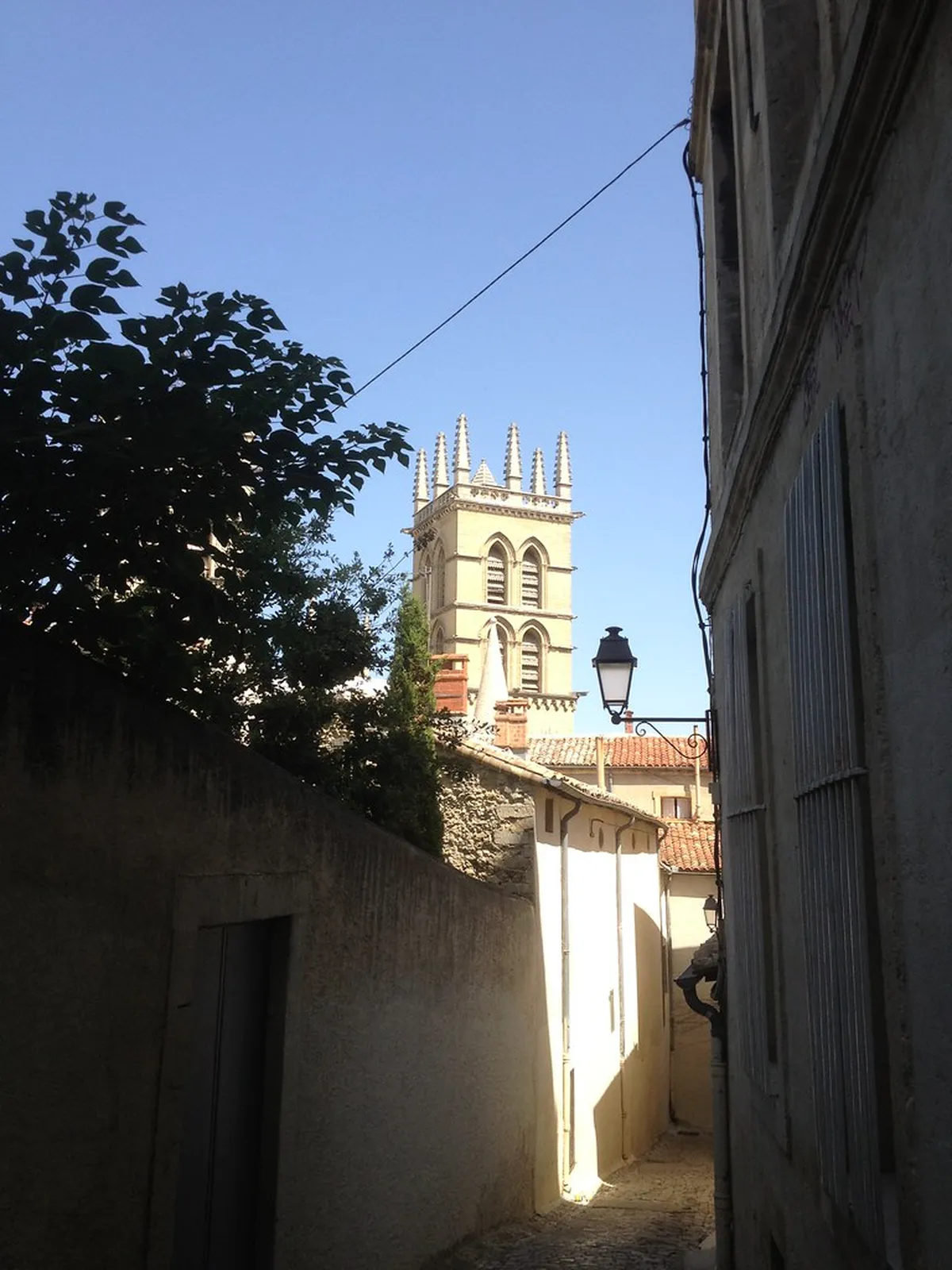
The Cathédrale Saint-Pierre stands as a massive stone sentinel in the heart of the historic Écusson district.
Its unique design resembles a medieval fortress more than a traditional house of worship for local residents.
This comprehensive our in-depth Montpellier guide explores the fascinating history and architectural secrets of this Southern Gothic masterpiece.
Visitors often find themselves captivated by the two giant pillars that guard the entrance like ancient stone soldiers.
The History of Cathédrale Saint-Pierre: From Monastery to Cathedral
The origins of this grand structure date back to 1364 when Pope Urban V founded a Benedictine monastery.
Originally known as the Monastery of Saint-Benoît, it served as a center for religious study and quiet devotion.
The church only gained its status as a cathedral in 1536 when the see moved from nearby Maguelone.
This transformation turned the site into the primary religious seat for the entire Languedoc-Roussillon region.
- Key historical milestones for the Saint-Pierre site
- Founded: 1364 by Pope Urban V
- Cathedral status: granted 1536
- Style: Southern Gothic architecture
- Architect: unknown medieval masters
Architectural Marvels: The Unique Fortress-Cathedral Design
The canopy porch remains the only surviving part of the original 14th-century monastery structure today.
Its vaulting demonstrates incredible engineering skills that have withstood centuries of weather and local conflict.
Most travelers spend several minutes admiring the sheer scale of the stone work before entering the nave.
This architectural choice reflects the turbulent nature of medieval life in Southern France during that era.
Interior Highlights: The Great Organ and Celestial Vaults
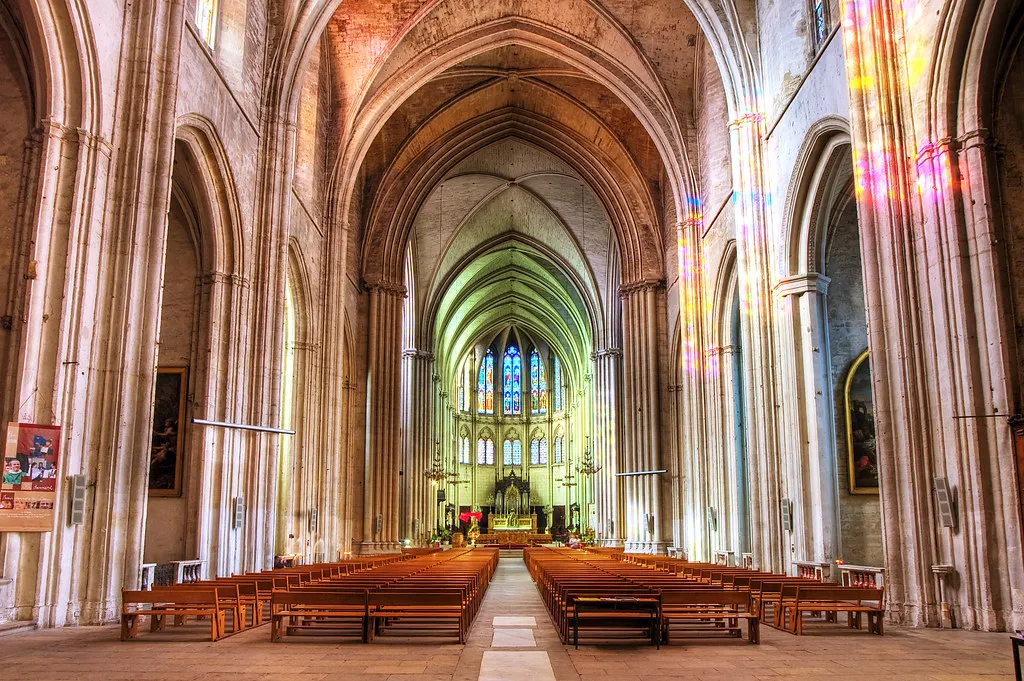
Stepping inside reveals a stark contrast between the rugged exterior and the refined artistic details within.
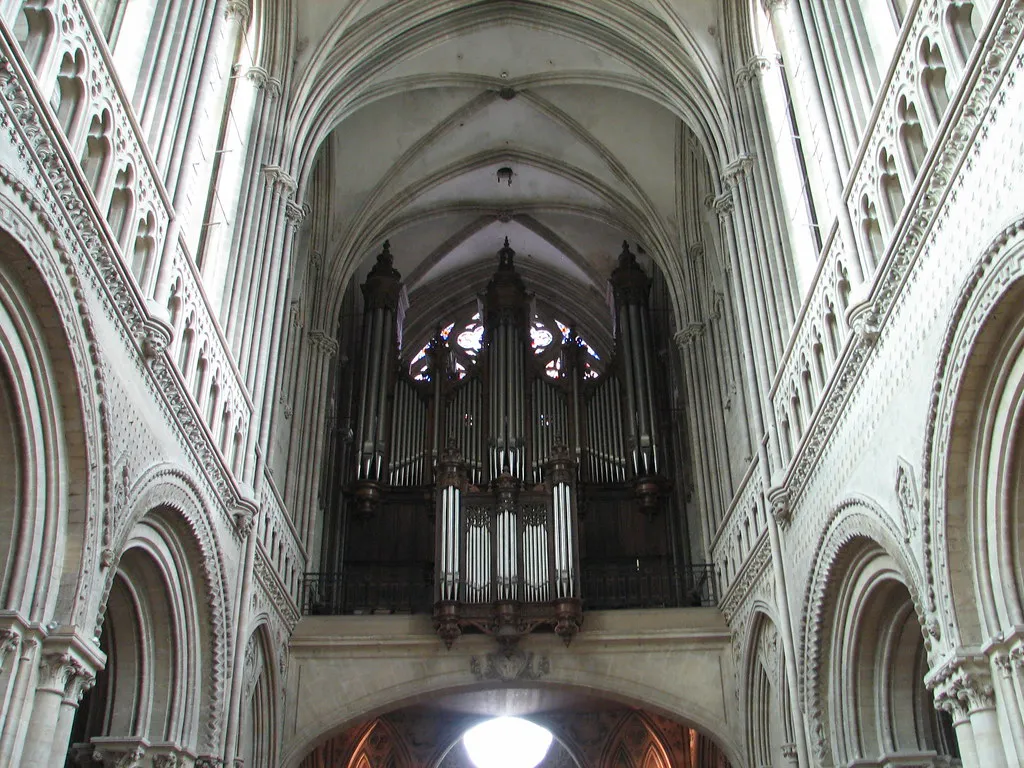
The Great Organ, built by Jean-François Lépine in 1778, is a centerpiece of the cathedral's musical heritage.
It features an elaborate wooden case decorated with golden angels and intricate carvings from the 18th century.
This instrument is still used for regular concerts and liturgical services throughout the calendar year.
- Notable interior features to observe during your visit
- Ceiling: blue with yellow stars
- Organ: 1778 Lépine masterpiece
- Gargoyles: 17th-century stone carvings
- Nave: wide Romanesque proportions
The Wars of Religion: Surviving the Siege of 1561
The cathedral suffered immense damage during the Wars of Religion that swept through France in the 1500s.
In 1561, Protestant iconoclasts attacked the building, leading to the collapse of the main nave and towers.
The fortress-like porch survived the destruction because its massive pillars were too difficult to pull down easily.
Reconstruction efforts in the 17th and 19th centuries eventually restored the cathedral to its current impressive state.
Essential Visitor Information: Hours, Location, and Entry
The site is conveniently located near several public transport stops and major walking paths through town.
Most visitors spend about forty-five minutes to an hour exploring the interior and the external porch.
If you are concerned about safety, rest assured that the area is well-patrolled and generally very welcoming.
Consult our guide on is Montpellier safe for more advice on navigating the historic center.
- Practical details for planning your cathedral visit
- Address: 1 rue Saint-Pierre
- Entry cost: free of charge
- Opening time: 9:30 AM daily
- Closing time: 6:30 PM daily
Exploring the Surroundings: The Faculty of Medicine and Écusson Quarter
The cathedral is physically attached to the Faculty of Medicine, which is the oldest in the Western world.
This historic connection highlights the long-standing link between religious institutions and higher education in the city.
After your visit, you can wander through the narrow, winding streets of the Montpellier old town area nearby.
The nearby Jardin des Plantes offers a peaceful green space to relax after touring the stone monuments.
Good to know
Entry to the cathedral is free, but it closes for lunch and during services — aim for a late-morning or mid-afternoon visit and check the diocese schedule before you go.
The adjoining Faculty of Medicine, France's oldest still in operation, sits right beside the cathedral; pair the two in a single short walk through the Écusson's northern edge.
See the Cathédrale Saint-Pierre attraction page for visiting hours at a glance.
Frequently Asked Questions
Is entry to Montpellier Cathedral free?
Yes, entry to the Cathédrale Saint-Pierre is free for all visitors throughout the year. This makes it one of the top what to see and do in Montpellier for those on a budget. You can explore the nave and the porch without any admission fees.
What is the "Fortress-Cathedral" style of Saint-Pierre?
The style refers to the defensive architectural elements like thick walls and massive cylindrical pillars. These features were designed to protect the building during the medieval era. It looks like a fort to provide security during times of religious conflict and war.
How long does it take to visit Montpellier Cathedral?
Most travelers find that forty-five minutes is enough time to see the main interior and the exterior porch. If you enjoy history, you might spend longer reading the plaques and admiring the Great Organ. It is a perfect stop during a morning walk.
Can you visit the Faculty of Medicine next to the Cathedral?
The Faculty of Medicine is located right next to the cathedral in a former monastery building. While the faculty is an active school, guided tours are often available through the local tourism office. You can see the historic anatomy theater on these tours.
The Cathédrale Saint-Pierre remains a powerful symbol of the resilience and history of the city of Montpellier.
Its unique fortress design and artistic treasures offer a deep look into the medieval past of Southern France.
Whether you are interested in history or architecture, this site provides a memorable experience for every traveler.
Make sure to include this landmark on your itinerary when you explore the beautiful streets of the Languedoc region.
You might also like



Continue reading
More guides you'll find useful