8 Best Montpellier Wine Tours and Vineyard Experiences (2026)
Discover the best Montpellier wine tours, from Pic Saint Loup to organic Languedoc estates. Includes booking tips, transport advice, and top winery picks.
On this page
8 Best Montpellier Wine Tours and Vineyard Experiences
The scent of wild rosemary and thyme fills the air as you walk through sun-drenched rows of Syrah vines north of the city. Montpellier sits at the centre of one of France's most dynamic wine landscapes, with a dozen distinct appellations within an hour's drive. Is Montpellier worth visiting for wine lovers alone? The short answer is yes — but the variety on offer deserves a proper breakdown before you start booking.
The Languedoc has transformed over the past two decades. A new generation of vignerons is farming organically, pulling yields down, and staking their reputation on terroir-specific blends that now challenge the best bottles from Bordeaux and Burgundy. Understanding which appellation suits your palate — mountain limestone or coastal sandstone — will determine whether you book a Pic Saint Loup excursion, head to the Terrasses du Larzac, or stay closer to the city at a Grés de Montpellier estate.
This guide covers the top wineries and tour formats near Montpellier in 2026. Each listing includes practical logistics: costs, transport, and what is actually poured at the tasting table. Whether you have half a day or a full weekend, there is a format that works.
Best Wineries and Estates Near Montpellier
The city has an unusual density of bookable wineries within a 45-minute radius, ranging from free drop-in tastings to guided cellar tours with a full Languedoc lunch. Prices at most estates run €10–€20 per adult for a standard tasting of four to seven wines. Many waive the tasting fee entirely if you purchase a minimum of two bottles. Use Rue des Vignerons for real-time availability and instant confirmation at the estates below.
Most Montpellier wine estates waive tasting fees if you purchase a minimum of two bottles, significantly reducing your visit costs. Book in advance during peak season (May–June and September harvest) to secure a spot, especially for estates like Mas de Daumas Gassac that require weeks of notice.
- Château de Lascaux, Vacquières — a 14-generation family estate at the heart of the Pic Saint Loup AOC. Standard tastings are free with purchase; paid sessions start at €15. The barrel room tour shows how their top Syrah ages in small oak. Drive 30 minutes north of the city.
- Mas du Novi, Montagnac — a former branch of the Abbey of Valmagne, producing structured reds on exceptional Languedoc terroir. Tastings from €20 include views over the Mediterranean scrubland. Allow 90 minutes for the full grounds tour.
- Château de l'Engarran, Lavérune — an 18th-century residence with formal gardens and elegant Grés de Montpellier whites and rosés. Guided cellar tours cost around €12 and run daily until 19:00. You can reach it in 20 minutes by car or by bike from the city's western edge.
- Mas de Daumas Gassac, Aniane — often called the Grand Cru of the Languedoc, this estate produces age-worthy reds that trade internationally at premium prices. Private tastings cost €20–€45 and need several weeks' advance booking. The 40-minute drive through the Hérault river valley is scenic on its own.
- Château de Flaugergues, Montpellier — an urban winery within the city limits. Tastings of estate-grown wines cost around €10 and the formal Italian gardens are open until 18:00. Take tram line 1 to Odysseum, then walk ten minutes east.
- Abbaye de Valmagne, Villeveyrac — taste Languedoc reds inside a 13th-century Gothic nave where giant oak barrels line the original choir stalls. Entry and a basic tasting cost approximately €12. Allow at least two hours for the cloister and gardens.
- Domaine Royal de Jarras, Aigues-Mortes — a coastal estate producing unique sand wines in the Camargue wetlands. Guided tours by small train cost €15–€25 and run during the summer months. The 45-minute drive offers views of pink flamingos and wild white horses.
- Domaine de l'Oulivie, Combaillaux — combines a traditional vineyard with an organic olive oil mill. Tasting flights of wine and olive oil run €8–€15 per adult. Located 15 minutes west of the city, it is one of the easiest half-day options for families.
Pic Saint Loup: The Region's Flagship AOC
Pic Saint Loup is the most prestigious appellation in the area and the default choice for a first wine tour from Montpellier. The AOC takes its name from the dramatic 658-metre limestone peak that dominates the horizon 25 kilometres north of the city. Cool night temperatures drop the vines' ripening curve, producing Syrah and Grenache grapes with higher natural acidity and more floral aromatic complexity than warmer coastal zones.
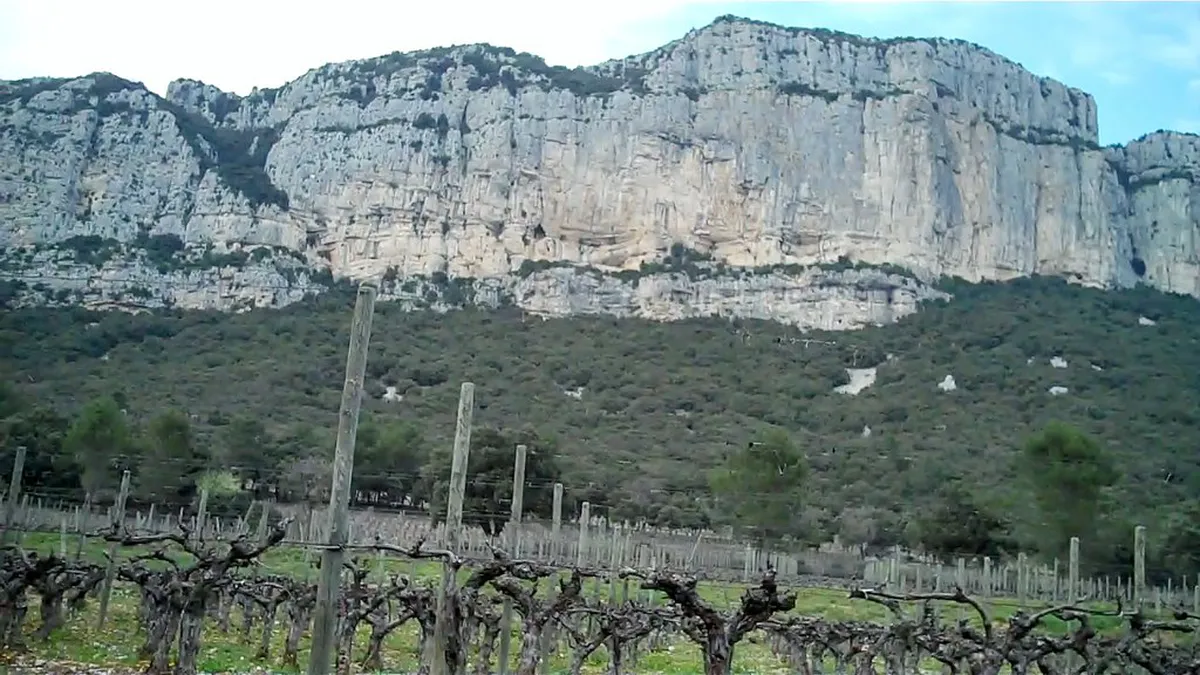
Estates like Château de Lascaux, Domaine Haut-Lirou (Le Triadou, tastings from €7), and Mas Bruguière in Valflaunès anchor the appellation's reputation for serious, age-worthy reds. The soils are predominantly limestone and clay, which push the vines to dig deep. Many producers here farm organically or biodynamically, partly because the garrigue scrubland surrounding the vines provides a natural buffer against disease pressure.
For a guided Pic Saint Loup experience, the Winedering tour departing from 17 Boulevard Sarrail (in front of Brasserie Boris) is the most-reviewed option in 2026. It includes van transport, a visit to a winery in a medieval village, a tasting of seven distinct wines, and a homemade three-course meal prepared at the guide's family home. Free cancellation up to one day prior. This format suits first-time visitors who want the complete sensory package — vineyard walk, cellar explanation, and a table in a real Languedoc kitchen — without any driving.
Terrasses du Larzac: The Connoisseur's Alternative
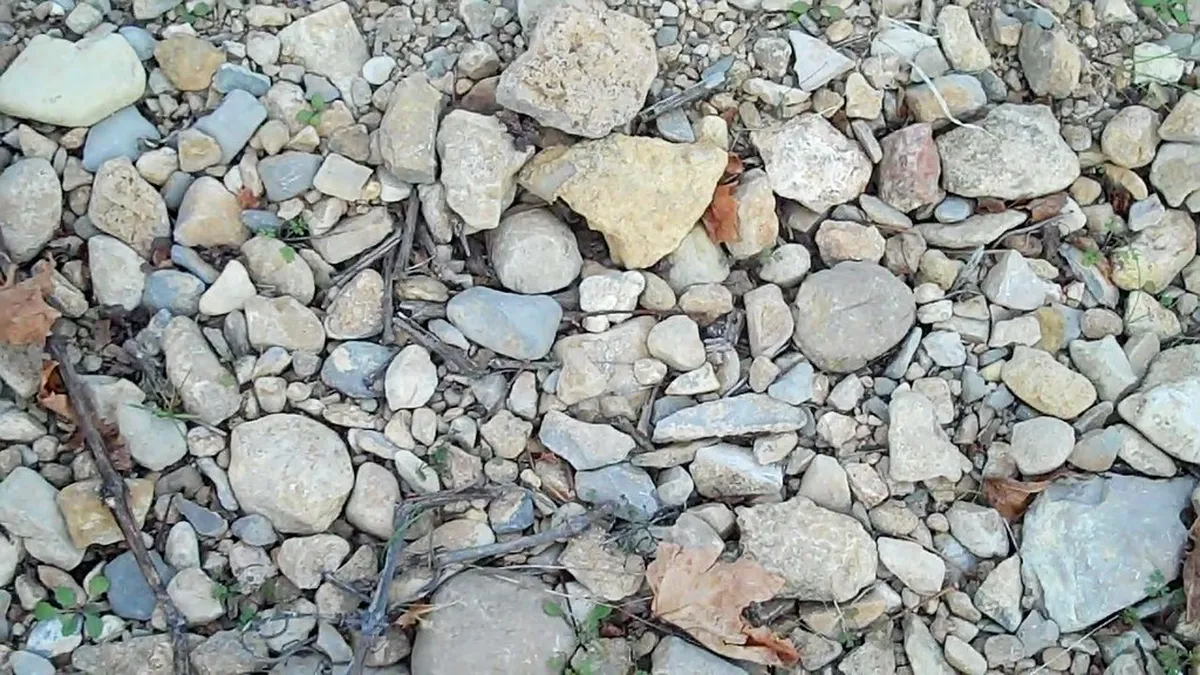
Most tours from Montpellier stop at Pic Saint Loup and call it done. But wine enthusiasts willing to drive an extra 20 minutes north should consider the Terrasses du Larzac AOC, a younger appellation (created in 2014) carved from the foothills of the Larzac plateau at 300–500 metres elevation. The soils here are primarily schist and basalt — volcanic in origin — giving the wines a mineral, almost saline edge that Pic Saint Loup rarely achieves.
Carignan, Syrah, Grenache, and Mourvèdre are the dominant varieties, often blended with a discipline that mirrors the rugged terrain. The estates are smaller and less visited than their Pic Saint Loup neighbours, which means you frequently taste with the winemaker rather than a sales assistant. Producers like Mas Cal Demoura in Jonquières and Domaine de l'Aupilhac in Montpeyroux have earned international press coverage but still operate with small-domaine hospitality.
If you are self-driving, the D9 from Gignac into the Hérault gorges gives you access to both the Terrasses du Larzac estates and the village of Saint-Guilhem-le-Désert — a medieval UNESCO-listed stop that fits naturally into a wine day. No single commercial tour currently covers Terrasses du Larzac from Montpellier, which is exactly why it remains off the radar for most visitors and is worth building into a private or self-drive itinerary.
Exploring the Languedoc Wine Regions: Terroir at a Glance
Knowing which appellation matches your palate before you arrive avoids the common mistake of booking a tour that pours the wrong style. The Languedoc is France's largest wine region by volume and covers a huge variety of soil types and micro-climates. Many of these estates are also featured in 10 Best Day Trips From Montpellier: The 2026 Travel Guide guides because the scenery is as compelling as the wine.
| AOC Region | Distance from Montpellier | Soil Type | Wine Style | Best For |
|---|---|---|---|---|
| Pic Saint Loup | 25 km north | Limestone & clay | Bold Syrah-led reds with floral notes & firm tannins | First-time visitors; benchmark regional quality |
| Grés de Montpellier | 20 km west | Sandstone | Fuller, riper reds & supple rosés | Warmer Mediterranean palates; Château de l'Engarran |
| Terrasses du Larzac | 45 km north | Schist & basalt | Mineral, structured, age-worthy blends | Connoisseurs seeking mineral edge & UNESCO village stops |
- Picpoul de Pinet (AOC) — salty air near the Thau lagoon, 20 km south-east. Crisp, high-acid white wine made exclusively from the Picpoul grape. The default oyster companion on the coast.
- Camargue (IGP) — unique sand wines from phylloxera-free coastal soils. Lighter, fresh reds and rosés with a maritime character. Best experienced at Domaine Royal de Jarras.
The grape varieties to know are Syrah (structure, pepper, dark fruit), Grenache (roundness, red fruit, warmth), Mourvèdre (savouriness, leather, longevity), and Carignan (high acidity, spice — often the secret ingredient in the best blends). For whites, Picpoul and Roussanne are the standouts. This cheat sheet helps when you are standing at a tasting table and the winemaker starts describing the blend.
Wine Tasting Workshops and Urban Oenology in Montpellier
You do not need to leave the city to taste serious Languedoc wine. Montpellier has a growing scene of urban wine bars and formal tasting workshops concentrated in the Écusson district. These are practical for evenings after a day of sightseeing, or for visitors with limited time who cannot commit to a full half-day tour.
Formal workshops typically cover seven wines across three to four AOCs, guided by a certified oenologue who explains regional typicity, serving temperatures, and food pairing logic. Session prices run €25–€50 per person and last 90 minutes to two hours. Some operators offer blind-tasting formats where you identify grape varieties before the reveal — entertaining for mixed-experience groups. Booking 48 hours in advance is generally sufficient outside peak summer months.
For self-guided urban exploration, the Cavistes (independent wine merchants) in the narrow streets around Place de la Canourgue often host informal Friday and Saturday evening tastings with the producers themselves. These cost €5–€15 and provide access to small-production bottles that do not appear on restaurant wine lists. After your tasting, the best restaurants in Montpellier nearby can pair the bottles you liked with proper local cuisine.
How to Choose: Guided Tours vs. Self-Drive Visits
French drink-driving laws are strict — the legal blood alcohol limit is 0.5 g/L — and the country roads around Pic Saint Loup are narrow and unlit after dark. For groups of two or more who all want to taste fully, a guided van tour removes the logistics entirely. Most depart from Place de la Comédie or the main train station between 09:30 and 10:00, return by 17:00–18:00, and cost €60–€90 per person including transport and all tasting fees. Check our Getting Around Montpellier Travel Guide for easy ways to reach tour meeting points.
The Winedering tour departing from 17 Boulevard Sarrail (in front of Brasserie Boris) is Montpellier's most-reviewed option in 2026, offering van transport, a visit to a medieval village winery, seven wines, and a homemade three-course Languedoc meal prepared at the guide's family home. Free cancellation up to one day prior makes it ideal for first-time visitors seeking the complete sensory experience without driving.
Self-driving suits visitors who want to combine wineries with beach stops or village exploration, or who want to reach smaller appellations like Terrasses du Larzac that guided tours do not cover. Parking is free at virtually every estate. Most family domaines require a prior appointment — email or phone the day before at minimum. If one person in your group is happy to stay sober, self-driving a loop from Montpellier to Pic Saint Loup (30 min), on to Mas de Daumas Gassac in Aniane (15 min further), and back via the D32 takes around five hours with two proper tasting stops.
A third option worth considering is the heritage half-day tour format focused on the Châteaux of Montpellier — Flaugergues and Engarran — which requires no long drive and is bookable through Winedering. This suits travellers on a tighter schedule or those who prefer the architectural context of an 18th-century estate over a rugged mountain domaine.
Essential Tips for Planning Your Wine Excursion
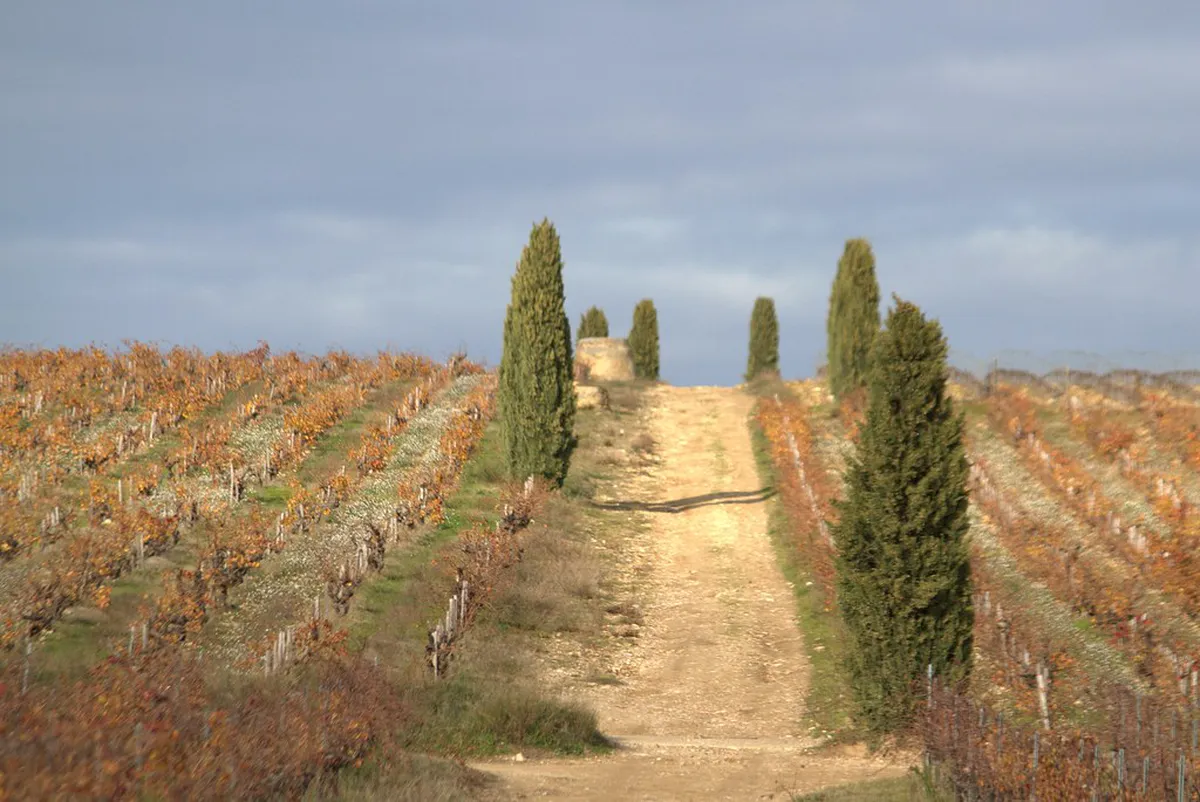
Timing matters considerably. September is harvest month (vendanges) and the most atmospheric time to visit — you may see picking teams in the vineyard and taste juice at various stages of fermentation. May and June offer cooler temperatures and green vines before the summer heat sets the fruit. Avoid August for smaller estates: many close for two weeks or operate reduced hours due to the extreme heat. Winter visits (December–February) are quieter and often more personal, but confirm in advance as opening hours shrink significantly.
Marseillan, 30 minutes south-east of Montpellier on the Thau lagoon, is an underused add-on for wine day trips. The Noilly Prat vermouth cellar there offers a fascinating tour of how locally-grown Picpoul and Clairette grapes are oxidised in outdoor barrels before blending. The contrast between Languedoc's red wine identity and this vermouth tradition makes for an unusually varied day out. Tours run daily at 10:30, 14:30, and 16:30; entry costs €8.
Wear flat, closed-toe shoes — cellar floors are damp and estate paths are often gravel or bare earth. Bring a light layer even in summer because underground aging rooms hold a constant 12–14°C. A small notebook is more useful than you might expect: writing down the estate name and vintage of bottles you enjoy saves the guesswork when you find them later at a Caviste or airport duty-free.
Frequently Asked Questions
Which Montpellier wine tours are best for first-time visitors?
First-time visitors should choose a Pic Saint Loup half-day tour. These excursions offer a perfect mix of dramatic scenery and accessible red wines. Most tours depart from the city center and include visits to two distinct estates.
How do I get to Pic Saint Loup from Montpellier without a car?
The easiest way is to book a guided van tour from the Place de la Comédie. Public buses are available but they do not stop directly at the vineyard gates. A taxi or rideshare is possible but can be quite expensive for the thirty-minute journey.
What is the best time of year for a wine tour in Southern France?
May, June, and September offer the best weather and vineyard activity. September is particularly vibrant due to the annual grape harvest. Avoid August if you dislike heavy crowds and very high temperatures in the fields.
Montpellier is a world-class base for anyone interested in the art and science of winemaking. From the limestone peaks of Pic Saint Loup to the schist soils of the Terrasses du Larzac and the Gothic nave of Valmagne, the variety across these appellations is genuinely hard to match elsewhere in France. Planning your transport early and matching your chosen estate to your wine style preferences will make the difference between a good afternoon and an exceptional one.
If you have more time in the region, consider following a Montpellier 3-day itinerary to combine wine with the city's remarkable architectural heritage and food scene. The vignerons here are proud of what they have built over the last two decades — a glass of Terrasses du Larzac or a properly cellared Pic Saint Loup is the best way to understand why.
You might also like


Continue reading
More guides you'll find useful