10 Best Day Trips From Montpellier: The 2026 Travel Guide
Explore the 10 best day trips from Montpellier, from Roman ruins to Sète's canals. Includes car-free logistics, €1 train tips, and local weather advice.
On this page
10 Best Day Trips From Montpellier (2026)
After exploring the Languedoc region for years, I still find Montpellier the perfect base for southern French adventures. The city sits at a strategic crossroads between the rugged Cévennes mountains and the sparkling Mediterranean coast. This guide highlights my favorite escapes, ranging from ancient Roman arenas to hidden medieval villages tucked into river gorges.
This list was last refreshed in June 2026 to reflect the newest transport schedules and 2026 pricing updates. One major benefit of this region is the incredible SNCF Connect / liO Occitanie train network. Savvy travelers can often find tickets for as little as €1 when booking a few weeks in advance. Before you set out, consult our the complete guide to Montpellier to ensure your home base logistics are settled.
Choosing the right destination depends heavily on your preferred mode of transport and your interest in history or nature. While many sites are accessible by rail, some of the most dramatic landscapes require a car or a regional bus. I have included a transport difficulty score for each entry to help you plan a stress-free itinerary.
10 Best Day Trips from Montpellier (2026)
The following destinations represent the most diverse and rewarding excursions within two hours of the city center. I have selected a mix of iconic UNESCO sites, coastal retreats, and rugged hiking spots to suit every traveler. Each entry includes a difficulty score where 1 is very easy by train and 5 requires a private vehicle.
| Destination | Travel time | Car-free? | Known for |
|---|---|---|---|
| Nîmes | ~30 min by train | Yes | Roman arena, Maison Carrée |
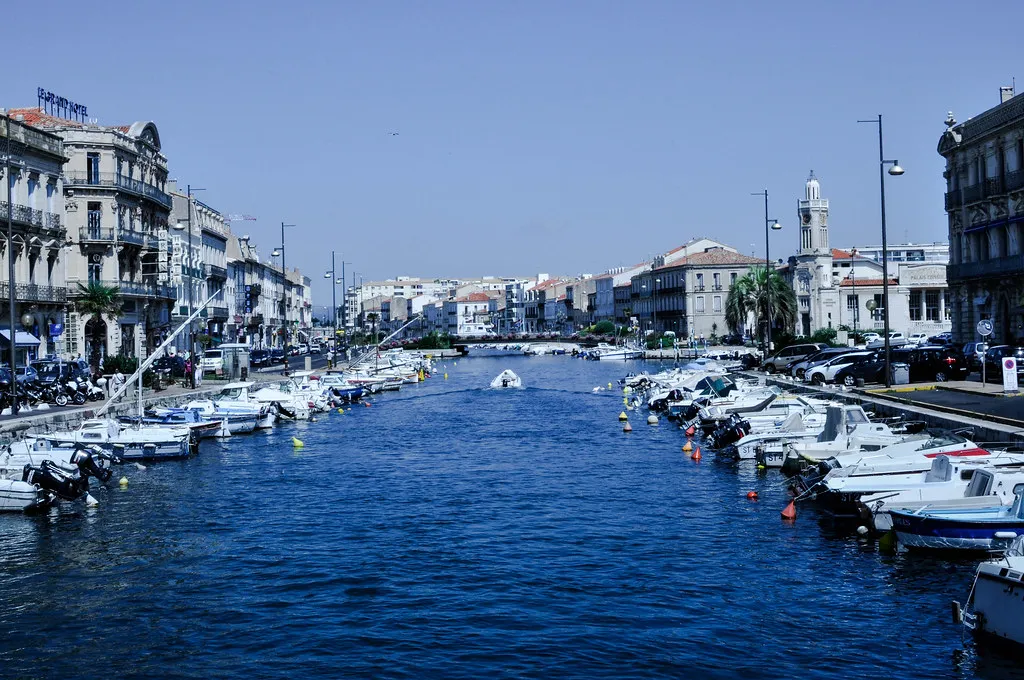
| Sète | ~20 min by train | Yes | Canals, beaches, seafood |
| Arles | ~1 hr by train | Yes | Roman ruins, Van Gogh sites |
| Aigues-Mortes | ~45 min | Train + walk | Medieval ramparts, salt flats |
| Pont du Gard | ~50 min | Car / tour | Roman aqueduct (UNESCO) |
| Saint-Guilhem-le-Désert | ~50 min | Car / tour | Hilltop medieval village |
Most of these locations can be visited year-round, though spring and autumn offer the most pleasant walking weather. Summer brings heat and crowds, particularly to the coastal towns and the famous Roman monuments. Check the local market days before you go, as they transform quiet village squares into vibrant sensory experiences.
Pricing for these trips typically ranges from a few euros for a bus ticket to around €50 for a full day of museum entries and dining. Booking museum slots in advance is highly recommended for the most popular sites like the Pont du Gard. Always carry a reusable water bottle, as the southern sun can be intense even during the shoulder seasons.
- The Roman Arena and Historic Center of Nîmes
- Nîmes features one of the best-preserved Roman amphitheaters in the world and a stunning ancient temple called the Maison Carrée.
- The city is a quick 25-minute train ride from Saint-Roch, with tickets ranging from €1 to €15 per person.
- The Arena is open daily from 9:00 am to 6:00 pm, and the transport difficulty score is a very easy 1.
- The Van Gogh Trail and Roman Sites of Arles
- Arles combines impressive Roman ruins with the colorful legacy of Vincent van Gogh, who painted many masterpieces here.
- Expect a 50-minute train journey and a typical entry fee of €9 to €15 for the major monuments.
- Most sites open at 9:00 am, and the difficulty score is 2 because the walk from the station is slightly longer.
- The Canals and Seafood Markets of Sète
- Known as the Venice of Languedoc, Sète is famous for its crisscrossing canals and the delicious Tielle octopus pie.
- Trains run every 20 minutes and take only 15 to 20 minutes to reach this vibrant fishing port.
- The city is free to explore, though museum entries cost €5 to €10, and the transport difficulty score is 1.
- The Medieval Abbey of Saint-Guilhem-le-Désert
- This stunning stone village is a stop on the Camino de Santiago and sits nestled within the dramatic Hérault Gorges.
- You can take the Hérault Transport Bus 661 for just €2, though the journey takes about 45 to 60 minutes.
- The abbey is open daily from 10:00 am to 5:00 pm, earning a difficulty score of 4 due to limited bus frequency.
- The Pink Salt Flats and Fortress of Aigues-Mortes
- Aigues-Mortes is a perfectly preserved medieval walled city surrounded by unique pink-hued salt evaporation ponds.
- Visitors can reach the town via a 50-minute train or bus ride, with wall access costing around €8 per adult.
- The towers are open from 10:00 am to 5:30 pm, and the difficulty score is 3 because transport can be sparse.
- The UNESCO Pont du Gard Roman Aqueduct
- This massive three-tiered bridge is an engineering marvel that once carried water to the ancient city of Nîmes.
- Take Bus 121 from Nîmes or a direct shuttle, with site entry typically costing €9 to €12 per person.
- The park remains open from 9:00 am until 8:00 pm in summer, with a difficulty score of 4 for non-drivers.
- The Massive Natural Crater of Cirque de Navacelles
- This geological wonder is a giant limestone amphitheater carved by an ancient river, offering breathtaking views from the rim.
- Reaching this remote site requires a car and a 75-minute drive through winding mountain roads from Montpellier.
- Access to the viewpoints is free and available 24/7, but the difficulty score is a maximum 5 for public transport users.
- Hiking the Panoramic Summit of Pic Saint-Loup
- The Pic Saint-Loup is the most iconic mountain in the region, providing 360-degree views of the vineyards and the sea.
- Hiking is free, but you will need a car or a rare regional bus to reach the trailhead at Cazevieille.
- The trail is always open, though it is best at sunrise, and the transport difficulty score is 4.
- Wildlife and Flamingos in the Camargue Nature Reserve
- The Camargue is a wild wetland area famous for its white horses, black bulls, and thousands of pink flamingos.
- Most travelers head to Saintes-Maries-de-la-Mer via a combination of train and bus or a 60-minute car drive.
- Nature trails are free, while bird parks cost €7 to €10, resulting in a transport difficulty score of 4.
- The Roman Ruins and Canal du Midi in Narbonne
- Narbonne offers a mix of underground Roman warehouses and the beautiful Canal du Midi passing through the city center.
- Direct trains from Montpellier take roughly 60 minutes and cost between €1 and €20 depending on booking time.
- Museums are generally open from 10:00 am to 6:00 pm, and the transport difficulty score is a very manageable 1.
Essential Historical Day Trips: Nîmes and Arles
History enthusiasts should prioritize Nîmes and Arles for their incredible Roman architecture. Nîmes is home to the Arena, which still hosts concerts and events today, maintaining its ancient purpose. Walking through the old town of Montpellier provides a good warm-up for these even older Roman streets.
Arles offers a different atmosphere with its deep ties to the post-impressionist movement. You can visit the hospital where Van Gogh was treated or see the cafe that inspired his famous night paintings. The Roman theater and amphitheater here are also recognized by the UNESCO World Heritage Centre for their cultural value.
Both cities are extremely easy to visit via the regional train network departing from the central station. I recommend visiting Nîmes on a weekday to avoid the heaviest crowds at the Maison Carrée temple. Arles is best on a Saturday when the large local market takes over the main boulevards.
Coastal Escapes: Sète and Mediterranean Beaches
Sète is the most authentic coastal destination near Montpellier, offering a working fishing port and excellent dining. The climb up Mont Saint-Clair provides a panoramic view of the Thau lagoon and the Mediterranean Sea. If you prefer sandy shores, our our guide to the Montpellier coast lists the best spots for sunbathing.
What to skip: Many guides suggest Palavas-les-Flots because it is the closest beach to the city. While it is accessible by tram and bike, it often feels overly commercial and lacks the historic charm of Sète. I find that spending the extra 10 minutes on a train to Sète yields a far more memorable and tasty experience.
Best Weather Tip: Always check the wind forecast before heading to the coast. The Mistral wind can be incredibly strong, making it difficult to stand on the beach even on a sunny day. If the wind is high, head inland to a protected valley like Saint-Guilhem-le-Désert instead.
Medieval Wonders: Saint-Guilhem-le-Désert and Aigues-Mortes
Saint-Guilhem-le-Désert is consistently voted one of the most beautiful villages in France. The Gellone Abbey holds a piece of the True Cross and features a peaceful cloister that is perfect for quiet reflection. You should try to arrive before 10:00 am to enjoy the narrow stone alleys before the tour buses arrive.
Aigues-Mortes offers a starkly different medieval experience with its flat landscape and massive defensive walls. The town was the primary port for the Crusades and remains perfectly enclosed within its 13th-century ramparts. Walking the full circuit of the walls takes about an hour and offers the best views of the salt flats.
Both locations are reachable via the Hérault Transport bus network for a very low cost. The bus to Saint-Guilhem leaves from the Mosson tram station, which is on the western edge of Montpellier. Aigues-Mortes is better served by a small regional train that departs from the Saint-Roch station.
Natural Landmarks: Pont du Gard and Cirque de Navacelles
The Pont du Gard is a must-see for anyone interested in ancient engineering and beautiful river scenery. You can swim in the Gardon River right beneath the arches of the aqueduct during the summer months. It is one of the most photographed sites in France, so bring a fully charged camera for the viewpoints.
Cirque de Navacelles is a more rugged and wild experience located in the heart of the Causses and Cévennes. The drive from Montpellier takes you through dramatic limestone plateaus that feel worlds away from the city. There is a small hamlet at the bottom of the crater where you can find a local restaurant and a waterfall.
Visiting these sites requires careful planning if you do not have a rental car. The Pont du Gard is manageable via a bus from Nîmes, but Navacelles is nearly impossible without your own wheels. Consider booking a guided tour if you want to see these natural wonders without the stress of driving.
Outdoor Adventures: Pic Saint-Loup and the Camargue
Hiking the Pic Saint-Loup is a local rite of passage for many residents of Montpellier. The trail is rocky but well-marked, taking about two to three hours for a round trip to the chapel at the top. On clear days, you can see all the way to the Pyrenees mountains and the Mediterranean coast.
The Camargue offers a flatter but equally rewarding adventure through its vast salt marshes and lagoons. Renting a bike in Saintes-Maries-de-la-Mer is the best way to see the flamingos and wild horses. The flamingos are most active at dawn, so an early start is essential for the best wildlife sightings.
These outdoor trips are best enjoyed in the spring when the wildflowers are in bloom and the temperatures are mild. Always bring plenty of water and sun protection, as there is very little shade on the mountain or in the marshes. Check the local fire risk ratings during the peak of summer, as some hiking trails may be closed for safety.
Regional Sightseeing by Train or Bus: A Car-Free Guide
Montpellier is one of the best cities in France for car-free travel thanks to its extensive public transport. The Gare de Montpellier-Saint-Roch is the hub for all regional trains heading east toward Nîmes or west toward Narbonne. Check if your destination is covered by the practical safety tips for navigating busy transit hubs.
The €1 train ticket secret is the best way to save money on your day trips from Montpellier. The Occitanie region releases thousands of these tickets every month on the liO website for early bookers. If you miss the €1 deals, the standard regional fares are still very reasonable compared to TGV prices.
For destinations not on the rail line, the Hérault Transport bus system offers a flat-rate fare for most journeys. You can buy tickets directly from the driver, but having the exact change is always appreciated. Make sure to check the return times carefully, as some rural bus services stop running early in the evening.
How to Plan Your Logistics: Timing and Transport
Timing your trip is crucial to avoid the midday heat and the largest crowds of tourists. Most trains depart every hour, but I recommend checking the transport guide for specific platform information. If you only have a few days, consult our guide on how many days to spend in Montpellier to balance your time.
Combining two sites in one day is possible if you choose destinations on the same train line. For example, you can spend the morning in Nîmes and the afternoon in Arles with only a 20-minute train ride between them. However, I usually suggest focusing on one place per day to truly soak in the local atmosphere and cuisine.
Market days are a major highlight of regional travel and usually take place on Wednesday or Saturday mornings. Sète has a fantastic market on Wednesdays, while Arles hosts one of the largest in the region on Saturdays. Plan to arrive by 9:00 am to see the markets at their best before they pack up around lunchtime.
Good to know
Nîmes, Sète, and Arles are all reachable by direct regional train in under an hour, making them the easiest car-free day trips from Saint-Roch station.
For the Pont du Gard, Cirque de Navacelles, or Pic Saint-Loup you will want a car or an organised tour — public transport to these natural sites is sparse.
Frequently Asked Questions
What is the best day trip from Montpellier by train?
Nîmes is the best train-based trip because it is only 25 minutes away and the station is right next to the historic center. You can easily see the Roman Arena and the Maison Carrée in a single afternoon. Tickets are very affordable and run frequently throughout the day.
Can I visit the Pont du Gard without a car?
Yes, you can reach the Pont du Gard by taking a train to Nîmes and then catching the regional Bus 121. The bus ride takes about 45 minutes and drops you near the visitor center. Make sure to check the bus schedule for your return journey as services are less frequent.
How do I get the €1 train tickets in Occitanie?
You must book these tickets in advance through the liO Occitanie website or the SNCF Connect app. They are released for specific regional routes and usually sell out quickly for weekend travel. Setting an alert or checking three weeks before your trip is the best strategy.
Montpellier serves as a magnificent gateway to the diverse landscapes of southern France. Whether you are drawn to the Roman history of Nîmes or the wild shores of the Camargue, there is an excursion for everyone. I hope this guide helps you navigate the region with ease and discover the same magic I found on my first visit.
Before you head out on your first adventure, take some time to explore the best things to do in Montpellier itself. The city has a way of surprising you with its own hidden corners and vibrant culture. Safe travels as you explore the beautiful Occitanie region in 2026.
You might also like

Continue reading
More guides you'll find useful