12 Best Montpellier Attractions and Places to Stay (2026)
Discover the 12 best Montpellier attractions, from the medieval L’Écusson to the modern Antigone district, plus local tips on where to stay and how to visit.
On this page
12 Best Montpellier Attractions and Places to Stay
After my fourth summer exploring the sun-drenched streets of the Hérault department, I can confidently say Montpellier is a hidden gem. It balances a 1,000-year-old medieval core with some of Europe's most daring modern architecture designed by Jean Nouvel and Ricardo Bofill. This guide was last refreshed in May 2026 to reflect the latest tram routes, museum fees, and seasonal event schedules. Whether you are here for the world-class art or the Mediterranean vibe, these montpellier attractions offer something for every traveler.
The city feels remarkably youthful thanks to its massive student population, which keeps the cafe culture vibrant and the nightlife buzzing. I found that the best way to experience the city is by getting lost in the winding alleys of the historic center. You will discover hidden courtyards, boutique shops, and murals that most tourists walk right past without noticing. Planning the when to visit Montpellier is crucial, as the summer heat can be intense during July and August.
12 Best Montpellier Attractions and Places to Stay (2026)
Montpellier is a city of contrasts, where ancient stone gateways lead to futuristic neighborhoods built from glass and steel. Our editors have selected these twelve spots to give you a complete picture of the city's heritage and modern evolution. We have grouped these picks to help you plan a logical route through the car-free center and beyond. Make sure to check the Montpellier old town guide for detailed walking maps of the historic districts.
Most of these sites are easily accessible on foot or via the colorful tramway system that crisscrosses the metropolitan area. Keep in mind that many museums offer free entry on the first Sunday of the month for budget-conscious visitors. Always carry a reusable water bottle, as the city provides several historic fountains with drinkable spring water. For those with limited time, prioritizing the central square and the royal gardens will provide the most iconic experience.
- Place de la Comédie
- This massive oval square serves as the vibrant heart of the city and is anchored by the Three Graces fountain.
- Entrance to the plaza is free, though a coffee at the surrounding cafes typically costs between $4 and $7.
- The area is open 24 hours a day, but the most magical atmosphere occurs during the evening street performances.
- I recommend visiting at sunset when the limestone buildings glow with a soft golden hue.
- L’Écusson (The Medieval Old Town)
- Wander through a maze of narrow streets that have remained largely unchanged since the Middle Ages.
- This pedestrian zone is free to explore and houses the city's best independent boutiques and artisan chocolate shops.
- Most shops in this district open from 10am to 7pm, while bars stay lively until the early morning hours.
- Look up frequently to spot the famous trompe-l’œil murals hidden on the sides of historic residential buildings.
- Musée Fabre
- One of France's premier art museums, it features a massive collection ranging from Baroque masterpieces to modern abstract works.
- Standard adult tickets cost approximately $10 to $13, and the museum is open Tuesday through Sunday from 10am to 6pm.
- The museum sits right off the Esplanade Charles de Gaulle, making it an easy stop during a central walking tour.
- Don't miss the Soulages wing, where the large-scale black paintings are displayed in a stunningly minimalist gallery space.
- Promenade du Peyrou
- This royal park offers the highest viewpoint in the city with sweeping vistas of the Pyrenees and the Mediterranean.
- Access to the park is free, and it remains open from 7am until nearly midnight during the peak summer months.
- The site features a grand water tower and a massive statue of Louis XIV on horseback at its center.
- Visit on a Sunday morning to browse the local flea market that sets up beneath the shade of the plane trees.
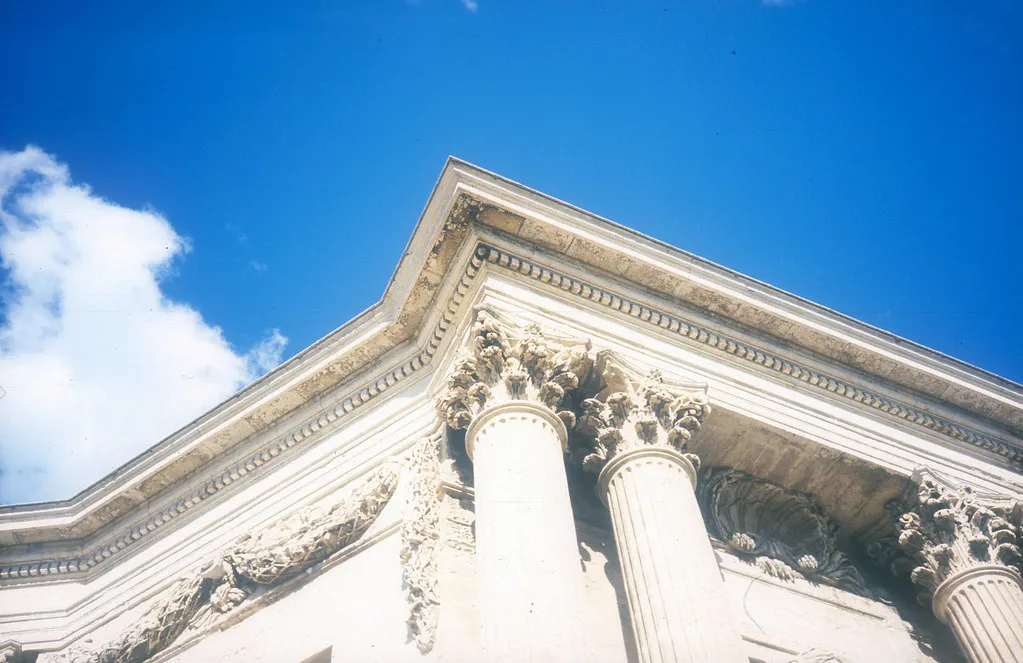
- Arc de Triomphe (Porte du Peyrou)
- Built in 1691, this golden limestone arch serves as the grand entrance to the city's highest point.
- While viewing the exterior is free, you can book a guided tower climb through the tourism office for about $8.
- The arch is located at the end of Rue Foch, which is the city's most upscale shopping street.
- The intricate carvings depict the victories of the Sun King and are best photographed in the late afternoon sun.
- Jardin des Plantes
- Established in 1593, this is the oldest botanical garden in France and a peaceful escape from the urban bustle.
- Entry is free for all visitors, and the gates are generally open from 12pm to 6pm, though hours vary by season.
- It is located directly across from the Faculty of Medicine and features a famous ancient ginkgo biloba tree.
- I found the greenhouse section particularly beautiful, though it often has more restricted hours than the main park.
- Saint-Pierre Cathedral and Faculty of Medicine
- This fortress-like Gothic cathedral is famous for its two massive stone pillars that support a unique exterior porch.
- The cathedral is free to enter, typically open daily from 9am to 12pm and 2:30pm to 6:30pm.
- Attached to the church is the world's oldest continuously operating medical school, which offers guided history tours.
- Check the official tourism site for tour times, as the medical school interior is only accessible with a guide.
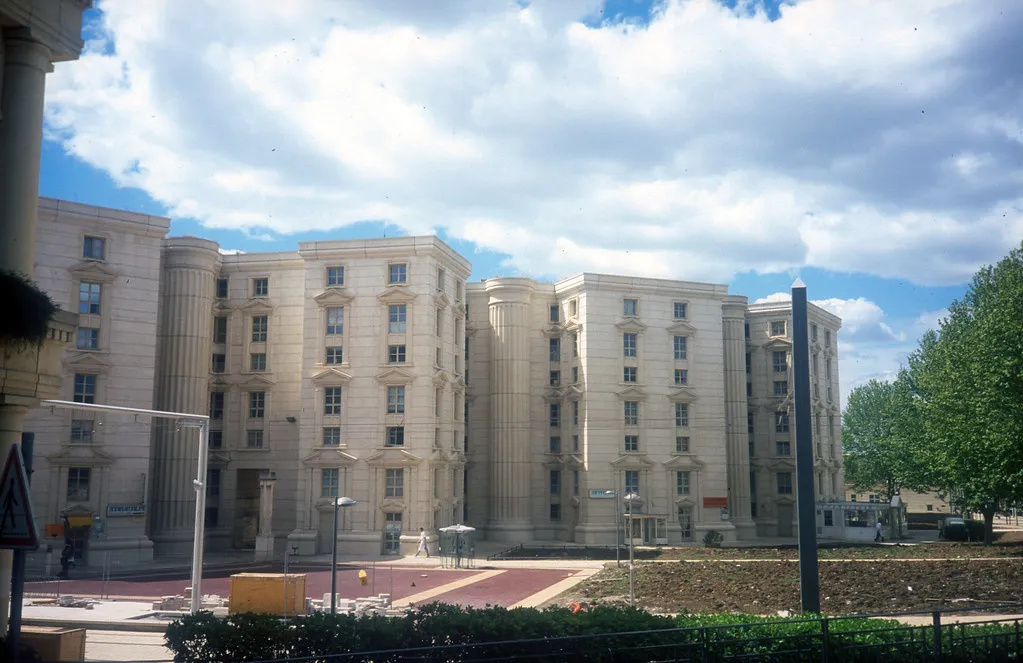
- The Antigone District
- Designed by architect Ricardo Bofill, this neighborhood features grand neo-classical buildings that look like a modern-day Rome.
- Walking through the district is free, and it stretches from the Polygone mall down to the Lez River.
- The area is best visited during the day to appreciate the symmetry and the scale of the massive plazas.
- Take tram Line 1 to the 'Place de l'Europe' stop to arrive directly in the most photogenic part of the district.
- MO.CO. (Montpellier Contemporain)
- This innovative art space is housed in a renovated 19th-century mansion near the main train station.
- Entry fees for special exhibitions are usually around $9, and the center is open Wednesday through Sunday.
- The site includes a beautiful urban garden and a trendy bar that is popular with the local creative crowd.
- Review the Montpellier museums guide to see current rotating exhibits before your visit.
- Marché des Arceaux
- This traditional outdoor market takes place twice a week beneath the arches of a historic 18th-century aqueduct.
- The market is free to attend and operates every Tuesday and Saturday morning from 7am to 1:30pm.
- You can find local cheeses, fresh oysters from the nearby Etang de Thau, and organic seasonal produce.
- Arrive before 10am if you want to snag the best artisanal bread before the local crowds arrive.
- Planet Ocean (Aquarium & Planetarium)
- Located in the Odysseum complex, this combined attraction features deep-sea tanks and immersive space simulations.
- Combined tickets for adults cost roughly $20, with discounts available for families and students.
- The facility is open daily from 10am to 6pm, though the planetarium shows have specific scheduled start times.
- This is the perfect rainy-day activity, especially for those traveling with children who need a break from history.
- Lac du Crès
- This former quarry has been transformed into a beautiful lake and park just a short tram ride from the center.
- Access to the park and swimming area is free, making it a popular budget-friendly alternative to the beach.
- The park is open daily and features picnic areas, a skate park, and several walking trails.
- Take tram Line 2 toward 'Jacou' and get off at the 'Via Domitia' stop for a ten-minute walk to the water.
Is Montpellier Worth Visiting for a Weekend?
Travelers often wonder if they should choose Montpellier over more famous neighbors like Marseille or Nice. I believe the city is absolutely worth a two or three-day visit because it offers a more authentic French experience. You will find fewer tourist traps here than on the Riviera, and the prices for dining are generally more reasonable. Most people find that how long to spend in Montpellier depends on their interest in day trips to the coast.
The city is incredibly walkable, which makes it ideal for a short weekend break where you don't want to waste time on transport. You can spend your mornings exploring medieval history and your afternoons sipping wine at a chic terrace in Antigone. Because it is a university town, there is a constant stream of festivals and cultural events throughout the year. If you enjoy a mix of history, modern art, and great food, this city will likely exceed your expectations.
For those planning a longer stay, the city serves as a perfect base for exploring the wider Occitanie region. You can easily reach the medieval village of Saint-Guilhem-le-Désert or the Roman ruins in Nîmes within an hour. The local trains are frequent and reliable, connecting you to the rest of the the best day trips nearby. I suggest booking your accommodation at least two months in advance if you plan to visit during the Estivales wine festival.
Navigating the City: The Famous Blue Tramway
Montpellier’s tramway system is often cited as one of the most beautiful in the world thanks to its artistic designs. Line 1 is the most famous, decorated with blue swallows that represent the freedom of travel and the Mediterranean sky. Each of the four lines has a unique theme, ranging from golden flowers to colorful sea creatures. Riding the tram is an attraction in itself, especially as it glides through the sleek plazas of the Antigone district.
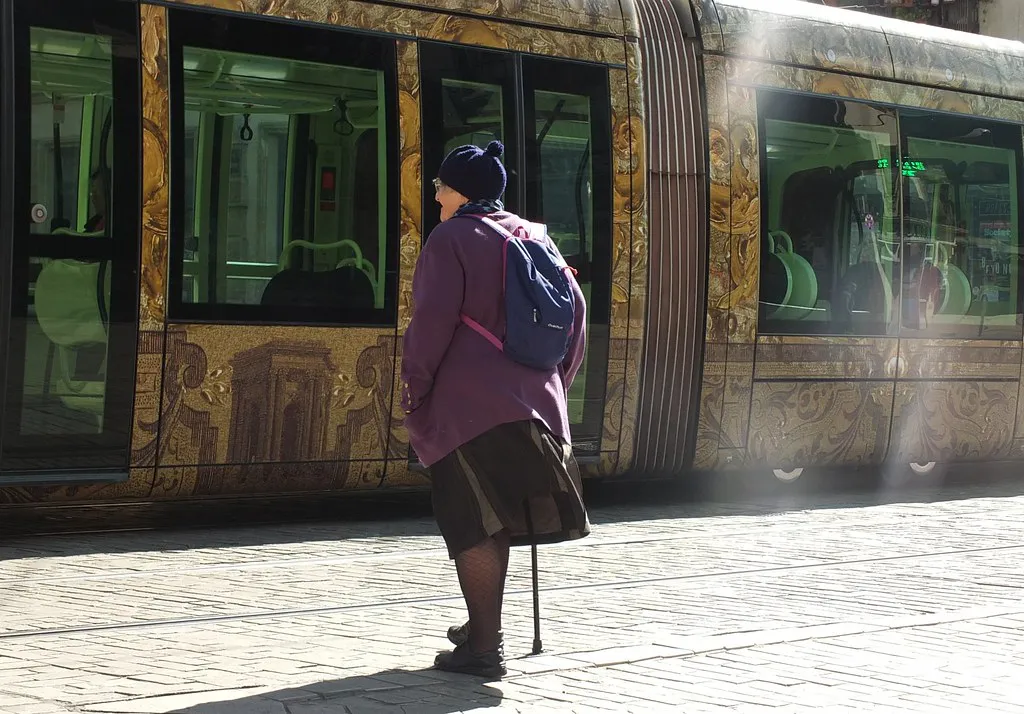
A single trip costs about $1.70, but a 24-hour pass for roughly $5 is much better value for sightseeing. Tickets must be validated at the yellow machines on the platform before you board the vehicle. The network is very efficient, with trams running every few minutes from early morning until after midnight. Check the Montpellier safe travel tips for advice on avoiding pickpockets during crowded rush hours.
One common mistake is assuming the city is located directly on the beach, which is not the case. To reach the sand, you must take tram Line 3 to the 'Pérols Étang de l'Or' stop and then walk or bike. Many locals prefer to rent a 'Vélomagg' city bike to ride the scenic path along the Lez River to the coast. This 20-minute ride takes you past wild flamingos and beautiful marshlands before arriving at the Mediterranean.
What to Skip: The Tourist Traps of Montpellier
While the Place de la Comédie is beautiful, I suggest skipping the full-course meals at the restaurants directly on the square. These establishments often serve generic 'tourist menus' that are overpriced and lack the quality found in the side streets. Instead, walk just five minutes into the L’Écusson district to find authentic bistros tucked away in quiet courtyards. You will get a much better meal for a lower price while supporting smaller local businesses.
The Polygone shopping mall is convenient, but it looks like any other mall you might find in Europe or North America. Unless you specifically need a major chain store, your time is better spent exploring the independent shops on Rue de l'Ancien Courrier. This medieval street features vaulted ceilings and unique boutiques that offer items you won't find anywhere else. The experience of shopping in a historic stone alley is far more memorable than a standard air-conditioned mall.
Finally, don't feel pressured to visit every single museum if you only have a short amount of time. Some visitors find the smaller galleries a bit repetitive if they have already seen the massive collection at Musée Fabre. Prioritize the outdoor spaces and the street art trails if the weather is clear and sunny. Montpellier is a city that is best enjoyed by living 'en plein air' rather than spending all day inside.
Where to Stay: Hotels and Nature-Focused Campsites
Choosing where to stay depends on whether you want the convenience of the city or the relaxation of the coast. For a classic experience, the Grand Hôtel du Midi Montpellier offers luxury right on the main square. This historic building features Haussmann-style architecture and is steps away from the opera house and tram lines. It is the perfect choice for first-time visitors who want to be in the center of the action.
If you prefer a more natural setting, the surrounding area has several high-quality camping options. Families often enjoy Eden Camping, which provides a great balance of outdoor activities and comfort. Another excellent choice is Camping L’Oasis Palavasienne, located closer to the beach areas. These sites often feature pool complexes and entertainment, making them ideal for those traveling with children.
For a mix of lakeside views and modern facilities, consider staying at Le Lac des Rêves. This park is situated near the lagoons and offers a peaceful retreat while still being accessible to the city center. You can find more detailed neighborhood breakdowns in our Montpellier neighborhood guide. Regardless of your choice, always verify if your accommodation includes a 'city tax' which is standard across France.
Good to know
The four tram lines fan out from the city centre and are colour-coded with artist-designed liveries — Line 1 (blue) is the one most visitors use to connect the station, Comédie, and the beaches.
Validate your ticket every time you board, even on a return leg; TaM inspectors do check, and the on-the-spot fine is far steeper than the fare.
Frequently Asked Questions
Why visit Montpellier instead of other French cities?
Montpellier offers a unique blend of 1,000-year-old history and futuristic architecture. It is more affordable than the French Riviera and has a vibrant, youthful energy. You can enjoy both medieval streets and Mediterranean beaches in one trip.
How much time should you plan for Montpellier attractions?
A two-day itinerary is perfect for seeing the main city sights and museums. If you want to include beach time or day trips to nearby villages, plan for four days. This allows for a more relaxed pace under the southern sun.
Which attractions are best for first-time visitors?
Start at the Place de la Comédie and wander into the L’Écusson old town. The Promenade du Peyrou and the Musée Fabre are also essential stops. These sites provide the best introduction to the city's royal and cultural heritage.
Montpellier is a city that rewards those who take the time to look beyond the main squares. From the oldest medical school in the world to the blue swallows of the tramway, it is a place of endless discovery. I hope this guide helps you navigate the sun-drenched streets and find the perfect place to stay during your visit.
Whether you are sipping wine at the Estivales or marveling at the Arc de Triomphe, the city's charm is undeniable. Pack your walking shoes and prepare for a mix of historic grandeur and modern Mediterranean life. Safe travels as you explore one of the most vibrant corners of southern France.
You might also like



Continue reading
More guides you'll find useful