Montpellier Travel Guide: The Ultimate South of France Guide
Explore Montpellier with our essential travel guide. Discover medieval attractions, wine bars, museums, and beaches in Southern France's most vibrant city.
On this page
Montpellier Travel Guide
Montpellier is a vibrant Mediterranean city that perfectly blends medieval history with modern energy. This sun-drenched destination attracts visitors with its elegant squares and winding limestone alleys.
Travelers often choose this city for its famous 300 days of sunshine and youthful university atmosphere. You will find a rich cultural scene and world-class museums tucked away in every corner.
This comprehensive **montpellier travel guide** will help you navigate the largest pedestrianized zone in Europe. We cover everything from ancient Jewish baths to the best local wine bars.
Prepare to explore a city that feels both ancient and remarkably fresh. Our tips ensure you see the best of the Languedoc region during your stay.
Must-See Montpellier Attractions
The heartbeat of the city is the Place de la Comédie, a massive oval square bustling with life. This grand space connects the old town to the modern districts and features the iconic Three Graces fountain.
Strolling through the Ecusson district reveals the true charm of the historic center. These narrow streets are filled with boutique shops and hidden courtyards that date back centuries.
You should also visit the Porte du Peyrou, a majestic triumphal arch built in the late 17th century. It serves as a grand entrance to the city's most famous park and offers great photo opportunities.
Consult our Montpellier old town and Place de la Comédie guide for deeper historical details. Each corner of this area tells a story of the city's wealthy merchant past.
Museums, Art, and Culture in Montpellier
Art lovers must prioritize a visit to the Musée Fabre, which is one of France's premier art institutions. It houses a vast collection of European paintings and sculptures from the Renaissance to the modern era.
For a more contemporary experience, the Mo.Co. museum offers rotating exhibitions of cutting-edge international art. This multi-site project reflects the city's commitment to staying at the forefront of the art world.
History buffs will appreciate the Hôtel Cabrières-Sabatier d’Espeyran, a museum of decorative arts. It showcases how the local aristocracy lived during the 18th and 19th centuries.
Explore more cultural sites in our dedicated guide to Montpellier's art and history museums to plan your itinerary. The city is also home to the oldest active medical school in the Western world.
Parks, Gardens, and Outdoor Spots in Montpellier
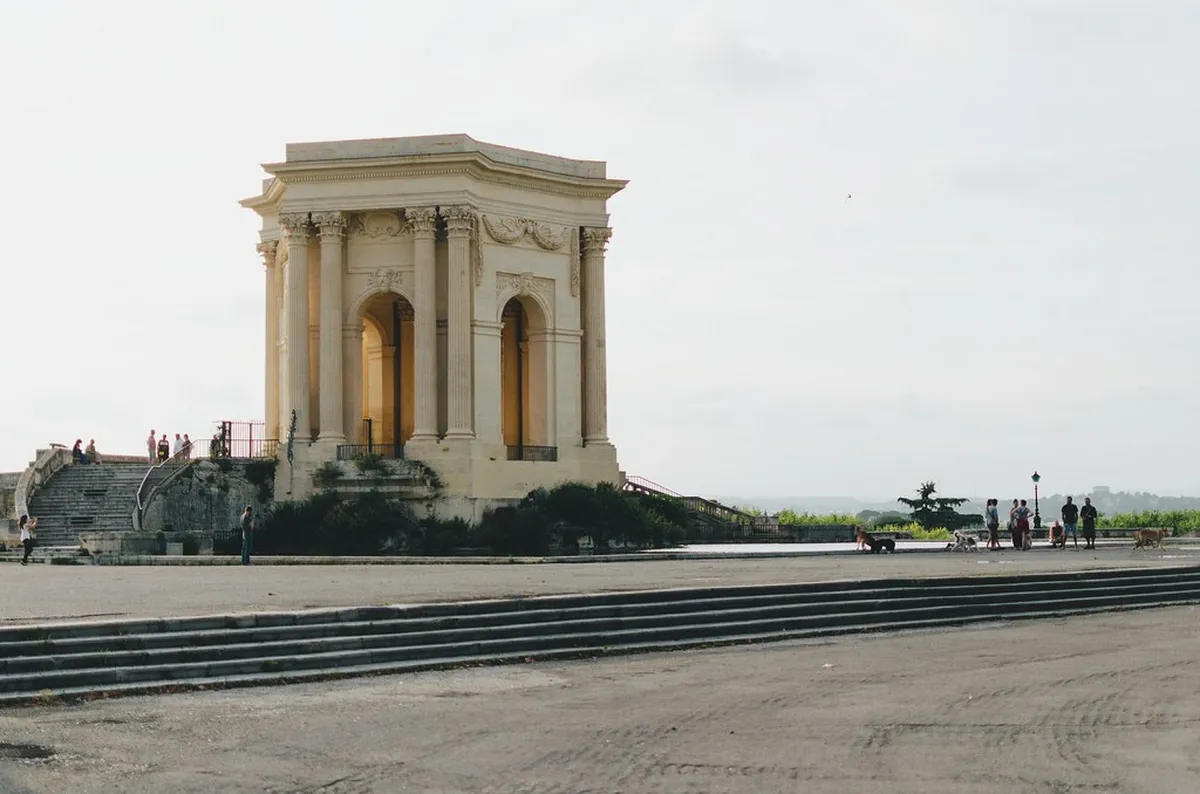
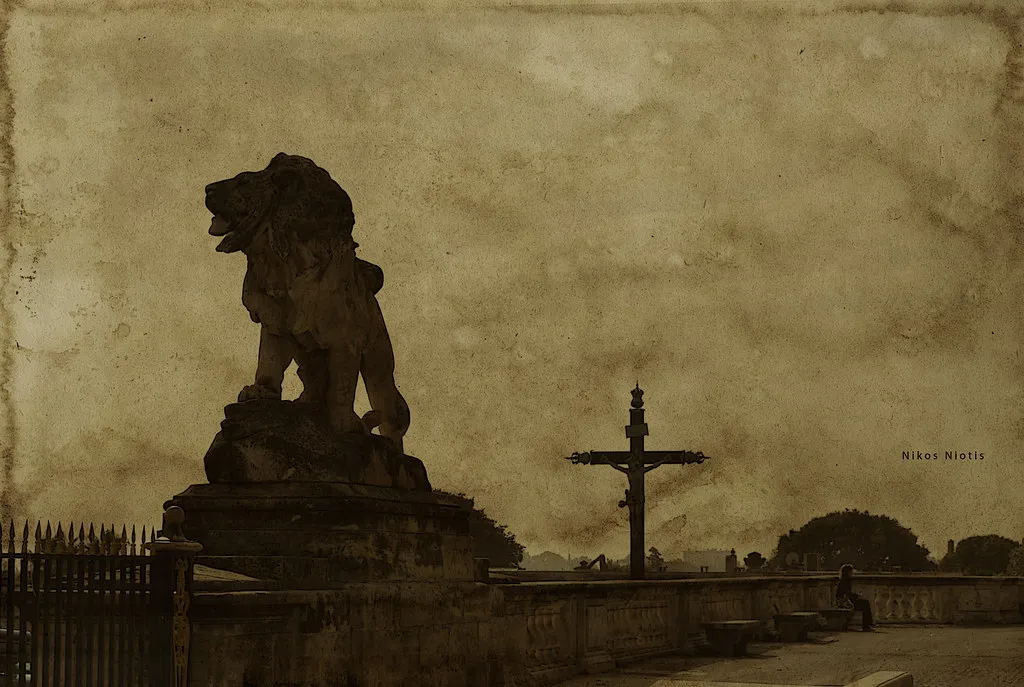
The Promenade du Peyrou is a stunning two-tier terrace that offers panoramic views of the Pyrenees and the Mediterranean. It features a grand equestrian statue of King Louis XIV at its center.
Nearby, you can find the Jardin des Plantes, which is the oldest botanical garden in France. Founded in 1593, it remains a peaceful retreat for both students and tourists looking for shade.
The Saint-Clément Aqueduct is another architectural marvel that borders the Peyrou park. This 18th-century structure once brought fresh water to the city and remains a symbol of engineering prowess.
Spending time outdoors is a key part of the local lifestyle. Many residents enjoy evening walks through these green spaces before heading to dinner in the old town.
Family-Friendly and Budget-Friendly Options in Montpellier
Montpellier is exceptionally family-friendly due to its massive pedestrianized zone. Children can run safely through the squares without the worry of heavy city traffic.
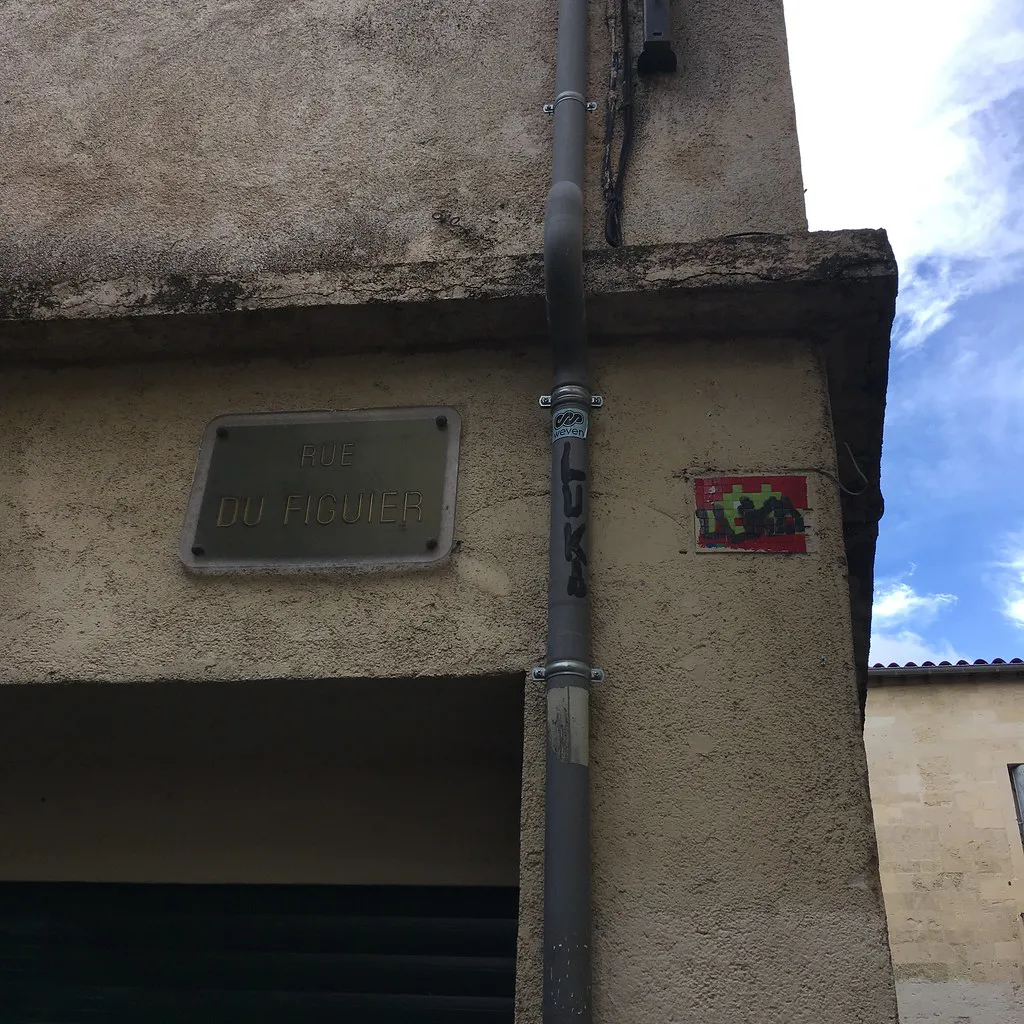
Budget travelers can enjoy many free **things to do in Montpellier**, such as exploring the vibrant street art. Many buildings in the Saint-Roch neighborhood feature impressive murals that act as an open-air gallery.
The Mediterranean beaches are easily accessible for a low-cost day trip. You can reach the coast in about 30 minutes using the efficient local tram system.
For a fun afternoon, head to the Odysseum complex on the edge of the city. It features an aquarium, a planetarium, and plenty of casual dining options for families.
How to Plan a Smooth Montpellier Attractions Day
To maximize your time, start your morning at the Halles Castellane food market. It is the best place to grab fresh local snacks before the midday heat arrives.
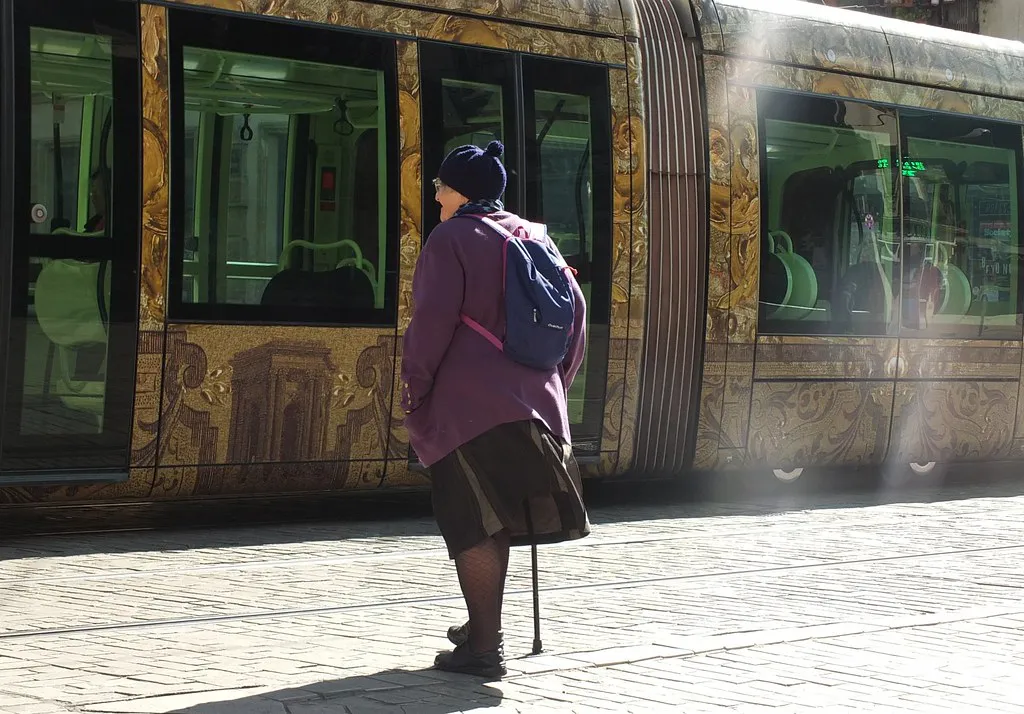
The tram system is your best friend for getting around the city and reaching the outskirts. Each of the four lines has a unique colorful design created by famous artists.
Some historical sites require advanced planning to visit. You must book a guided tour through the tourism office to see the hidden 13th-century Mikvé.
Check the Montpellier Tourism Official Guide for current opening hours and ticket prices. Planning ahead ensures you do not miss out on restricted historical monuments.
Our Top 7 Things to See and Do and Discover in Montpellier
There are several unique experiences that set this city apart from its neighbors. These highlights range from medieval religious sites to bold neo-classical neighborhoods.
We recommend focusing on the following seven spots to get a full sense of the city's character. Each location offers a different perspective on the evolution of the Languedoc capital.
Make sure to bring comfortable walking shoes as most of these sites are within the car-free center. Exploring on foot is the best way to discover the hidden details of the architecture.
- The 13th-century Mikvé
- Type: Jewish ritual bath
- Access: Guided tour only
- Location: Historic Ecusson district
- Significance: Rare medieval survivor
- The Antigone District
- Type: Neo-classical neighborhood
- Architect: Ricardo Bofill
- Atmosphere: Bold and symmetrical
- Tip: Walk toward the river
- Arc de Triomphe
- Type: Historical gateway
- Best for: Panoramic views
- Access: Via tourism office
- Cost: Small tour fee
- Saint-Pierre Cathedral
- Type: Gothic fortress church
- Feature: Massive twin towers
- Entrance: Free to enter
- Location: Near medical school
- Place de la Comédie
- Type: Main city square
- Activity: People watching
- Vibe: Energetic and central
- Must-see: Three Graces fountain
- Promenade du Peyrou
- Type: Elevated park
- Best for: Sunset views
- Nearby: Saint-Clément Aqueduct
- Event: Weekly flea market
- The Medical School
- Type: Historic university
- History: Founded in 1220
- Inside: Anatomy museum
- Status: Oldest in world
Bars in Magnificent Montpellier
Montpellier has a legendary nightlife scene thanks to its large student population. The city is famous for its terrace culture, where people gather for drinks as the sun sets.
You should focus on wine bars that serve local varietals from the Languedoc region. Look for wines from the Pic Saint-Loup or Grés de Montpellier appellations for an authentic taste.
Many of the best bars are tucked away in the medieval courtyards of the old town. These hidden spots offer a cool refuge during the warm summer evenings of 2026.
If you prefer craft beer, several local microbreweries have opened near the Gare St Roch. These modern taprooms offer a nice contrast to the traditional wine caves.
Discovering Places to Eat in Montpellier
Dining in this city offers a wonderful mix of traditional French bistro fare and Mediterranean influences. Lunch is often the best time to find high-quality three-course menus at affordable prices.
For a casual midday meal, look for small cafes in the Saint-Roch neighborhood. You can expect to pay between 15 and 25 Euros for a standard lunch special.
Dinner in the city center tends to be more formal and starts later in the evening. We recommend booking a table at a restaurant featuring regional seafood or duck dishes.
Fine dining enthusiasts should explore the modern establishments in the Port Marianne district. This area offers innovative cuisine with views of the Lez river.
Getting to Know Montpellier
Unlike nearby Arles or Nimes, Montpellier does not have a Roman foundation. It was established in the 10th century and grew into a major medieval center for trade and learning.
The city's identity is deeply tied to its university, which remains one of the most prestigious in France. This academic heritage gives the city a youthful and intellectual atmosphere.
Its location between the mountains and the sea has shaped its history and climate. You get the benefits of a coastal breeze alongside the rugged beauty of the Languedoc hinterland.
Understanding this unique history helps you appreciate the contrast between the medieval Ecusson and the grand 17th-century expansions. It is a city that has always looked toward the future.
Montpellier Final Thoughts
Montpellier stands out as one of the most livable and exciting cities in the South of France. It offers a perfect balance of historical depth and modern convenience for every traveler.
Whether you are visiting for the art or the sunshine, the city rarely disappoints. It serves as an ideal base for exploring the wider Languedoc region and its many vineyards.
Before you depart, check our guide on the the best season to travel to plan your next trip. The city's charm remains constant throughout the seasons.
We hope this guide helps you discover the hidden gems of this magnificent Mediterranean capital. Enjoy your journey through the sun-soaked streets of Occitanie.
Good to know
Base yourself near the Écusson or Place de la Comédie and you can reach most sights on foot, with the tram covering the beaches and Odysseum.
Allow at least three days to balance the historic centre, the museums, and a Mediterranean beach afternoon without rushing.
Frequently Asked Questions
Where is Montpellier located in France?
Montpellier is located in the Occitanie region of Southern France, near the Mediterranean coast. It sits between the cities of Marseille and Perpignan. You can easily reach it via high-speed train from Paris or by flying into the local airport.
How many days do you need in Montpellier?
You should plan for at least 3 to 4 days to see the main sights. This allows time for the old town, the museums, and a trip to the beach. Read our guide on planning the ideal trip length for more itinerary ideas.
Is Montpellier worth visiting for a weekend?
Yes, it is a perfect weekend destination due to its walkable center and vibrant atmosphere. You can see the major attractions like Place de la Comédie and the Peyrou promenade in two days. The frequent tram service makes logistics very simple for short trips.
What is the best time of year to visit Montpellier?
Spring and early autumn are the best times to visit for pleasant weather. May, June, and September offer warm temperatures without the intense heat of mid-summer. You will also find fewer crowds at the major museums during these shoulder months.
Can you visit the beach from Montpellier?
You can easily visit the beach by taking tram line 3 toward Perols. From the final stop, it is a short walk or a quick bike ride to the sandy shores. Popular spots include Carnon and Palavas-les-Flots, which are great for a day of sun.
Montpellier is a city that captures the essence of the Mediterranean lifestyle. Its mix of medieval architecture and modern urban planning creates a unique travel experience.
From the world-class Musée Fabre to the sunny terraces of the old town, there is something for everyone. You will leave with a deep appreciation for the culture of the Languedoc region.
Don't forget to check if is Montpellier safe for the latest travel advice and neighborhood tips. Safe travels as you explore this beautiful corner of Southern France.
You might also like


Continue reading
More guides you'll find useful