12 Things Marseille is Famous For: A Local’s Guide (2026)
What is Marseille famous for? Explore its 2,600-year history, iconic Bouillabaisse, stunning Calanques, and traditional soap—a local's guide.
On this page
12 Things Marseille is Famous For
My first visit to Marseille felt like stepping into a vibrant, salt-crusted mosaic of cultures. While many travelers flock to Paris or the Riviera, this gritty yet gorgeous port city offers a raw authenticity that is hard to find elsewhere. It is a place where ancient Greek history meets modern street art and world-class seafood. Our editors have spent weeks exploring the sun-drenched docks and winding alleys to bring you this updated guide.
Last refreshed May 2025, this article highlights the unique soul of France's second-largest city. Understanding Is Marseille Worth Visiting? 10 Honest Pros and Cons depends on your love for history and coastal charm. From the iconic soap factories to the rugged limestone cliffs, the city's identity is deeply tied to the sea. We have reviewed the most famous sights to ensure you experience the very best of the Mediterranean.
France's Oldest City: 2,600 Years of History
Marseille holds the title of the oldest city in France, founded by Phocaean Greeks around 600 BC. According to Marseille History (Wikipedia), the settlers named it Massalia and established it as a primary trading hub. This long heritage is visible in the archaeological remains scattered throughout the modern city center. Walking through the Jardin des Vestiges reveals the ancient port's original stone foundations and defensive walls.
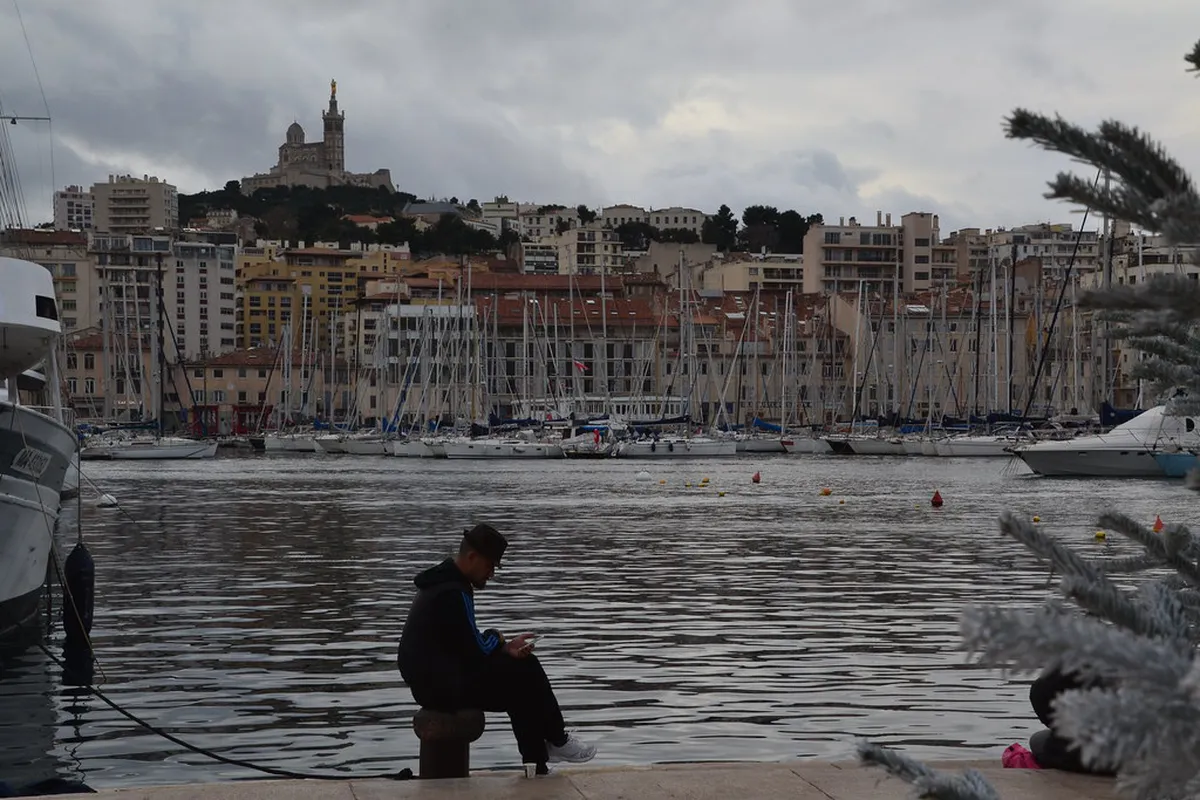
The city has always been a gateway for migrants and merchants from across the Mediterranean basin. This constant influx of people has created a unique cultural melting pot that defines the city today. You will notice the North African influences in the bustling markets and the diverse culinary scene. Marseille remains the biggest port in France, continuing its legacy as a vital maritime powerhouse.
History buffs should not miss the MuCEM, which bridges the gap between ancient fortifications and modern design. The museum sits on reclaimed land at the edge of the harbor, symbolizing the city's constant evolution. Most historical sites are located within walking distance of the central Vieux-Port area. Plan to spend a full morning exploring the ruins before heading into the narrow streets of the old quarter.
Marseille is France's oldest city, founded by Greek sailors around 600 BC as Massalia — six centuries before Paris took shape as a Roman settlement.
12 Iconic Things Marseille is Famous For
Marseille is a city of distinct neighborhoods, each offering a different slice of Mediterranean life. We have categorized these 12 essentials into iconic landmarks, hidden gems, and cultural experiences. Whether you are looking for spiritual heights or coastal escapes, these spots define the local character. Each item below includes practical details to help you plan your visit effectively.
To get the most out of your trip, consider getting around Marseille via the efficient metro and bus system. Many of these attractions are free, but some require advance booking, especially during the busy summer months. The city is famous for its 300 days of sunshine, making outdoor exploration pleasant year-round. Be prepared for the Mistral, a strong cold wind that occasionally sweeps through the streets.
Avoid the common mistake of only staying in the tourist-heavy areas near the main harbor. Venturing into the residential hills or the southern coastal paths reveals the true spirit of the locals. The following list captures the essence of what makes this city a standout destination in Europe. Here are the 12 most famous things to see and do in Marseille.
- The Vibrant Vieux-Port and Daily Fish Market
- The Old Port is the historic heart of the city where fishermen sell their catch every morning.
- Located at the end of La Canebière, it is free to visit and open daily from 8am to 1pm.
- Take the ferry boat across the harbor for a few euros to save your legs and enjoy the breeze.
- Skip the overpriced restaurants on the first line of the quay and head one block back for better value.
- Basilique Notre-Dame de la Garde (La Bonne Mère)
- This stunning Romano-Byzantine basilica sits on the city's highest point and watches over the sailors.
- Entry is free and the site is open daily from 7am to 6pm, offering 360-degree views.
- The walk up is very steep, so take bus 60 from the Vieux-Port for roughly $2 per person.
- Look closely at the golden mosaics inside to see the intricate details of the maritime votive offerings.
- MuCEM: Museum of European and Mediterranean Civilisations
- This architectural masterpiece features a striking dark lace concrete skin that filters the coastal sunlight.
- Located at the entrance of the port, it is open daily except Tuesdays with tickets around $12.
- Allow two hours to explore the exhibitions and the connected historic Fort Saint-Jean.
- The rooftop walkway offers a unique perspective of the harbor that is perfect for sunset photography.
- Le Panier: The Oldest and Most Colorful District
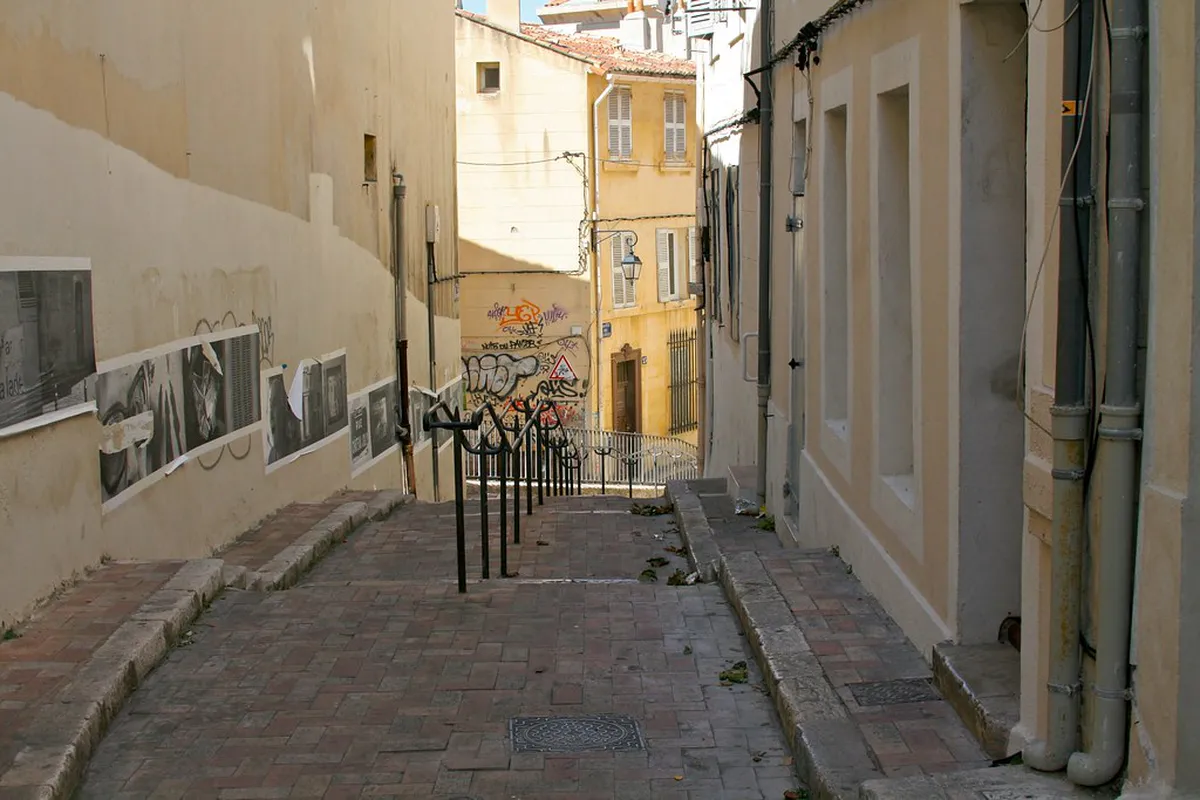
- Le Panier is a maze of narrow alleys, pastel buildings, and vibrant street art perched on a hill.
- This historic quarter is free to explore and is located just north of the Vieux-Port.
- Spend at least two hours wandering through the artisan boutiques and small squares like Place des Pistoles.
- The laundry hanging between the windows creates a classic Mediterranean atmosphere that feels like old-world France.
- Château d’If and the Legend of Monte Cristo
- This former prison island gained worldwide fame as the setting for Alexandre Dumas' famous novel.
- Ferries depart regularly from the Vieux-Port, with island entry costing approximately $8 per adult.
- The boat ride takes 20 minutes, and you should allow two hours for the full island tour.
- Check the weather before heading out, as high winds often cause ferry cancellations for safety reasons.
- Calanques National Park's Limestone Cliffs and Turquoise Water
- These dramatic coastal inlets offer some of the most beautiful hiking and swimming spots in France.
- The park is located south of the city and is accessible via bus 19 or seasonal boat tours.
- Hiking is free, but boat tours typically range from $30 to $70 depending on the duration.
- Bring plenty of water and sturdy shoes, as the limestone paths are very slippery and often quite hot.
- Traditional Savon de Marseille Soap Workshops
- The city is world-famous for its olive-oil-based soap, which must contain exactly 72% vegetable oil.
- Visit the MuSaMa museum or the Fer à Cheval factory for tours priced around $10 to $15.
- Authentic soap shops are clustered around the Vieux-Port and the Le Panier neighborhood.
- Look for the official 'Savon de Marseille' stamp to ensure you are buying a traditional, chemical-free product.
- Orange Vélodrome Stadium and Olympique de Marseille
- Football is a religion here, and the Vélodrome is the temple for the beloved OM team.
- Located in the southern districts, stadium tours cost about $19 and run most days except match days.
- Take metro line 2 to the Rond-Point du Prado station for easy access to the ground.
- Even if you don't like sports, the passion of the fans at a local bar is a cultural experience.
- Palais Longchamp and the World Water Capital
- This grand monument was built to celebrate the arrival of fresh water to the city in 1869.
- The park and exterior are free, while the onsite museums have small entry fees around $7.
- According to World Water Capital Status, the city remains a global hub for water management.
- The fountains are most impressive in the afternoon when the sun hits the cascading water features.
- Vallon des Auffes Fishing Village
- This tiny, picturesque harbor is tucked under a massive bridge and feels like a separate village.
- It is located along the Corniche Kennedy and is free to visit at any time of day.
- Walk there from the city center in 30 minutes or take bus 83 for a scenic coastal ride.
- This is the best place to find high-end seafood restaurants away from the main tourist crowds.
- Cours Julien: The Creative and Alternative Hub
- Known for its incredible graffiti and hipster cafes, this area is the center of local youth culture.
- Located on a plateau above the Noailles market, it is best explored in the late afternoon.
- The area is free to wander and is famous for its independent bookstores and vinyl shops.
- Visit on a Wednesday morning to see the local farmers' market and sample organic regional produce.
- Marché de Noailles and the Daily Pastis Ritual
- This bustling market is often called 'the belly of Marseille' due to its incredible spice shops.
- Located just off La Canebière, it is open Monday through Saturday from 8am to 7pm.
- Stop at a local bar in the afternoon to try a Pastis, the city's famous anise-flavored aperitif.
- Always dilute your Pastis with five parts cold water to drink it like a true local resident.
Authentic Bouillabaisse: More Than Just a Fish Stew
No trip to the city is complete without trying the best bouillabaisse in Marseille. Originally a humble meal for fishermen made from the bony rockfish they couldn't sell, it is now a luxury dish. A true version must include at least four types of local fish and is served in two distinct stages. The broth is served first with croutons and rouille, a spicy garlic and saffron mayonnaise.
The second stage features the whole fish, which the waiter carves at your table for a dramatic presentation. Expect to pay between $60 and $120 per person for an authentic, high-quality meal at a reputable restaurant. Avoid any place that offers 'cheap' bouillabaisse, as it is likely a frozen or simplified imitation. Check the Marseille Tourist Office - Official Site for a list of certified restaurants.
We recommend booking your table at least a few days in advance, especially for weekend dinners. The most famous spots are found in the Vallon des Auffes or along the Corniche Kennedy coastline. If you prefer a lighter meal, the Marseille Food And What To Eat Travel Guide guide offers many alternatives. Try the panisse, which are delicious fried chickpea cakes found at street stalls for just a few euros.
Is Marseille Safe for Travelers?
Many visitors ask is Marseille safe due to its long-standing reputation for crime. While the city has faced challenges, the areas frequented by tourists are generally safe during the day. Standard urban precautions, such as watching your pockets in crowded markets, are usually sufficient for a trouble-free trip. The city has invested heavily in security and lighting around the Vieux-Port and major monuments recently.
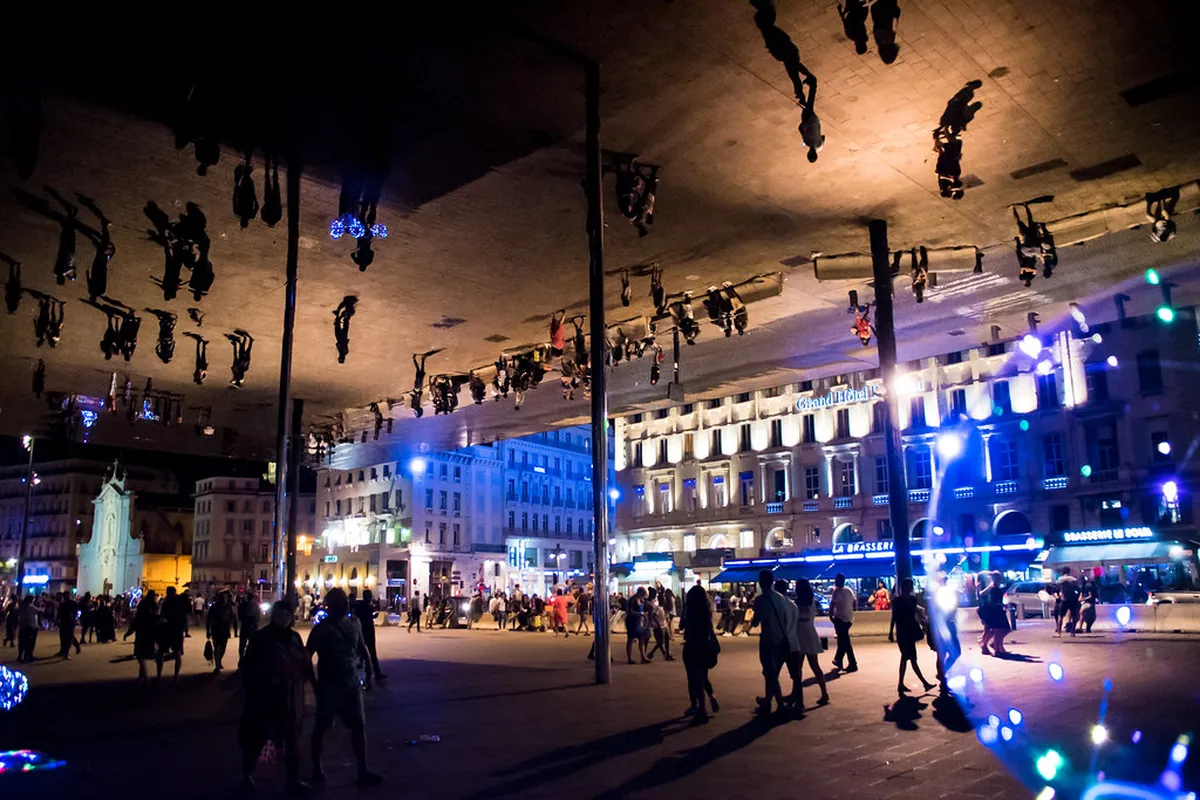
It is wise to avoid the northern districts (Quartiers Nord), which are far from the main tourist attractions. Stick to well-lit main streets when walking at night, especially in the areas around the Saint-Charles train station. Most incidents involving visitors are non-violent petty thefts like phone-snatching or pickpocketing. Keep your valuables out of sight and avoid wearing flashy jewelry while exploring the busier neighborhoods.
The locals are often quite friendly and willing to help if you approach them with a polite 'Bonjour'. Using the official taxi apps or Uber at night is a safer alternative to walking long distances alone. Marseille's edgy reputation is part of its charm, but staying alert ensures you enjoy the city's energy. Overall, the reality for most travelers is a vibrant and welcoming Mediterranean experience.
How Many Days Do You Need in Marseille?
Deciding How Many Days in Marseille 2026: 3-Day Itinerary Guide is enough depends on your interest in the surrounding region. Three days is the ideal amount of time to see the main city sights and enjoy the food scene. This timeframe allows for a visit to the Calanques and a boat trip to the Château d’If. You will have enough time to explore Le Panier and climb up to the Notre-Dame basilica.
If you have five days, you can include day trips to nearby gems like Aix-en-Provence or Cassis. The Calanques National Park Access Guide provides essential info for planning these excursions. Summer is the most popular time to visit, but spring and autumn offer much milder temperatures. Winter can be surprisingly sunny, though the Mistral wind makes outdoor dining less comfortable.
According to Sunshine Statistics for French Cities, the city is one of the sunniest in the country. This makes it a great year-round destination for those looking to escape the gray skies of northern Europe. Always check the ferry schedules in advance, as they change frequently based on the season and weather. Whatever your duration, the city's unique blend of grit and glamour will likely leave a lasting impression.
Frequently Asked Questions
What is the most famous food in Marseille?
Bouillabaisse is the city's most iconic dish. It is a complex fish stew served in two stages with a garlic-saffron mayonnaise called rouille. Authentic versions use at least four types of local rockfish.
Why is Marseille called the oldest city in France?
Marseille was founded by Greek sailors from Phocaea around 600 BC. This gives the city over 2,600 years of continuous history. It served as a major Mediterranean trading port long before other French cities were established.
Is Savon de Marseille still made in the city?
Yes, several traditional soap factories still operate in and around the city today. Authentic Savon de Marseille must contain 72% vegetable oil and no artificial additives. Visitors can tour historic factories like Fer à Cheval to see the process.
Marseille is a city that demands your attention and rewards your curiosity with its deep history and coastal beauty. Whether you are eating stew by the port or hiking the limestone cliffs, the experience is undeniably authentic. It may be rough around the edges, but that is exactly what makes it one of the most fascinating cities in Europe. Pack your walking shoes and an open mind to discover the true soul of the Mediterranean.
You might also like


Continue reading
More guides you'll find useful