8 Things Montpellier is Famous For: A Local’s Guide
Discover what Montpellier is famous for, from the world's oldest medical school to the stunning Antigone district. Plan your trip with our expert local guide.
On this page
8 Things Montpellier is Famous For
Montpellier is a vibrant city in Southern France that perfectly blends medieval history with bold modern design. Many travelers wonder exactly what is Montpellier famous for before they book their stay in the Occitanie region. The city remains famous for its prestigious university, sunny Mediterranean climate, and stunning architectural landmarks.
Walking through the historic center feels like stepping back into the Middle Ages with its narrow, winding alleys. Historic gates stand in sharp contrast to the neo-classical curves of the newer districts nearby. This unique mix makes it a top choice for those seeking culture and sunshine without the heavy crowds of Paris.
Students fill the local squares with energy, giving the city a youthful and lived-in atmosphere throughout the year. Local markets offer fresh produce while the nearby sea provides a refreshing escape during the warm summer months. This guide explores the top eight highlights that define the identity of this remarkable French destination.
The World’s Oldest Medical School and University Heritage
The University of Montpellier stands as one of the most significant academic institutions in the entire world. It is most famous for its Faculty of Medicine, which was officially established way back in the year 1220. This makes it the oldest medical school in continuous operation, attracting scholars for over eight centuries.
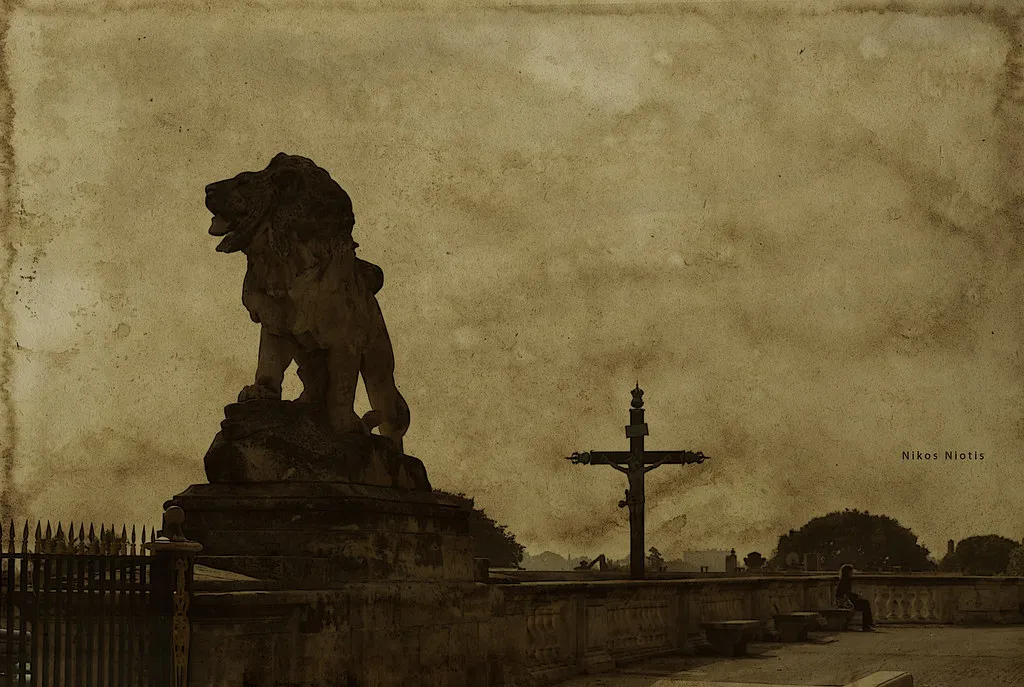
Visitors can explore the historic university buildings located right next to the Montpellier Cathedral and Saint-Pierre area. The school’s influence helped the city become a major center for science and botanical research during the Renaissance. You can still feel this academic legacy today as you walk past the grand stone facades of the old campus.
Nearby, the Jardin des Plantes serves as the oldest botanical garden in France, founded in 1593. It was originally created to help medical students study the various healing properties of different plants. This peaceful green space is a must-visit for anyone interested in the intersection of nature and history.
Place de la Comédie: The Heart of the City
The Place de la Comédie serves as the primary social hub where locals and tourists gather at all hours. Its unique oval shape has earned it the nickname of 'L’Oeuf' or 'The Egg' among the local population. This massive pedestrian square connects the historic old town with the more modern sections of the city.
At the center of the square, you will find the beautiful Three Graces fountain, which was sculpted in 1773. The elegant Opéra Comédie dominates one end of the plaza, providing a stunning backdrop for outdoor dining. Staying at the Grand Hôtel du Midi Montpellier places you right in the middle of this lively action.
Many people enjoy sitting at the outdoor cafes to watch the street performers and the passing tramways. It is the perfect spot to start a Montpellier old town and Place de la Comédie guide tour. The square truly comes alive at night when the buildings are illuminated by warm, golden lights.
The Écusson: Exploring the Medieval Old Town
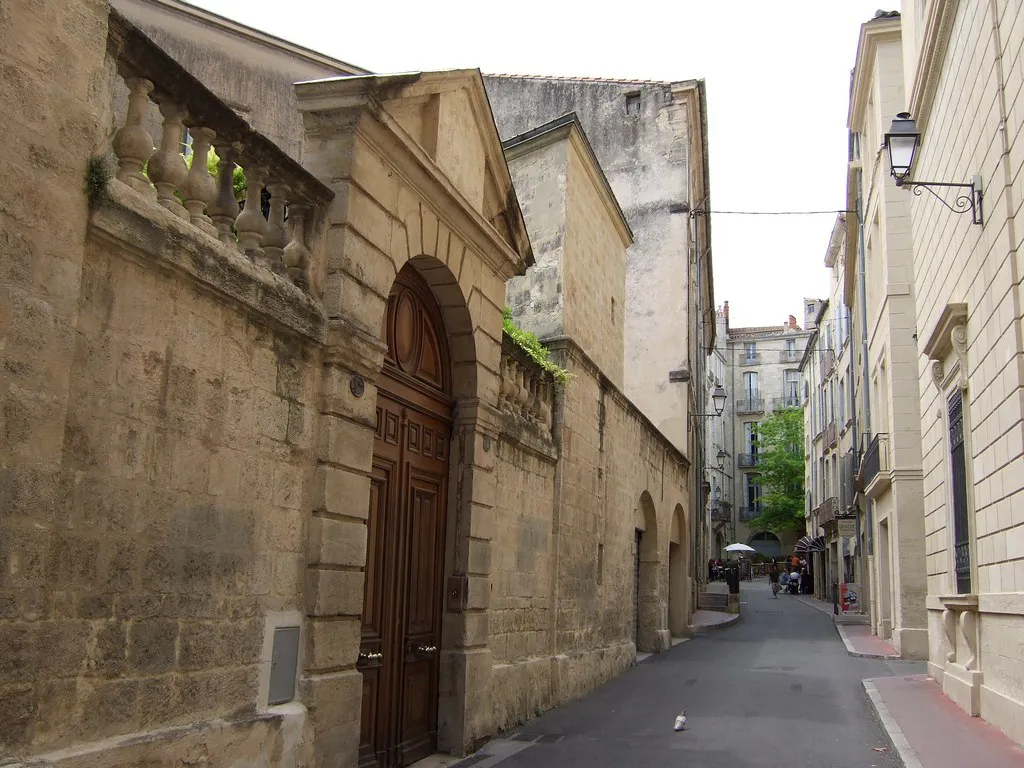
The Écusson is the name given to the medieval center of Montpellier, shaped like an ancient shield. It is famous for its labyrinth of narrow streets where cars are mostly forbidden from entering. Getting lost in these alleys is the best way to discover small boutiques and charming wine bars.
One of the hidden treasures of this district is the collection of private mansions known as Hôtels Particuliers. These grand homes often hide secret courtyards with ornate staircases that are rarely seen from the street. If you are deciding where to stay in Montpellier, this historic district offers the most authentic atmosphere.
The area also houses the massive Saint-Pierre Cathedral, which looks more like a fortress than a church. Its giant twin pillars at the entrance create a dramatic sight for anyone walking through the northern streets. This district remains the cultural soul of the city, preserving centuries of southern French traditions.
Architectural Contrast: Medieval Gates to the Antigone District
Montpellier is famous for the striking contrast between its medieval past and its futuristic present. The Antigone district represents a bold architectural vision created by the famous Spanish architect Ricardo Bofill. It features grand, neo-classical buildings that look like they belong in ancient Greece or Rome.
This area was designed to expand the city center toward the Lez River during the late 20th century. The wide boulevards and symmetrical plazas provide a sense of scale that is very different from the old town. Seeing both areas is essential for understanding the full list of Montpellier's headline sights available to visitors.
Walking from the medieval gates to Antigone takes only a few minutes but feels like traveling through time. The city uses modern tram lines designed by Christian Lacroix to connect these diverse urban environments. This commitment to high-quality design makes the city a favorite destination for students of architecture.
- The Medieval Écusson District
- Style: narrow medieval alleys
- Vibe: historic and cozy
- Highlight: private mansion courtyards
- Best for: boutique shopping
- The Neo-Classical Antigone District
- Style: grand Greek revival
- Vibe: spacious and monumental
- Highlight: Place de l'Europe
- Best for: riverside walks
- The Modern Port Marianne District
- Style: contemporary glass design
- Vibe: trendy and upscale
- Highlight: the mirror basin
- Best for: modern dining
Musée Fabre and the Vibrant Art Scene
Art lovers flock to Montpellier to visit the Musée Fabre, which is one of the largest museums in France. It houses an impressive collection of European paintings and sculptures ranging from the Renaissance to the modern era. The museum underwent a massive renovation recently to showcase its masterpieces in a more contemporary setting.
Beyond the traditional galleries, the city is also a major center for contemporary art and street culture. The MO.CO. contemporary art center offers rotating exhibitions that push the boundaries of modern creativity. Exploring the Montpellier's art and history museums allows you to see everything from Flemish masters to local street art.
You can also find famous trompe-l’œil murals painted on the sides of buildings throughout the old town. These optical illusions create the appearance of three-dimensional scenes on flat stone walls. This creative spirit extends to the local festivals that celebrate dance, music, and digital arts every year.
Promenade du Peyrou and the Saint-Clément Aqueduct
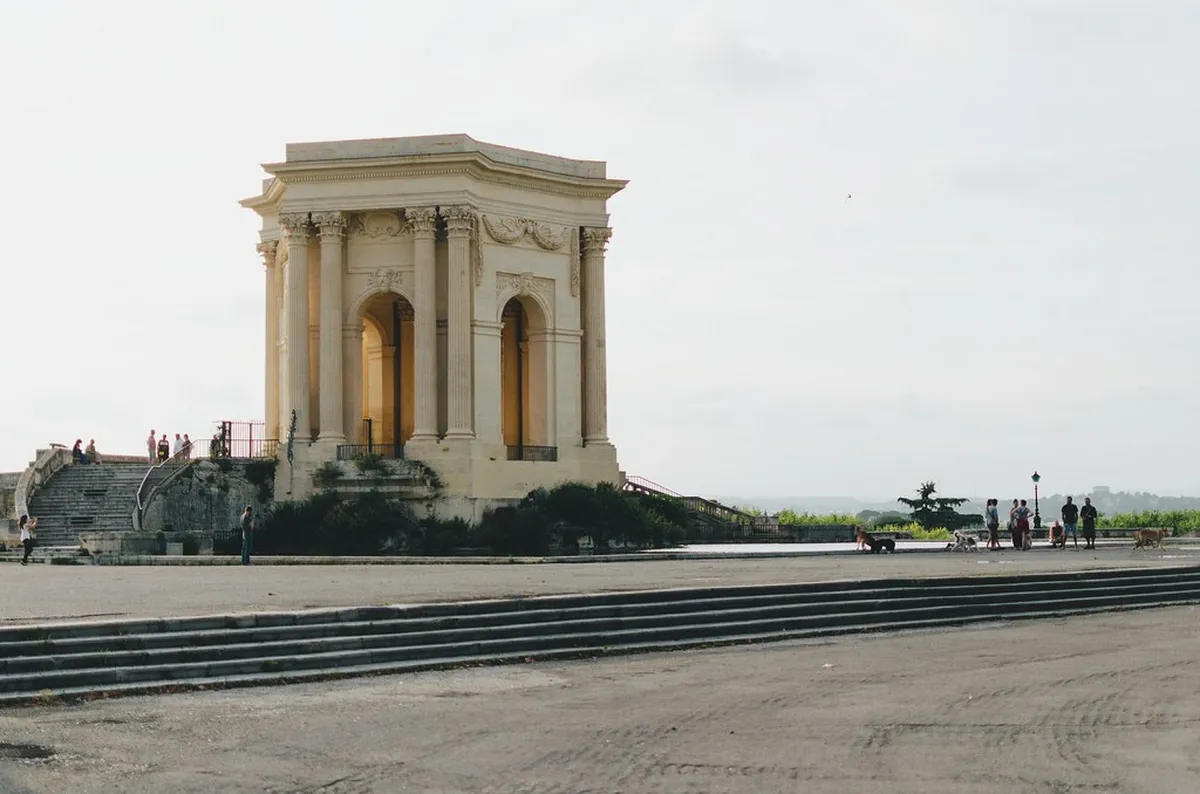
The Promenade du Peyrou is a grand royal square located at the highest point of the city. It features a massive statue of King Louis XIV on horseback looking out over his kingdom. On clear days, you can see all the way to the Pyrenees mountains and the Mediterranean Sea.
At the edge of the park stands the Saint-Clément Aqueduct, an 18th-century masterpiece of engineering. It was built to bring fresh water into the city, stretching across the valley with its double rows of arches. The nearby Porte du Peyrou, or Arc de Triomphe, serves as the ceremonial entrance to this historic park.
This area is a favorite spot for locals to enjoy a sunset walk or a weekend picnic. A popular flea market takes place here every Sunday morning, offering a mix of antiques and local crafts. The architecture here reflects the power and ambition of the French monarchy during the Enlightenment period.
A Dynamic Student Atmosphere and Mediterranean Climate
One of the things Montpellier is most famous for is its incredibly youthful and energetic atmosphere. About one-quarter of the total population consists of students attending the various local universities. This demographic keeps the city vibrant with a busy nightlife and a constant stream of cultural events.
The Mediterranean climate is another major draw, offering over 300 days of sunshine every single year. Winters are mild and summers are hot, making it an ideal destination for outdoor living and dining. You can easily take a short tram ride or bike trip to reach the Montpellier beaches.
This mix of sun and student life creates a 'lived-in' feel that many other tourist cities lack. The city feels authentic because it is built for the people who live and study there every day. You will find bustling terraces and crowded squares even during the middle of the work week.
Essential Tips for Planning Your Montpellier Visit
Planning your trip around the the best season to travel can help you avoid the summer heat. Spring and fall offer the most pleasant temperatures for exploring the steep streets of the Écusson. Check the local calendar for events like Montpellier Danse if you enjoy world-class performing arts.
The tram system is the most efficient way to get around, with four lines covering the entire city. Buy a day pass to save money if you plan on visiting the outskirts or the beach. Most of the historic center is pedestrian-only, so prepare to do plenty of walking in comfortable shoes.
Don't miss the Marché des Arceaux, a local food market held under the arches of the old aqueduct. It is the best place to sample regional cheeses, olives, and wines from the surrounding Languedoc countryside. Try to visit early on Tuesday or Saturday mornings to get the best selection of fresh goods.
- Book Your Accommodation Early
- Why: high student demand
- Where: near Place Comédie
- Tip: check for courtyards
- Cost: varies by season
- Use the Tram Network
- Type: modern light rail
- Lines: four distinct colors
- Best for: beach access
- Cost: affordable day passes
- Visit the Local Markets
- Where: Marché des Arceaux
- When: Tuesday and Saturday
- Focus: local organic produce
- Vibe: authentic and busy
Good to know
Montpellier is famous for hosting the world's oldest still-operating medical school, founded in 1220 — its historic anatomy theatre and botanical garden are open to visitors.
The city's youthful energy comes from its students, who make up roughly a third of the population; that keeps cafés, bars, and live music affordable and busy year-round.
Frequently Asked Questions
Why is Montpellier famous for medicine?
Montpellier is famous for medicine because it hosts the world's oldest medical school still in operation. Founded in 1220, the Faculty of Medicine has trained famous figures like Nostradamus and Rabelais. This legacy established the city as a global center for scientific research and botanical studies for centuries.
Is Montpellier worth visiting for a weekend?
Yes, Montpellier is definitely worth visiting for a weekend due to its compact historic center and sunny weather. You can explore the medieval Écusson on Saturday and enjoy the beach or the Antigone district on Sunday. It offers a perfect blend of culture, shopping, and relaxation.
What is the most famous landmark in Montpellier?
The most famous landmark is the Place de la Comédie, the city's central square. It is known for the Three Graces fountain and the elegant Opéra Comédie building. Other major landmarks include the Saint-Pierre Cathedral and the Promenade du Peyrou with its historic aqueduct.
How far is Montpellier from the beach?
The beach is located about 10 to 15 kilometers from the city center. You can reach the coast in approximately 30 minutes using the local tram system or by cycling along the Lez River. Popular spots include Palavas-les-Flots and Carnon. Check our our guide to the Montpellier coast for more details.
Montpellier offers a unique experience that combines ancient Mediterranean history with a forward-thinking modern spirit. From the world's oldest medical school to the sunny terraces of the Place de la Comédie, there is something for everyone. The city remains a top destination for those who want to experience the authentic lifestyle of Southern France.
Whether you are an art lover, a history buff, or a sun seeker, this city will likely exceed your expectations. Plan your visit soon to discover all the hidden courtyards and vibrant markets that make this place so special. Enjoy your journey through one of the most dynamic and beautiful cities in the Occitanie region. Combine this with our complete guide to things to do in Montpellier for a fuller itinerary.
You might also like


Continue reading
More guides you'll find useful