Montpellier Markets Guide: Best Food & Flea Markets
Discover the best Montpellier markets for fresh produce, local crafts, and street food. Plan your visit with our expert tips for your 2026 French adventure.
On this page
Exploring the Vibrant Charm of Montpellier Markets
Walking through the sun-drenched streets of southern France reveals a deep cultural connection to seasonal food and local commerce. The various Montpellier markets serve as the beating heart of the city where residents gather to share stories and fresh ingredients. Visitors can explore everything from a 19th-century covered hall in the old town to a riverside street-food park along the banks of the Lez. Whether you seek organic honey, fresh Mediterranean oysters, vintage clothing, or a bouquet of sunflowers, these local hubs offer an authentic glimpse into daily life in the Languedoc.
Planning your visit around market schedules is one of the top reasons Montpellier is worth visiting for food lovers. This 2026 guide covers every major market — indoor halls, outdoor open-air spots, specialty flower and antique markets — so you can find the right one for your schedule and budget.
Free guide: France's Hidden Gems
12 under-the-radar places across Provence, Alsace & Occitanie — with the best season to visit each and a local tip you won't find in the guidebooks.
Halles Castellane: The Historic Heart of the Écusson
Halles Castellane is the most convenient covered market for anyone staying in the old-town Écusson district. Built in 1858 and inaugurated in February 1859, it was designed by municipal architect Jean Cassan in the style of Victor Baltard's celebrated Paris iron-and-glass halls. The structure — cast iron, zinc roofing, and cut-stone corner pillars — was listed as a monument historique in 1999, making it one of the few functioning food markets in France with protected heritage status. To understand more about Montpellier's architectural heritage, consult the city's detailed heritage inventory. A 2002 renovation added a mezzanine commercial level above the ground-floor stalls while preserving the original ironwork.
Inside you will find fishmongers selling daily Mediterranean catches — sea bass, red mullet, langoustines — alongside butchers, charcutiers, cheese sellers, and a handful of prepared-food counters. The fishmongers will clean or fillet your purchase on request, a practical service for travelers cooking in a rented apartment. Look for local tapenades, herbes de Provence, and dried saucisson that travel well as gifts. Many chefs sourcing ingredients for Montpellier's best restaurants start their morning here.
The market sits on Rue de la Loge, seconds from the pedestrian zone, and is served by tram lines 1 and 2 at the Comédie stop. There is a 690-space car park at the nearby Préfecture if you are arriving by car. Opening hours in 2026: Monday to Saturday 07:00–20:00, Sunday and public holidays 07:00–13:30. Card and cash payments are both accepted.
Place du Marché aux Fleurs: The Square That Gave Flower Markets Their Name
Just a short walk from Halles Castellane, the Place du Marché aux Fleurs is a small but atmospheric square in the historic centre near the Préfecture building. The square takes its name from the flower market that once occupied this spot — the daily Marché aux Fleurs now runs along the Esplanade Charles de Gaulle rather than on the original square itself. The Esplanade flower market is open Monday to Saturday from 07:00 to 19:00 and is the most central option for fresh cut flowers and potted plants in the city.
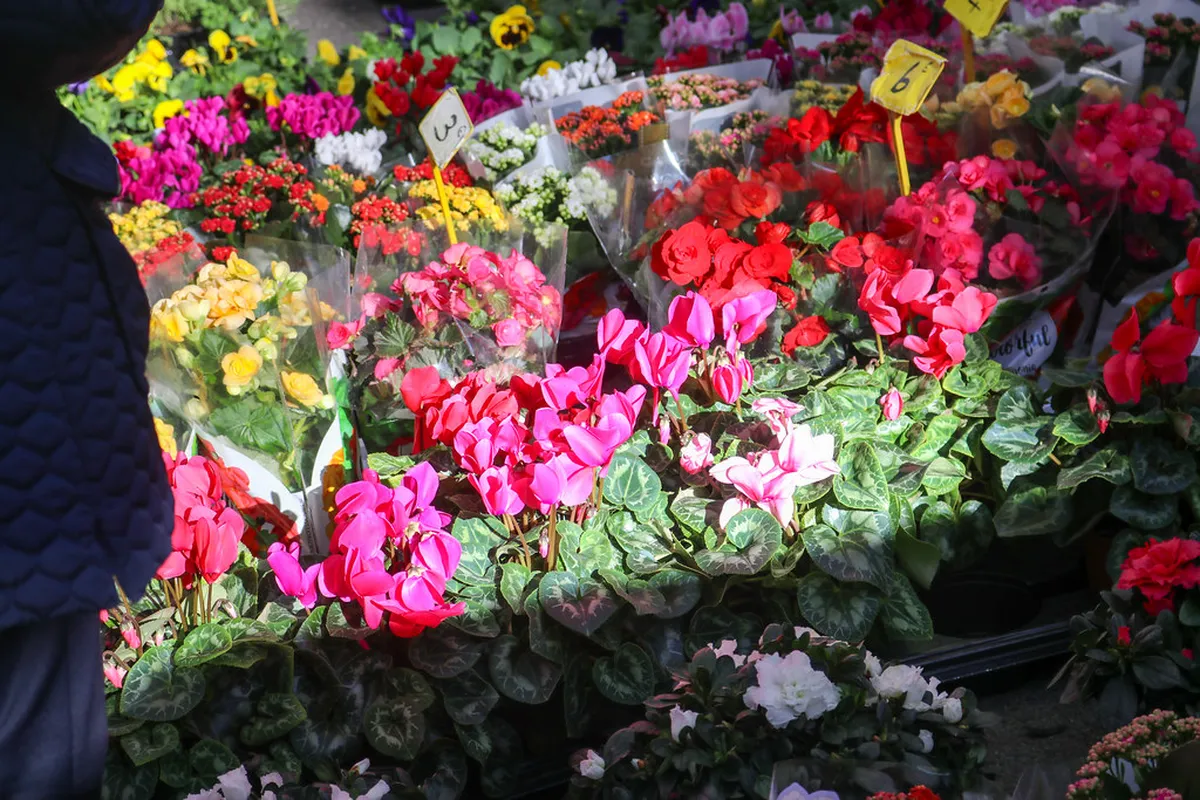
A second, specialist flower and plant market operates every Tuesday at the Espace Mosson in the western Mosson district, running from 07:00 to 19:00. This Mosson market draws around forty producers — florists, horticulturists, and nursery growers — and caters more to serious gardeners than casual tourists. If you are planning a day exploring the neighbourhood rather than just passing through, it is worth combining the visit with the Mosson general market (Tuesday, Friday, and Saturday from 07:00 to 13:30 on Avenue d'Heidelberg). On Fridays, the Arceaux boulevard also hosts a dedicated flower market from 07:30 to 16:30, separate from the regular Saturday food market there.
For visitors staying in the centre, the Esplanade flower stalls are the most practical. The blooms change week by week through the seasons: mimosa and anemones in late winter, lavender bundles and sunflowers from July onwards, chrysanthemums and dahlias in autumn.
Marché des Arceaux: Organic Produce Under the Saint-Clément Aqueduct
The Marché des Arceaux is the most photographed outdoor market in Montpellier, and for good reason. It runs every Tuesday and Saturday morning beneath the sweeping stone arches of the 18th-century Saint-Clément aqueduct on Boulevard des Arceaux, from 07:00 to 13:30. Local farmers and artisan producers sell organic honey, goat cheese, sourdough bread, and seasonal produce directly without intermediaries. Arriving before 09:00 secures the freshest choices and the most relaxed atmosphere before the Saturday crowds build up.
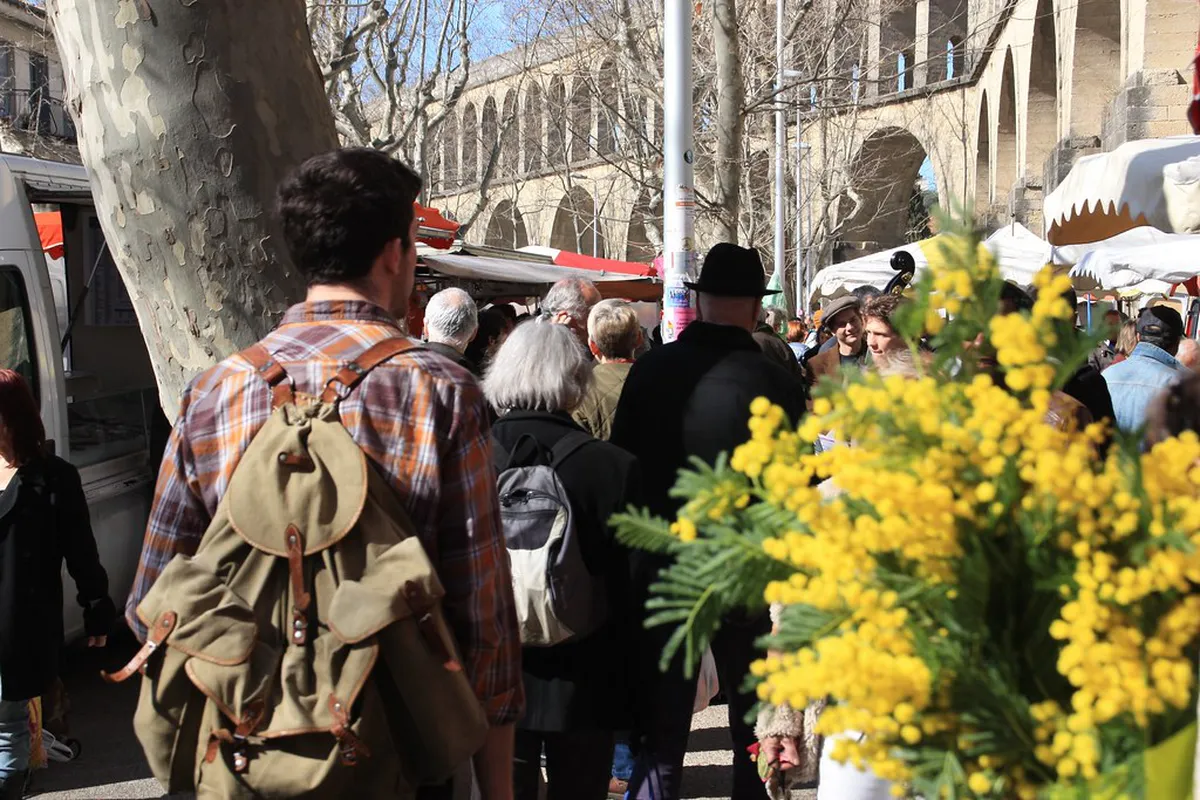
This market is known for its concentration of certified organic producers from the Hérault department and the nearby Cévennes. Look for Pélardon, the soft creamy goat cheese native to the Cévennes foothills — the wheels are small and best eaten fresh. Sun-ripened tomatoes, fragrant melons from the Hérault plain, and local olive oils fill the stalls throughout the summer months. Most vendors strongly prefer cash for small purchases, so bring coins and small notes alongside any card.
On the first Tuesday of each month, a dedicated antique and booksellers' market called Broc Art also sets up along the Arceaux boulevard from 08:00 to 17:00, running alongside the regular food stalls. This adds a treasure-hunting dimension that none of the other food markets can match. The location is about ten minutes on foot from the old town, or one stop on tram line 1 to the Arceaux stop.
Halles Laissac: Daily Gourmet Hub Near the Tram Hub
Halles Laissac sits close to the main transport interchange and offers a modern take on the covered market for everyday shoppers. Known historically as the "marché bas" (lower market) to distinguish it from Castellane's "marché haut," it was comprehensively rebuilt and reopened in 2018 with a striking circular glass dome. The hall stays cool in summer, making it a comfortable midday refuge when outdoor stalls have closed. It is open daily, including Sundays, so it provides a reliable source of gourmet ingredients whatever your schedule.
Inside, stalls cover fresh Mediterranean oysters, rotisserie chicken seasoned with local herbs, regional charcuterie, artisan cheeses, and quality prepared dishes. Several small bars inside serve Languedoc wines by the glass alongside plates of local products — a relaxed way to eat lunch without committing to a full restaurant meal. The lunch hour draws office workers from nearby districts, so peak bustle runs from about 12:00 to 14:00. Flower stalls near the entrance rotate bouquets week by week and stay well stocked throughout the year.
Halles Laissac is the best choice if you want a reliable daily market without planning around specific days. It is easily reached as part of a broader tour of Montpellier's attractions in the central district, and its tram connections make it one of the most accessible markets in the city.
Marché du Lez: Street Food, Vintage, and Creative Culture
Marché du Lez is the creative and contemporary face of Montpellier's market scene, occupying a repurposed industrial site on the banks of the Lez river in the Port Marianne district. It operates on weekends — Saturday and Sunday — with the full range of vendors, food trucks, and artisan stalls. The outdoor food court offers gourmet burgers, fresh poke bowls, wood-fired pizza, and traditional French crêpes alongside a broad international menu at communal tables surrounded by plants and reclaimed furniture.
A section of the market is dedicated to vintage clothing, second-hand books, and eclectic home décor. Prices vary widely and polite negotiation with antique sellers is standard practice. This is the likeliest place to find something genuinely unusual — a 1970s linen tablecloth, a ceramic from a Languedoc pottery, a vinyl record from a French pop artist. Many younger residents use the Sunday session as a brunch destination, so coffee quality here is higher than at traditional morning markets.
The site also hosts live music events and evening artisan fairs during the warmer months. If you are building a Montpellier three-day itinerary, this is the natural Saturday afternoon slot. The river walk between Marché du Lez and the Antigone neighbourhood takes around fifteen minutes on foot and passes modern public sculptures along the waterfront.
Antigone: Wednesday Farmers Market and the Sunday Paysan
The Antigone district — designed by architect Ricardo Bofill in neoclassical style — hosts a farmers market (marché paysan) on Wednesdays on Avenue Samuel Champlain. From April to September (summer schedule) this runs from 07:00 to 17:30; from October to March (winter schedule) hours shorten to 07:00 to 14:00. The Wednesday timing catches most working-week visitors who miss the Saturday and Sunday options. Expect organic vegetables, local jams, honey, and seasonal fruits from producers within the Hérault and Gard departments.
A separate Sunday morning farmers market also operates in the Antigone area, running from 08:00 to 13:30 on Avenue Samuel Champlain. This Sunday session is run by regional producers selling directly and tends to draw a mix of families, cyclists, and food enthusiasts. The wide, sunlit pedestrian plazas of the Bofill architecture provide a dramatic backdrop and make navigation easy even with young children or pushchairs.
Local artisans occasionally set up alongside the food stalls selling handmade ceramics, soaps, and regional textiles, though the market remains primarily food-focused. Most vendors begin packing from around 13:00, so arrive by mid-morning for the full selection. Combine the visit with a walk along the river toward Marché du Lez for a complete afternoon in the east of the city.
Plan Cabanes, Peyrou Brocante, and the Neighbourhood Markets
Plan Cabanes is the largest daily neighbourhood market in Montpellier, running Tuesday through Sunday from 07:00 to 14:00 (some sources list up to 13:30). It draws a genuinely local crowd rather than a tourist one — prices reflect this, making it one of the cheapest places in the city for seasonal produce, eggs, and everyday groceries. The atmosphere is lively and multilingual, reflecting the diversity of the surrounding neighbourhood. If you want an unvarnished experience of how Montpellier residents actually shop, this is the place to go.
For antique hunters and brocante enthusiasts, the Peyrou Sunday market in the Jardin du Peyrou is the top destination. It runs every Sunday from 07:30 to 14:00, with dealers selling furniture, ceramics, vintage prints, coins, and household objects under the open sky beside the Saint-Clément aqueduct's terminal basin. A separate second-hand booksellers market — the Comédie des bouquinistes — occupies the Esplanade Charles de Gaulle every Saturday from 09:00 to 18:00 for those who prefer to browse paperbacks and old maps.
Other neighbourhood markets worth noting: the Beaux-Arts market (Place des Beaux Arts, Monday to Saturday 07:00–13:30), the Comédie market on Place de la Comédie running daily with grocery stalls and non-food merchants (Monday to Saturday), and the Halle Tropisme farmers market every Thursday evening from 17:00 to 21:00 at 121 Rue de Fontcouverte. The Thursday evening Halle Tropisme option is particularly useful for travellers who can only visit on weekdays and want a farmers-market atmosphere after dark.
What to Buy and Practical Tips for 2026
The most distinctive local products to look for across all Montpellier markets are Pélardon goat cheese, Picpoul de Pinet white wine (sold by some stalls as a take-home bottle), fleur de sel from the Camargue salt pans, and tapenade made from locally cured olives. In autumn, specialist stalls at Halles Castellane and Halles Laissac stock seasonal truffles and wild mushrooms — these are genuinely from the Languedoc and represent some of the best-value truffle purchasing available in France outside of Périgord. In spring, strawberries from the Hérault plain are noticeably superior to supermarket fruit in flavour and worth prioritising.
Saturday mornings before 09:00 are the optimal window to visit outdoor markets like Marché des Arceaux. You'll encounter the freshest selection of organic produce, soft cheeses, and artisan goods before weekend crowds arrive, and vendors are more relaxed for browsing and questions.
Always bring a reusable bag or small trolley — most outdoor vendors do not supply plastic bags. Keep a mix of small coins and five-euro notes for faster transactions at traditional stalls. Some modern stalls in Halles Laissac and Marché du Lez accept card payments, but older producers at Arceaux and Plan Cabanes prefer cash. The phrase "Je peux goûter?" (Can I taste?) is usually welcomed at cheese and charcuterie stalls, though at traditional vegetable stalls avoid touching produce unless invited — the vendor will select for you.
Pélardon goat cheese, seasonal truffles from the Languedoc, and Picpoul de Pinet wine represent the best artisanal purchases to bring home. These items showcase the region's terroir and are significantly cheaper than supermarket equivalents found elsewhere in France, making them exceptional souvenirs for food-loving travellers.
The best window for selection across outdoor markets is roughly 08:00 to 10:00. Arriving thirty minutes before closing — around 13:00 for most morning markets — sometimes yields lower prices on perishable items from vendors who would rather sell than pack unsold stock. In the height of summer, bring water and wear sun protection: the open markets offer little shade and temperatures routinely exceed 30°C in July and August. The covered halls (Castellane, Laissac) become welcome refuges during those hours. Getting around to multiple markets in a single morning is straightforward using Montpellier's tram network — see the tram guide for the relevant lines and stops.
| Market | Location | Days Open | Hours | Speciality |
|---|---|---|---|---|
| Halles Castellane | Rue de la Loge (Écusson) | Mon–Sat, Sun/Holidays | 07:00–20:00 (Sun 07:00–13:30) | Fish, cheese, charcuterie, prepared foods |
| Halles Laissac | Central district (tram hub) | Daily (incl. Sundays) | Daily hours (modern covered hall) | Oysters, rotisserie, artisan cheese, flowers |
| Marché des Arceaux | Boulevard des Arceaux | Tue & Sat | 07:00–13:30 | Organic produce, goat cheese, honey, artisan goods |
| Marché aux Fleurs (Esplanade) | Esplanade Charles de Gaulle | Mon–Sat | 07:00–19:00 | Cut flowers, potted plants, seasonal blooms |
| Marché du Lez | Port Marianne (riverside) | Sat & Sun | Variable (weekend) | Street food, vintage, international cuisine |
| Antigone (Paysan) | Avenue Samuel Champlain | Wed & Sun | Wed 07:00–17:30 (summer) or 07:00–14:00 (winter); Sun 08:00–13:30 | Organic vegetables, jams, honey, local producers |
See our main complete Montpellier things-to-do guide guide for the broader city overview.
Frequently Asked Questions
What are the best days to visit montpellier markets?
Tuesday, Saturday, and Sunday are the best days for outdoor markets. The Arceaux market runs on Tuesday and Saturday, while Antigone is best on Sunday. You can find more 15 Best Free Things to Do in Montpellier by simply walking through these vibrant community hubs.
Do I need to carry cash at the markets?
Yes, carrying cash is highly recommended for most vendors. While some modern stalls in Halles Laissac accept cards, smaller produce sellers often have a minimum purchase amount. Having coins and small bills makes the shopping process much smoother for everyone involved.
Are the markets in Montpellier open in the winter?
The markets remain open throughout the winter, though the selection of produce changes significantly. You will find plenty of root vegetables, citrus fruits, and hearty cheeses during the colder months. The indoor halls like Halles Castellane provide a warm and dry environment for shopping year-round.
Where can I find the best flea market in the city?
Marché du Lez is the top destination for those seeking a trendy flea market and vintage items. It features several dedicated antique sellers and second-hand clothing stalls in a cool riverside setting. This spot is particularly popular on weekends when the full range of vendors is present.
Visiting the various Montpellier markets is an essential experience for anyone wanting to understand the soul of this Mediterranean city. From the historic ironwork of Halles Castellane to the organic stalls beneath the Saint-Clément aqueduct, from the Wednesday evening paysan market at Antigone to the Sunday brocante at the Peyrou, there is a market for every day and every taste. Use the hours, locations, and seasonal tips in this guide to plan your 2026 visit and spend your money directly with the producers who make Languedoc food worth travelling for.
Free guide: France's Hidden Gems
12 under-the-radar places across Provence, Alsace & Occitanie — with the best season to visit each and a local tip you won't find in the guidebooks.
You might also like


Continue reading
More guides you'll find useful