

Is Montpellier Worth Visiting Travel Guide
Plan is montpellier worth visiting with top picks, neighborhood context, timing tips, and practical booking advice for a smoother trip.
On this page
Is Montpellier Worth Visiting
Yes, Montpellier is absolutely worth visiting for its mix of medieval charm and youthful energy. If you want a more rugged coastal experience, you should consider visiting Marseille instead. I visited this sun-drenched city last June and fell in love with its pedestrian-friendly historic center.
This southern French city offers a sophisticated alternative to the overly crowded streets of the French Riviera. You will find world-class museums, the oldest botanical gardens in France, and a thriving wine culture. The Mediterranean coast is just a short tram ride away, making it a perfect hybrid destination for 2026 travelers who want both city depth and beach access.
Why visit Montpellier?
Montpellier stands out because it does not feel like a stagnant museum city. The massive student population — one in five residents is enrolled at a university — keeps the atmosphere fresh and the nightlife vibrant. It has been a university town since the Middle Ages, and that scholarly energy is visible everywhere from the bookshops on Rue du Bras de Fer to the crowded terrace cafes on Place de la Comédie.
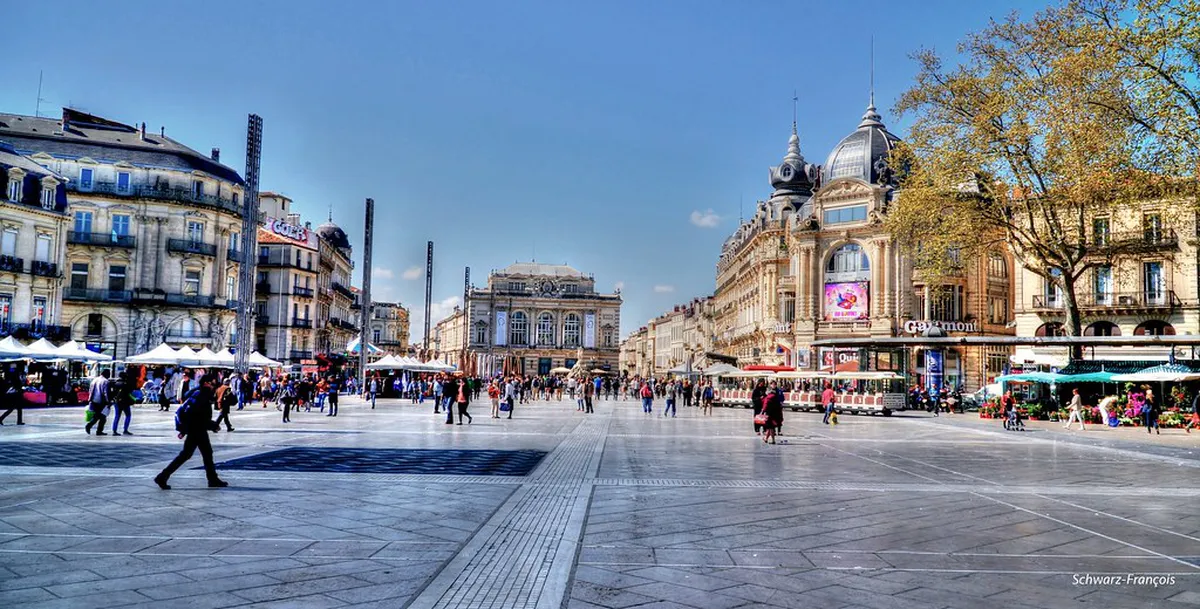
The city is also genuinely less crowded and more affordable than comparable southern French destinations like Nice or Aix-en-Provence. Most things that cost €12 in Nice cost €8 here, from museum entry to a lunch formule. The sleek, modern tram lines contrast with the winding stone alleys of L'Écusson, the historic quarter shaped like a shield. It feels like a place where medieval history and forward-looking urban design live side by side.
Worth visiting for: Architecture lovers, art museum enthusiasts, wine travelers, couples seeking a romantic city break, and anyone who finds the French Riviera overcrowded. Consider skipping if: You only want a beachfront resort (the coast is 10 km away) or large student crowds bother you. Best alternative: Nimes for more Roman ruins, Marseille for a grittier coastal vibe.
The best things to do in Montpellier
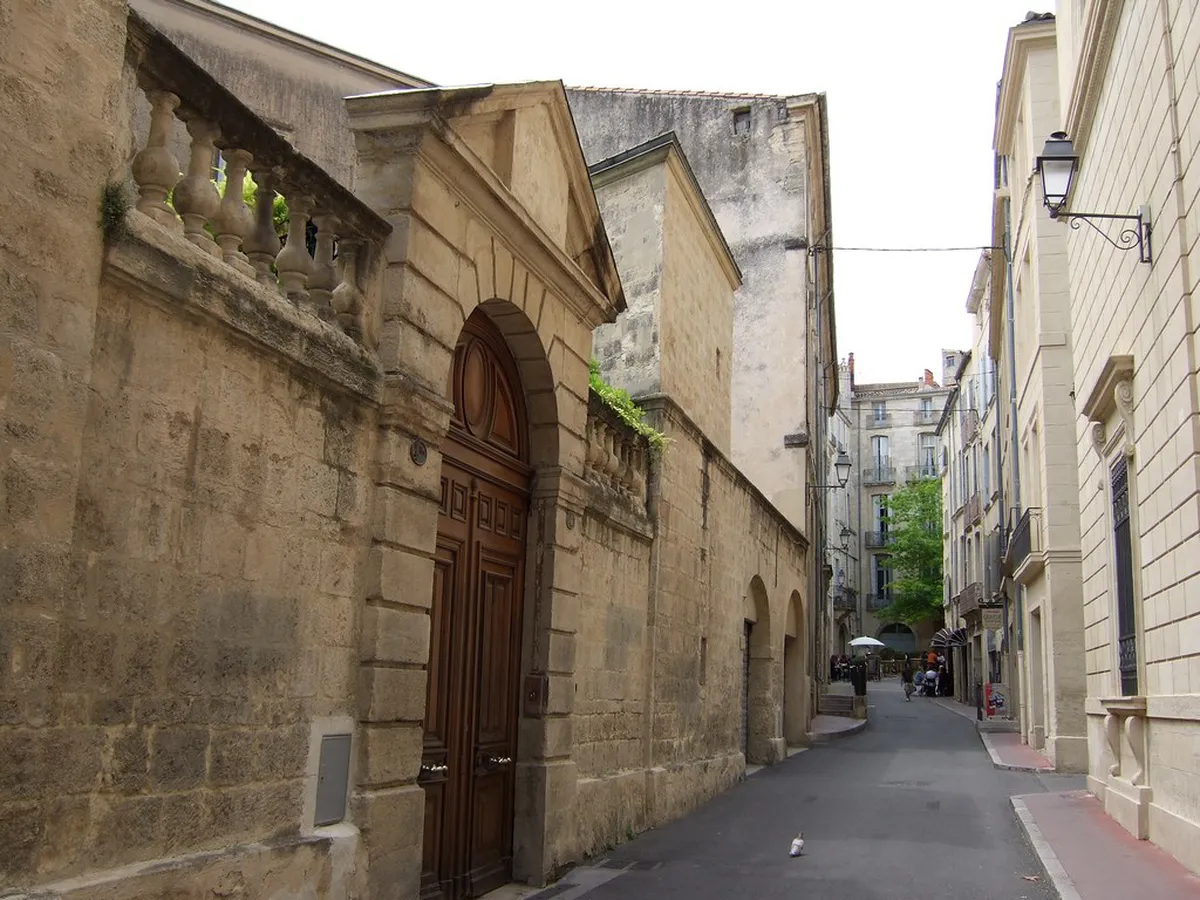
The greatest strength of 10 Best Things to Do in Montpellier 2026 (Local Guide) is the compact, car-free historic core. Walking through the Écusson district feels like stepping back into the 13th century, but with excellent coffee shops and independent boutiques at every turn. Streets like Rue du Bras de Fer, Rue de l'Ancien Courrier, and Rue de la Vieille are particularly beautiful in the morning before the city gets busy.
One of the most memorable experiences is watching the sunset from the Promenade du Peyrou. On clear days the view stretches all the way to the Pic Saint-Loup mountain. The 18th-century Saint-Clément Aqueduct beside the promenade is one of the most underrated engineering marvels in southern France. A Sunday flea market takes over the terrace, where you can find vintage French linens and antique furniture.
Overall, the pros far outweigh the cons for a two-to-three-day city break. Cultural density is high enough that you will never run out of things to see, and pricing stays genuinely affordable. It is a city that rewards those who wander away from the main plazas into the quieter residential lanes.
- What visitors love most: over 300 sunny days per year, a vast car-free historic center, world-class art at Musée Fabre, an affordable tram network, and excellent local Languedoc wine
- What may disappoint: beaches require a 20-minute tram ride, intense July and August heat, tourist-facing cafes on Place de la Comédie charge elevated prices, many small shops close for lunch between 12:30 and 14:30
Must-See Montpellier Attractions
Your visit should begin at the Place de la Comédie, the oval-shaped heart of the city dominated by the Opéra Comédie and the Three Graces fountain. It is the perfect spot for people-watching while sipping a local espresso. The Grand Hôtel du Midi Montpellier sits right on the square if you want to be in the middle of the action.
The University of Montpellier and Faculty of Medicine is an essential stop for history lovers. Founded in the 12th century, it is one of the oldest medical schools in the world still in operation. Guided tours reveal the old anatomy theatre, historic library, and pharmacy collections — check ahead as they do not run every day. The nearby Saint-Pierre Cathedral is striking: it looks more like a fortress than a church, with massive twin pillars supporting a vaulted porch.
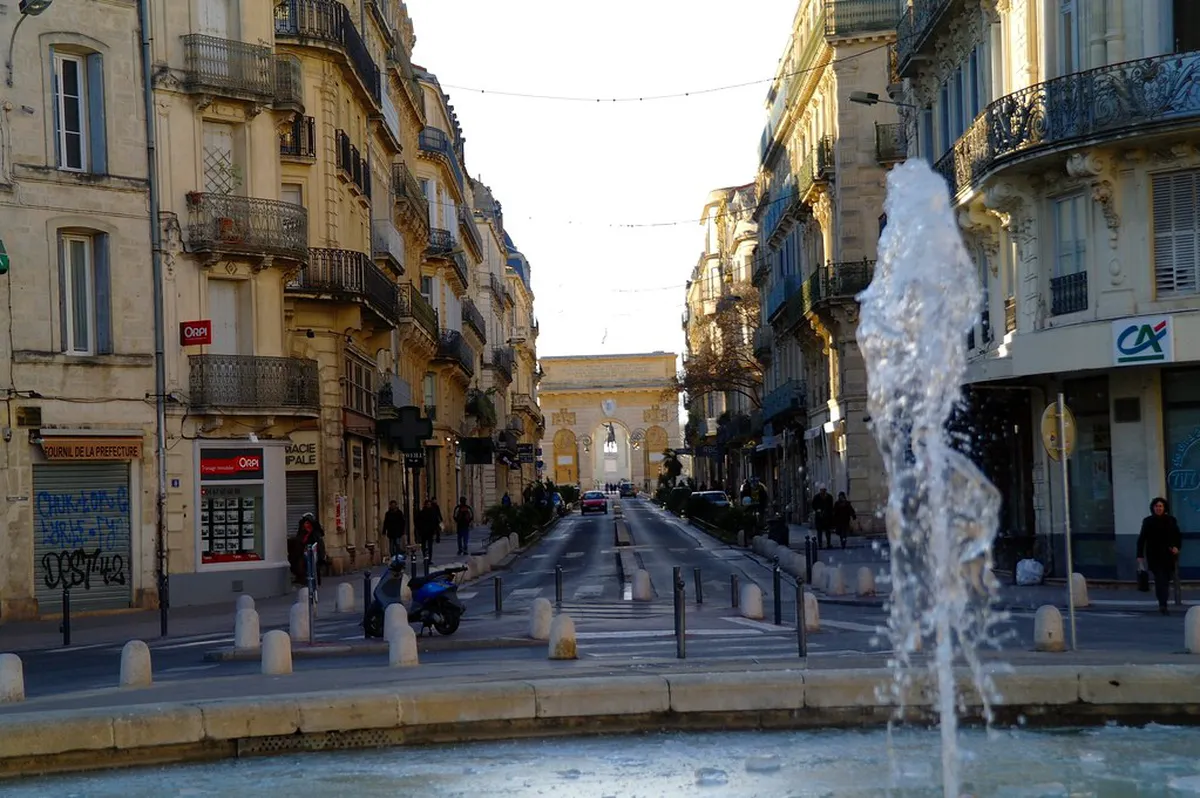
The Arc de Triomphe (Porte du Peyrou), built in the 1690s to honor Louis XIV, marks the entrance to the Promenade du Peyrou. Walking through it and onto the elevated terrace gives you the best urban panorama in the city. La Tour de la Babote, a remnant of the medieval fortifications, is tucked between modern buildings nearby and easy to miss — but worth seeking out on a self-guided walk around the old quarter.
Many independent shops in the historic center close for a long lunch break between 12:30 and 14:30. Use this window to enjoy a proper sit-down meal at a local bistro, where you can expect to pay €15 to €25 for a solid two-course lunch formule.
Museums, Art, and Culture in Montpellier
Art lovers will find the Musée Fabre is one of France's best regional art museums. Located just off the Esplanade Charles-de-Gaulle, it holds an extensive collection spanning from the Renaissance through to contemporary work, including pieces by Courbet and Delacroix. The building is 19th-century with well-lit modern additions. You can see the main collection comfortably in about 90 minutes; admission is around €8 for adults.
For something more contemporary, explore MO.CO. (Montpellier Contemporain), which operates two sites in the old town. MO.CO. Hôtel des Collections and MO.CO. Panacée — a former convent — both create an interesting contrast between historic architecture and cutting-edge international exhibitions. Check the exhibition calendar before visiting as shows rotate regularly.
Montpellier is also home to some exceptional trompe-l'œil murals hidden throughout the old town. The most impressive is on Rue de l'Aiguillerie, where a multi-storey painting shows imagined residents leaning out of windows, reading, and hanging laundry. Another strong example sits near Place Saint-Roch. Street art is a growing part of the local culture, particularly in the Saint-Roch neighborhood, where the mix of ancient architecture and modern murals captures the city's dual identity.
Parks, Gardens, and Outdoor Spots in Montpellier
The Jardin des Plantes is a peaceful sanctuary founded in 1593, making it the oldest botanical garden in France. It features ancient trees and rare medicinal plants reflecting its origins in the medical faculty. Entry is free and it rarely feels crowded — the slightly overgrown, lived-in atmosphere is part of the appeal. Locals clearly use it, and it is a great place to sit under a 200-year-old ginkgo tree and escape the heat.
The city is in the middle of a serious greening strategy. The mayor committed to planting 50,000 trees by 2026, and new saplings are already visible along tram routes and in newer districts. East of the centre, the River Lez corridor is a popular green escape used by cyclists, walkers, and canoeists. The riverside Marché du Lez — a cluster of old agricultural buildings now home to street food stalls, boutiques, and bars — is worth an afternoon visit.
For a day out of the city, the river swimming at Pont du Diable is one of Montpellier's best-kept open-air secrets. A bus from the city centre reaches the Devil's Bridge near the gorgeous village of Saint-Guilhem-le-Désert in about 40 minutes. Locals leap from rocks into the cool green waters of the Hérault River. Several companies including Canoë Rapido hire out canoes and collect you downriver, making for an easy half-day adventure that most short-stay visitors completely miss.
Family-Friendly and Budget-Friendly Options in Montpellier
Traveling with kids is straightforward here thanks to the many pedestrian zones and an excellent tram network. The Mare Nostrum aquarium at the Odysseum complex is one of the top picks — interactive exhibits keep children engaged for two or more hours. The tram ride to Odysseum on line 1 is an adventure in itself for younger travelers, with Christian Lacroix's vivid marine designs on lines 3 and 4.
Budget-conscious visitors will find plenty of 15 Best Free Things to Do in Montpellier. Saint-Pierre Cathedral and the Jardin des Plantes both cost nothing to enter. A picnic at the Esplanade Charles-de-Gaulle with a baguette and local cheese from the Marché des Arceaux costs just a few euros and beats any restaurant meal for value. The Promenade du Peyrou Sunday flea market is free to browse.
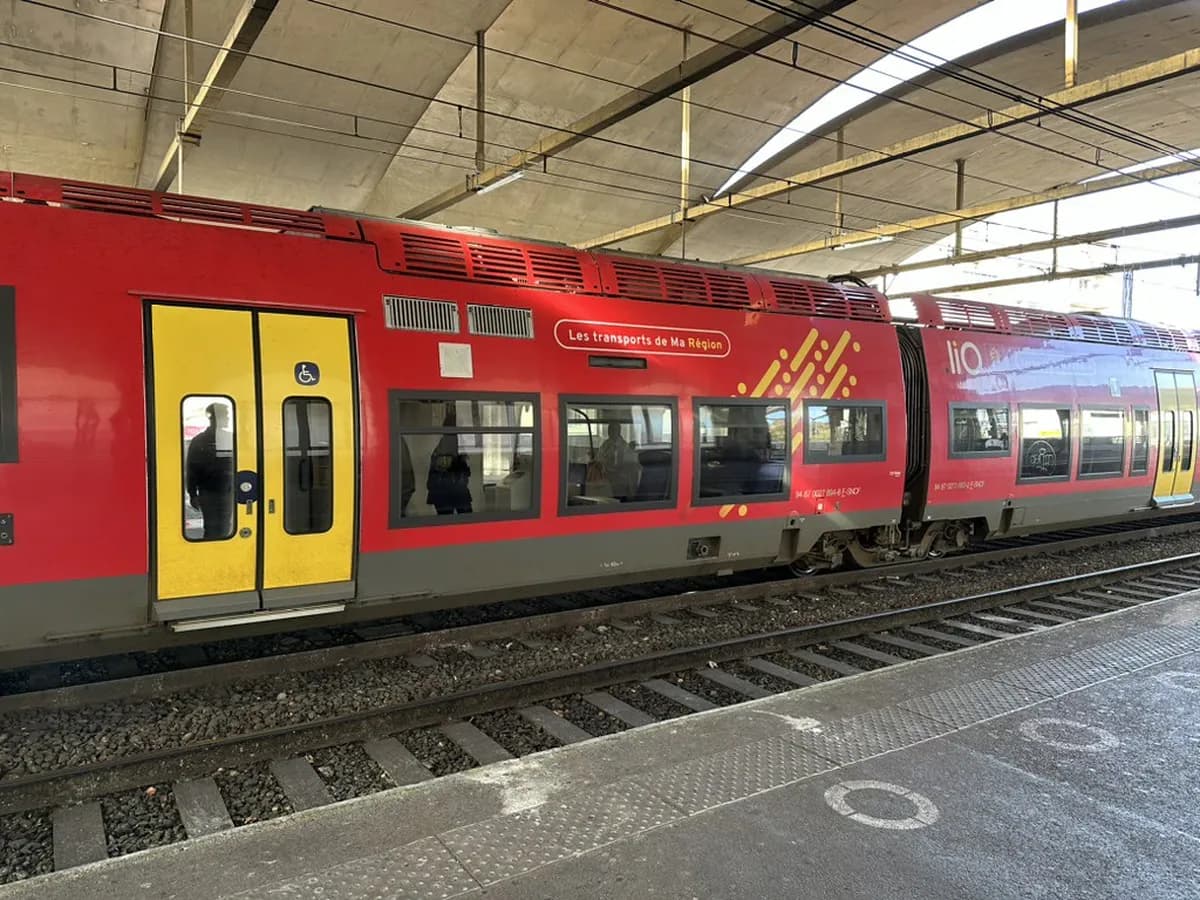
Transport costs are also low by French city standards. A single tram ticket is around €1.80 and day passes are available for €3.60. Montpellier was the first French city to make all public transport free for its residents — visitors still pay, but the system is so affordable and well-designed that renting a car is genuinely pointless here. The Vélomagg city bike scheme is another budget-friendly option for covering more ground, with docking stations spread across the centre.
How to Plan a Smooth Montpellier Visit
Planning your day requires knowing that many independent shops close for a long lunch break between 12:30 and 14:30. Use that window for a proper sit-down meal at a local bistro. Expect to pay €15 to €25 for a solid two-course lunch formule. Typical museum admission runs €8 to €12 per adult; most major sites open daily from 10:00 to 18:00 but check for Monday closures.
The beaches at Palavas-les-Flots and Carnon are reachable by tram line 3 in about 30 minutes plus a short walk. This is the standard local approach — nobody drives to the beach. If you prefer river swimming, the Pont du Diable bus route is the less-obvious but more scenic choice, especially in late summer when the sea is still warm but the crowds thin out.
Best time to visit: Late summer (September) and spring (April to early June) offer the best balance of warmth and manageable crowds. July and August bring intense heat and festival crowds. February is surprisingly good for budget travelers: mild sunny afternoons, lower hotel rates, and a city that feels authentically local rather than tourist-facing. Day trip vs. overnight: Stay at least two nights. Day-trippers miss the magical evening atmosphere when the limestone buildings glow under the streetlights. The Jost Hotel Montpellier offers a modern rooftop pool and dorms alongside private rooms, making it a strong choice for solo travelers and couples alike.
Montpellier's "Berlin by the Med" Creative Scene
The side of Montpellier that most travel guides miss is its ongoing reinvention as a creative and multicultural city. Le Halle Tropisme, a former 1913 machine hall in the Saint-Roch district, has been transformed into a vast creative village hosting live music, clubbing, festivals, pétanque, street food, natural wine stalls, and craft beer bars. It is the city's answer to Berlin's techno culture — but with Mediterranean sunshine and a glass of Picpoul de Pinet in hand.
The Figuerolles district, southwest of the centre, has a villagey but gritty character that feels genuinely multicultural. It is one of the best places to eat inexpensively and authentically: Moroccan grills, Afghan takeaways, and old-school French bistros sit side by side on the same street. The neighbourhood reflects Montpellier's centuries-long identity as a trading crossroads — spice merchants from across the Mediterranean made this a tolerant, diverse city back in the 12th century.
The Estanove area and the Cité Créative — a cluster of schools devoted to animation, games art, and creative industries — point to where the city is heading. Parc Montcalm nearby hosts family picnic days and outdoor concerts. This newer edge of Montpellier is worth an afternoon if you want to see beyond the postcard version of the historic centre.
Hidden Gems in Montpellier: Unique Things to Do
Beyond the main squares, seek out 10 Hidden Gems in Montpellier: A Local's Secret Guide that most visitors rush past. Place de la Canourgue is the oldest square in the city and feels like a secret garden: leafy, quiet, and with cathedral spire views through the trees. It is the most romantic spot for an evening drink. The absence of loud music and traffic makes it a true urban escape.
The Marché des Arceaux on Tuesday and Saturday mornings is one of the finest food markets in southern France. Held under the arches of the old aqueduct, it has a very local feel and an extraordinary photogenic setting. Fresh vegetables, artisan cheese, charcuterie, plants, and baked goods line the stalls. I bought the best goat cheese I have ever tasted there for under €3.
For a genuinely offbeat experience, look for the vintage and secondhand shops concentrated in the Saint-Roch district. Mireille Café Moderne combines a charity shop, sewing corner, vegetarian cafe, and occasional comedy venue in a single space on the same block. A few steps away, the Pomme de Reinette et Pomme d'Api games shop sells antiques, retro toys, and vintage tarot decks. These small, independent businesses give the neighborhood a character that no guidebook can fully capture.
Montpellier has one of the finest food markets in southern France at Marché des Arceaux, held Tuesday and Saturday mornings under the arches of the old aqueduct. Fresh goat cheese can be found for under €3, and the setting itself is extraordinarily photogenic.
Frequently Asked Questions
How much time should you plan for visiting Montpellier?
Plan for at least two to three days to see the main sights. This allows time for the old town, the museums, and a quick trip to the beach. If you use it as a base for wine tours, stay five days.
What should travelers avoid when planning a trip to Montpellier?
Avoid driving into the city center, as it is mostly pedestrianized and parking is very expensive. Also, don't eat every meal on Place de la Comédie. Wander into the side streets for better food and lower prices.
Is Montpellier safe for solo travelers?
Yes, it is generally very safe. Like any large city, watch out for pickpockets in crowded tram stations or busy markets. Stick to well-lit areas at night and follow basic travel safety tips.
Montpellier is a rare city that manages to be both historic and trendy without feeling fake. Whether you are there for the art, the wine, the river swimming, or the creative nightlife scene, you will likely leave wanting more. The city's commitment to green spaces, pedestrian-first design, and multicultural energy makes it genuinely different from any other city in southern France.
If you are debating is Montpellier worth visiting, the answer is a resounding yes. It offers a polished yet lively French experience that is hard to find elsewhere. Pack your walking shoes and prepare to be charmed by this southern gem.
You might also like

Continue reading
More guides you'll find useful


