10 Best Things to Do in Kaysersberg: A Complete Travel Guide
Discover the 10 best things to do in Kaysersberg near Colmar. Walking tour map, castle ruins, museums, wine tastings, and perfect Alsace day trip tips.
On this page
10 Best Things to Do in Kaysersberg
Kaysersberg stands out as one of the most enchanting stops along the famous Alsace Wine Route. Voted the "Favorite Village of the French" in 2017, it captures hearts with its medieval charm. Travelers often visit this gem while exploring the Colmar old town area nearby. Just 12 km and roughly 10 minutes by car from Colmar, it makes for an effortless half-day excursion that many visitors rank as the highlight of their Alsace trip.
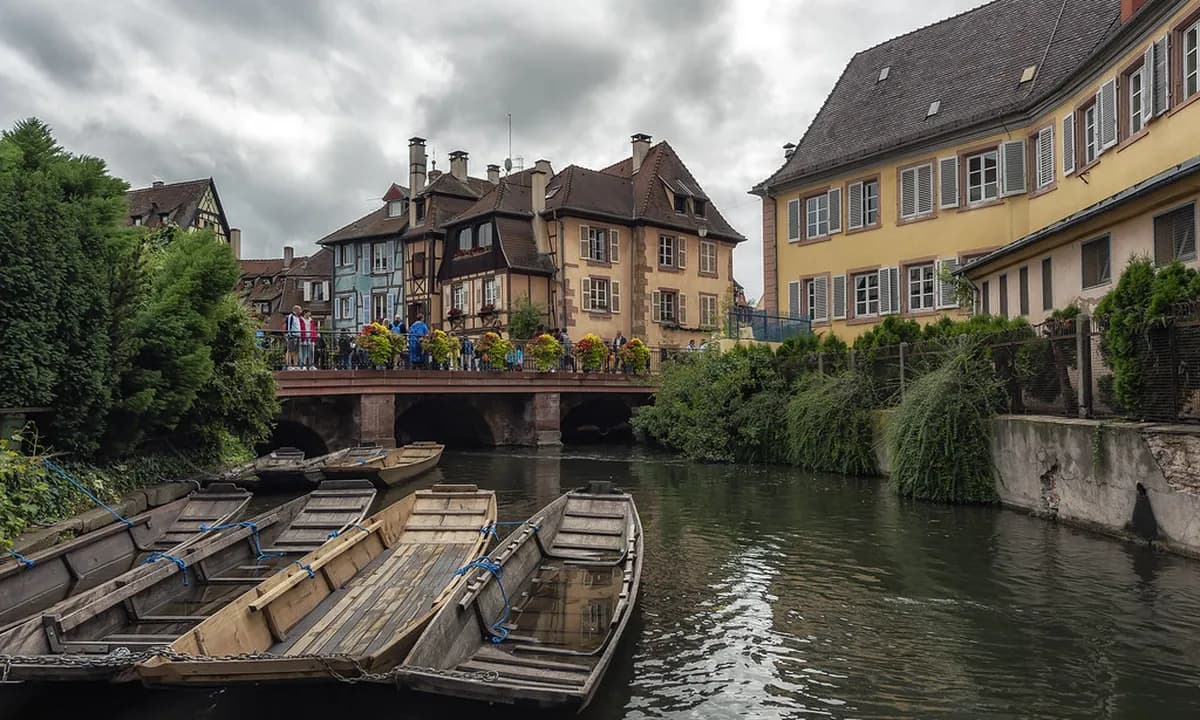
Walking through the narrow streets feels like stepping back into a classic storybook world. Brightly colored half-timbered houses line the banks of the peaceful Weiss River. Whether you seek history or fine wine, this destination provides a rich and rewarding experience. Our guide covers every main sight, the self-guided walking route, parking strategy, and what to do after the day-trippers leave.
Discover the Top Must-See Attractions
The Château de Kaysersberg is the most dominant landmark overlooking the entire valley. Built by the Lords of Ribeaupierre in the 13th century, the castle guarded the mountain passage running west through the valley. Entry to the grounds is free, and the cylindrical tower — 11 metres in diameter with walls nearly 4.5 metres thick — rewards climbers with sweeping views over the vineyards and the Vosges peaks beyond. Expect roughly 100 steps, and bring a torch as the stairwell gets dark near the top.
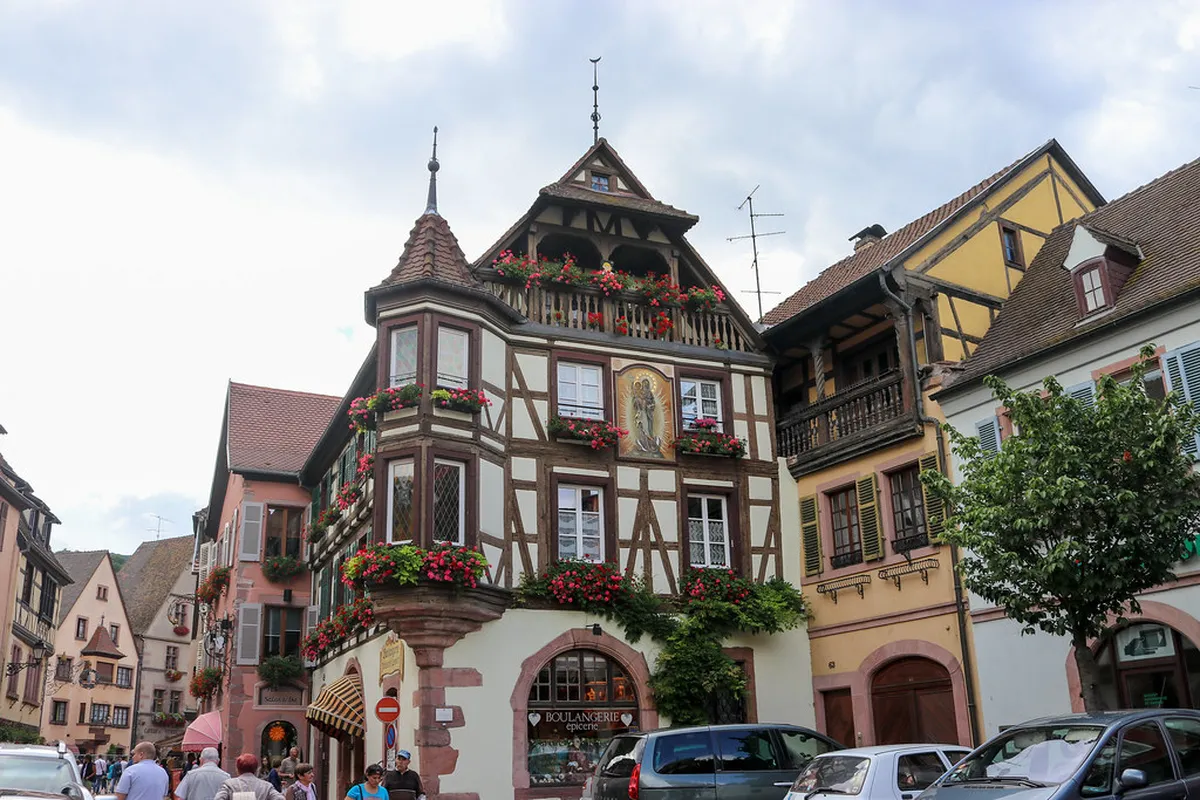
The Fortified Bridge, the Pont Fortifié, is another essential stop and dates to 1514. It is the only bridge of its kind remaining in the region and features a small defensive chapel built into the structure. Look closely at the carved heraldry: a double-headed eagle representing the Holy Roman Empire and a purse symbolising trade. On the western side stands the Maison Faller-Brief, a half-timbered building from 1593 that makes for one of the most photographed facades in Alsace and is a natural stop on any Alsace Wine Route itinerary.
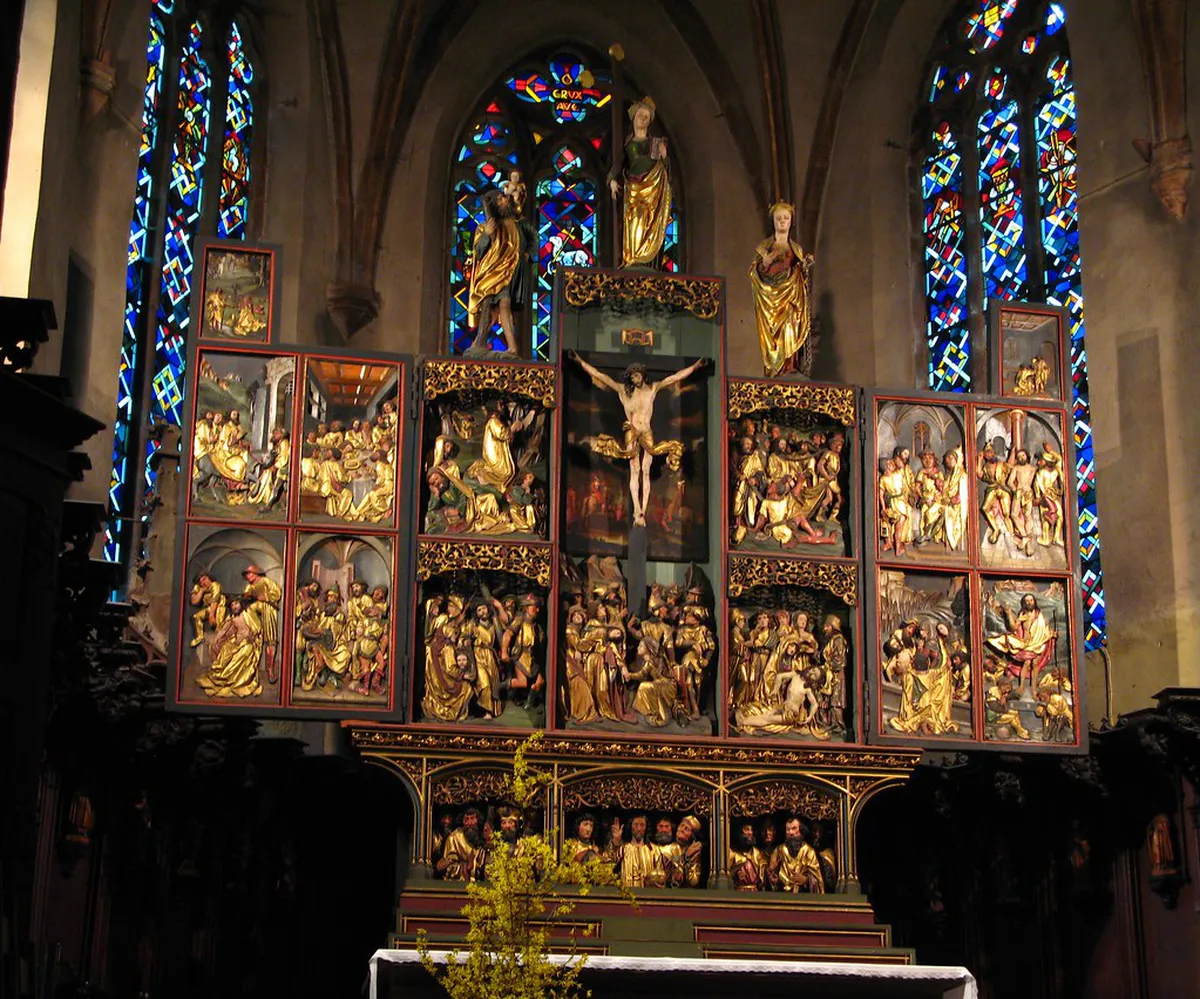
Rue du Général de Gaulle serves as the main artery of the historical center. This street showcases some of the finest examples of timber-framed buildings in France. Look for the Maison Loewert with its distinctive painted facade, overflowing flower boxes, and a bakery inside. The street comes alive with local shops selling traditional pottery, regional delicacies, and some of the area's best Riesling and Pinot Gris direct from domain cellars.
Explore Local Museums, Art, and Culture
The Musée Albert Schweitzer is a deeply moving site located in the house where the Nobel Peace Prize laureate was born in 1875. The museum was fully renovated and reopened in summer 2023, giving it a fresh, modern feel while preserving personal artifacts from Schweitzer's decades of medical work in Gabon, Africa. Exhibits cover his efforts to combat leprosy and other diseases alongside the philosophical theme he called "Respect for Life" — a conviction that every living being has intrinsic worth. Tickets cost €7 for adults and €5.50 reduced; the museum is open Tuesday to Saturday 10:00–12:00 and 14:00–17:00, with Sunday openings added from June through September.
Even if you skip the entry fee, the Albert Schweitzer park opposite the museum displays short extracts of his philosophy on panels around the grounds. This gives you a meaningful introduction to the man at no cost before you continue down the main street. Schweitzer's legacy adds a layer of depth that most wine-route villages simply do not have.
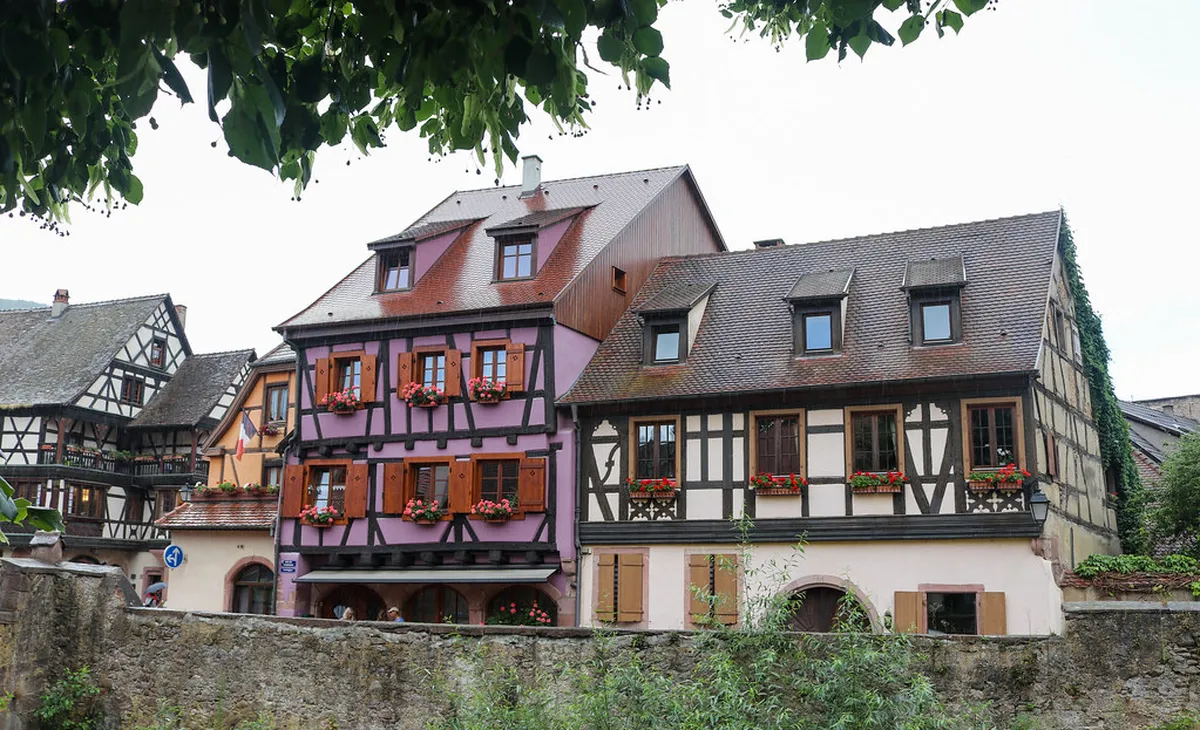
Église Sainte-Croix is a Romanesque and Gothic church at the heart of the village. Inside, a magnificent wooden altarpiece created in 1518 dominates the nave, and large stained-glass windows fill the space with color. The entrance portal is distinctly Romanesque while the rest of the building evolved across several centuries — a quality that architectural historians specifically come to Kaysersberg to study. Outside, the Fontaine Constantin occupies the adjacent square, centered on a 16th-century statue of Emperor Constantine holding a holy cross. The surrounding square with its flowered facades is a natural rest stop midway through your walk.
Follow the Self-Guided Walking Tour Route
The standard walking loop begins at the car park at the western end of town. Cross to the Albert Schweitzer park and museum, then follow Rue du Général de Gaulle east toward the center. After the Fortified Bridge, turn left onto the small street past the old city gate. Just beyond the gate, make a short detour to the Alte Holzbrücke viewpoint — an old wooden bridge position that provides a different angle on the timbered houses and the river that most visitors walk straight past. The signed path to the castle rises steeply from here through the trees.
From the castle, take the flat track along the hillside through the vineyards. The views back toward the castle ruins with the village below are the best photos of the day. Return via steps descending past an old defensive wall, pass through the archway, and you emerge at the Place de l'Hôtel de Ville, the main town square. The Tourist Information Office is in the Renaissance Town Hall on that square — built in 1604 with a vaulted inner courtyard — and is open Monday to Saturday 09:00–12:30 and 14:00–18:00. The whole loop takes two to three hours at a relaxed pace; add an extra hour if you plan to sit at a cafe, visit the museum, or browse the shops.
You can download a .gpx or .kml file for GPS navigation via the Ostrich Trails walking guide linked in our resources section. The .kml format opens directly in Maps.me if you prefer offline navigation on your phone. This is especially useful when the side streets between the Fontaine Constantin square and the river get confusing.
The Château de Kaysersberg dates from the 13th century and was built to guard the mountain passage through the valley. The cylindrical tower stands approximately 11 metres in diameter with walls nearly 4.5 metres thick. Climbing the roughly 100 steps to the top rewards visitors with sweeping views over the vineyards and Vosges peaks—bring a torch as the stairwell gets dark near the top.
Enjoy Parks, Gardens, and Outdoor Spots
The vineyard walk on the hillside above the castle is a highlight many first-time visitors overlook. You follow a gentle, flat track through the rows of vines with the castle ruins above and the village rooftops below. This is the terrain that produces the Kaysersberg Grand Cru — a Riesling appellation with one of the most distinctive mineral profiles in Alsace. Spring and autumn deliver the most comfortable temperatures, though the vines are most visually striking in late September when the leaves begin to turn.
The banks of the Weiss River offer a peaceful retreat from the busier tourist streets. Small green spaces along the water are ideal for a picnic, and you can watch the current pass beneath the old mills and stone fortifications that line the banks. Many visitors settle on the benches near the Fortified Bridge for late-afternoon light on the half-timbered facades.
For a longer excursion, follow the trails leading up into the Vosges mountains. The terrain becomes more rugged and opens into deep forest and fresh highland air. The Tourist Office also rents bikes and e-bikes by the half-day or full day — a practical option for reaching the outer valley towns without a car and one that no other competitor guide seems to mention. Ask at the Town Hall office on Place de l'Hôtel de Ville to check availability and rates.
Find Family-Friendly and Budget Options
Exploring the village on foot costs nothing beyond snacks and a coffee. Children genuinely enjoy the physical challenge of climbing up to the castle tower, and the wide stone paths are manageable for most ages. The castle entry is free, the Albert Schweitzer park is free, and the church is free to enter — a family of four can spend a full morning without paying admission anywhere. Local bakeries along Rue du Général de Gaulle sell pretzels, kouglof slices, and seasonal pastries at very reasonable prices.
The free things to do in and around Colmar form a natural partner to a Kaysersberg visit, and you can read our guide to free things to do for a combined day plan. The shaded river banks near the bridge are the best picnic spot: grab food from the Maison Loewert bakery on the main square, then walk two minutes to the water. Families with older children should budget an extra hour for the vineyard walk above the castle, which is flat enough for most fitness levels but long enough to feel like a proper adventure.
Plan Your Perfect Kaysersberg Day Trip
Most visitors include this village as part of a Colmar itinerary for the weekend. The drive from Colmar takes about 15 minutes through scenic country roads — just follow the D415 west. If you are without a car, Bus 145 runs from Colmar bus station to Kaysersberg several times daily; the journey takes around 25 minutes and costs a few euros. Plan to spend at least four hours to see the main sights comfortably; a full day is better if you intend to hike the vineyards or explore the wider valley.
| Transport Method | Duration | Cost | Notes |
|---|---|---|---|
| Car (via D415) | 15 minutes | Petrol only | Scenic country roads; follow D415 west from Colmar |
| Bus 145 | ~25 minutes | A few euros | Runs several times daily from Colmar bus station |
Arriving before 10:00 is the single most useful thing you can do. The large coach tours begin arriving around mid-morning, and by noon the Rue du Général de Gaulle is significantly busier. The morning light is also far better for photography along the river and the Fortified Bridge. Many shops and the museum observe a traditional French lunch break, typically between 12:00 and 14:00, so plan your sightseeing order around that gap. Check the Kaysersberg Tourist Office website for updated 2026 seasonal hours before you travel.
The Fortified Bridge (Pont Fortifié) dates to 1514 and is the only bridge of its kind remaining in the region. It features a small defensive chapel built into the structure and displays carved heraldry including a double-headed eagle representing the Holy Roman Empire and a purse symbolising trade. On the western side, the half-timbered Maison Faller-Brief from 1593 creates one of the most photographed facades in all of Alsace.
Explore the Heart of the Kaysersberg Valley
The valley is made up of eight towns that stretch from the Alsatian vineyards through the Welche cultural region up to the Route des Crêtes, the high-altitude road that runs along the crest of the Vosges. On a clear day from the Route des Crêtes you can see both the Vosges peaks to the west and the Black Forest across the Rhine in Germany to the east. This broader geography is what the Kaysersberg Tourist Office describes as the "valley experience" — and it is genuinely distinct from a single-village visit.
Each town in the valley has its own specialty. Kientzheim just east of Kaysersberg has a walled medieval center and produces excellent Alsace Grand Cru wines under the Schlossberg appellation. Ammerschwihr slightly further south is known for its Pinot Noir. A car or e-bike makes it easy to hop between these smaller communities in a half-day loop. Cyclists will find the valley roads largely flat between the villages, making the e-bike rental from the Kaysersberg Tourist Office a genuinely practical option rather than just a novelty.
Use Local Insights and Practical Travel Tips
Parking fills fast in high season. The western car park at the entrance to town is the most convenient starting point for the walking route and tends to have more space than the central lots. Arriving before 10:00 gives you the best chance of a spot. The central parking areas charge a small fee payable at coin-operated machines; bring change. If both western and central parks are full, there is overflow parking further along the road before the village — a five-minute walk to the main gate.
The Liesel concept promoted by the local tourist office is worth knowing about. Liesel is a fictional local character whose "nuggets" point travelers toward genuine local spots: a winstub (traditional Alsatian wine-tavern) that does not appear in guidebooks, a small village festival in one of the valley towns, or a domain offering tastings by appointment. Following the Liesel recommendations on the tourist office website is a reliable way to avoid the most tourist-facing establishments on the main street and find something more local.
The cobblestone streets are beautiful but uneven, particularly on the paths descending from the castle. Wear shoes with grip. If you are traveling with a pushchair or mobility aids, the flatter riverside walk and the main street are accessible, but the castle path is not recommended. The village is compact enough that you will not need a map for the lower section — the Fortified Bridge and the church are visible from most points on the main street.
Attend Annual Events and Christmas Markets
The Kaysersberg Christmas market runs through December and is consistently ranked among the most authentic in Alsace. Unlike the large commercial markets in Colmar or Strasbourg, Kaysersberg's version is deliberately small-scale: wooden chalets sell handmade crafts, local ceramics, and seasonal food rather than mass-produced trinkets. The smell of mulled wine, vin chaud, and gingerbread fills the main street throughout the month. Crowds are significantly higher than in summer — parking becomes extremely difficult on weekends — but the atmosphere justifies the effort for most visitors.
Summer brings the Fête du Vin, the wine harvest festival that celebrates the local Grand Cru vineyards. These events provide a genuine opportunity to taste wines poured by the producers themselves in an outdoor setting. Many of the celebrations are free to enter and include traditional Alsatian folk music and regional food stalls. Check the valley events calendar on the tourist office website for 2026 specific dates, as the exact weekends shift slightly each year.
Choose the Best Places to Stay
Staying overnight lets you experience the village after the day-trippers leave, typically by 18:00. The atmosphere changes noticeably: the main street quiets, restaurants shift to a more local clientele, and the half-timbered facades glow under the street lighting. Hotel Les Remparts is a well-regarded 3-star option beside the historical walls, close enough to the center to walk everywhere while remaining quiet. Many rooms have vineyard views and the hotel offers free parking in front — a significant practical advantage during peak season.
For a 4-star stay, Hotel KLE is housed in a fully renovated historic building in the village center, with some rooms retaining original wooden beams. Guest parking is available nearby at roughly €5 per day. Several well-reviewed apartments — including gîtes on the main street with river-view windows — offer better value for families or groups who want a kitchen. Book well in advance for the Christmas market period: rooms fill months ahead, and last-minute options are scarce. If availability is tight, staying in Colmar and making Kaysersberg a day visit is an equally practical choice.
See our main Colmar attractions guide for the broader overview.
Frequently Asked Questions
Which Kaysersberg options fit first-time visitors?
First-time visitors should focus on the castle ruins, the fortified bridge, and the Albert Schweitzer museum. These sites offer a perfect introduction to the history and beauty of the village. Be sure to walk the main street for shopping and local snacks.
How much time should you plan for Kaysersberg?
Plan for at least four to six hours to see the main sights and enjoy a local meal. If you intend to hike the vineyards or visit the wider valley, a full day is better. Many travelers combine it with other day trips in the region.
What should travelers avoid when planning a trip to Kaysersberg?
Avoid arriving late in the day during peak season, as parking becomes nearly impossible. Do not wear high heels or thin-soled shoes on the steep, uneven cobblestones. Also, try to avoid the busiest weekend afternoons if you prefer a quieter experience.
Is Kaysersberg worth including on a short Alsace itinerary?
Yes, it is widely considered one of the most beautiful villages in France and is very close to Colmar. Even a two-hour stop allows you to see the iconic bridge and enjoy the atmosphere. It provides a more intimate feel than the larger cities.
Kaysersberg remains a highlight for anyone traveling through the beautiful Alsace region. Its combination of medieval history, Grand Cru vineyards, and stunning natural scenery is genuinely unique. From the castle ruins and the heraldic Fortified Bridge to the intimate Christmas market and the broader valley of eight towns, there is something here for every type of traveler. Plan your 2026 visit today to see why it was named the favorite village of the French.
You might also like


Continue reading
More guides you'll find useful