12 Best Things to Do in Strasbourg 2026
Plan your 2026 trip to Strasbourg with our guide to the 12 best things to do, from world-famous Christmas markets to hidden local gems and safety tips.
On this page
12 Unmissable Things to Do in Strasbourg for 2026
My first visit to Strasbourg felt like stepping into a hand-painted storybook where every timbered house whispered a secret. Having returned four times over the last decade, I have watched this Alsatian capital evolve into a modern hub while keeping its medieval soul. If you are wondering is Strasbourg worth visiting in 2026, the city remains one of Europe's most rewarding destinations.
This guide was last refreshed in January 2026 to ensure all pricing and seasonal event details are current for your upcoming trip. The city is currently preparing for major cultural celebrations, making it the perfect time to explore beyond the typical tourist paths. You will find that the mixture of French elegance and German efficiency creates a travel experience unlike any other in France.
While most travelers flock to the main squares, I recommend skipping the generic retail chains on Rue de la Haute Montée. These stores offer the same products found in any global city and lack the authentic charm found in the Krutenau district. Focus instead on the independent artisans and historical sites that make this border city truly unique and memorable.
Attraction Guides
Key Takeaways
- Best overall: Cathédrale Notre-Dame-de-Strasbourg and its astronomical clock.
- Best for families: Parc de l'Orangerie with its free zoo and stork nests.
- Best rainy-day: The Alsatian Museum or the Palais Rohan museum complex.
- Best free activity: Walking through the timbered streets of La Petite France at sunrise.
12 Best Things to Do in Strasbourg 2026
Our curated list for 2026 focuses on a balance of world-famous landmarks and quiet, local experiences that define the region. We have grouped these items into three clusters: the historic heart, cultural deep-dives, and modern European adventures. This structure ensures you can plan a varied itinerary whether you have one day or an entire week to explore.
The historic heart includes the soaring cathedral and the winding canals of the Petite France neighborhood. These sites are the most popular for a reason, offering the most iconic photography opportunities in the entire Alsace region. For those visiting in winter, the Strasbourg Christmas market guide will be your primary resource for navigating the festive crowds.
Beyond the landmarks, we explore the cultural fabric through museums and the unique European Parliament district. Each of these locations offers a different perspective on how Strasbourg serves as a bridge between nations and eras. Be sure to check official schedules as some modern institutions require advance booking for security reasons.
- The Historic Strasbourg Christmas Markets
- Strasbourg transforms into the Capital of Christmas with dozens of wooden chalets selling local handmade crafts.
- Most markets open daily from late November through December 24, and entry is entirely free for all visitors.
- Head to Place Broglie for the most authentic food and avoid the main square on busy Saturday afternoons.
- Cathédrale Notre-Dame-de-Strasbourg and Platform
- This gothic masterpiece dominates the skyline with its single spire and intricate pink sandstone facade.
- The main nave is free, but climbing the 332 steps costs 10€ for adults to climb up the cathedral.
- Arrive by 12:00 to catch the astronomical clock's daily parade of apostles within the south transept.
- Stroll Through Historic La Petite France
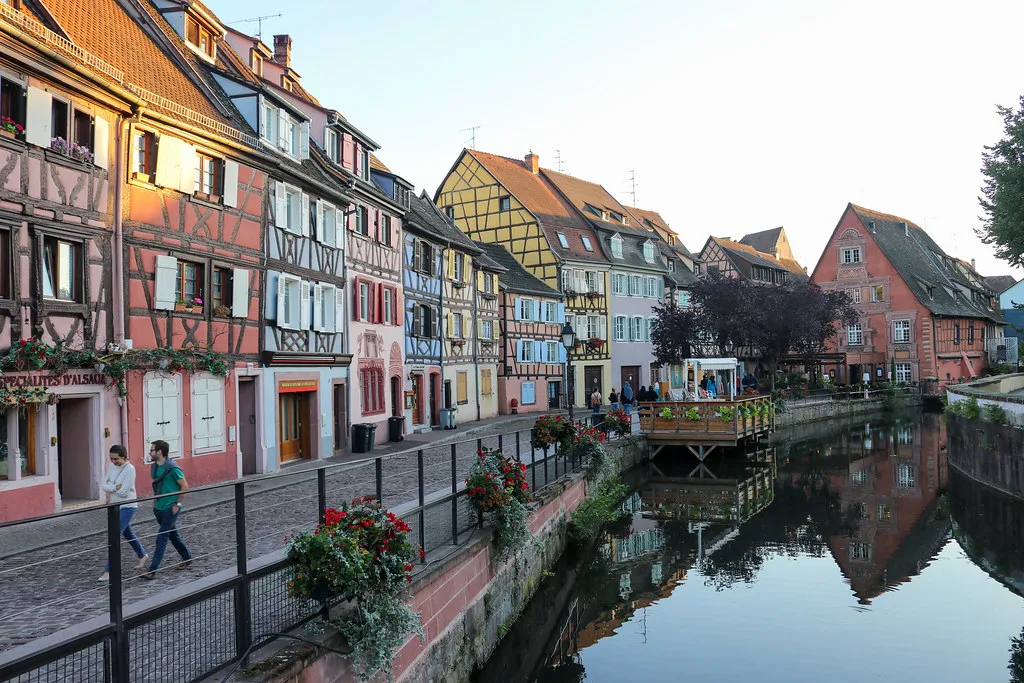
- This former tanners' district features black-and-white half-timbered houses reflecting off the quiet canal waters.
- The area is completely pedestrianized and free to wander, making it ideal for a slow morning walk.
- Look for the Maison des Tanneurs to see the most famous example of traditional 16th-century Alsatian architecture.
- Batorama Electric River Cruise
- Gliding through the city's locks on a silent electric boat provides a unique vantage point of the historic center.
- Adult tickets for the standard tour cost between $16 and $20 depending on the season and route choice.
- Book your time slot online at least two days in advance to secure a seat on the open-top boats.
- The Alsatian Museum (Musée Alsacien)
- Housed in three former private residences, this museum showcases the daily life and traditions of rural Alsace.
- General admission is roughly $7.50, and the museum is open daily from 10am to 6pm except on Tuesdays.
- Follow the 'staircase of time' layout to see how local furniture and folk art evolved over three centuries.
- Photography in the Neustadt District
- The German Imperial Quarter offers wide boulevards and monumental architecture that contrasts sharply with the medieval old town.
- This area is free to explore and features the stunning Palais du Rhin and the National University Library.
- Visit during the 'Blue Hour' just after sunset to capture the best lighting on the Prussian-style stone buildings.
- Sunset Views at Barrage Vauban
- This 17th-century fortified bridge and dam offers a panoramic terrace overlooking the Ponts Couverts and the Cathedral.
- The roof terrace is free to access and typically stays open from 8am until the sun sets.
- The viewpoint at sunset was packed by 6pm during my last trip, so go an hour earlier for space.
- Relax at Parc de l'Orangerie
- Located near the European institutions, this is the city's oldest park and a favorite for local families.
- Access to the park and the small zoo area is free, though small boat rentals carry a fee.
- Keep an eye out for the nesting storks, which are the symbolic bird of the entire Alsace region.
- Visit the European Parliament
- Strasbourg is the official seat of this institution, and visitors can tour the impressive hemicycle chamber for free.
- Public visits are generally available during non-session weeks from Monday to Saturday, but check the official calendar.
- You must bring a valid passport or national ID card to pass through the mandatory security screening process.
- Cave Historique des Hospices de Strasbourg
- Hidden beneath a hospital, this ancient wine cellar houses the oldest wine in a barrel, dating back to 1472.
- Entry to the cellar is free, though you can pay for a small audio guide or wine tastings.
- The temperature remains a constant 54 degrees Fahrenheit, so bring a light sweater even during the summer months.
- The Palais Rohan Museum Complex
- This former episcopal palace houses three major museums: Archaeological, Decorative Arts, and Fine Arts.
- Combined tickets are available, with individual museum entry starting at approximately $7.50 per adult.
- The Decorative Arts section is the highlight, featuring the opulent original apartments of the Prince-Bishops.
- Day Trip to Colmar and Wine Route
- Colmar is a smaller, even more colorful version of Strasbourg located just 30 minutes away by regional train.
- A round-trip train ticket costs about $30, while renting a car in Strasbourg offers more flexibility for vineyards.
- Visit on a weekday to avoid the heavy tourist crowds that descend on the 'Little Venice' district every weekend.
Is Strasbourg Worth Visiting in 2026?
Many travelers ask if this city deserves a spot on a busy French itinerary compared to major hubs like Paris. Strasbourg offers a human-scale experience where you can walk across the entire historic center in less than thirty minutes. This accessibility makes it far less stressful than the capital while providing just as much architectural and culinary depth.
The city serves as a living museum of the complex relationship between France and Germany over the last five centuries. You will hear both languages in the streets and see signs that reflect a dual cultural identity found nowhere else. If you enjoy walkable cities with a high density of sights, the answer to is Strasbourg worth visiting is a definite yes.
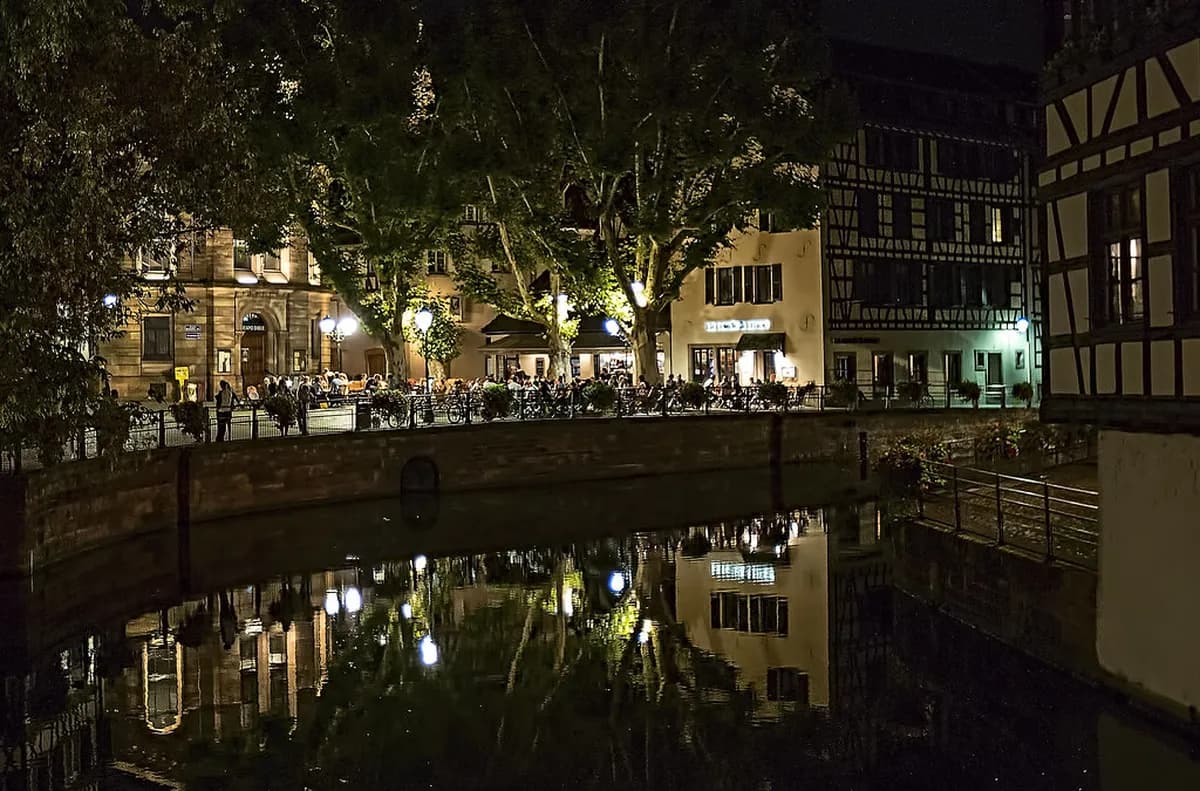
One day is often enough to see the main cathedral and Petite France, but two days allow for a deeper connection. With an extra night, you can enjoy the vibrant nightlife in the Krutenau district or a slow dinner at La Casserole. The city truly shines after the day-trippers leave and the medieval lanterns begin to glow against the timbered walls.
Essential 2026 Planning: Best Time to Visit
Choosing the best time to visit Strasbourg depends largely on your tolerance for crowds and cold weather. December is undeniably the most magical month, but it is also the most expensive and crowded time for hotels. If you prefer a quieter experience, May and June offer blooming gardens and pleasant temperatures for outdoor cafe sitting.
The 2026 event calendar includes the 'Strasbourg mon amour' festival in mid-February, which is perfect for romantic getaways. During this ten-day event, the city hosts concerts, themed tours, and special light shows across the historic bridges. Be aware that hotel prices spike during European Parliament plenary sessions, which occur roughly once a month for four days.
Summer visitors should prepare for occasional heatwaves, though the river breeze and shaded parks provide some relief. August is a popular time for local festivals, but some smaller family-owned shops may close for their own summer holidays. Always check the Strasbourg practical tips for the most current holiday closure dates before you book.
Logistics and Safety for Solo Travelers
Strasbourg is consistently ranked as one of the safest cities in France for international visitors and solo travelers. The city is very well-lit at night, and the extensive tram network provides a safe way to move between neighborhoods. Standard travel precautions apply, but violent crime is rare and the local police are generally helpful to tourists.
When deciding where to stay in Strasbourg, the Grande Île is the most convenient but also the priciest. For a more local vibe, look at the Krutenau neighborhood, which is full of students, trendy bars, and affordable eateries. Solo female travelers will find the city very walkable, though it is always wise to stay in well-populated areas after midnight.
Getting to the city is simple, with high-speed TGV trains arriving from Paris in just under two hours. The train station is a short ten-minute walk from the historic center, making it easy to reach your hotel without a taxi. Most major attractions are concentrated within the central island, so you will rarely need to use public transport for sightseeing.
For those looking for luxury, the Hotel Cour du Corbeau Strasbourg – MGallery offers a stunning historic courtyard experience. Alternatively, the Maison Rouge Strasbourg Hotel & Spa provides a more central location near the main shopping district. Regardless of your budget, booking at least three months in advance is recommended for the 2026 peak seasons.
Good to know
Strasbourg's Grande Île historic centre is a UNESCO World Heritage Site, and almost every top sight — the cathedral, Petite France, and the main museums — sits within a compact, walkable area. Skip taxis: the old town is best explored on foot.
Most central attractions are free to enter or under €8 / ~$9. Budget travellers can see the cathedral, wander Petite France, and stroll the canals without spending a cent.
Frequently Asked Questions
Is one day in Strasbourg enough to see the main sights?
One day is sufficient to see the Cathedral, Petite France, and take a river boat tour. However, you will miss the museums and the European Parliament. Two days are better for a relaxed pace.
What makes Strasbourg different from Paris?
Strasbourg offers a unique Franco-German cultural blend that is absent in Paris. The city is much more walkable and less crowded. It also features distinct Alsatian cuisine like choucroute and flammekueche.
Is Strasbourg safe for solo female travelers in 2026?
Strasbourg is very safe for solo female travelers due to its high walkability and low crime rates. The public transport is reliable and well-monitored. Standard urban awareness is all that is required.
Strasbourg in 2026 remains a premier destination for those seeking a mix of medieval history and modern European culture. Whether you are climbing the cathedral spire or sipping wine in a centuries-old cellar, the city offers endless charm. The unique Alsatian hospitality ensures that every visitor feels like they have discovered a secret corner of France.
Remember to book your major tours in advance and stay flexible with your daily itinerary to allow for spontaneous discoveries. From the festive lights of winter to the riverside cafes of summer, this city never fails to impress its guests. We hope this guide helps you plan an unforgettable journey to the heart of the Alsace region.
Explore More Strasbourg Guides
Deep-dive guides for every part of a Strasbourg trip — from the cathedral and canals to Alsatian food, Christmas markets, day trips, and practical planning.
Attractions & Sights
- Strasbourg Attractions
- Things to See in Strasbourg
- Tips for Your Strasbourg Cathedral Visit
- Strasbourg Astronomical Clock Guide
- Museums in Strasbourg to Visit
- Strasbourg Boat Tour Ill River
- European Parliament
- Free Things to Do
- Strasbourg Hidden Gems
- Strasbourg with Kids
Planning Your Trip
- How Many Days in Strasbourg 2026
- Things To Do In Strasbourg In One Day Travel Guide
- Best Time To Visit Strasbourg 2026
- Areas and Hotels in Strasbourg
- Is Strasbourg Worth Visiting? A Complete Guide & Verdict
- Strasbourg 2-Day Itinerary
Food & Drink
- Restaurants and Food Spots in Strasbourg
- Traditional Alsatian Food in Strasbourg
- Things to Do in Strasbourg at Night
Getting There & Day Trips
- Paris to Strasbourg by Train
- Day Trips From Strasbourg
- Strasbourg to Colmar Day Trip
- Things to Do in Alsace from Strasbourg
- Strasbourg Airport Guide
- Obernai Day Trip
- Day Trip to Kehl (Germany)
Seasonal & Christmas
Good to Know
You might also like


Continue reading
More guides you'll find useful