11 Best Hidden Gems in Colmar (2026): Secret Local Spots
Plan your trip to the hidden gems in Colmar with our guide to secret museums, local markets, and quiet corners for a perfect Alsace escape.
On this page
11 Hidden Gems in Colmar You Need to Discover
After visiting the Alsace region four times over the last decade, I have learned that Colmar is much more than its postcard-perfect canal. While most tourists crowd the same three bridges in Little Venice, the true soul of the city hides in quiet courtyards and peripheral neighborhoods. This guide was last refreshed in June 2026 to ensure all pricing and opening hours reflect the most current travel conditions.
Finding the best hidden gems in colmar requires stepping away from the main timber-framed thoroughfares. Local residents often gather in spots that the day-trippers from Strasbourg completely overlook during their short visits. You will discover that the city's history is written in its small fountains, specialized museums, and family-run wine cellars.
Must-See Hidden Attractions in Colmar
The most rewarding hidden spots in Colmar are concentrated in a compact area between the Tanners' Quarter and the Dominican church. You can cover all of them on foot in a single morning without retracing your steps. The key is arriving before 09:00, when tour groups from Strasbourg and Basel begin to fill the main squares.
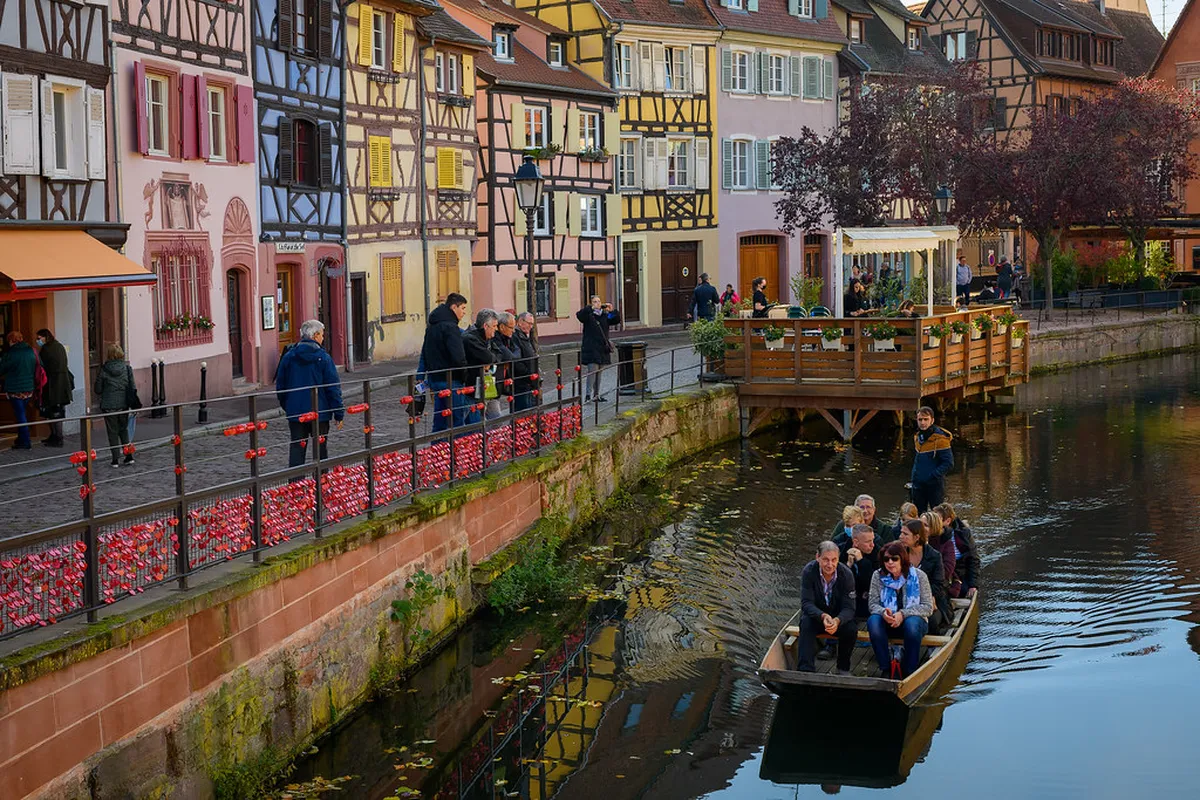
Start at the Quartier des Tanneurs on Rue des Tanneurs and Petite Rue des Tanneurs. The houses here were purpose-built with wide, open upper floors where leather hides were stretched to dry, giving the facades a distinctive asymmetrical look unlike anything else in the old town. Most visitors walk straight past it on their way to Little Venice without realising the story behind the architecture.
Early morning is the only time to photograph the Tanners' Quarter without crowds. Arrive before 07:00 when tour groups are still eating breakfast, and the reflections in the water channels run clean and mirror-clear.
From there, cross to Place de l'Ancienne Douane and look for the Koïfhus — Colmar's old customs house, built in 1480. The ground floor loggia and the staircase tower are the best-preserved examples of late-Gothic civic architecture in the city. The square also holds the Roesselmann Fountain, commemorating Jean Roesselmann, a medieval burgermeister who died defending the city. Both the fountain and the Koïfhus exterior are free to view at any hour.
Two minutes' walk away on Rue des Têtes stands the Maison des Têtes. The Renaissance facade carries 106 carved stone heads — human faces, grotesque masks, and mythological figures — squeezed into every pillar and lintel. Most visitors glance at it briefly, but the detail rewards a slow five-minute inspection with a phone camera at close range. The building is now a five-star hotel and its ground-floor restaurant holds a Michelin star, which means you can actually book dinner here rather than just photograph the exterior.
Museums, Art, and Culture Worth Your Time
The Musée Bartholdi on Rue des Marchands sits inside the sculptor's birthplace. It holds original clay maquettes and plaster studies for the Statue of Liberty that you will not find anywhere else in Europe. Adult admission runs €5–€8; the museum is open 10:00–18:00 daily except Tuesdays. Most visitors to Colmar's diverse museums prioritise the Unterlinden Museum and leave Bartholdi's home for another day — which is a mistake, as the personal artifacts and correspondence on the upper floors are genuinely moving.
The Eglise des Dominicains on Place des Dominicains charges just €1–€2 and houses Martin Schongauer's 'Virgin in the Rose Bush' (c. 1473), a late-Gothic panel painting that influenced Dürer. The church is open 10:00–18:00 most days from April through December. Afternoon light through the 14th-century stained glass creates deep reds and blues across the stone floor — plan your visit for around 14:00 if photography matters to you.
A block east of the Dominicains, the Eglise Saint-Matthieu is Colmar's least-visited major church. It was converted from a Franciscan convent after the Revolution and now serves the Protestant community. The 14th-century nave retains its original proportions untouched by Baroque renovation, and the stained glass choir windows are among the oldest surviving examples in Alsace. There are no admission fees, no tour groups, and typically no more than a handful of other visitors even in high season.
Le Marché Couvert de Colmar (Les Halles)
The Marché Couvert on Place de l'Ancienne Douane is one of the best indoor food markets in Alsace and almost entirely overlooked by day-trippers. The red-brick and steel hall — built in 1865 — opens Tuesday through Sunday from 08:00. Inside, around forty stalls sell Munster cheese, charcuterie, fresh Alsatian pretzels, local Riesling and Pinot Gris, and seasonal produce from farms in the Rhine plain.
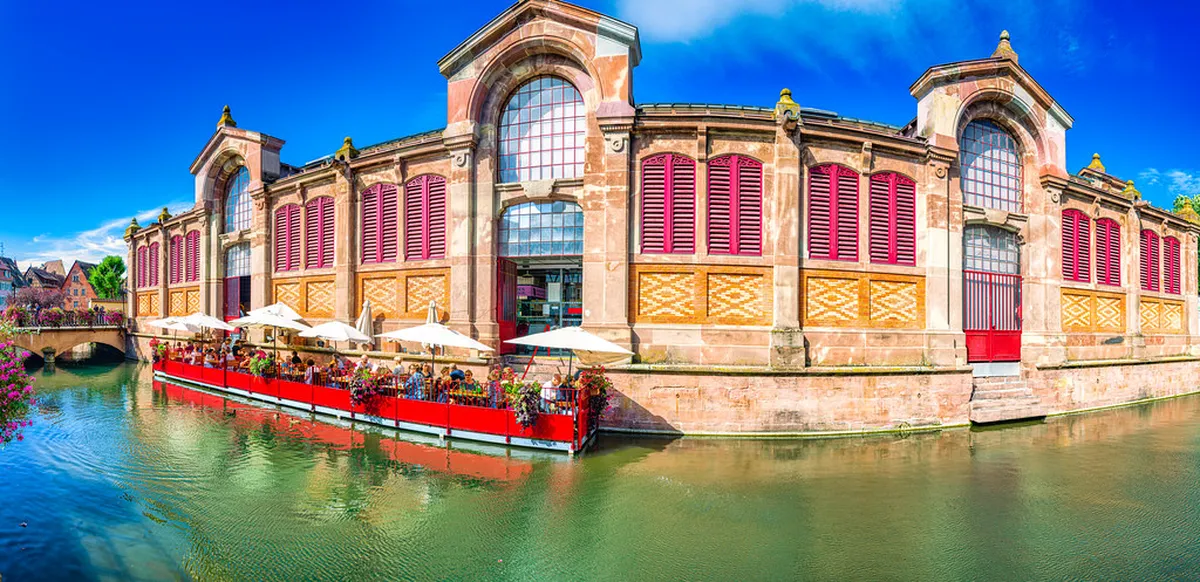
A small canal-side bar operates inside the market building. Ordering a glass of Crémant d'Alsace at 10:00 while watching farmers pack up their crates is one of those genuinely local experiences that costs under €5 and can't be replicated anywhere else in the city. Entry is free. Budget roughly €15–€25 if you want to buy cheese, wine, and a snack for an impromptu picnic along the Lauch river.
Foods worth trying at the market include Bibeleskaes (a fresh curd cheese mixed with herbs and served on rye bread), smoked trout from the Vosges, and flammekueche dough sold raw so you can bake it yourself at your accommodation. These are the kinds of ingredients that restaurant guides never cover and that supermarkets in the city center don't stock.
Unique Experiences You Can't Miss in Colmar
The Domaine Martin Jund wine shop on Rue de l'Ange is run by an organic winemaking family who have farmed the same plots near Colmar since the 1960s. Tasting flights run €5–€15 and the shop is open Monday through Saturday until 19:00. Buying a bottle directly here — particularly their Riesling Grand Cru Rosacker — typically costs €8–€12 less than the same wine at tourist-facing shops on Grand'Rue.
The Village Hansi et son Musée celebrates the satirical folk illustrations of Jean-Jacques Waltz, whose work defined the popular image of Alsatian village life in the early 20th century. Entry costs €3–€5, hours are 10:00–18:00. The gift shop stocks quality reproduction prints that are significantly better souvenirs than the mass-produced items sold in the old town's tourist shops.
If you visit in August, the Alsace Wine Festival takes over the city center for ten days, with tastings, guided cellar tours, and evening concerts. It runs every year in the first two weeks of August and draws winemakers from across the Route des Vins. This is genuinely the best time to encounter growers who are otherwise only accessible by appointment at their domaines outside town.
Early-Morning Photography and Quiet Canal Walks
The single most effective thing you can do to see Colmar without crowds is arrive at the canal in Little Venice before 07:00. The boat tours do not launch until 10:00, the tour groups arrive after 09:30, and the canal surface is glassy and unbroken before the first commercial barges start their rounds. The thirty minutes between 06:45 and 07:15 in summer are the only window where you will have the Rue de la Poissonnerie bridge to yourself.
The quiet waterways behind Rue des Tanneurs are the most underrated photography spots in Colmar. These narrow sections lined with willow branches and unpainted medieval walls offer a completely different aesthetic from the painted timber-frame postcard view, and you'll often have them entirely to yourself even at midday.
Beyond the main canal, the smaller waterways running behind Rue des Tanneurs see almost no tourist foot traffic at any time of day. The section of the Lauch between the Rue du Conseil Souverain and the Place du Marché aux Fruits is particularly quiet — lined with willow branches that dip into the water and backed by unpainted medieval walls rather than painted timber frames. It reads as a completely different city from the Instagram version three hundred metres away.
For a high vantage point, the terrace of the Unterlinden Museum cafe offers a good-enough roofline view without requiring a separate admission. The museum's cloister garden is open from 09:00 and is almost always empty before the first guided tour at 10:30. Bring a wide-angle lens and arrive as soon as the gate opens.
Parks, Gardens, and Outdoor Spots
The Parc du Champ de Mars stretches along the western edge of the old town between the train station and the main roundabout. It is free to enter and open around the clock. The central promenade is anchored by a statue of General Rapp, one of Napoleon's marshals and a Colmar native. In the evening, after the tourists leave, the park fills with local families and dog walkers — it is the most effortless way to see how residents actually use the city.
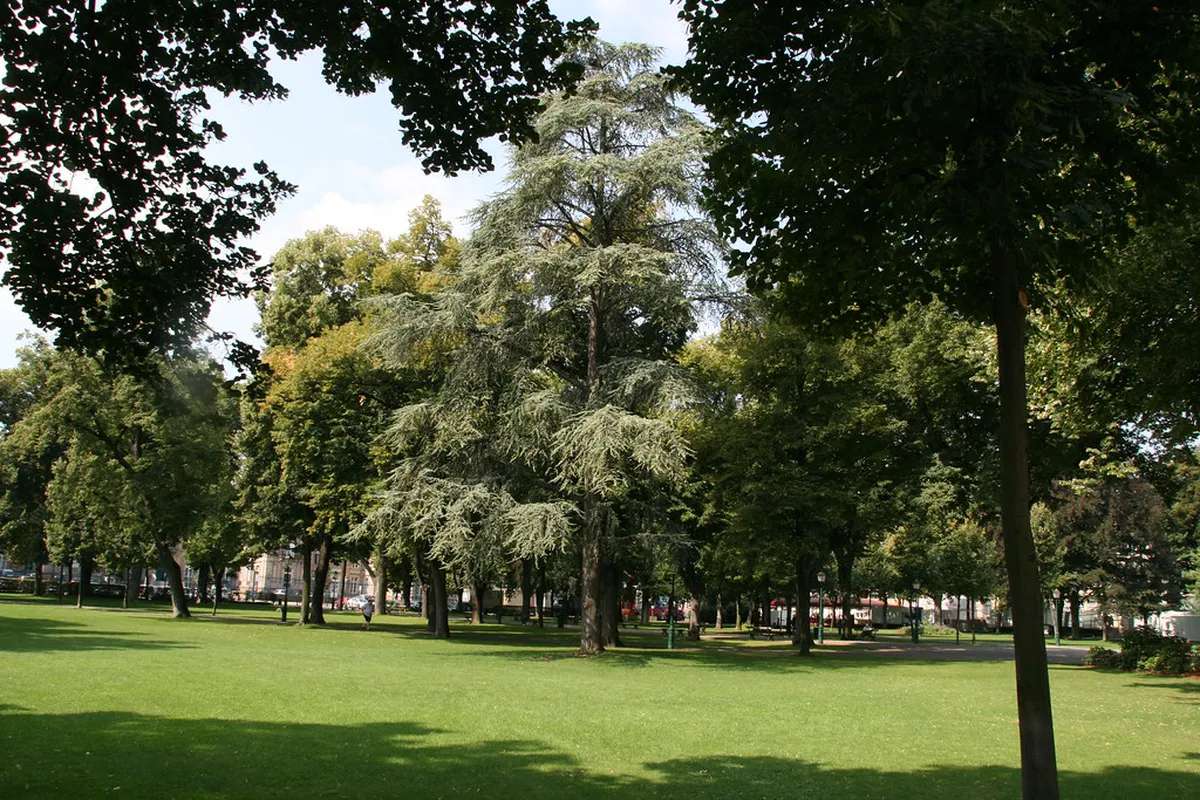
The Champ de Mars carousel, installed seasonally from spring through the Christmas market period, is one of the few surviving 19th-century mechanical rides in Alsace. It costs €2–€3 per ride and is genuinely family-friendly for children under twelve. During the Christmas market (late November through late December), the entire park transforms into a fairground with rides and illuminated stalls, distinct from the wine-and-cheese market in the old town that tends to attract adult visitors.
Family-Friendly and Budget-Friendly Options
The Musée du Jouet (Toy Museum) on Rue Vauban houses over 2,000 pieces ranging from 19th-century dolls to 1980s tin toys. It sits in an 18th-century building with interactive exhibits that allow younger children to handle some of the displays. Entry costs around €5–€7 for adults and €3 for children. It is one of the few indoor attractions in Colmar that genuinely holds a child's attention for a full ninety minutes without relying on screens or audio-guides.
The Choco Story Museum near the old town takes visitors through the history of chocolate from Mesoamerican origins to modern production, with live demonstrations and samples. A 45-minute chocolatier workshop costs around €45 and is available for children aged seven and older. Book in advance during July and August, as the workshops sell out most days.
For zero-cost family activity, the public art and fountains of the old town work well as a self-guided treasure hunt. Count the heads on Maison des Têtes (there are 106), find the Schwendi Fountain in the Tanners' Quarter, and locate the small 16th-century well hidden in the courtyard off Rue des Marchands. None of these require tickets or reservations, and they keep children engaged across a full two-hour walk.
Best Day Trips from Colmar
Colmar sits at the centre of the Alsace Wine Route, which makes it one of the best bases in eastern France for short excursions. You can reach four or five distinct villages in a single day by car without covering more than 60 km round-trip. Public bus connections on the TER network link Colmar to Ribeauvillé and Turckheim, though frequency drops on Sundays.
A day trip to Eguisheim is the easiest option: fifteen minutes by car, free to walk, and widely regarded as the best-preserved circular wine village in Alsace. Go on a Tuesday morning when the weekly market fills the central square. Riquewihr (twenty minutes north) is busier but holds the most complete medieval fortification walls in the region. Ribeauvillé (fifteen minutes north) adds ruined castle towers above the village that are free to hike to from the main car park.
Haut-Koenigsbourg Castle sits 45 minutes northwest by car and opens year-round. The restored medieval fortress dates to the 12th century; admission is around €9 for adults and €5 for under-18s. Spring and autumn are significantly quieter than July and August. If you visit in winter, the castle sometimes closes during heavy snowfall, so check the official site before driving.
How to Plan a Smooth Hidden Attractions Day
A practical itinerary for seeing the genuine hidden gems in Colmar in a single day starts with an early canal walk (06:45–07:30), followed by breakfast at the Marché Couvert (08:00–09:30). From there, walk the Tanners' Quarter and Koïfhus before the square fills (09:30–10:30), then visit either the Bartholdi Museum or the Dominicains church (10:30–12:00). Afternoon works well for the Maison des Têtes exterior, the Eglise Saint-Matthieu, and a tasting at Martin Jund before the shop closes.
The green line painted on the Old Town pavements is a useful navigation tool but it follows the main tourist circuit. Deviate from it at every opportunity by turning into any side street running perpendicular to Grand'Rue — the density of unmarked courtyards and carved door lintels is highest in those blocks. Most of the best architectural details in Colmar are above eye level; get into the habit of looking at second and third-floor windows rather than shop facades.
Colmar is compact enough that renting a bicycle for a day (around €15–€20 at most hire shops near the station) allows you to cover the outer residential districts that walkers rarely reach. The area northeast of the train station along the Route de Rouffach holds several late 19th-century bourgeois villas built by Alsatian industrialists, invisible on standard tourist maps and practically empty of other visitors on weekday mornings.
Where to Stay in Colmar
Staying in the Old Town puts all the hidden gems walkable within ten minutes, but rooms cost more and parking is difficult. The Quartier Sud, roughly south of the Lauch river, offers a quieter base with easier car access and noticeably lower nightly rates. It is still only a twelve-minute walk from the Marché Couvert and the Tanners' Quarter.
At the budget end, self-catering apartments in the old town like Beauty & The Beast Old Town Cosy Apartments offer comfortable rooms within walking distance of Saint Martin's Church and the Maison des Têtes. Mid-range travellers often choose Hôtel Turenne just outside the center — recently refurbished, offering family rooms and a daily breakfast. For a luxury stay, the Maison des Têtes hotel occupies the Renaissance building with the 106 carved heads; its 21 rooms are individually decorated and the on-site Michelin-starred restaurant is one of the most atmospheric dining rooms in Alsace. You can search hotels in Colmar, France to compare availability across all three tiers before booking.
Getting to Colmar is straightforward. High-speed TGV trains from Paris Gare de l'Est take just under two hours to reach Colmar directly in 2026. Basel is 45 minutes by regional train; Strasbourg is 30 minutes. Driving from the A35 autoroute takes about fifteen minutes from the northern access at junction 23. During the Christmas market season (late November through late December), every accommodation tier books out months ahead — plan at least six months in advance for that window.
Quick facts: see our attraction pages for Maison des Têtes and the Quartier des Tanneurs.
Frequently Asked Questions
Which hidden gems in colmar options fit first-time visitors?
First-time visitors should prioritize the Marché Couvert and the Bartholdi Museum. These spots are centrally located and offer a deep dive into the city's local culture and history without requiring a long detour from the main sights.
How much time should you plan for hidden gems in colmar?
You should plan at least one full day specifically for exploring the hidden gems. This allows you to visit several museums, enjoy a long lunch at the market, and wander the quiet side streets at a relaxed pace.
What should travelers avoid when planning hidden gems in colmar?
Avoid visiting the most popular spots like Little Venice between 11:00 AM and 3:00 PM. Instead, use this peak time to visit indoor museums or parks like the Champ de Mars where the crowds are much thinner.
Colmar is a city that rewards those who take the time to look beyond the obvious tourist path. By visiting these hidden gems, you will experience a version of the city that is authentic, quiet, and deeply historical. Whether you are exploring the Bartholdi Museum or enjoying a quiet morning in the park, the secret spots of Colmar are what will truly stay in your memory.
I hope this guide helps you plan a more meaningful and peaceful trip to this beautiful corner of France. Don't forget to save this article for your 2026 travels and check the official tourism site for any last-minute schedule changes.
You might also like


Continue reading
More guides you'll find useful