Is Marseille Safe? 8 Essential Crime and Safety Tips for Travelers
Is Marseille dangerous? Our 2026 safety guide breaks down crime rates, neighborhoods to avoid (Quartiers Nord), and 8 essential tips for a secure visit.
On this page
Is Marseille Safe? 8 Essential Crime and Safety Tips for Travelers
Marseille often faces a tough reputation in international news reports. Many travelers wonder if this Mediterranean port is truly dangerous for visitors. This guide explores the reality of crime and safety in France's second-largest city. You will find practical advice to help you enjoy your trip with confidence.
Understanding the local dynamics helps you navigate the city like a seasoned traveler. You should know which areas to explore and which ones to avoid. This Is Marseille Worth Visiting? 10 Honest Pros and Cons guide provides the context you need for a safe trip. Preparation is the best way to ensure a smooth and memorable French holiday.
Is Marseille Dangerous? Understanding the Reputation
The city's reputation is often worse than the actual experience of most tourists. Marseille has long been associated with organized crime and port-related smuggling. These historical factors contribute to a lingering sense of unease for some people. However, the city has undergone significant urban renewal in recent years.
Violent crime is a reality, but it is largely confined to specific gang-related conflicts. A Le Monde: Marseille Gang Warfare Analysis details the rivalry between groups like the DZ Mafia. These incidents rarely target tourists or occur in the main city center. Most travelers will only encounter standard urban risks like pickpocketing.
Marseille feels like any other large European city during the daytime. The bustling markets and sunny harbors create a lively and welcoming atmosphere. Visitors should remain aware of their surroundings without feeling constant fear. Local authorities have worked hard to improve the city's image for global visitors.
Marseille's reputation is largely tied to areas tourists never visit; the main risk in the centre is pickpocketing on crowded metro lines and around the Old Port, not violent crime.
Crime Statistics vs. Reality: The Truth About Marseille Today
Statistical data often places Marseille high on crime indices for Western Europe. It is important to look at the types of crimes being reported frequently. A large portion of these statistics involves drug-related offenses in residential suburbs. For tourists, the most relevant concern is petty theft and street scams.
According to a France3: Local Resident Safety Survey, many locals want improved security measures. This desire for change reflects the ongoing challenges in certain residential districts. Despite these concerns, the city remains a major Mediterranean hub for tourism. Security presence has increased in popular spots to protect international visitors.
Comparing Marseille to Paris or Lyon shows similar rates of petty crime. Major tourist hubs globally deal with pickpockets near famous monuments and stations. You are not necessarily at higher risk here than in other metropolitan areas. Focusing on common-sense safety will prevent most negative experiences during your stay.
Dangerous Areas of Marseille to Avoid (Quartiers Nord & Beyond)
The Northern Districts, or Quartiers Nord, are generally not suitable for tourists. These areas include the 13th, 14th, 15th, and 16th arrondissements of the city. High poverty levels and drug-related activity make these zones less secure. Most sightseeing highlights are located far away from these specific residential neighborhoods.
Some central areas can also feel uncomfortable, especially after the sun goes down. The streets around the Gare Saint-Charles often attract loiterers and opportunistic thieves. Be extra cautious with your bags when arriving or departing by train. Keep your phone tucked away while navigating the station's outdoor exits.
Certain pockets of the 3rd arrondissement also require higher levels of vigilance. Felix Pyat is one such area that travelers should generally avoid visiting. Stick to well-lit main roads if you find yourself near these boundaries. Using a map before you leave your hotel helps prevent looking lost.
- Quartiers Nord (13th-16th Arrondissements)
- Type: Residential suburbs
- Risk: Gang activity
- Advice: Avoid completely
- Context: Non-tourist zone
- Gare Saint-Charles Surroundings
- Type: Transit hub
- Risk: Petty theft
- Advice: Watch bags
- Context: High traffic
- Belsunce and Noailles (Night)
- Type: Market districts
- Risk: Pickpocketing
- Advice: Stay alert
- Context: Narrow streets
- Felix Pyat (3rd Arrondissement)
- Type: Housing project
- Risk: Street crime
- Advice: Do not enter
- Context: High poverty
Safest Neighborhoods for Tourists and Expats
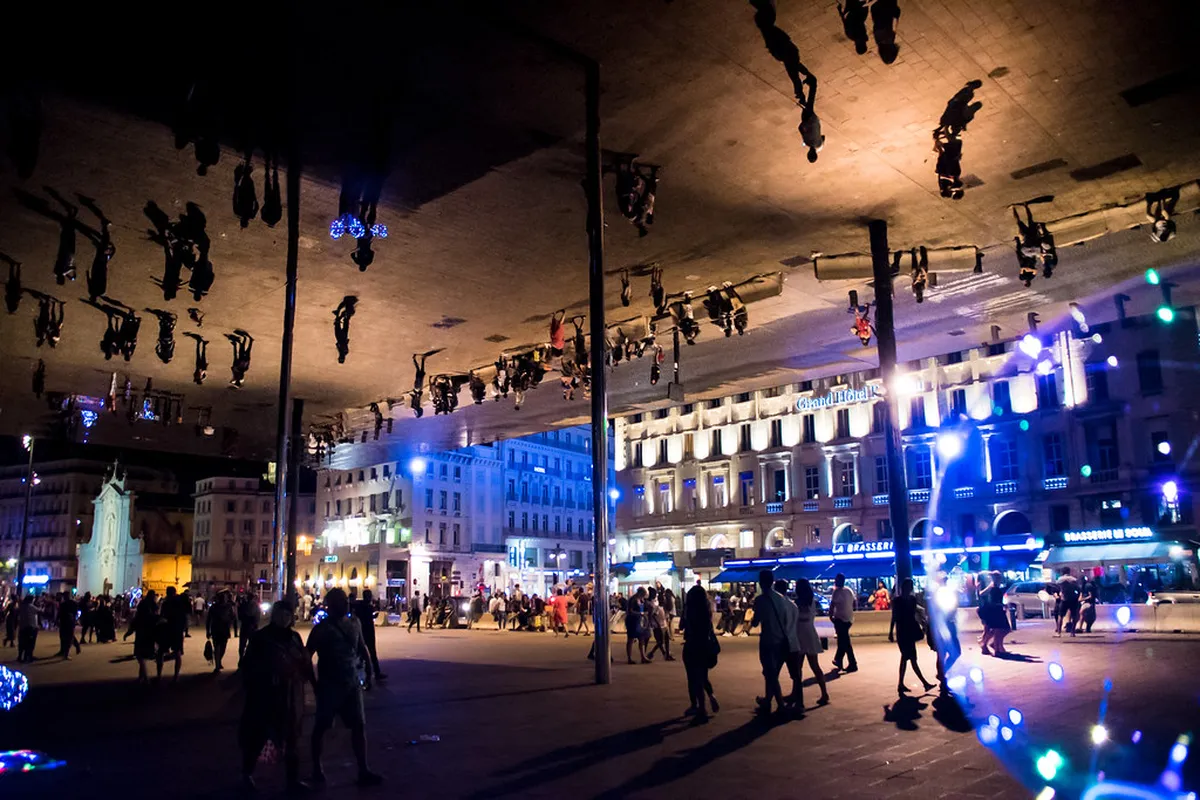
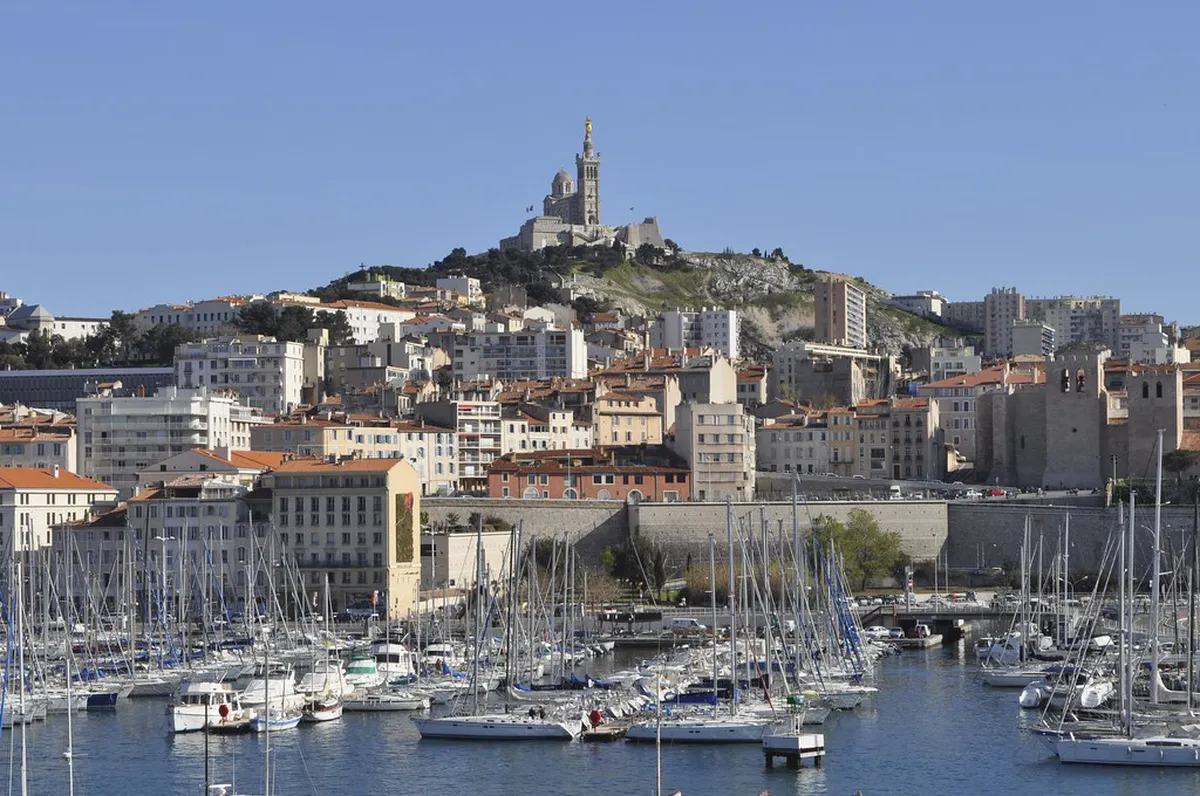
Choosing the right base is essential for a secure and pleasant visit. The Vieux-Port is the heart of the city and remains very safe. You will find a heavy police presence and many other tourists here. Check our where to stay in Marseille guide for specific hotel recommendations.
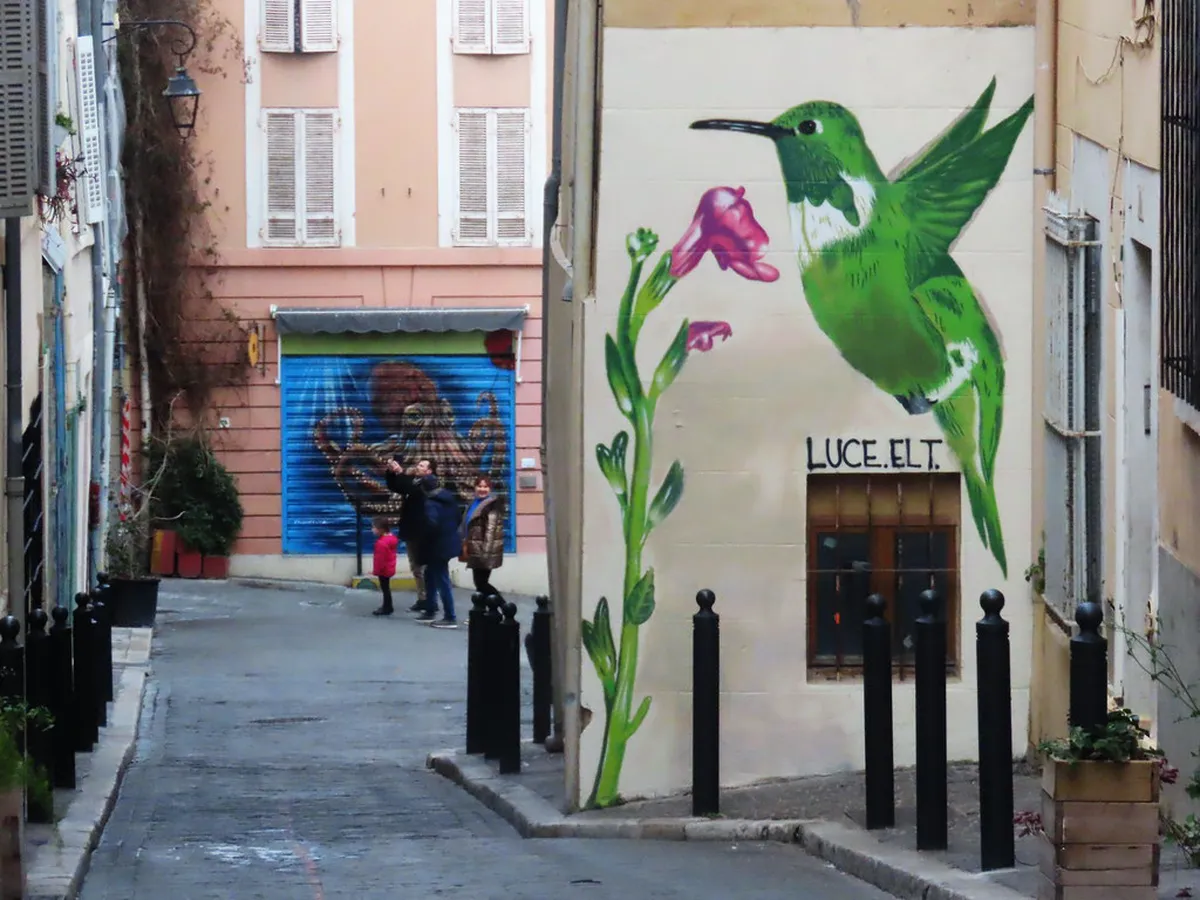
Le Panier is the oldest district and offers a charming, village-like feel. Its narrow pedestrian streets are generally safe for daytime exploration and dining. This area has seen significant gentrification and attracts many art lovers. You can learn more in our Marseille neighborhoods guide for further details.
The 7th and 8th arrondissements are upscale residential areas near the coast. Neighborhoods like Endoume and Le Roucas-Blanc are very quiet and secure. These districts are perfect for families or travelers seeking a peaceful stay. You will enjoy beautiful sea views and a very low crime rate.
Essential Safety Tips for Navigating the City
Simple habits can drastically reduce your chances of becoming a crime target. Always carry your backpack on your front in crowded markets or metros. Avoid wearing flashy jewelry or expensive watches while walking in the street. Keep only a small amount of cash on your person for daily needs.
Be wary of strangers offering unsolicited help or asking for directions. Distraction techniques are common ways for pickpockets to operate in groups. If someone spills something on you, keep moving and check your pockets. There are many 15 Best Things to Do in Marseille that are perfectly safe with awareness.
Use ATMs located inside bank branches rather than those on the street. This prevents card skimming and gives you more privacy while entering codes. Store your passport and extra credit cards in your hotel room safe. Having digital copies of your documents on your phone is also helpful.
Public Transport and Night Safety Guidelines
The metro and tram systems are efficient ways to see the city. They are generally safe during the day when many commuters are present. Late at night, the metro can feel isolated and less secure for solo travelers. Our getting around Marseille guide has more tips on using transit safely.
If you are enjoying the Marseille nightlife, consider using a ride-sharing app. Taxis and apps like Uber provide door-to-door service after midnight. Walking home alone through quiet streets is not recommended in unfamiliar areas. Stick to well-lit boulevards where shops and cafes are still open.
Always keep a close eye on your belongings while waiting on platforms. Avoid using your phone near the doors of the metro car. Thieves sometimes grab devices just as the doors are about to close. Staying alert helps you spot potential issues before they become problems.
Navigating Local Regulations and Health Services
Knowing how to contact help provides peace of mind during your travels. Dial 112 for any emergency requiring police, fire, or medical assistance. This number works across Europe and connects you to English-speaking operators. Review the Official Marseille City Security Guidelines for more local resources.
Marseille has excellent medical facilities and several large public hospitals. Hôpital de la Timone is one of the most prominent healthcare centers. Ensure you have travel insurance that covers medical emergencies before you arrive. Most pharmacies can help with minor ailments and provide over-the-counter advice.
If you need to report a theft, visit the nearest Commissariat de Police. The main police station is located near the Canebière in the center. Ask for a 'récépissé de plainte' for your insurance company's records. Local police are generally helpful to tourists who have experienced a crime.
Frequently Asked Questions
Is Marseille safe for solo female travelers?
Yes, Marseille is generally safe for solo women if they take standard precautions. Stick to well-populated areas like the Vieux-Port and avoid walking alone in the Northern Districts at night. Using ride-sharing apps after dark is a smart way to ensure a secure return to your accommodation.
What are the most common scams in Marseille?
Common scams include the 'friendship bracelet' trick and distraction thefts near major transit hubs. Be cautious if strangers approach you with petitions or offer unsolicited help at ticket machines. Keeping your valuables secure and maintaining a polite but firm distance will prevent most of these issues.
Is it safe to walk in Marseille at night?
Walking at night is safe in busy areas like the Old Port or Cours Julien. However, you should avoid poorly lit side streets and the areas surrounding Gare Saint-Charles after dark. It is always better to travel in a group or use a taxi when moving between neighborhoods late at night.
How does Marseille's crime rate compare to Paris?
Marseille and Paris have similar rates of petty crime in tourist areas. While Marseille often has a more intense reputation, the risks for visitors are comparable across major French cities. Both cities require vigilance against pickpockets in crowded places like metros and famous landmarks.
Marseille is a beautiful city that offers a unique blend of history and culture. While crime exists, it should not deter you from visiting this Mediterranean gem. By following our safety tips, you can minimize risks and focus on your adventure.
Use our Marseille 3-day itinerary to plan a secure and exciting route. Stay aware of your surroundings and enjoy the vibrant atmosphere of the city. Safe travels as you explore everything this historic French port has to offer.
You might also like



Continue reading
More guides you'll find useful