10 Best Things to Do in Montpellier 2026 (Local Guide)
Discover the 10 best things to do in Montpellier in 2026. From the historic Écusson and Musée Fabre to Mediterranean beaches and local wine festivals.
On this page
10 Best Things to Do in Montpellier 2026
After spending three summers exploring the sun-drenched streets of the Occitanie region, I have found that Montpellier offers a unique blend of medieval grit and modern polish. The city feels significantly more youthful than its neighbors like Nîmes or Avignon, largely thanks to its massive student population. Visitors in 2026 will find a city that has perfected the art of the 'terrasse' lifestyle while maintaining deep historical roots. This guide explores what Montpellier is famous for through the lens of a repeat visitor.
Last refreshed in June 2026 after my most recent return visit, this article reflects the latest opening times and pricing for 2026. I have noticed that the city is becoming increasingly walkable, with more pedestrian zones expanding outward from the historic center. Planning a trip here requires balancing the high-energy festivals of summer with the quiet, golden light of the shoulder seasons. Our editors have vetted every location on this list to ensure you experience the most authentic version of this Mediterranean hub.
While many guides suggest visiting the Odysseum shopping complex, I recommend skipping it unless you specifically need international chain stores. It lacks the character found in the winding alleys of the Écusson and can feel like any generic suburban mall. Instead, focus your energy on the creative hubs and historic medical heritage that truly define the local spirit. This comprehensive Montpellier travel guide aims to help you navigate those choices with ease.
Attraction Guides
Key Takeaways
- Quick Pick (Best Overall): Place de la Comédie for the quintessential Montpellier vibe.
- Quick Pick (Families): The beaches at Palavas-les-Flots or the interactive exhibits at the Odysseum.
- Quick Pick (Rainy Day): The Musée Fabre for its expansive and world-class art collection.
- Quick Pick (Free): Wandering the Jardin des Plantes, the oldest botanical garden in France.
- Practical Tip: Book Faculty of Medicine tours at least two weeks in advance as they sell out quickly.
Is Montpellier Worth Visiting in 2026?
Montpellier stands out in Southern France because it does not rely solely on Roman ruins or beach proximity to attract travelers. The city is home to the oldest active medical school in the Western world, which gives the historic center a scholarly, prestigious atmosphere. Walking through the Écusson, you will encounter hidden courtyards and grand private mansions that date back to the 17th century. The energy here is infectious, especially during the warm evenings when the squares fill with locals sharing wine and tapas.
The city is also a leader in contemporary architecture, with the Antigone district offering a surreal, neo-classical contrast to the medieval core. In 2026, the commitment to green transit and pedestrian-friendly spaces makes it one of the easiest French cities to navigate without a car. You can easily spend your mornings in a world-class museum and your afternoons dipping your toes in the Mediterranean Sea. For many, the question is not if the city is worth it, but planning the ideal trip length are enough to see it all.
One of my favorite personal discoveries was the quiet dignity of the Jardin des Plantes during a Tuesday afternoon mistral wind. The way the light hits the ancient stone walls of the Faculty of Medicine creates a sense of timelessness that is hard to find elsewhere. Whether you are a history buff, an art lover, or a foodie, the city provides a sophisticated yet accessible French experience. Before you arrive, check the the best season to travel to align your trip with the local climate.
10 Best Things to Do in Montpellier 2026
This curated list represents the absolute essentials for any first-time or returning visitor to the city in 2026. We have selected these items based on their historical significance, cultural impact, and the sheer quality of the visitor experience. Each entry includes practical logistics to help you plan your daily itinerary without the guesswork. From the bustling main square to the tranquil botanical gardens, these are the highlights of the Occitanie capital.
The historic core, known as the Écusson, contains several of these top picks within a short walking distance of each other. However, do not be afraid to venture into the newer districts like Antigone or the banks of the Lez river for a different perspective. Public transport is highly efficient, so reaching the coastal items on this list is straightforward and affordable. Always verify specific opening times on the Visit Montpellier Official Tourism website as seasonal changes can occur.
Prices listed are typical for the 2026 season and generally include standard adult admission rates where applicable. Many sites offer discounts for students, seniors, and families, so keep your identification handy while touring. I recommend booking guided tours for the Faculty of Medicine well in advance, as they are the only way to see the interior. Explore these top Montpellier attractions to make the most of your Mediterranean getaway.
- Place de la Comédie and the Three Graces
- This massive oval pedestrian square serves as the vibrant heart of the city and is perfect for people-watching at a café.
- The space is free to visit 24/7, though the surrounding shops and restaurants typically operate from 10am until midnight.
- Look for the Three Graces fountain in the center, which has been a local meeting point since the late 18th century.
- I suggest visiting early in the morning to see the opera house reflected in the polished stones before the crowds arrive.
- The Historic Faculty of Medicine and Anatomy Museum
- Founded in 1220, this is the oldest medical school in continuous operation in the Western world and a site of immense heritage.
- Access is strictly via guided tours through the tourism office, costing roughly €12–€15 per adult and lasting 90 minutes.
- The interior features the stunning Salle des Actes and a somewhat macabre but fascinating museum of anatomical specimens.
- Wear comfortable shoes as the tour involves climbing several historic staircases and walking through ancient corridors.
- Musée Fabre Fine Arts Collection
- This premier art museum houses an impressive collection ranging from European masters to contemporary French abstract works.
- Standard adult entry is usually €8–€12, and the museum is open Tuesday through Sunday from 10am to 6pm.
- The Soulages wing is a particular highlight, showcasing the famous 'outrenoir' black paintings in a beautifully lit modern space.
- Check out the world-class museums in Montpellier for more artistic inspiration during your stay.
- Promenade du Peyrou and the Arc de Triomphe
- This elevated royal square offers the best panoramic views of the city and the distant Cévennes mountains.
- The park is free to enter and stays open from 7am until 9pm or 10pm depending on the season.
- At the far end, you will find the monumental water tower and the Saint-Clément Aqueduct, which once supplied the city's water.
- The Sunday morning flea market held here is a fantastic place to find unique French antiques and vintage books.
- The Neo-Classical Antigone District
- Designed by architect Ricardo Bofill, this neighborhood features grand, symmetrical buildings inspired by ancient Greek motifs.
- Walking through the district is free and provides a striking visual contrast to the medieval streets of the old town.
- It stretches from the shopping center to the Lez river, offering wide boulevards and impressive public fountains.
- I love the atmosphere here at dusk when the golden hour light hits the pale stone of the massive amphitheaters.
- Jardin des Plantes Botanical Garden
- Established in 1593, this is the oldest botanical garden in France and served as a model for the one in Paris.
- Entry is free for all visitors, with typical hours from 12pm to 6pm or 8pm, though it is often closed on Mondays.
- The garden contains a 400-year-old Phillyrea tree where lovers used to hide letters in the hollow trunk.
- It is the perfect spot for a quiet break after a busy morning of sightseeing in the nearby Écusson district.
- Montpellier Cathedral (Saint-Pierre)
- This fortress-like Gothic cathedral is famous for its massive twin pillars that support a suspended porch at the entrance.
- The church is free to enter and is generally open daily from 9am to 12pm and 2:30pm to 6:30pm.
- Its austere interior provides a cool refuge from the summer heat and houses a notable 17th-century organ.
- Visit the Montpellier Cathedral and Saint-Pierre guide for a deeper look at its history.
- MO.CO. Contemporary Art Center
- This innovative art ecosystem includes the Hôtel des Collections, which hosts rotating exhibitions from private and public world collections.
- Tickets usually cost between €5 and €8, and the center is open Tuesday to Sunday from 11am to 6pm.
- The garden is designed as a 'world map' of plants and is a work of art in its own right.
- Unlike traditional museums, the focus here is on the diversity of global contemporary art rather than a permanent collection.
- Marché du Lez Creative Hub
- Located on the banks of the Lez, this former industrial site has been transformed into a village of food trucks and vintage shops.
- Admission to the grounds is free, with most stalls and bars open from 10am until midnight throughout the week.
- It is the best place in the city to experience modern 'bobo' (bourgeois-bohemian) culture and enjoy a craft beer.
- Take Tram Line 3 toward Perols and get off at the Pablo Picasso stop for a short walk to the entrance.
- Palavas-les-Flots Beach
- This classic Mediterranean resort town is the most accessible beach for those staying in the Montpellier city center.
- The beach is free to use 24/7, though you will need to pay for parking or tram/bus tickets to get there.
- A popular way to arrive is by cycling the 10km path along the Lez river, which takes about 45–60 minutes.
- Check our our guide to the Montpellier coast for tips on finding the quietest stretches of sand.
Art and Architecture: From Musée Fabre to MO.CO.
The artistic landscape of Montpellier is a dialogue between the weight of history and the boldness of the future. In the Musée Fabre, you can trace the evolution of French painting through the centuries in a setting that feels both grand and intimate. The museum's architecture itself is a marvel, blending an 18th-century mansion with sleek, modern glass and steel extensions. I recommend allowing at least three hours to fully appreciate the depth of the collections without feeling rushed.
In contrast, the MO.CO. represents the city's commitment to the living arts and the global contemporary scene. The Panacée, another branch of the MO.CO. ecosystem, often hosts experimental works that challenge traditional museum boundaries. Architecture enthusiasts should not miss the 'Arbre Blanc' (White Tree), a residential tower with striking, cantilevered balconies. This building has quickly become an icon of the city's modern skyline and is best viewed from the banks of the Lez.
Street art also plays a significant role in the local aesthetic, particularly in the Verdanson canal area. Local artists frequently update the murals there, turning the concrete walls into an ever-changing outdoor gallery. Walking through these different artistic zones provides a comprehensive view of how the city values visual culture. For more details on the best galleries, see our guide to museums in Montpellier.
Green Spaces: Jardin des Plantes and Promenade du Peyrou
Nature is woven into the urban fabric of Montpellier through its historic parks and botanical sanctuaries. The Jardin des Plantes is not just a garden but a research center where generations of medical students studied herbalism. You will find exotic greenhouses, bamboo groves, and a quiet pond that feels miles away from the city buzz. It is one of the few places in the center where you can experience true silence and bird song.
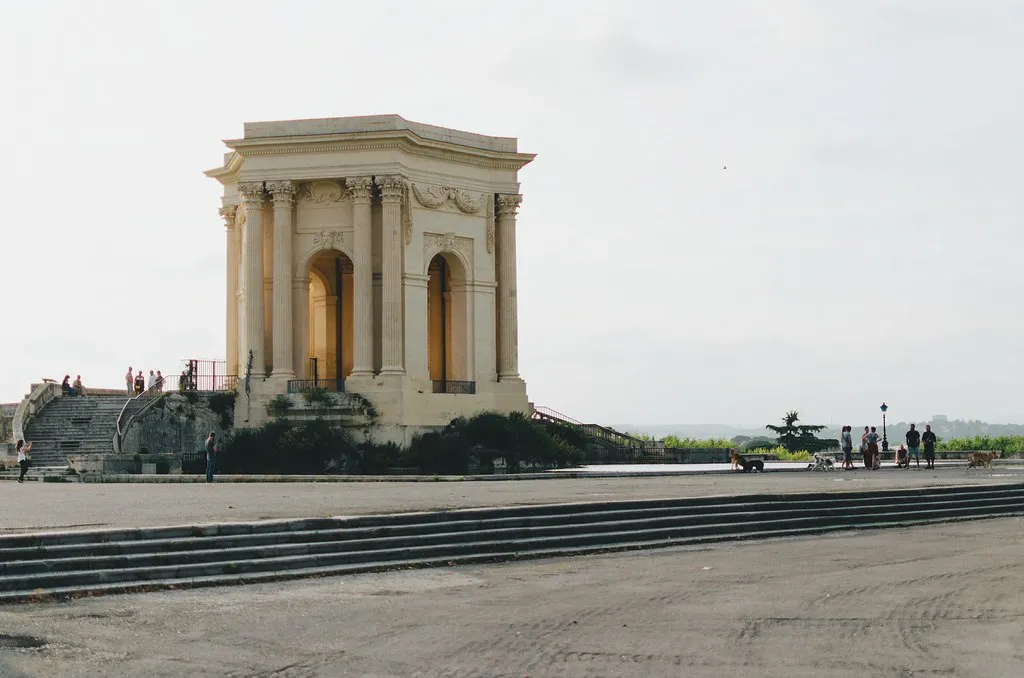
Just a few steps away, the Promenade du Peyrou offers a much more structured and monumental green space. This was designed to showcase the power of the French monarchy, centered around a grand statue of Louis XIV. The terrace provides an unobstructed view of the Saint-Clément Aqueduct, which is a masterpiece of 18th-century engineering. Many locals come here in the evening to play pétanque or simply watch the sun set behind the distant hills.
During the summer months, these green spaces provide essential shade and a cooler microclimate for weary walkers. The city has also invested in 'green corridors' that connect the center to the outlying neighborhoods and the coast. Exploring these parks is one of the most rewarding things to do in Montpellier for those who love the outdoors. Remember to bring a bottle of water, as the Mediterranean sun can be intense even in the early spring.
Best Things to Do Around Montpellier (Day Trips)
While the city itself is captivating, the surrounding Herault department is filled with diverse landscapes and medieval villages. A short train ride takes you to Sète, a unique fishing port known as the 'Venice of Languedoc' for its many canals. The town is famous for its water jousting festivals and incredible seafood, particularly the 'tielle' octopus pie. I highly recommend climbing Mont Saint-Clair for a view that encompasses the sea, the lagoons, and the city below.
For those interested in history and nature, the village of Saint-Guilhem-le-Désert is an essential stop on the pilgrimage route. This UNESCO World Heritage site is tucked into a narrow gorge and features one of the most beautiful Romanesque abbeys in France. You can combine a visit here with a trip to the nearby Grotte de Clamouse, a stunning cave system with rare crystalline formations. These day trips from Montpellier are easily accessible by regional buses or a short car rental.
Wine lovers should head to the Pic Saint-Loup area, where the limestone cliffs provide the perfect terroir for robust red wines. Many estates offer tastings and tours that allow you to meet the producers and learn about the local viticulture. The hiking trail to the top of the mountain is challenging but rewards you with a 360-degree view of the region. Always check the train and bus schedules in advance, as services can be less frequent on Sundays and public holidays.
Local Food and Wine: The Estivales and Marché des Arceaux
The culinary scene in Montpellier is a celebration of Mediterranean ingredients and regional wine traditions. Every Friday night in summer, the Esplanade Charles de Gaulle hosts the Estivales, a massive outdoor wine and food festival. For a small fee, you receive a glass and several tasting tokens to sample wines from dozens of local producers. The atmosphere is festive, with live music and stalls selling everything from local cheeses to freshly shucked oysters.
For a more traditional shopping experience, the Marché des Arceaux is held every Tuesday and Saturday morning beneath the historic aqueduct. This is where the city's top chefs come to source organic produce, honey, and artisanal breads from local farmers. I love grabbing a fresh croissant and a coffee and simply wandering through the rows of vibrant vegetables and fragrant herbs. It is the best place to find authentic souvenirs like sea salt from the Camargue or lavender products from the nearby hills.
Dining out in the city offers everything from Michelin-starred elegance to casual bistro fare in the hidden squares of the Écusson. Be sure to try 'brandade de morue,' a creamy salt cod dip that is a staple of the regional diet. The local wines, particularly those from the Languedoc-Gres de Montpellier AOC, are excellent and often very affordable. Check our guide to food and restaurants in Montpellier for my top personal recommendations.
Practical Travel Tips: Logistics and Booking
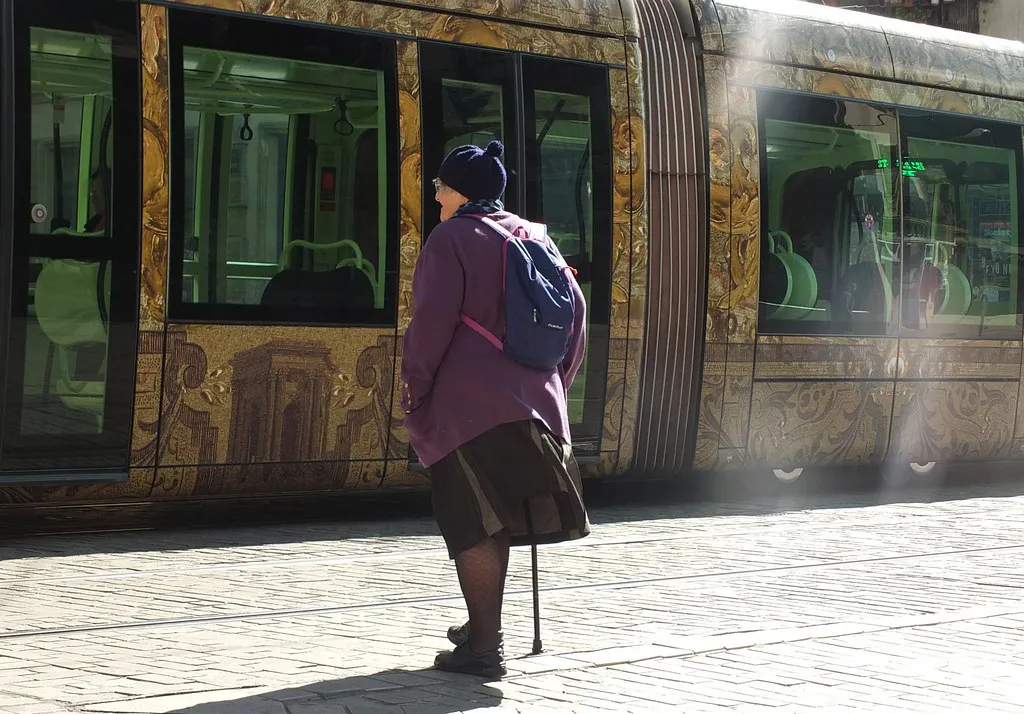
Navigating Montpellier is straightforward thanks to its award-winning tram system, with four lines color-coded and decorated by famous designers. Most visitors will find that the historic center is entirely pedestrianized, making it a dream for those who prefer to explore on foot. If you are arriving from the capital, the train from Paris to Montpellier takes just over three hours via high-speed TGV. The city has two main train stations, so verify whether your arrival is at Saint-Roch (city center) or Sud de France (outskirts).
Choosing the right area to stay can significantly impact your experience of the city's diverse neighborhoods. The Écusson is perfect for those who want to be in the heart of the action, though it can be noisy on weekend nights. For a more modern and quiet stay, look into the Antigone district or the area near the Port Marianne basin. You can find excellent options like the Grand Hôtel du Midi Montpellier for a touch of classic French luxury.
If you are traveling on a budget, the ibis Montpellier Centre Comédie offers a central and reliable home base. Families might prefer the space and facilities of a campsite like Camping Le Lac des Rêves, located just a short drive from the city. I recommend purchasing a 'City Card' if you plan on visiting multiple museums and using public transport frequently. Read more about where to stay in Montpellier to find the neighborhood that best fits your travel style.
Good to know
Most of Montpellier's headline sights sit inside the pedestrian Écusson, so you can walk between Place de la Comédie, Musée Fabre, and the Saint-Pierre Cathedral in well under 20 minutes.
Buy a rechargeable TaM transport pass if you plan to reach the beaches or Odysseum — a single tram ride is cheaper loaded onto the card than bought from the driver.
Frequently Asked Questions
Is Montpellier worth visiting in 2026?
Yes, Montpellier is absolutely worth visiting for its mix of medieval history and modern culture. It offers world-class museums, the oldest medical school in the West, and easy access to Mediterranean beaches. The city is especially vibrant for those who enjoy walkable, pedestrian-friendly urban centers.
Does Montpellier have a beach?
Montpellier is not directly on the coast, but several beaches are located 10–15km away. You can reach Palavas-les-Flots or Carnon in about 30 minutes via tram and bus. Many locals prefer cycling the scenic path along the Lez river to reach the sand.
Is Montpellier safe for tourists?
Montpellier is generally a safe city for travelers, though standard urban precautions apply. Stick to well-lit areas at night and keep an eye on your belongings in crowded spots like Place de la Comédie. For more detailed advice, see our safety and practical tips guide.
Montpellier in 2026 remains one of the most dynamic and sun-soaked destinations in the South of France. By balancing its medieval heritage with a forward-thinking approach to art and architecture, the city offers something for every type of traveler. Whether you are sipping wine at the Estivales or exploring the ancient halls of the Faculty of Medicine, the memories you make here will be lasting. I hope this guide helps you discover the hidden courtyards and vibrant squares that make this city so special.
As you plan your journey, remember that the true charm of Montpellier lies in its slow, Mediterranean pace. Take the time to linger over a coffee in the Écusson or watch the sunset from the Promenade du Peyrou. Safe travels, and enjoy every moment of your exploration in this beautiful corner of Occitanie.
Explore More Montpellier Guides
Deep-dive guides for every part of a Montpellier trip — from the historic Écusson and museums to Mediterranean beaches, day trips, where to stay, and when to go.
Attractions & Sights
- Montpellier Attractions and Where to Stay
- Old Town & Place de la Comédie
- Montpellier Cathedral & Saint-Pierre
- Best Montpellier Museums
- What Montpellier Is Famous For
- Promenade du Peyrou & Aqueduct
- Jardin des Plantes (Oldest in France)
- Montpellier Hidden Gems
- Free Things to Do in Montpellier
- Is Montpellier Worth Visiting?
- Montpellier with Kids
Beaches & Day Trips
- the best beaches near the city
- excursions from Montpellier
- La Grande-Motte & Palavas Beaches
- Day Trip to Pont du Gard
- Day Trip to Nîmes
Plan Your Trip
- how many days you really need
- our seasonal timing guide
- Where to Stay: Best Neighborhoods
- Getting to Montpellier & Paris Links
- the complete guide to Montpellier
- Montpellier Airport Guide
- Getting Around & the Tram
- Montpellier 3-Day Itinerary
- Marseille or Montpellier?
Food, Festivals & Practical
You might also like


Continue reading
More guides you'll find useful